
If you’re considering a career in poultry farming or are already immersed in the industry, you’ve likely heard about free-range farming. But what exactly does this term mean, and why is it gaining popularity among farmers and consumers alike? Free-range poultry farming involves giving birds access to the outdoors, where they can roam freely, forage, and engage in natural behaviors that improve their welfare. While this approach has numerous benefits, including improved bird health and reduced stress, it also presents unique challenges for farmers.
From predator management to marketing strategies, free-range poultry farming requires careful planning and execution. In this article, we’ll delve into the pros and cons of free-range farming, exploring its impact on both birds and farmers. Whether you’re a seasoned farmer or just starting out, understanding the ins and outs of free-range poultry farming is essential for making informed decisions about your operation.
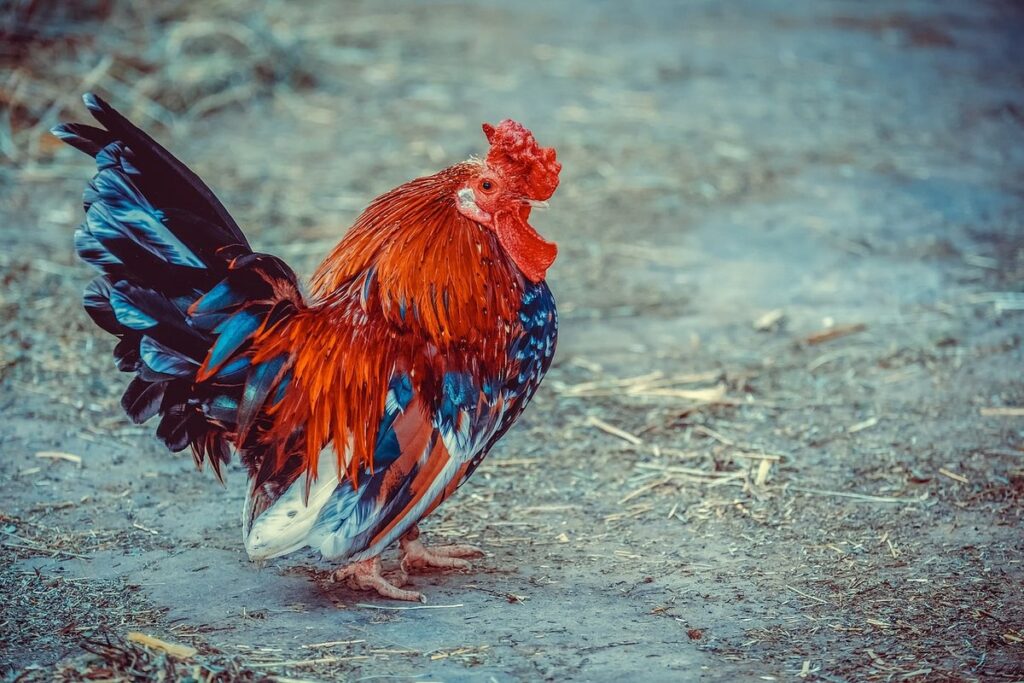
What is Free-Range Poultry Farming?
Free-range poultry farming involves giving birds access to outdoor spaces, mimicking their natural environments and allowing for exercise and socialization. We’ll delve into the specifics of this approach in more detail here.
Definition and Regulations
Free-range poultry farming refers to a method of raising chickens and other birds outdoors in an environment that mimics their natural habitats. This approach prioritizes the welfare and well-being of the birds by allowing them access to sunlight, fresh air, and space to roam. The benefits for bird welfare are significant, including reduced stress, improved physical health, and enhanced cognitive abilities.
Regulations governing free-range poultry farming vary globally, but most countries have implemented guidelines to ensure that producers meet certain standards. For instance, in the European Union, farmers must provide a minimum of 2 sq meters per chicken outside, while in the United States, the USDA requires farms to allow birds access to the outdoors for at least six hours a day.
To comply with regulations and promote bird welfare, farmers can implement best practices such as rotating pastures to maintain soil quality, providing adequate shelter from extreme weather conditions, and monitoring bird health through regular inspections. By doing so, producers can ensure that their free-range operations meet both regulatory requirements and high standards of animal care.
Benefits of Free-Range Systems for Birds
Free-range systems offer numerous benefits for birds, elevating their overall well-being and quality of life. One of the primary advantages is the increased space that allows them to roam freely, exercise, and engage in natural behaviors. This expanded freedom not only reduces stress levels but also stimulates their mental and physical health.
Research has shown that free-range systems can reduce stress-related disorders by up to 30% compared to conventional battery cages. Birds are able to move around, forage, and interact with each other, which promotes a sense of comfort and security. This reduction in stress translates into better egg-laying performance, improved feed conversion rates, and enhanced overall health.
In addition to reduced stress levels, free-range systems also provide birds with opportunities for exercise and physical activity. This is particularly beneficial for their musculoskeletal health, as it helps prevent conditions such as leg disorders and joint issues. By incorporating free-range systems into your poultry farm, you can create a healthier, more sustainable environment that benefits both the birds and your business.
Challenges Faced by Free-Range Poultry Farmers
As you consider free-range poultry farming, it’s essential to understand the challenges that come with providing a more natural environment for your birds. From predator management to fluctuating feed costs, these obstacles can be significant.
Predator Management and Biosecurity Concerns
Managing predators is one of the biggest challenges free-range poultry farmers face. These pests can range from foxes and coyotes to birds of prey like hawks and owls. Not only do they pose a threat to the flock, but also to human safety if they feel threatened or cornered.
To combat this issue, farmers must invest in effective predator management measures. This may include using electric fencing, guard animals like donkeys or llamas, or even drones equipped with cameras and noise-making devices to scare off predators. Regular monitoring of the farm’s perimeter and early warning systems are also crucial in preventing attacks.
In addition to managing predators, free-range farmers must maintain rigorous biosecurity measures to prevent disease outbreaks within their flocks. This includes proper cleaning and disinfection protocols for equipment and coops, regular vaccinations, and a strict quarantine system for new animals introduced to the farm. By taking these proactive steps, farmers can minimize the risks associated with raising poultry on a free-range operation.
Economic Considerations and Marketing Strategies
Adopting free-range systems for poultry farming comes with significant economic implications. One of the primary concerns is the increased cost of land acquisition and maintenance. Free-range farms require more space to accommodate birds that roam freely, which can be a substantial investment. Labor costs also rise as farmers need to ensure adequate staff to manage the larger flock size and monitor animal welfare.
Feed costs are another consideration, as free-range birds tend to eat more due to their increased activity levels. However, some farmers argue that this can be offset by selling premium products at higher prices. To capitalize on consumer interest in animal welfare, farmers must develop effective marketing strategies. This may involve highlighting the benefits of free-range farming, such as improved bird health and reduced antibiotic use.
To succeed in the market, farmers should focus on creating a strong brand identity that resonates with consumers who value humane treatment of animals. This can be achieved by using labels like “Certified Humane” or “Animal Welfare Approved.” By emphasizing the quality and uniqueness of their products, free-range poultry farmers can differentiate themselves from conventional operations and command higher prices in the market.
Designing and Implementing Free-Range Systems
Designing free-range systems requires careful consideration of space, infrastructure, and resource allocation to ensure a safe and healthy environment for your birds. Let’s dive into the key considerations for successful implementation.
Infrastructure Requirements and Land Management
When designing infrastructure for free-range poultry farming, it’s essential to prioritize the birds’ needs for shelter, feeding areas, and waste management. Adequate shelter is crucial to protect birds from harsh weather conditions, predators, and extreme temperatures. This can be achieved through the use of windbreaks, tree lines, or purpose-built shelters.
In terms of feeding areas, free-range systems require a reliable and efficient feeding system that allows for easy access by the birds. Consider using overhead feeders or troughs with adequate space to prevent overcrowding and minimize competition among birds.
Effective waste management is also vital in free-range systems. A well-designed manure collection system can help reduce odors, improve sanitation, and promote a healthy environment for the birds. This can be achieved through the use of covered manure pits, composting toilets, or automated manure collection systems.
When planning your infrastructure, consider factors such as topography, climate, and local regulations to ensure that your design meets all necessary requirements.
Flock Management Strategies and Monitoring Techniques
Effective flock management is crucial in maintaining the overall well-being of the birds, ensuring optimal productivity and minimizing health issues. Monitoring bird health involves regularly checking for signs of illness, injury, or stress. This can be done through daily visual inspections, record-keeping, and regular veterinary check-ups.
Behavioral monitoring is equally important as it helps identify potential issues such as aggression, feather pecking, or excessive vocalization. By recognizing these behaviors early on, farmers can implement interventions to prevent them from escalating into more serious problems.
Productivity monitoring involves tracking parameters like egg production, growth rates, and feed consumption. This data can be used to refine feeding strategies, make adjustments to the living environment, and optimize breeding programs.
To achieve this level of management, farmers should implement a comprehensive monitoring program that includes regular checks on bird health, behavior, and productivity. This could involve using technology such as nesting box sensors or mobile apps for tracking egg production and fertility rates.
Managing Predators and Pests in Free-Range Systems
Managing predators and pests can be a significant challenge when raising poultry outdoors, requiring careful planning and execution to protect your flock. Let’s explore effective strategies for minimizing these threats.
Integrated Pest Management (IPM) Strategies
Integrated Pest Management (IPM) strategies play a crucial role in maintaining a healthy and balanced ecosystem within free-range poultry systems. When it comes to controlling predators and pests, IPM offers a holistic approach that minimizes harm to the environment, animals, and human well-being.
One effective non-lethal deterrent is the use of visual scarecrows or motion-activated sprinklers to keep birds away from sensitive areas. These methods can be especially useful in protecting against large mammals like deer and wild boars. For instance, a study conducted by a leading poultry farm found that installing visual scarecrows reduced predator activity by 75% within six weeks.
Other IPM techniques include using repellents such as hot pepper sprays or commercial-grade repellent granules to deter smaller pests like rodents and birds. These methods can be used in conjunction with physical barriers, like fencing, to prevent access to the farm. Trap-and-remove methods are also effective for controlling rodent populations. By placing humane traps near areas where rodents frequent, you can humanely capture and release them outside the farm’s perimeter.
When implementing IPM strategies, it’s essential to monitor and record data on predator activity and pest populations to identify patterns and adjust your approach accordingly. This proactive approach not only reduces financial losses but also contributes to a more sustainable farming practice. By combining these non-lethal deterrents with trap-and-remove methods, you can maintain a balanced ecosystem that promotes both the health of your poultry and the environment as a whole.
Monitoring and Adaptation to Seasonal Changes
Monitoring bird behavior is crucial to adapt management strategies accordingly. As birds move freely around their enclosures, they’re more likely to encounter predators and pests that can compromise flock health and productivity. By regularly observing bird behavior, you’ll be able to identify potential issues early on.
Keep an eye out for unusual activity patterns or changes in appetite, as these can indicate the presence of a predator or pest problem. Some common indicators include birds clustering together, making excessive noise, or avoiding certain areas of their enclosure.
Seasonal changes also impact pest populations and require adjustments to management strategies. For example, during warm weather months, grasshoppers and other insects may become more abundant, while rodents are often more active during cooler periods. Be prepared to adjust fencing, monitoring, or control measures as needed. Keep records of observations and notes on the effectiveness of different approaches to inform future decisions.
Monitoring predator activity is equally important. Install camera systems or conduct regular checks for signs like tracks, scat, or feathers near predator entry points. This allows you to take targeted measures to prevent further losses, such as relocating birdhouses or installing motion-activated deterrents.
Welfare Considerations and Ethical Implications
As we explore the benefits of free-range poultry farming, it’s essential to consider the welfare implications for the birds and address any potential ethical concerns. Let’s examine these crucial aspects together.
Bird Behavior and Welfare Indicators
When it comes to free-range poultry farming, ensuring the welfare of the birds is crucial. One way to determine if the birds are thriving in a free-range system is to observe their behavior and look for indicators of good welfare. These indicators can be broken down into three main categories: foraging ability, social interaction, and stress levels.
Birds that have access to suitable foraging areas will exhibit natural behaviors such as scratching, pecking, and exploring their surroundings. In a free-range system, birds should be able to find food without relying on hand-feeding or supplemental feeders. Observing the birds’ foraging ability can help identify potential issues with the system’s design or management.
Social interaction is also essential for bird welfare in free-range systems. Birds should have opportunities to engage with each other, reducing stress and promoting a sense of community. Look for signs of social behavior such as perching together, preening, and vocal communication. By providing adequate space and resources for social interaction, farmers can promote better bird welfare.
Monitoring stress levels is also critical in free-range systems. Stress can arise from factors such as predation, disease, or inadequate shelter. Farmers should be aware of potential stressors and take steps to mitigate them. This may involve implementing predator control measures, improving ventilation, or providing shade structures for the birds. By observing these indicators and taking corrective action, farmers can ensure that their free-range birds are living in a welfare-friendly environment.
Ethics of Free-Range Farming and Consumer Responsibility
As consumers become increasingly aware of animal welfare issues on farms, free-range farming has gained popularity as a more humane and sustainable alternative to traditional confinement methods. However, the ethics of free-range farming are complex and multifaceted.
When we choose to buy free-range products, we may assume that our purchasing decision is supporting better living conditions for birds. But the reality is that free-range doesn’t always mean “happy” or “humane.” In fact, some farms may label their birds as “free-range” even if they’re only granted a minimal amount of access to the outdoors.
To navigate this landscape and make informed choices, it’s essential to look beyond labels and do your research. Check if the farm has transparent policies regarding bird welfare, such as providing adequate shelter, nutritious food, and regular veterinary care. Also, consider visiting the farm or looking for certifications like Certified Humane or Animal Welfare Approved.
By being mindful of these factors, consumers can play a crucial role in promoting better animal welfare practices on farms.
Case Studies and Best Practices from Successful Farmers
Let’s take a look at how successful farmers are implementing free-range practices on their poultry farms, with real-world examples to inspire your own operation.
Real-Life Examples of Free-Range Farms
Innovative free-range farms are redefining poultry production by prioritizing animal welfare, environmental sustainability, and quality products. Let’s take a look at some real-life examples of successful free-range farms that have successfully integrated these elements into their operations.
* For instance, Regan Ranch in California has adopted a unique approach to rotational grazing, allowing chickens to roam freely across 10 acres of land. This not only ensures the hens’ physical and mental well-being but also contributes to soil health and biodiversity.
* Another notable example is Harvest Home Farm in Oregon, which has implemented an integrated pest management system that reduces chemical use by 80%. Their free-range chickens forage on a diverse range of grasses and insects, resulting in exceptionally nutritious eggs.
These farms serve as models for best practices in poultry farming. By prioritizing animal welfare, environmental sustainability, and quality products, they’ve not only built loyal customer bases but also contributed to the growth of their local economies.
Lessons Learned and Key Takeaways for New Farmers
As you’ve navigated through the case studies of successful free-range poultry farmers, you’re likely aware of the challenges and benefits associated with this type of farming. One key takeaway is that a well-planned rotation system can significantly improve pasture health and reduce soil erosion.
Implementing a rotational grazing plan allows for more even distribution of manure, which in turn promotes nutrient cycling and minimizes the risk of water pollution. This approach also enables you to maintain optimal stocking rates and ensure your birds are receiving adequate space to roam.
Another crucial lesson is the importance of integrating multi-species grazing into your operation. This can include incorporating animals such as cattle or sheep alongside your poultry, which helps to promote biodiversity and enhance ecosystem services.
In terms of replicating success in other contexts, it’s essential to remember that free-range farming is highly dependent on local climate and soil conditions. Be sure to research the specific needs of your region and design a system tailored to its unique characteristics.
Conclusion: Embracing the Benefits of Free-Range Poultry Farming
Now that we’ve explored the benefits and challenges of free-range poultry farming, let’s dive into embracing these advantages and making them a reality for your farm.
Recapitulating the Main Points
In conclusion to our discussion on free-range poultry farming, let’s recap the main points covered. We’ve explored the numerous benefits associated with this approach, including improved animal welfare, enhanced nutritional quality of eggs and meat, increased biodiversity, and reduced environmental impact.
On the other hand, we also discussed the challenges that come with free-range poultry farming, such as higher costs due to land acquisition and management, increased risk of disease transmission, and potential conflicts with neighboring farmers or communities. However, by adopting best practices like rotation grazing, integrated pest management, and careful planning, these challenges can be mitigated.
To recap, some key takeaways from this article are that free-range poultry farming offers numerous benefits for both animal health and the environment, but requires careful planning and management to overcome its associated challenges. By prioritizing transparency, accountability, and stakeholder engagement, farmers can successfully navigate these complexities and reap the rewards of free-range poultry farming.
Encouraging a Shift towards Sustainable and Humane Practices
As we conclude our exploration of free-range poultry farming, it’s essential to acknowledge that this practice is not just a production method but a philosophy. It’s time for farmers, policymakers, and consumers to join forces in promoting sustainable and humane food systems. By working together, we can create a more equitable and environmentally conscious industry.
Farmers can start by implementing gradual changes in their operations, such as introducing rotational grazing, enhancing enrichment activities, and improving living conditions. For example, some farms have successfully transitioned to mobile brooder systems, which allow birds to move freely while still providing shelter from harsh weather conditions.
Policymakers can support these efforts by establishing clear guidelines and incentives for free-range farming practices. This may include subsidies for farmers who adopt more sustainable methods or tax breaks for those who invest in infrastructure improvements.
As consumers, you hold significant power in driving demand for humane and sustainable food systems. Choose farms that prioritize animal welfare and environmental stewardship, and support local producers whenever possible. By making informed choices, we can collectively push the industry towards a more compassionate and environmentally conscious future.
Frequently Asked Questions
How Do I Determine the Right Amount of Outdoor Space for My Free-Range Birds?
Determining the right amount of outdoor space is crucial to ensure your birds’ welfare and productivity. A general rule of thumb is to provide at least 2-4 square feet per bird, depending on breed and age. However, this can vary depending on factors like climate, terrain, and foraging opportunities. Consult with local experts or conduct research to determine the optimal space requirements for your specific operation.
What Are Some Effective Strategies for Managing Predators in Free-Range Systems?
Predator management is a critical aspect of free-range poultry farming. Consider using electric fencing, guard animals, or cover crops to deter predators like coyotes, foxes, and birds of prey. Regular monitoring and adaptability are key to addressing these challenges effectively.
Can I Mix Free-Range Birds with Conventional Flocks Without Compromising Biosecurity?
While it’s possible to mix free-range and conventional flocks, there are risks involved. To minimize biosecurity threats, consider using separate facilities or implementing strict protocols for shared resources like feeders and waterers. Regular monitoring and testing can help identify potential issues early on.
How Do I Balance the Needs of My Birds with the Demands of Consumer Markets?
Balancing bird welfare with market demands requires careful planning and communication. Consider partnering with local farmers’ markets, restaurants, or retailers that prioritize free-range products. Develop a strong brand identity and engage with customers to educate them about your birds’ well-being.
What Are Some Key Performance Indicators (KPIs) I Should Monitor in My Free-Range Operation?
Tracking KPIs like mortality rates, growth rates, egg production, and predator damage can help you refine your free-range operation. Regular monitoring of these metrics will enable you to identify areas for improvement and make data-driven decisions to optimize your system’s efficiency and productivity.