
If you’re involved in the poultry industry, whether as a farmer, entrepreneur, or production manager, you likely understand the importance of providing high-quality feed for your birds. However, formulating the perfect poultry feed is an art that requires attention to detail and a deep understanding of nutrient balance, requirements, and quality control. In this article, we’ll take a closer look at the basics of poultry feed formulation, including how to calculate nutritional needs, ensure proper nutrient balance, and maintain top-notch feed quality. By mastering these fundamental concepts, you can create feeds that promote healthy growth, optimal production, and overall profitability in your poultry operation. We’ll explore each of these critical aspects, providing valuable insights and practical advice for formulating high-performance poultry feed.
Understanding Poultry Nutrition
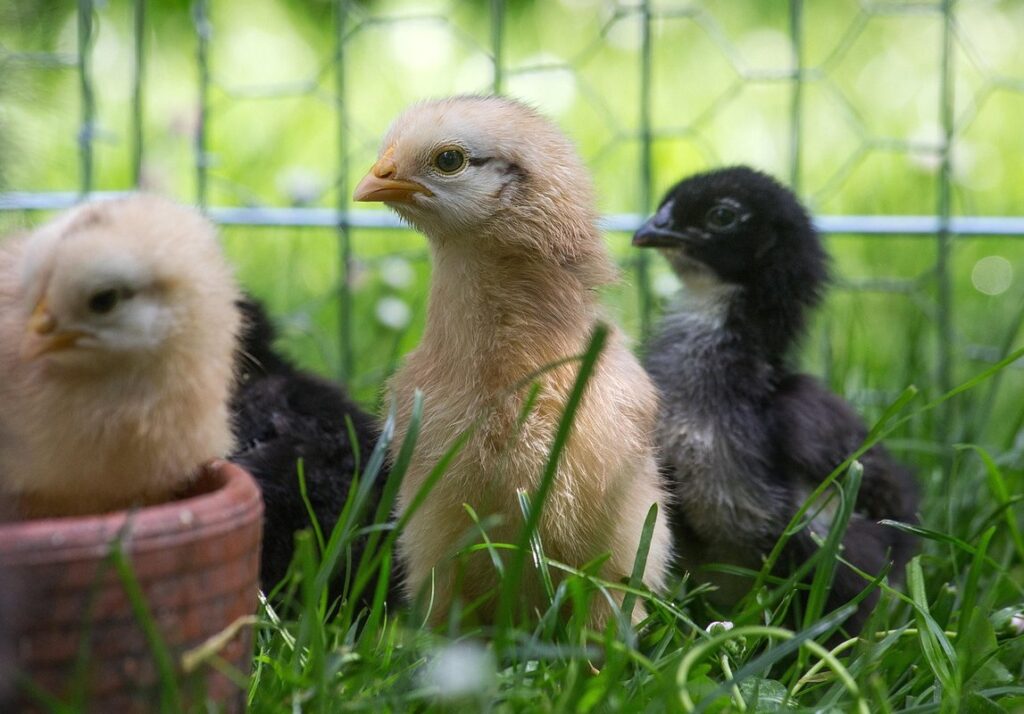
To create effective poultry feed formulations, it’s essential that you understand the nutritional needs of your birds, which can vary depending on their age and breed. Let’s explore the key aspects of poultry nutrition together.
Importance of Nutrient Balance in Poultry Feed
Achieving a balanced nutrient profile is crucial for poultry health, growth, and productivity. A well-formulated feed should provide the right mix of proteins, carbohydrates, fats, vitamins, and minerals to support optimal performance.
When nutrients are out of balance, it can lead to various health issues. For instance, a diet lacking in protein can cause stunted growth and reduced egg production, while excessive protein consumption can result in kidney damage. Similarly, an overabundance of calcium can lead to softened bones and metabolic disorders.
A balanced nutrient profile ensures that poultry receive all the necessary components for proper digestion, energy production, and immune function. It also affects their overall behavior, such as appetite and stress levels. For example, a feed with adequate fiber content helps maintain gut health and prevents digestive issues like diarrhea or constipation.
To achieve optimal balance, poultry producers should consult with a nutritionist to analyze the birds’ nutritional requirements based on factors such as age, breed, sex, and production level. They can then formulate feeds that meet these specific needs, taking into account available feedstuffs and local ingredient quality.
Essential Nutrients for Poultry Growth
When it comes to formulating poultry feed, understanding the essential nutrients required for growth is crucial. Proteins are perhaps the most critical component, as they provide the building blocks for muscle growth and development. Lysine and methionine are two essential amino acids that chickens require in particular, making up about 70% of their protein needs. As a general rule, poultry feed should contain at least 18-20% crude protein to support optimal growth.
Carbohydrates, specifically starches and fibers, provide energy for the birds. Whole grains like wheat, corn, and barley are rich sources of carbohydrates. Aim for a mix of simple and complex carbs to ensure sustained energy release. Fats, although less abundant in poultry feed, play a vital role in absorption of fat-soluble vitamins.
Vitamins like vitamin A, D, E, K, and the B-complex are crucial for overall health, while minerals such as calcium, phosphorus, potassium, sodium, and iron support strong bones, immune function, and energy production. Ensure that your poultry feed formulation includes a balanced mix of these nutrients to support optimal growth and performance in your flock.
Common Poultry Nutritional Deficiencies
As you delve into poultry feed formulation, it’s essential to recognize common nutritional deficiencies that can impact bird health and productivity. Calcium deficiency is a prevalent issue, particularly during egg production stages. Laying hens require adequate calcium to maintain strong eggshell quality, but insufficient intake can lead to cracked or weak shells, decreased egg production, and even fractures.
Vitamin D3 deficiency is another critical concern, often resulting from inadequate sunlight exposure or suboptimal feed formulation. Vitamin D3 plays a vital role in calcium absorption, bone growth, and overall immune function. Symptoms of vitamin D3 deficiency include poor appetite, lethargy, and increased susceptibility to diseases. To mitigate this issue, consider adding vitamin D3 supplements to your feed or providing adequate natural sunlight exposure.
Phosphorus imbalance is also common, particularly if excessive amounts are present in the diet. While phosphorus is essential for energy production and nerve function, excessive intake can lead to kidney damage, bone demineralization, and reproductive issues. Regularly monitor your flock’s nutritional profile to ensure optimal phosphorus levels and avoid over-reliance on commercial feed.
By being aware of these common deficiencies and taking proactive measures, you can create a well-formulated poultry feed that supports the health and productivity of your birds.
Formulating Poultry Feed
When it comes to formulating poultry feed, understanding the nutrient requirements of your birds is crucial to creating a balanced diet. This section will explore how to determine these needs and create an optimal feed recipe.
Overview of Poultry Feed Types
When it comes to formulating poultry feed, understanding the various types of feed is crucial for optimal bird growth and productivity. Different stages of a bird’s life require distinct nutrient profiles, which are achieved through specific feed formulations. For instance, broilers (chickens raised for meat) need high-energy feeds that promote rapid weight gain, whereas layers (hens producing eggs) require feeds rich in calcium to support strong eggshell formation.
Pullets, or young hens, also have unique nutritional needs as they transition from growers to layers. They require a balanced mix of protein, energy, and essential vitamins and minerals for optimal growth and egg production.
In addition to these life stages, different production systems also necessitate specific feed types. For example, meat-type birds are fed high-protein feeds that promote muscle growth, while layer-type birds receive calcium-enriched feeds to support strong eggshell formation.
Choosing the right type of feed is essential for ensuring optimal bird health and productivity. By selecting a feed that meets the specific needs of your flock, you can optimize their performance, reduce the risk of disease, and increase overall profitability.
Key Components in Poultry Feed Formulation
When it comes to formulating poultry feed, understanding the key components is crucial. At its core, poultry feed consists of three main categories: energy sources, protein sources, and additives.
Energy sources provide calories for growth and maintenance. Corn and wheat are common examples, making up a significant portion of most commercial poultry feeds. However, their nutritional value can vary depending on factors like moisture content, quality, and processing methods.
Protein sources, such as soybeans and fish meal, supply essential amino acids for muscle development and repair. These components help meet the dietary needs of chickens at different stages of production. For instance, starter rations require higher protein levels to support rapid growth during the initial weeks after hatching.
Additives like vitamins (A, D3) and minerals (calcium, phosphorus) are vital for overall health, immune function, and optimal performance. Vitamin and mineral supplements can be critical in certain situations, such as when feeding laying hens or during periods of high demand on the flock’s nutritional reserves.
When selecting ingredients, consider factors like digestibility, nutrient content, and availability to ensure a well-balanced feed that meets the specific needs of your poultry operation.
Calculating Nutrient Requirements
Calculating nutrient requirements for poultry is crucial to ensure optimal growth and health. The needs of birds vary across different stages of life, breed types, and production systems. To determine the required nutrients, you need to consider factors like age, weight gain, and energy expenditure.
A simplified calculation can be broken down into several steps:
- Determine the bird’s life stage: Broilers (meat-type), layers (egg-production), or breeders.
- Estimate daily feed intake based on age, weight, and production requirements.
- Calculate the required nutrients using established tables or software, considering factors like energy expenditure for growth, maintenance, and egg-laying.
For example, a broiler chicken at 35 days of age requires approximately 20-22% protein and 1.05-1.15% calcium in its diet to support rapid growth. A layer hen, on the other hand, may require around 16-18% protein and 3.5-4.0% calcium for optimal egg production.
Understanding these requirements is essential for formulating effective poultry feed that supports healthy growth, productivity, and profitability. This calculation process should be performed regularly to adjust nutrient levels according to changing bird needs throughout their life cycle.
Feed Mill Operations
In a feed mill, operations involve managing all aspects of feed production, from raw material storage and processing to weighing and mixing ingredients. Understanding these processes is crucial for formulating quality poultry feed.
Feed Mill Equipment and Machinery
When it comes to processing poultry feed, the equipment and machinery used play a crucial role in ensuring the quality and consistency of the final product. A well-maintained feed mill is essential for producing high-quality feed that meets the nutritional needs of the birds.
In the feed mill, you’ll find various types of equipment, including grinders, mixers, dryers, and extruders. Grinders are used to break down ingredients into smaller particles, while mixers combine the ground ingredients with other nutrients and additives. Dryers remove excess moisture from the feed, helping to prevent spoilage and extend shelf life.
Extruders, on the other hand, use heat and pressure to create a uniform texture and consistency in the feed. Regular maintenance of these machines is vital to ensure they function properly and efficiently. This includes cleaning, lubricating, and replacing worn parts as needed.
By keeping your equipment in good condition, you can help prevent downtime, reduce energy consumption, and improve overall productivity. For example, a study by the American Feed Industry Association found that well-maintained feed mills can experience up to 30% reduction in energy costs. By prioritizing equipment maintenance, you can not only save money but also ensure your poultry feed meets the highest standards of quality and nutrition.
Cleaning and Sanitation Practices
Cleaning and sanitation practices are crucial in feed mill operations to prevent contamination and ensure feed quality. A clean environment is essential for maintaining the nutritional integrity of the feed and preventing disease outbreaks in poultry farms. To achieve this, feed mills must implement strict cleaning and sanitization protocols.
Common cleaning methods include sweeping or vacuuming of floors, walls, and equipment surfaces to remove dust, debris, and dirt. High-pressure washing with a disinfectant solution is also effective for removing stubborn stains and residue. Regular deep-cleaning sessions should be conducted every 2-3 months to ensure the removal of built-up contaminants.
Best practices for maintaining a clean environment include:
* Conducting regular cleaning schedules
* Using personal protective equipment (PPE) for workers
* Ensuring adequate ventilation in feed processing areas
* Implementing proper waste management and disposal procedures
By following these guidelines, feed mill operators can maintain a clean and sanitary environment that supports the production of high-quality poultry feed.
Feed Quality Control
To ensure that your poultry feed is safe for consumption, it’s crucial to implement a robust quality control process from formulation to delivery. This involves strict monitoring and testing of feed ingredients.
Sampling Methods for Poultry Feed
When it comes to ensuring the quality and consistency of poultry feed, proper sampling methods play a crucial role. Sampling is the process of collecting a representative sample of feed from the production line, which is then analyzed for its nutritional content and other parameters.
There are several sampling methods used in poultry feed production, including random sampling, stratified sampling, and composite sampling. Random sampling involves selecting samples at random intervals throughout the production process, while stratified sampling divides the production line into distinct sections or strata and takes separate samples from each section. Composite sampling, on the other hand, involves combining multiple small samples to create a single larger sample.
For example, a feed mill might use stratified sampling by dividing its production line into different batches of feed, each with a unique ingredient blend. Samples are then taken from each batch at regular intervals to ensure that the feed meets the desired nutritional standards. This method is particularly useful for large-scale operations where consistency and quality control are critical. By using these sampling methods, poultry feed manufacturers can ensure that their products meet the required standards and provide optimal nutrition to poultry.
Analyzing Feed Samples
When analyzing feed samples, several key parameters are crucial for determining their nutritional value and overall quality. Moisture content, for instance, is a critical aspect to consider, as excess moisture can lead to mold growth and spoilage, ultimately affecting the bird’s health and performance. Feed manufacturers must accurately test their products’ moisture levels to ensure they meet industry standards.
Crude protein content is another essential factor in feed analysis. It directly impacts the bird’s ability to grow and maintain its weight. Inadequate protein levels can lead to stunted growth or even mortality, while excessive amounts may cause health problems. Calcium levels are also vital for strong bone development and eggshell production in laying hens.
Regularly testing your feed samples allows you to identify areas where adjustments need to be made. This might involve adjusting ingredient ratios or introducing new components to meet specific nutritional requirements. By monitoring these parameters, poultry producers can ensure their birds receive the nutrients they need to thrive.
Future Directions in Poultry Feed Formulation
As we explore the world of poultry feed formulation, it’s essential to consider where this field is headed and how new technologies will shape its future. This section will delve into emerging trends in nutrient management and production efficiency.
Emerging Trends and Technologies
As we continue to explore future directions in poultry feed formulation, it’s essential to acknowledge recent advancements that are revolutionizing the industry. One significant trend is the incorporation of new and alternative ingredients, such as insect-based proteins, algae meal, and single-cell protein. These novel sources not only provide a more sustainable option but also offer improved nutritional profiles compared to traditional feed ingredients.
Another emerging technology is precision nutrition, which involves tailoring diets to specific breed types, ages, and production stages. This personalized approach has shown significant efficiency gains by optimizing nutrient delivery and minimizing waste. Additionally, advances in processing technologies, such as advanced extrusion and pelleting, enable the creation of high-quality feeds with improved digestibility and palatability.
We’re also seeing a shift towards more sustainable feed formulation practices, including upcycling of food waste and the use of microorganisms to enhance nutrient availability. As we move forward, it’s crucial for poultry producers to stay informed about these emerging trends and technologies, allowing them to adapt their feeding strategies and remain competitive in the market.
Conclusion: Best Practices in Poultry Feed Formulation
In conclusion, this comprehensive guide to poultry feed formulation has provided you with a solid foundation for creating high-quality feed for your flock. To summarize, the key takeaways from this guide are:
* A thorough understanding of the nutritional requirements of different breeds and life stages is essential for effective feed formulation.
* Choosing the right ingredients, considering factors like digestibility, availability, and cost, is crucial to ensure optimal nutrient delivery.
* Proper balancing of energy and protein sources is vital for maintaining animal health and performance.
To adopt best practices in poultry feed formulation, consider the following:
* Regularly review and update your feed recipe to reflect changes in market trends, new research findings, or shifts in consumer demand.
* Collaborate with experts in animal nutrition and feed production to ensure you’re using the most effective and efficient formulations.
* Invest in quality control measures to guarantee consistency and accuracy in your feed manufacturing process.
By following these best practices, you’ll be well on your way to creating poultry feed that meets the needs of your animals, while also driving business success.
Frequently Asked Questions
What are the key considerations when selecting a feed ingredient for poultry production?
When choosing feed ingredients, consider factors such as cost-effectiveness, nutritional value, and availability. It’s also crucial to ensure that the chosen ingredients meet your birds’ specific needs based on their age, breed, and production stage. Consider consulting with experts or conducting thorough research before making any changes to your feed formulation.
How do I handle common nutrient deficiencies in poultry feed?
Common deficiencies like protein or vitamin D3 insufficiency can be costly and detrimental to bird health. Regularly monitor your feed samples for nutrient content and adjust formulations accordingly. Additionally, maintain proper storage conditions for ingredients to prevent spoilage, which can further exacerbate nutritional issues.
What are some best practices for maintaining quality control in poultry feed manufacturing?
To ensure high-quality feed production, adhere to strict cleaning and sanitation procedures within the mill. Regularly inspect equipment and machinery for optimal performance, and conduct thorough sampling and analysis of finished feeds. By implementing these measures, you can minimize contamination risks and guarantee that your birds receive safe, nutritious feed.
Can I use alternative ingredients in poultry feed formulations?
Yes, many producers are exploring alternative ingredients like plant-based proteins or locally sourced grains to improve nutritional content and sustainability. However, it’s essential to consult with experts and conduct thorough research on the potential benefits and drawbacks of using these alternatives before implementing them in your feed formulation.
How do I calculate nutrient requirements for a specific poultry operation?
Nutrient requirements can vary significantly depending on factors such as bird breed, age, and production stage. To accurately determine requirements, collect detailed data on your birds’ performance, growth rates, and nutritional needs. Consult with experts or utilize specialized software to help you calculate precise nutrient levels for optimal results.