
Poultry farming can be a lucrative business, but it also comes with its fair share of challenges. One common issue many farmers face is an infestation of poultry lice on their birds. These tiny external parasites can cause discomfort and even lead to serious health problems if left untreated. It’s essential for farmers to know how to effectively treat poultry lice infestations, not only to prevent the spread of disease but also to maintain the overall well-being of their flock. In this comprehensive guide, we’ll walk you through various methods, best practices, and treatment protocols for different bird species, so you can learn how to tackle this issue with confidence. Whether you’re a seasoned farmer or just starting out, our expert advice will help you get your birds back on track in no time.
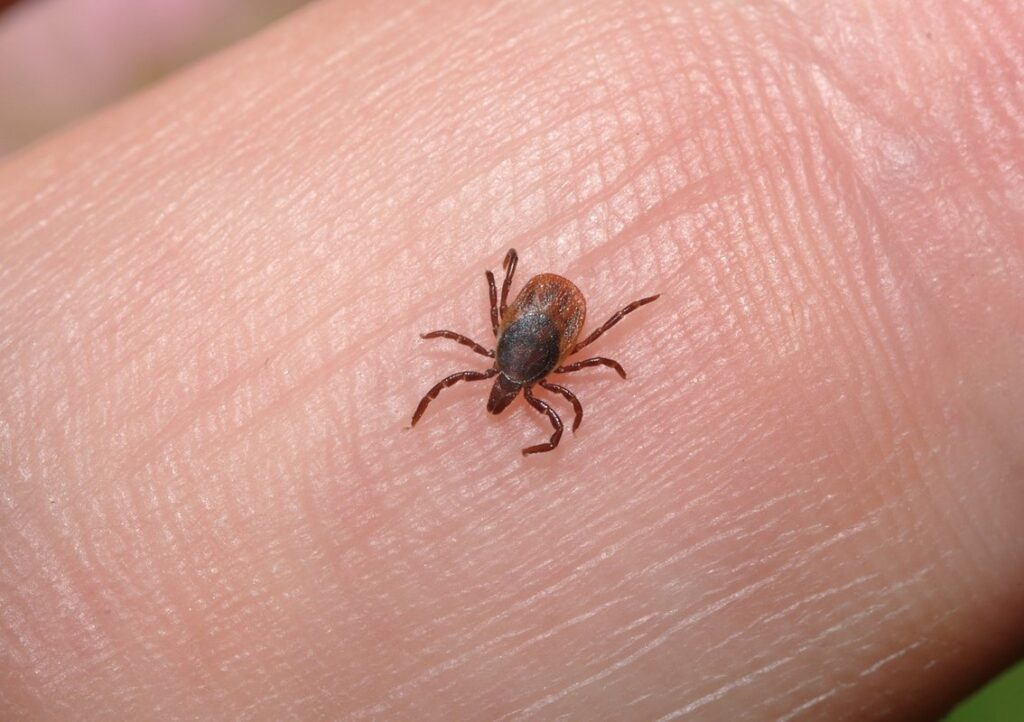
Understanding Poultry Lice
To effectively treat poultry lice, it’s crucial you understand what these parasites are and how they affect your flock. This includes learning their life cycles and common types found on birds.
Types of Poultry Lice
There are three main types of poultry lice that can infest birds: body lice, leg lice, and ear lice. Understanding the differences between these types is crucial for effective treatment and prevention.
Body lice are the most common type of poultry lice and are found on the skin and feathers of chickens and turkeys. They are usually gray or yellow in color and can be seen crawling around the bird’s body. Body lice lay eggs in the feathers, which hatch into live nymphs after about 7-10 days.
Leg lice are smaller than body lice and are found on the legs and feet of birds. They are often mistaken for mites but can be distinguished by their elongated bodies and absence of eyes. Leg lice feed on the blood of birds, causing anemia and weight loss if left untreated.
Ear lice are the least common type of poultry lice and are found in the ears of birds. They are usually gray or white in color and can cause discomfort and inflammation to the bird’s ear canal. All three types of poultry lice require prompt treatment to prevent further infestation and health issues for the bird.
Symptoms and Effects on Birds
When you notice that your birds are infested with poultry lice, it’s essential to recognize the common symptoms and effects of this issue on their overall health. One of the most significant effects is weight loss due to the constant itching and stress caused by these parasites. As a result, affected birds may exhibit a decrease in appetite, leading to malnutrition.
Another critical consequence of poultry lice infestation is reduced egg production in laying hens. The presence of lice can cause significant stress on the bird’s reproductive system, resulting in fewer eggs being laid or irregular laying cycles.
Birds with severe lice infestations may also show signs of anxiety and restlessness, often pacing back and forth in their enclosures or engaging in other abnormal behaviors. In addition to these external symptoms, internal effects such as anemia can occur if the infestation is left untreated for a prolonged period.
Why Early Detection is Key
Detecting poultry lice early is vital to prevent severe infestations that can significantly impact flock health and productivity. Regular monitoring and inspection are essential for catching signs of lice before they spread.
Start by observing the behavior of your birds closely, particularly around the neck, back, and vent areas where lice tend to congregate. Look out for excessive pecking or scratching, as these behaviors can be indicative of a lice infestation. It’s also crucial to check for visible signs like eggs, nits, or actual lice crawling on your birds.
In some cases, lice may not be immediately apparent and might only be detected during routine health checks. Schedule regular inspections to catch any potential issues early. Consider implementing a schedule where you inspect flocks weekly, taking note of any changes in behavior, appetite, or overall health.
If left untreated, poultry lice can lead to anemia, reduced growth rates, and weakened immune systems in your birds. Regular monitoring is the first line of defense against these consequences, making early detection key to preventing severe infestations.
Identifying Poultry Lice Infestations
Identifying a poultry lice infestation can be challenging, but knowing the signs and symptoms will help you determine if your flock is affected. Look for excessive preening, feather loss, and even anemia in birds.
Visual Inspection Methods
When conducting a visual inspection to identify signs of poultry lice infestations, several methods can be employed. One effective approach is to check the birds’ feathers for mites and eggs. Lice often attach themselves to the bird’s plumage, making this area particularly susceptible to infestation.
Inspecting legs, on the other hand, may reveal evidence of irritation or skin damage caused by lice feeding. A closer examination of the vent area can also indicate signs of lice presence. The vent is a prime location for lice due to its warmth and moisture, making it an ideal breeding ground.
To perform these visual inspections effectively, use good lighting and gently part the bird’s feathers to reveal any potential issues. It may be helpful to look for lice or eggs on areas such as around the neck, back, and tail. When inspecting the vent area, pay particular attention to the skin beneath the vent flap.
It is essential to remain vigilant during these inspections, as a single missed sign can lead to prolonged infestation and potentially affect overall bird health. Regular monitoring will allow you to catch issues early on, facilitating prompt treatment and minimizing potential damage.
Using Diagnostic Tools
When it comes to identifying poultry lice infestations, diagnostic tools can be a game-changer. A magnifying glass or specialized lice-detecting lamp can help you spot even the smallest signs of lice activity on your birds.
These tools work by allowing you to examine the birds’ plumage more closely than with the naked eye. For example, a lice-detecting lamp emits a specific wavelength of light that makes it easier to see the tiny eggs and live mites on the bird’s skin. By using one of these lamps, you can spot lice activity earlier, which is crucial for effective treatment.
To use a magnifying glass or lice-detecting lamp effectively, start by examining areas where lice tend to congregate, such as around the eyes, ears, and under the wings. Look for signs like tiny eggs, live mites, or empty eggshells left behind by hatched mites. If you suspect an infestation, use a sample from one bird to test the rest of the flock.
Remember, early detection is key when it comes to treating poultry lice infestations. With the right diagnostic tools and a keen eye for detail, you can identify problems before they get out of hand.
Treatment Options for Poultry Lice
When it comes to getting rid of poultry lice, choosing the right treatment is crucial. Here are some effective options you can consider for your flock’s relief.
Chemical Treatments
Chemical treatments are often the go-to solution for poultry lice infestations due to their quick and effective results. When it comes to choosing a chemical treatment, there are two main types: topical medications and oral medications.
Topical medications work by directly applying the treatment to the affected areas of the bird’s body. Examples include permethrin sprays and ivermectin pour-ons. These products typically require multiple applications over several days or weeks to ensure complete removal of the lice infestation. It’s essential to carefully follow the product instructions for application rates and timing to avoid under- or over-treating your birds.
Oral medications, on the other hand, are ingested by the birds, providing a more systemic treatment approach. Medications like ivermectin and moxidectin are commonly used orally to control poultry lice infestations. These products typically require only one administration, but their effectiveness may vary depending on the severity of the infestation.
When selecting a chemical treatment, consider factors such as the type of lice present, the age and size of your birds, and any potential health risks associated with the medication. Always read and follow product labels carefully to ensure safe use. Consult with a veterinarian or poultry expert if you’re unsure about which treatment option is best for your flock.
Alternative Methods
When it comes to treating poultry lice infestations, you may want to consider alternative methods that don’t involve harsh chemicals. Diatomaceous earth is a popular option for controlling lice populations. This natural powder works by dehydrating the lice, causing them to die within 24 hours. To use diatomaceous earth effectively, sprinkle it liberally over the birds’ bedding or directly on their feathers.
Sulfur dust is another effective alternative to chemical treatments. It’s often used in conjunction with other methods to provide a comprehensive treatment plan. When using sulfur dust, be sure to follow the manufacturer’s instructions and take necessary precautions to avoid inhalation. Essential oils such as tea tree oil and lavender oil have also shown promise in controlling poultry lice infestations. Mix a few drops of these oils with water and spray it directly on the birds’ feathers or in their living area.
These alternative methods can be used alone or in combination with other treatments to provide effective relief from poultry lice infestations. Remember, prevention is key – regular cleaning and monitoring of your flock’s health can help prevent future infestations.
Preventing Future Infestations
Now that you’ve successfully treated your flock for poultry lice, let’s focus on preventing future infestations from occurring in the first place. We’ll explore ways to keep your birds lice-free long-term.
Biosecurity Measures
Effective biosecurity measures are crucial to preventing future poultry lice infestations. To maintain a healthy and lice-free flock, it’s essential to establish proper hygiene practices, sanitation protocols, and quarantine procedures.
Start by ensuring that all personnel entering the coop wear clean clothing and remove any personal protective equipment (PPE) before handling birds or equipment. This simple step can significantly reduce the risk of introducing lice into your flock. Additionally, maintain a strict cleaning schedule for the coop, focusing on high-touch areas like feeders, waterers, and nesting boxes.
When introducing new birds to your flock, implement a 30-day quarantine period to allow for any potential lice infestations to manifest. This proactive measure will help prevent the spread of lice and other diseases within your flock.
Remember, a clean environment is key to preventing future infestations. Regularly inspect your coop and surrounding areas for signs of lice, such as eggs, nymphs, or adult lice, and take swift action if you detect any issues.
Integrated Pest Management (IPM)
When it comes to managing poultry lice populations, Integrated Pest Management (IPM) is an essential approach that should be implemented alongside treatment methods. IPM involves a holistic strategy that considers the unique needs of each farm and its environment. By adopting an IPM mindset, you can reduce the reliance on chemical treatments and create a more sustainable and efficient pest management system.
To implement IPM effectively, start by identifying potential risk factors such as poor sanitation, inadequate ventilation, and overcrowding. Regularly monitoring your flock’s health and behavior will also help you detect any early signs of lice infestation. Implementing biosecurity measures like proper cleaning and disinfection procedures can prevent the spread of lice within the farm.
It’s also crucial to maintain a clean and organized coop by removing soiled bedding, cleaning feeding and watering equipment regularly, and ensuring adequate space for your birds to move around freely. By adopting these IPM strategies, you’ll be able to reduce the risk of re-infestation and create an environment that promotes the overall health and well-being of your flock.
Treatment Protocols for Different Bird Species
When treating poultry lice, it’s essential to consider the specific needs of various bird species, from chickens and turkeys to ducks and geese. We’ll explore tailored treatment protocols for each type.
Broiler Chickens
Broiler chickens are one of the most commonly affected bird species by poultry lice infestations. Effective treatment requires a tailored approach to their specific needs and life cycle. When treating broilers for lice, it’s essential to use registered products specifically labeled for this purpose.
For most commercial-grade products, the recommended dosage rate is 1-2 mL per liter of drinking water or through a carrier such as oil or powder. However, always follow the product instructions and consult with your veterinarian before initiating treatment. It’s also crucial to treat the entire flock at once to prevent re-infestation.
Treatment application frequencies depend on the severity of the infestation and may need to be repeated after 7-10 days if lice are still present. In severe cases, a second or even third treatment might be necessary. It’s essential to monitor your birds closely during this time, ensuring they have access to clean water and adequate nutrition throughout the treatment process.
When selecting products for broiler chicken flocks, look for those that are registered for use in poultry and contain active ingredients like permethrin, diazinon, or amitraz. These chemicals have shown efficacy against various lice species, including the common fowl louse and body louse.
Layers and Turkeys
When it comes to treating poultry lice on layers and turkeys, the approach may differ slightly from broiler chickens. This is because these birds are often kept for longer periods, which can impact the effectiveness of certain treatments.
For layers, treatment protocols typically focus on preventing re-infestation, as these birds will continue to produce eggs even after treatment. Medications like ivermectin or permethrin can be used to treat lice infestations in layers, but it’s essential to follow label instructions carefully and ensure the product is specifically labeled for use on egg-laying hens.
Turkeys, on the other hand, may require a slightly different approach due to their unique physiology. For example, some products that are effective against poultry lice in broilers may not be suitable for turkeys. Always consult with your veterinarian before administering any medication to your flock, especially if they’re being used for food production.
When treating layers and turkeys, it’s crucial to consider the long-term implications of treatment on the birds’ health and productivity. Regular monitoring and follow-up treatments as necessary can help prevent re-infestation and minimize disruption to your operation.
Best Practices for Poultry Lice Treatment
When it comes to treating poultry lice, it’s not just about applying a quick fix – establishing good hygiene and management practices is key to long-term success. Here are the essential best practices you need to know.
Record Keeping
Accurate record keeping is vital for monitoring the effectiveness of treatments and preventing re-infestations. To achieve this, poultry farmers should establish a thorough record-keeping system that includes details on treatment applications, pest populations, and environmental conditions.
This involves maintaining a logbook or spreadsheet with the following information:
* Treatment dates and types (e.g., permethrin or pyrethrin)
* Dosage rates and application methods
* Monitoring data (e.g., number of live lice, mite counts)
* Environmental factors (temperature, humidity, ventilation)
* Any notable changes in bird behavior or health
Regularly reviewing these records will help farmers identify patterns and areas for improvement. For example, if treatment effectiveness is inconsistent, it may be due to inadequate application rates or insufficient drying time between treatments.
By keeping accurate records, poultry farmers can refine their treatment protocols and maintain a lice-free environment, ultimately reducing the risk of disease transmission and improving overall bird health.
Training and Education
Training and education are crucial components of successful poultry lice treatment. As a poultry farmer, it’s essential to understand not only the most effective methods for treating infestations but also the proper handling and care procedures to prevent re-infestation. This involves recognizing signs of lice infestations early on, such as excessive scratching or droppings around bird nests.
To effectively handle and treat infested birds, poultry farmers should follow strict biosecurity measures. This includes isolating affected birds from the rest of the flock, thoroughly cleaning and disinfecting equipment and living areas, and wearing protective clothing to prevent cross-contamination.
Some essential training topics for poultry farmers include understanding lice life cycles, recognizing different types of lice infestations, and learning how to properly use treatment products. It’s also vital that farmers stay up-to-date on the latest research and developments in poultry lice control. This ensures they have access to the most effective and safe treatments available.
By investing time and effort into training and education, poultry farmers can significantly improve their chances of successfully treating infestations and maintaining a healthy flock.
Frequently Asked Questions
What are some common mistakes to avoid when treating poultry lice infestations?
When treating poultry lice, it’s essential to avoid using chemical treatments as a sole solution, as this can lead to resistance and further complications. Instead, adopt an integrated pest management (IPM) approach that combines multiple methods, such as improved biosecurity measures, regular cleaning and disinfection of equipment, and monitoring for signs of infestation.
How often should I re-treat my flock after initial treatment?
Re-treatment frequency depends on the severity of the infestation and the type of lice present. Generally, it’s recommended to re-treat 7-10 days after initial treatment to ensure all stages of the parasite are eliminated. However, for severe cases or persistent infestations, more frequent re-treatment may be necessary.
What role does sanitation play in preventing future poultry lice infestations?
Sanitation is crucial in preventing future poultry lice infestations. Regularly cleaning and disinfecting equipment, removing debris and manure, and maintaining good ventilation can help reduce the likelihood of re-infestation. Additionally, ensuring all birds have access to clean water and a balanced diet will also contribute to their overall health and resilience.
How can I ensure my entire flock is treated effectively, even in areas difficult to reach?
To ensure thorough treatment, use a combination of methods such as dusting or powders applied directly to the bird’s skin and feathers, followed by systematic removal of lice-infested birds from the main flock. For hard-to-reach areas, consider using diagnostic tools like fine-toothed combs or specialized brushes to detect and remove lice.
What are some alternative methods for treating poultry lice, besides chemical treatments?
Alternative methods include the use of diatomaceous earth (DE), which dehydrates and kills lice by abrasive action. Another option is the application of essential oils like tea tree oil or lavender oil, which have been shown to repel and kill lice. However, always consult with a veterinarian before introducing new treatments to ensure their safety and efficacy for your flock.