
As a farm owner or manager, you’re likely no stranger to dealing with poultry waste. But did you know that this “waste” can actually be turned into a valuable resource? By composting poultry manure, you can not only reduce waste and environmental impact but also generate revenue through the sale of nutrient-rich fertilizer. In this article, we’ll explore the benefits, methods, and best practices for successful manure composting on your farm. We’ll delve into the process of transforming raw manure into a valuable commodity, covering topics such as setting up a composting operation, maintaining optimal carbon-to-nitrogen ratios, and harvesting high-quality compost. Whether you’re looking to reduce costs, increase revenue, or simply do your part for the environment, this guide will show you how to turn poultry manure into a goldmine.
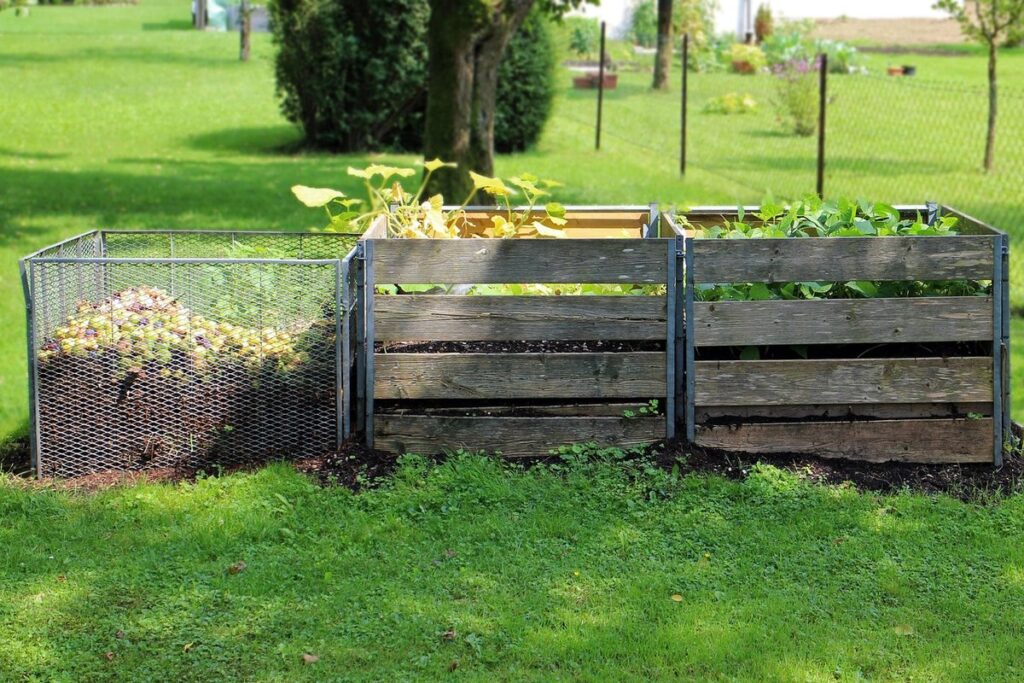
Benefits and Importance of Poultry Manure Composting
Composting poultry manure not only reduces waste but also has numerous benefits for your farm, including improved soil fertility and reduced environmental pollution. Let’s explore these advantages in more detail.
Environmental Impact of Untreated Manure
Untreated poultry manure can have severe and far-reaching consequences on the environment. One of the most significant concerns is water pollution. When poultry manure is not properly managed, it can leach into nearby water sources, causing an overabundance of nutrients such as nitrogen and phosphorus. This can lead to eutrophication, where excess nutrients stimulate the growth of algae, depleting oxygen levels in the water and harming aquatic life.
Soil degradation is another critical issue associated with untreated poultry manure. The high concentration of pathogens, heavy metals, and ammonia in untreated manure can contaminate soil, making it unsuitable for agricultural use. This not only reduces crop yields but also poses health risks to humans who come into contact with the contaminated soil.
Furthermore, untreated poultry manure is a significant source of greenhouse gas emissions. The decomposition process releases methane, a potent greenhouse gas that contributes to climate change. In contrast, composting poultry manure creates a stable, nutrient-rich product that can be safely used as fertilizer, reducing the risk of environmental pollution and promoting sustainable agriculture practices. By adopting composting methods, farmers can significantly minimize the negative environmental impacts associated with untreated poultry manure.
Economic Benefits of Composting
Composting poultry manure not only reduces environmental pollution but also brings significant economic benefits to farmers. One of the most substantial advantages is cost savings on waste disposal. Traditional methods of disposing of poultry manure, such as landfilling or incineration, can be expensive and may require additional equipment and labor.
By composting poultry manure, farmers can reduce their waste disposal costs by up to 50%. This is achieved through the reduction in volume of the waste material, which becomes easier to manage and transport. Additionally, composting enables farmers to create a valuable product – nutrient-rich compost that can be sold to gardening enthusiasts or used on-farm as fertilizer.
In fact, some farms have started selling their compost products to generate additional revenue streams. According to a study by the US Environmental Protection Agency (EPA), compost sales generated $2 billion in revenue for farmers in 2020 alone. With proper marketing and branding, farmers can tap into this lucrative market and increase their bottom line.
Types of Poultry Manure Composting Systems
There are several types of composting systems designed specifically for poultry manure, each with its own unique benefits and applications. Let’s explore some of these options to determine which one works best for your farm.
In-Vessel Composting
In-vessel composting is a method that involves breaking down poultry manure within a contained vessel, allowing for precise control over temperature and carbon-to-nitrogen (C:N) ratios. This controlled environment enables the decomposition process to occur efficiently, resulting in high-quality end-products.
The benefits of in-vessel composting are numerous. For instance, it minimizes odors and pests that can be associated with traditional composting methods. By maintaining optimal temperatures between 130°F to 140°F (54°C to 60°C), pathogens and weed seeds are killed off, ensuring the final product is safe for agricultural use.
To achieve success with in-vessel composting, it’s essential to maintain a C:N ratio of 20:1 to 30:1. This balance allows for efficient decomposition without excess ammonia production. Regular monitoring of temperature, moisture levels, and pH is also crucial to prevent imbalances that can hinder the process.
By following these guidelines, you can produce high-quality compost using in-vessel systems, which can help improve soil structure, fertility, and overall crop yields while reducing waste management costs for farms.
Windrow Composting
Windrow composting is an efficient and cost-effective method of managing poultry manure waste. This approach involves piling the manure in long rows or windrows, typically 3-6 feet high and 10-15 feet wide. As the pile breaks down, it’s turned regularly to ensure aeration and even decomposition.
One of the significant advantages of windrow composting is its low capital costs. Since it doesn’t require specialized equipment, farmers can start implementing this method without investing heavily in infrastructure. Additionally, windrows can be built on existing farm land, minimizing the need for additional space.
However, odor control can be a challenge with windrow composting. As the manure breaks down, ammonia and other volatile compounds are released, potentially causing unpleasant odors. To mitigate this issue, farmers can implement strategies such as incorporating carbon-rich materials like straw or wood chips into the pile, which help neutralize odors.
Regular turning of the windrows also helps control odor and speed up decomposition. It’s essential to maintain a balance between moisture levels, aeration, and temperature to ensure efficient composting. By following these guidelines, farmers can successfully implement windrow composting and reduce their environmental footprint while managing poultry manure waste sustainably.
Preparation and Processing of Poultry Manure
To effectively utilize poultry manure as a valuable resource, it’s essential to understand the preparation and processing steps involved in transforming raw waste into nutrient-rich compost. We’ll walk you through these crucial processes next.
Collection and Storage
Collecting and storing poultry manure is an essential step in preparing it for composting. To ensure that the manure is suitable for composting, farmers should focus on minimizing odors, reducing pests and diseases, and maintaining its nutrient-rich properties.
When collecting poultry manure, it’s crucial to do so regularly to prevent overloading and creating anaerobic conditions that promote pathogens and odor production. A good rule of thumb is to collect the manure at least once a day for small-scale farms or every few days for larger operations. Use a front-end loader, tractor-mounted scraper, or even manual raking to minimize disturbance and prevent spreading disease.
Storing the collected manure requires careful consideration as well. Choose dry, well-ventilated areas with adequate drainage to prevent water accumulation and anaerobic conditions. Covering the storage area with a tarp or plastic sheet can help keep it dry and reduce odors. Regular turning of the stored manure is also necessary to maintain its oxygen levels and prevent matting.
It’s worth noting that some farms opt for in-vessel composting, where the manure is collected and stored within an enclosed container. This approach helps minimize odor emissions and disease transmission while promoting more efficient composting processes.
Mixing with Carbon-Rich Materials
When handling poultry manure composting, one crucial aspect to consider is balancing its high nitrogen content with adequate carbon-rich materials. This is where adding bedding or crop residues becomes essential. These materials not only absorb excess moisture but also provide the necessary carbon-to-nitrogen (C:N) ratio for effective decomposition.
A general rule of thumb is to maintain a C:N ratio between 20:1 and 30:1 during the composting process. Bedding materials such as straw or wood shavings are excellent choices, providing both carbon content and bulking agents that help aerate the pile. Alternatively, crop residues like corn stalks or wheat straw can be added in moderation.
When selecting bedding or crop residues for mixing with poultry manure, consider factors such as moisture levels, temperature tolerance, and nutrient contribution to the composting process. A mix of 1 part bedding to 4 parts manure is a common starting point, but adjust ratios based on specific needs. By incorporating these carbon-rich materials, you can create an optimal environment for decomposition and produce a high-quality compost product.
Composting Process and Monitoring
Now that we’ve covered the basics of poultry manure composting, let’s dive into the specifics of how to monitor and control the composting process effectively.
Temperature Management
Temperature management is a critical aspect of composting poultry manure. To achieve optimal conditions, it’s essential to monitor and control temperatures throughout the process. Thermometers can be installed in the pile to track temperature fluctuations, which typically start within 2-3 days of mixing green materials with brown carbon-rich materials.
The goal is to maintain temperatures between 130°F and 140°F (54°C to 60°C) for several hours a day. This heat will help break down organic matter and kill pathogens. However, if the temperature exceeds 160°F (71°C), it can lead to fires or damage to the compost pile. To prevent this, it’s crucial to aerate the pile regularly by turning or mixing it.
Monitoring temperature is also important for determining when the composting process is complete. Typically, the temperature will drop below 100°F (38°C) once the breakdown of organic matter is complete. By controlling and monitoring temperatures, you can ensure that your poultry manure compost is produced efficiently and safely, reducing the risk of contamination or environmental harm.
Oxygenation and Turning
Oxygenation is crucial in composting poultry manure to ensure that microorganisms break down organic matter efficiently. When microorganisms consume nutrients and oxygen, they produce heat, which helps kill pathogens and weed seeds. However, without sufficient aeration, the pile can become anaerobic, leading to unpleasant odors, ammonia release, and reduced quality of the final compost product.
To avoid these issues, it’s essential to turn your compost pile regularly. Turning ensures that the pile maintains an optimal C:N ratio by distributing heat evenly throughout the material. This process also prevents hot spots, which can lead to scorching or kill-off of beneficial microbes.
You should aim to turn your compost pile at least once a week, ideally every three days for large-scale operations. Use a mechanical turner or pitchfork to gently mix the materials without compacting them. Maintain a height of about 3-4 feet and ensure adequate space between each layer for air circulation. Remember that moisture content plays a significant role in composting – maintaining an optimal level between 50-60% will help prevent anaerobic conditions.
Challenges and Troubleshooting in Poultry Manure Composting
While composting poultry manure can be a rewarding process, you may encounter some challenges that can affect the quality of your finished product and your overall success. Let’s tackle some common issues you might face.
Common Issues and Their Solutions
One of the most significant challenges in poultry manure composting is managing odors. These unpleasant smells can not only be a nuisance but also attract pests and create health concerns for nearby residents. To address odor issues, it’s essential to maintain adequate aeration throughout the composting process. This involves ensuring that the pile is regularly turned or aerated to prevent anaerobic conditions from developing.
Another common problem in poultry manure composting is an inadequate carbon-to-nitrogen (C:N) ratio. This imbalance can lead to slow decomposition rates, unpleasant odors, and reduced compost quality. To solve this issue, farmers can add bulking agents such as wood chips or straw to increase the C:N ratio. A general rule of thumb is to maintain a 2:1 or 3:1 C:N ratio for effective decomposition.
Regular monitoring of temperature, moisture, and pH levels can also help identify potential issues early on. By taking proactive steps to address these common problems, farmers can ensure successful and odor-free poultry manure composting.
Best Practices for Maintaining Quality
Maintaining high-quality compost throughout the poultry manure composting process is crucial to ensure that it meets the required standards for use as a nutrient-rich fertilizer. To achieve this, regular monitoring of key parameters like pH, moisture content, and temperature is essential.
pH levels should be maintained between 6.5 and 7.5, which allows for optimal microbial activity. Regularly checking the pH using pH test kits will help you make necessary adjustments to maintain this range. You can also consider incorporating bulking agents or acidic materials to lower or raise the pH as needed.
Monitoring moisture content is equally important, as it affects both the composting process and the final product’s quality. The ideal moisture level should be around 50-60%, which helps maintain a suitable environment for microbial activity. Excessive dryness can lead to reduced decomposition rates, while too much moisture can result in anaerobic conditions.
Temperature is another critical factor that needs to be monitored regularly. It typically reaches its peak between the 7th and 14th days of composting. Ensure that it doesn’t exceed 60°C (140°F), as this can cause nutrient loss and reduce the quality of the final product.
By monitoring these key parameters, you’ll be able to identify potential issues early on and make necessary adjustments to maintain high-quality compost throughout the process.
Marketing and Sales Opportunities in Poultry Manure Composting
As you explore opportunities for turning poultry manure compost into a valuable commodity, let’s dive into the marketing and sales potential that can help your business thrive.
Value-Added Products
By turning composted poultry manure into value-added products, farmers can not only reduce waste but also generate additional revenue streams. One potential product is organic fertilizers, which are made by mixing composted manure with other natural ingredients like peat moss or coconut coir. These fertilizers can be marketed as environmentally friendly alternatives to synthetic fertilizers and sold directly to consumers or garden centers.
Another value-added product is biopesticides, which are derived from the beneficial microorganisms present in composted manure. These microorganisms can be used to control pests and diseases without harming the environment. Farmers can create their own biopesticides by fermenting composted manure with other natural ingredients like hot peppers or garlic.
To get started, farmers should research local demand for these products and identify potential markets. They should also consider obtaining certifications like OMRI (Organic Materials Review Institute) to ensure compliance with organic standards. By creating value-added products from composted poultry manure, farmers can turn a waste management challenge into a profitable business opportunity.
Revenue Streams and Business Models
Monetizing poultry manure composting operations is crucial to sustain business and ensure long-term viability. Farmers can explore various revenue streams and business models tailored to their specific needs and resources. One approach is to sell high-quality compost directly to farmers, gardeners, or landscapers seeking organic amendments for their soil. This model requires establishing relationships with local buyers and ensuring consistent supply.
Another revenue stream is value-added products derived from the composting process. These can include nutrient-rich fertilizers, biochar, or even energy-generating biomass. For example, some farms produce and sell “composted tea” – a liquid solution rich in beneficial microbes that improve soil health when applied to crops. Farmers can also explore co-composting agreements with neighboring farms, where they accept waste from other operations in exchange for shared resources or revenue.
When designing a business model, consider the initial investment required for composting infrastructure and operational costs. Start by identifying your target market, assessing their needs and willingness to pay for high-quality compost products. Develop a pricing strategy that balances profitability with customer affordability.
Frequently Asked Questions
How can I scale up my poultry manure composting operation to meet increasing demand?
As your operation grows, it’s essential to ensure that you have sufficient infrastructure to manage the increased volume of manure. Consider investing in larger equipment or even building a dedicated composting facility. Additionally, think about implementing automation processes to streamline operations and improve efficiency.
What are some common mistakes to avoid when mixing carbon-rich materials with poultry manure?
When combining these two materials, it’s crucial to maintain the optimal carbon-to-nitrogen (C:N) ratio of 25:1 to prevent ammonia release and ensure effective decomposition. Avoid overmixing, which can lead to aeration issues and contamination. Monitor temperature, pH, and moisture levels regularly to catch any potential problems early.
Can I compost poultry manure from different types of birds together?
It’s generally recommended to compost manure from the same species or type of bird together, as this helps maintain consistent nutrient levels and minimizes the risk of disease transmission between species. However, if you’re looking to create a blend of different products, research specific guidelines for combining manures from various sources.
How can I ensure my composted poultry manure meets regulatory requirements?
Familiarize yourself with local regulations regarding fertilizer production, labeling, and sales. Conduct regular testing for heavy metals, pathogens, and nutrient content to meet or exceed industry standards. Consider obtaining third-party certifications like OMRI (Organic Materials Review Institute) or USDA BioPreferred to demonstrate your commitment to quality.
What are some creative ways to market my value-added poultry manure products?
Consider partnering with local nurseries, gardening clubs, or educational institutions to offer workshops and demonstrations showcasing the benefits of using composted poultry manure. Develop a strong online presence through social media, email newsletters, and website content highlighting the unique features and environmental benefits of your products.