
As a backyard flock owner, you know how crucial protecting your birds from predators is. But have you considered the best material to safeguard your chickens? Poultry netting and hardware cloth are two popular options for enclosures, but they’re not created equal. Understanding their benefits, installation requirements, and maintenance needs will help you decide which one is right for you.
When it comes to poultry netting vs hardware cloth, each has its advantages and disadvantages. For instance, poultry netting provides a mesh-like barrier that’s gentle on your birds’ feathers while keeping predators out. On the other hand, hardware cloth offers stronger protection with smaller openings, but it can be more expensive and difficult to install. In this article, we’ll break down the key differences between these two materials, helping you make an informed decision for your backyard flock.
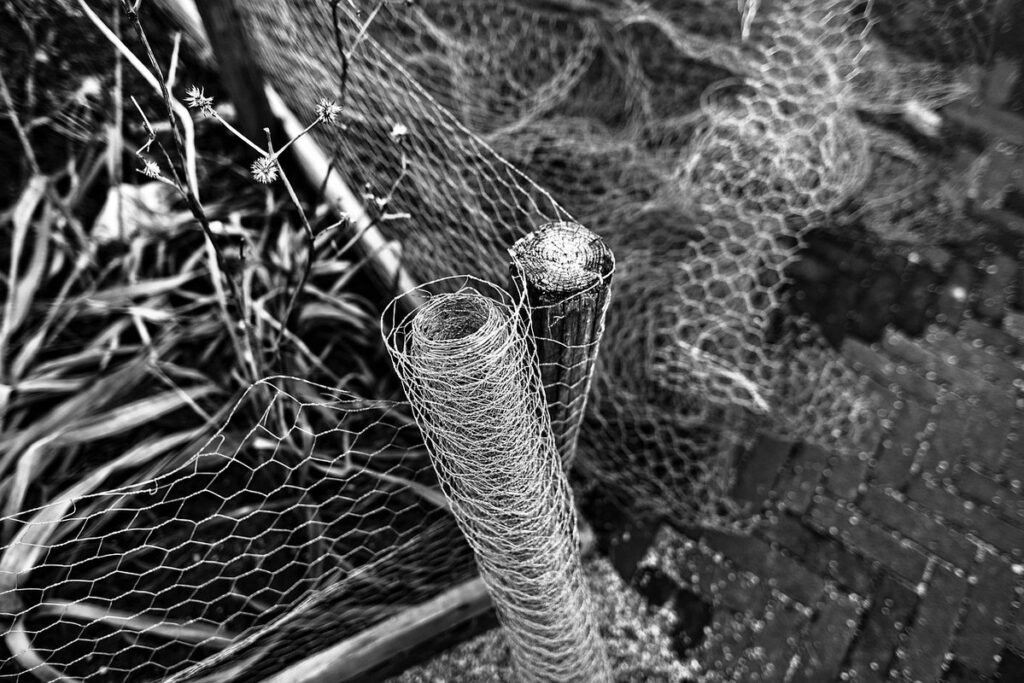
Introduction to Poultry Netting and Hardware Cloth
When it comes to protecting your flock, you’re likely considering two popular options: poultry netting and hardware cloth. Let’s dive into what each one is designed for.
Definition and Purpose of Each Material
When it comes to poultry keeping, two popular materials stand out: poultry netting and hardware cloth. Understanding their definitions, purposes, and intended uses is essential for choosing the right solution for your flock.
Poultry netting is a mesh material typically made from polypropylene or nylon, designed to allow airflow while keeping predators out. Its mesh size varies depending on the product, but it usually ranges from 1 to 4 inches. Poultry netting is ideal for applications where easy cleaning and minimal weight are crucial, such as chicken runs and coop enclosures. It’s also a cost-effective option, making it a popular choice among backyard farmers.
Hardware cloth, on the other hand, is a heavier-duty material made from metal wire mesh (usually galvanized steel or aluminum). Its mesh size is typically larger than poultry netting, ranging from 1 to 6 inches. Hardware cloth is used for more robust applications, such as securing chicken runs and coop doors, where durability and predator resistance are essential. It’s also commonly used for constructing deer-proof fencing.
Understanding the unique characteristics of each material will help you decide which one suits your needs best.
Brief History of Their Development and Adoption
Both poultry netting and hardware cloth have been used for decades to protect birds from predators. Poultry netting originated in Europe in the 19th century as a means to prevent bird attacks on gardens and crops. Initially, it was made of coarse wire mesh that provided limited protection.
As agriculture and animal husbandry practices evolved, so did the design and materials used for poultry netting. In the early 20th century, farmers began using finer gauge wires, increasing the strength and durability of the mesh. This innovation led to wider adoption of poultry netting as a reliable solution for protecting small-scale flocks.
Hardware cloth, on the other hand, emerged in the United States during World War II. Initially used for military applications, its durable and versatile properties made it an attractive option for animal enclosures. By the 1950s, hardware cloth had become a staple in commercial poultry operations, prized for its strength and ease of installation.
Over time, both materials have undergone improvements in manufacturing processes, resulting in lighter weight options without sacrificing protection. Today, poultry netting and hardware cloth are widely available in various mesh sizes and weights to suit specific flock needs.
Advantages of Poultry Netting
When it comes to protecting your flock from predators and securing their enclosures, poultry netting has some compelling benefits that set it apart from hardware cloth. Let’s explore these advantages in more detail.
Ease of Installation and Portability
One of the significant advantages of poultry netting is its ease of installation and portability. This makes it an ideal solution for farmers who need to set up and take down their fencing frequently, such as those with seasonal flocks or those that require temporary protection.
Setting up a poultry netting system is relatively quick and straightforward. Most kits come with easy-to-follow instructions, and the lightweight materials make it simple to maneuver into place. With some basic tools like wire cutters and pliers, you can have your flock enclosed in no time. This ease of installation also means that you can move your netting as needed, whether it’s to protect new areas of your yard or to accommodate changing weather conditions.
What’s more, poultry netting is often designed with portability in mind, making it simple to disassemble and store when not in use. This is particularly useful for farmers who need to transport their fencing from one location to another.
Versatility in Design and Size Options
When it comes to accommodating different coop designs and flock needs, poultry netting offers a range of versatile options. One of the key benefits is its availability in various shapes and sizes to fit unique spaces. For instance, you can choose from square, rectangular, or even circular enclosures, depending on your coop’s layout.
In addition to these standard shapes, poultry netting also comes in a variety of configurations that cater to specific needs. Some options include walk-in pens for easy access, nesting boxes for egg collection, and feeding and watering systems integrated into the enclosure. These configurations ensure a smooth and efficient operation, saving you time and effort in managing your flock.
Moreover, poultry netting can be easily customized to fit existing coop structures or integrated with new builds. You can choose from different mesh sizes to control ventilation, predator protection, and pest management. This flexibility makes it an ideal choice for hobby farmers, backyard chicken keepers, and large-scale commercial operations alike, ensuring that your flock remains safe and healthy while you enjoy the freedom to design and configure their living space according to your needs.
Benefits of Hardware Cloth
As you weigh the options for protecting your flock, it’s essential to understand the benefits of hardware cloth, a durable and long-lasting solution. Its versatility makes it an ideal choice for various poultry applications.
Durable and Long-Lasting
When it comes to protecting your flock from predators and harsh weather conditions, durability is key. Hardware cloth excels in this aspect, offering a long-lasting solution that requires minimal maintenance. Its sturdy metal mesh resists corrosion, ensuring it withstands the elements for years to come.
Unlike other materials that may fray or weaken over time, hardware cloth maintains its structure and integrity even after exposure to rain, snow, and extreme temperatures. This is particularly crucial in areas prone to heavy weather conditions or where predators are a significant threat.
To put this durability into perspective, consider that high-quality hardware cloth can last for 10-15 years or more with proper installation and care. This extended lifespan saves you time and resources in the long run, as you won’t need to frequently repair or replace damaged netting.
When choosing hardware cloth, look for products made from rust-resistant materials like galvanized steel or aluminum. These options will provide even greater resistance to corrosion, ensuring your investment remains effective for years to come.
Effective Predator Protection and Security Features
When it comes to safeguarding your flock from predators, hardware cloth offers some key advantages over poultry netting. One of the primary benefits is its ability to be designed with reinforced mesh or additional protective barriers to prevent predator penetration.
Reinforced mesh hardware cloth features denser and more robust wire that makes it extremely difficult for predators like raccoons, foxes, and coyotes to chew through or tear apart. This added security layer can give you peace of mind knowing your flock is better protected from potential threats. You can also consider using additional protective barriers such as chicken wire or electric fencing in combination with hardware cloth to create a multi-layered defense system.
In terms of installation, it’s essential to choose the right mesh size and gauge thickness for your specific needs. A smaller mesh size (around 1 inch) is more effective against small predators like snakes and birds, while larger meshes can be used for bigger threats like raccoons and foxes. Additionally, consider burying hardware cloth at least 12 inches underground to prevent burrowing predators from getting underneath.
Comparison of Poultry Netting and Hardware Cloth
When it comes down to protecting your flock from predators, two popular options are poultry netting and hardware cloth. Let’s dive into a comparison of these two solutions.
Material Composition and Weight Considerations
When it comes to choosing between poultry netting and hardware cloth, understanding their material composition is crucial. Poultry netting is typically made from a durable nylon mesh that’s woven tightly together for optimal strength and flexibility. This allows it to provide excellent support while still offering a high degree of visibility for monitoring your flock.
Hardware cloth, on the other hand, is constructed from a heavy-gauge metal mesh that’s designed to withstand even the most determined predators. While this offers exceptional security, hardware cloth can be quite cumbersome due to its weight and rigidity.
In terms of weight, poultry netting is generally the lighter option, making it easier to install and transport around your property. However, hardware cloth’s added strength comes at a cost – it requires more substantial posts for support, which can add to the overall expense.
When deciding between these two materials, consider the specific needs of your flock. If you’re dealing with particularly aggressive predators or have a large area to cover, hardware cloth may be the better choice due to its enhanced security features. However, if you prioritize ease of installation and reduced weight, poultry netting could be the more practical solution for your operation.
Climate and Environmental Factors to Consider
When it comes to keeping your flock safe and secure, climate and environmental factors play a significant role. Different materials perform better under varying weather conditions, so it’s essential to consider the pros and cons of each when choosing between poultry netting and hardware cloth.
Poultry netting, for instance, is an excellent choice for areas with high winds or exposure to harsh weather conditions. Its lightweight design allows it to flex in strong gusts without snapping or breaking, making it a great option for securing your flock on open pastures. However, in heavy rain or extreme temperatures, poultry netting may not be the best solution. Water can seep through its mesh, causing discomfort and stress for your birds.
On the other hand, hardware cloth is more resistant to weather conditions like rain and extreme temperatures. Its heavier gauge and denser weave make it an excellent choice for areas with heavy precipitation or intense sunlight. However, in high winds, hardware cloth may not be as flexible as poultry netting, which could lead to damage or breakage.
When choosing between the two materials, consider your specific climate and environmental conditions. If you live in a region with frequent strong winds, poultry netting might be the better option. Conversely, if you experience heavy rain or intense sunlight, hardware cloth could provide more protection for your flock. Ultimately, it’s crucial to assess your local environment and choose a material that suits your needs.
Installing Poultry Netting vs Hardware Cloth
When it comes time to protect your flock from predators, you’ll need to decide between poultry netting and hardware cloth – two popular solutions with their own set of benefits.
DIY Installation Options for Poultry Netting
Installing poultry netting is a relatively straightforward process that can be done DIY-style with some basic tools and supplies. First, ensure you have the right size of netting for your coop, taking into account any obstructions such as windows or doors. Next, attach the netting to the frame using wire or cable ties, starting at one corner and working your way around.
When securing the netting, consider the following tips: wrap the netting tightly around posts to prevent gaps, and ensure that all edges are securely fastened. You can also use netting clips to hold the material in place. Additionally, make sure to check local regulations regarding the type of netting used for poultry enclosures.
For securing the netting around corners or obstructions, you can use specialized netting clamps or by temporarily attaching a piece of netting to itself using cable ties before cutting it free once wrapped around the post. By following these steps and tips, you’ll have your poultry netting installed in no time, providing your flock with a safe and secure enclosure.
Professional Installation or DIY Options for Hardware Cloth
When it comes to hardware cloth installation, you’ve got two primary options: hiring a professional or going DIY. While both paths have their advantages and disadvantages, understanding the requirements and potential challenges is crucial for a successful outcome.
Professional installation typically involves hiring a contractor with experience in poultry netting and hardware cloth installations. This option is ideal if you’re not comfortable working at heights or don’t have time to devote to the project. However, it can be more expensive, with prices ranging from $1 to $3 per linear foot, depending on your location and the complexity of the job.
On the other hand, a DIY approach allows you to save money but requires careful consideration of local building codes, zoning regulations, and the type of hardware cloth you’re using. For example, if you live in an area prone to strong winds or heavy snowfall, you’ll need to choose hardware cloth with a higher gauge rating (thickness) to ensure durability.
Before embarking on either path, assess your skills and available time to decide which option is best for your flock’s needs.
Maintenance and Upkeep of Both Materials
To keep your poultry netting and hardware cloth solutions in top condition, you’ll need to understand how to properly clean, inspect, and replace these materials over time. Regular maintenance is key to their effectiveness and longevity.
Cleaning and Inspecting Regularly
Regular cleaning and inspections are crucial to maintaining both poultry netting and hardware cloth. This ensures they continue to protect your flock from predators while also extending their lifespan.
When it comes to cleaning, start by removing any visible debris or dirt buildup. Use a soft-bristled brush or a gentle scrubber to remove stubborn stains without damaging the material. For more thorough cleaning, mix 1 part white vinegar with 9 parts water and spray it onto the netting or cloth. Let it sit for 10-15 minutes before rinsing off with clean water.
Regular inspections should be performed weekly, ideally after each storm or inclement weather. Check for torn or damaged areas that could compromise the integrity of your enclosure. For poultry netting, look out for sagging sections where predators can exploit weak spots. With hardware cloth, inspect for any signs of rust or corrosion that may weaken its structure.
In addition to these visual checks, make it a habit to listen for unusual sounds coming from within the enclosure, which could indicate a predator has managed to breach the material.
Repairing or Replacing Damaged Sections
When it comes to maintaining both poultry netting and hardware cloth, repairing or replacing damaged sections is an inevitable task. Regular inspections can help you identify potential issues before they become major problems. For hardware cloth, tears or holes can compromise its protective properties, allowing predators to penetrate the barrier. In such cases, affected areas should be cut out and replaced with new material.
For poultry netting, snags or bird escapes can occur due to wear and tear over time. Inspect your netting regularly for signs of damage, such as loose wires or torn mesh. If you notice any issues, replace the damaged sections immediately to prevent further complications. When repairing or replacing damaged areas, ensure that the new material is properly secured to maintain its effectiveness.
It’s also essential to store both materials correctly when not in use to minimize damage and extend their lifespan. Proper storage will help reduce wear and tear caused by weather conditions, pests, and other environmental factors.
Final Considerations and Recommendations
Now that you’ve weighed the pros and cons of poultry netting versus hardware cloth, let’s review the key takeaways to ensure you’re making an informed decision for your flock.
Choosing Between Poultry Netting and Hardware Cloth
As you’ve weighed the pros and cons of poultry netting and hardware cloth, it’s time to make a decision that suits your flock’s needs. Reflect on the climate, pest, and predator concerns in your area, as well as the types of animals you’re housing. Poultry netting excels in preventing bird flight and is often more cost-effective, but may not provide adequate protection against larger predators or extreme weather conditions.
On the other hand, hardware cloth offers robust protection against predators and harsh weather, but can be more expensive upfront and less breathable for your birds. Consider the long-term benefits of each material, including durability and maintenance requirements. If you live in an area prone to strong winds or large predators, hardware cloth might be the better choice.
Ultimately, it’s essential to balance the costs and benefits of each material based on your specific situation. You may also consider consulting with local farmers or experts who have experience with both poultry netting and hardware cloth. By weighing these factors carefully, you can make an informed decision that protects your flock while meeting your budget and needs.
Additional Tips for Long-Term Success
To ensure long-term success with your poultry netting or hardware cloth solution, consider these additional tips:
Regularly inspect and maintain both your coop and run to prevent damage and wear. This includes checking for loose wires, torn mesh, or rusted hardware that can compromise the integrity of your enclosure.
Develop a rotation plan for cleaning your nesting boxes and feeding areas to keep them free from disease-causing bacteria and debris.
Be prepared to adapt to changing weather conditions by ensuring your netting or cloth is securely fastened and won’t sag under snow or heavy rain. Consider investing in weighted anchors or additional support structures as needed.
Lastly, take the time to educate yourself on local regulations regarding predator control measures and adjust your fencing accordingly to ensure compliance.
Keep detailed records of your flock’s health, growth rates, and any issues that arise to help you refine your protection strategy over time.
Frequently Asked Questions
Can I use poultry netting or hardware cloth for a small, portable coop?
Yes, both options are suitable for small coops, but consider the weight and durability of each material when choosing. Poultry netting is generally lighter and easier to transport, while hardware cloth provides stronger protection but may be heavier.
How do I clean and maintain poultry netting or hardware cloth in extreme weather conditions?
Regular cleaning and inspection are crucial, especially in areas prone to heavy rain, snow, or intense sunlight. For poultry netting, rinse with mild soap and water; for hardware cloth, scrub with a stiff brush and dry thoroughly to prevent rust.
What’s the best way to secure poultry netting or hardware cloth to a coop’s existing structure?
Both materials can be attached using wire ties, staples, or clips. Consider the type of material used in your coop’s frame when choosing attachment methods; for example, if you have metal posts, use durable wire ties that won’t rust.
Can I mix and match poultry netting and hardware cloth to create a hybrid enclosure?
While possible, mixing materials can compromise their respective benefits. If you do choose to combine them, ensure the mesh size and material composition are compatible to maintain predator protection and prevent damage from weather or wear.
What’s the average lifespan of poultry netting versus hardware cloth in a backyard flock setting?
Poultry netting typically lasts 2-3 years, depending on quality and maintenance; hardware cloth can last up to 5 years with proper care. Regular inspections and repairs will help extend the life of both materials.