
As a poultry owner or enthusiast, you’re no stranger to the importance of bird health. But did you know that respiratory issues are one of the most common concerns when it comes to keeping your flock healthy? Poultry respiratory distress can be caused by a variety of factors, from infections and parasites to environmental stressors and poor ventilation. Recognizing the signs is crucial in preventing disease outbreaks and reducing the risk of mortality. In this article, we’ll dive into the causes, symptoms, treatment options, and prevention strategies for poultry respiratory distress. We’ll cover everything from identifying early warning signs to implementing effective management practices that can improve bird health and reduce the likelihood of respiratory issues in your flock. By understanding these crucial factors, you’ll be better equipped to protect your birds and maintain a thriving, healthy environment.
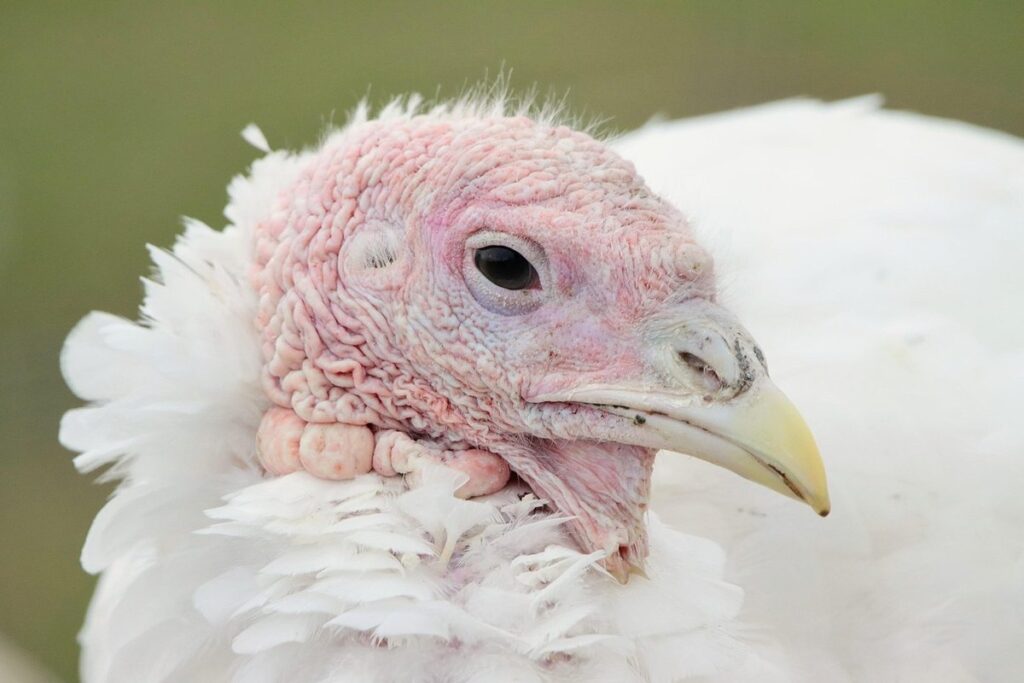
Understanding Poultry Respiratory Distress
Understanding the causes and symptoms of poultry respiratory distress is crucial for identifying and addressing issues early on, ensuring flock health. Let’s break down what you need to know about this complex condition.
Common Terms and Definitions
When it comes to understanding poultry respiratory distress, there are several key terms you should be familiar with. Respiratory distress refers to a range of symptoms that indicate difficulty breathing, including labored breathing, coughing, and gasping for air.
Pneumonia is a common condition associated with poultry respiratory distress, caused by bacterial or viral infections that inflame the lungs. It’s often characterized by a thick yellowish discharge from the eyes and nostrils.
Fowl cholera, on the other hand, is a highly contagious and potentially deadly disease that affects chickens and turkeys. Caused by the bacterium Pasteurella multocida, it leads to symptoms such as diarrhea, lethargy, and difficulty breathing.
It’s essential to understand these terms to recognize the signs of respiratory distress in your flock. A veterinarian can diagnose pneumonia or fowl cholera through a combination of physical examination, laboratory tests, and clinical history.
By knowing what to look for, you can take prompt action to treat and manage poultry respiratory distress, reducing the risk of long-term damage or even death.
Factors that Contribute to Respiratory Distress in Poultry
Respiratory distress in poultry is often the result of a combination of factors that affect their overall health and well-being. Environmental conditions play a significant role in contributing to respiratory issues. Temperature extremes, high humidity, and poor ventilation can exacerbate existing health problems or trigger new ones. For instance, a sudden drop in temperature can cause birds to experience respiratory distress due to increased mucus production.
Genetics also have a profound impact on poultry’s susceptibility to respiratory problems. Some breeds are more prone to certain conditions, such as bronchitis or pneumonia, than others. Nutrition and health status are also key factors. A balanced diet that includes essential nutrients is crucial for maintaining healthy lungs. However, a lack of adequate protein, vitamins, or minerals can weaken the immune system, making birds more vulnerable to respiratory infections.
Moreover, underlying health issues such as obesity, poor egg production, or chronic diseases can contribute to respiratory distress in poultry. Maintaining optimal living conditions, monitoring bird health closely, and providing regular vaccinations can help mitigate these risks.
Causes of Poultry Respiratory Distress
Respiratory distress in poultry can be caused by a variety of factors, including viral and bacterial infections, as well as environmental stressors like extreme temperatures. Let’s explore these underlying causes further.
Bacterial Infections (e.g., Fowl Cholera)
Bacterial infections are a significant cause of respiratory distress in poultry. Fowl cholera, caused by Pasteurella multocida, is a common and highly contagious disease that affects chickens, turkeys, and ducks. It’s often introduced to farms through infected birds or contaminated feed and water. Avian tuberculosis, on the other hand, is caused by Mycobacterium avium and can be spread through contact with infected birds’ droppings.
Other bacterial pathogens like Escherichia coli (E. coli) and Klebsiella pneumoniae can also lead to respiratory issues in poultry. These bacteria often thrive in stressed or immunocompromised birds, making disease management a crucial aspect of maintaining flock health.
Prevention is key to mitigating the impact of bacterial infections on your flock. Ensure all feed and water are clean and free from contamination, maintain good biosecurity practices, and monitor for signs of illness early on. Vaccination programs can also help reduce the risk of fowl cholera and avian tuberculosis outbreaks. Regular veterinary check-ups and health monitoring will help identify and address potential issues before they become major concerns.
Viral Infections (e.g., Avian Influenza)
Viral infections are another significant cause of poultry respiratory distress. Among these, Avian Influenza is particularly concerning due to its high mortality rate and rapid spread. This highly contagious disease affects various bird species, from backyard flocks to commercial farms. Its symptoms range from mild to severe, including coughing, sneezing, labored breathing, and even death.
Newcastle disease is another viral infection causing respiratory distress in poultry. It’s characterized by its high morbidity rate and ability to affect multiple species. Symptoms include difficulty breathing, ruffled feathers, and a general lack of coordination. Vaccination is the most effective preventive measure against Newcastle disease, but it must be administered correctly to ensure efficacy.
Other viruses like Infectious Bronchitis and Mycoplasma synoviae also contribute to respiratory problems in poultry. These diseases often spread through direct contact with an infected bird or contaminated feed/water. Effective biosecurity measures are essential for preventing the introduction and spread of these viruses on farms. Regular vaccination programs, improved ventilation systems, and proper waste management can significantly reduce the risk of viral infections.
Farmers should remain vigilant about monitoring their birds’ health, especially during peak disease seasons. Early detection of respiratory distress symptoms is crucial in controlling outbreaks and minimizing losses.
Symptoms and Signs of Respiratory Distress
Recognizing the warning signs of respiratory distress is crucial for early intervention. This section will guide you through the common symptoms and signs to watch out for in your poultry flock.
Physical Signs (e.g., Labored Breathing)
When it comes to identifying respiratory distress in poultry, being able to recognize physical signs is crucial for prompt intervention. Labored breathing, or dyspnea, is a common indicator of respiratory issues in birds. It may manifest as rapid breathing rates, gasping, or an open-beaked appearance. Coughing is another telltale sign; it can be dry or productive, with discharge visible in the trachea.
Nasal discharge, often accompanied by a sour smell, can also signal respiratory problems. The presence of greenish-yellow mucus may indicate pneumonia or other bacterial infections. Lethargy, on the other hand, can be a subtle yet significant sign of distress. Birds experiencing breathing difficulties often exhibit reduced activity and may appear listless.
Monitoring birds for these physical signs is essential for early detection and treatment. Regular observation can help poultry farmers identify potential respiratory issues before they become severe. If you notice any of these symptoms, consult with a veterinarian promptly to initiate proper care.
Behavioral Changes
As you monitor your poultry flock’s behavior, it’s essential to recognize signs of respiratory distress that can indicate potential health issues. One of the first changes you might notice is a decrease in appetite. Poultry with respiratory problems may struggle to eat or drink due to difficulty breathing or discomfort. This can be particularly concerning if it leads to weight loss or decreased energy levels.
Keep an eye on your birds’ water intake as well. Respiratory distress can cause birds to avoid drinking, leading to dehydration and further exacerbating the problem. You might also notice changes in social behavior, such as withdrawn or isolated birds that refuse to interact with their flock mates.
To intervene early, regularly inspect your flock’s living conditions, feeding areas, and water sources to ensure they’re free from contaminants or stressors. Implement practices like daily monitoring of feed intake, regular cleaning of the coop, and maintaining a balanced diet. If you notice any of these changes, consult a veterinarian for professional advice on managing respiratory distress in your poultry flock.
Diagnosing Poultry Respiratory Distress
To accurately diagnose poultry respiratory distress, you’ll need to consider a range of signs and symptoms that may indicate an underlying issue. This includes observing abnormal breathing patterns.
Clinical Examination
Conducting a thorough clinical examination is crucial for diagnosing respiratory distress in poultry. Start by observing the bird’s behavior and physical condition. Look for signs of lethargy, labored breathing, or coughing. Next, inspect the eyes, nostrils, and beak for any signs of discharge or inflammation.
Check the temperature of the brooder or enclosure to ensure it is within a safe range (around 90-100°F). Extreme temperatures can cause stress, leading to respiratory issues. Also, examine the ventilation system and dust levels to determine if they are contributing to the bird’s distress.
During the examination, gently auscultate the lungs by placing your stethoscope on the bird’s chest, typically over the keel bone. Listen for any unusual sounds or wheezing that may indicate respiratory problems. It’s also essential to take note of the bird’s history, including its vaccination status and diet, as these can be contributing factors.
In addition to a thorough physical examination, consider collecting samples (such as tracheal swabs or feces) for laboratory analysis to confirm the presence of disease-causing pathogens.
Laboratory Tests and Diagnostic Procedures
When diagnosing poultry respiratory distress, laboratory tests and diagnostic procedures play a crucial role in confirming the underlying cause of the condition. These tests help identify the presence of pathogens, assess the bird’s immune system, and rule out other potential causes.
Blood samples are often collected to detect antibodies against specific pathogens such as Avian Influenza or Newcastle Disease virus. Swabbing, on the other hand, involves collecting a sample from the trachea or choanae using a sterile swab. This helps identify bacterial or viral infections that may be causing respiratory distress.
Other diagnostic procedures include post-mortem examination, where an autopsy is performed to examine the bird’s lungs and air sacs for signs of disease. Radiography (X-rays) can also be used to visualize abnormalities in the respiratory system.
When collecting samples, it’s essential to follow proper protocols to ensure accuracy and reliability. This includes using sterile equipment, following standard operating procedures, and taking appropriate biosecurity measures to prevent cross-contamination.
Treatment Options for Poultry Respiratory Distress
When it comes to treating poultry respiratory distress, understanding your options is key. We’ll explore some of the most effective treatments available to get your birds back on their feet quickly and safely.
Antibiotic Therapy
When it comes to treating bacterial causes of respiratory distress in poultry, antibiotic therapy is often necessary. However, its use requires careful consideration due to potential side effects and the development of antibiotic-resistant bacteria.
Proper dosages are crucial for effective treatment without promoting resistance. Typically, a 5-10 day course of antibiotics is recommended for mild cases, while more severe infections may require longer treatment periods. For example, a study on broiler chickens found that administering a combination of amoxicillin and gentamicin resulted in significant improvements within 7-10 days.
When selecting an antibiotic, it’s essential to consider the specific bacterial pathogen causing the infection. A veterinarian or poultry expert can help determine the most effective treatment option. Additionally, monitoring for potential side effects, such as decreased growth rates or changes in egg production, is vital to minimize harm to the flock.
Regular monitoring of water and feed quality can also aid in preventing the spread of antibiotic-resistant bacteria. By implementing proper sanitation and hygiene practices, you can reduce the risk of developing resistant strains and ensure the effectiveness of antibiotic therapy for future generations of poultry.
Supportive Care (e.g., Humidity Control)
Maintaining optimal humidity levels is crucial for poultry respiratory health. When the air is too dry, it can exacerbate respiratory issues by drying out the mucous membranes and making them more susceptible to damage. This can be particularly problematic during cold weather months when buildings may experience low humidity due to heating systems.
To manage humidity effectively, consider investing in a humidification system specifically designed for poultry housing. These systems can be tailored to meet your flock’s needs and provide optimal moisture levels between 40-60%. It’s also essential to ensure proper ventilation within the coop or barn to prevent overheating and further respiratory distress.
Providing adequate nutrition is another vital aspect of supportive care. A well-balanced diet that includes sufficient protein, vitamins, and minerals can help support the bird’s immune system and aid in recovery from respiratory issues. Be sure to consult with a veterinarian to determine the best dietary plan for your flock based on their specific needs and health status.
In addition to humidity control and nutrition, ensuring proper ventilation is also essential for supportive care. Adequate airflow helps remove irritants and excess moisture from the air, reducing the risk of further respiratory distress. Consider installing fans or improving existing ventilation systems to maintain optimal air exchange rates within your poultry housing.
Prevention Strategies for Poultry Respiratory Distress
To keep your flock healthy and thriving, it’s essential to understand effective prevention strategies for poultry respiratory distress, which we’ll explore in more detail below.
Vaccination Programs
Vaccination is a crucial component of preventing respiratory diseases in poultry. By introducing vaccines into your flock, you can significantly reduce the risk of infection and related complications. There are two primary types of vaccines: live attenuated and inactivated.
Live attenuated vaccines contain a weakened form of the pathogen that causes the disease. This type of vaccine elicits a stronger immune response than inactivated vaccines but requires careful handling to prevent accidental exposure to the full-strength virus. In contrast, inactivated vaccines contain a killed or disabled pathogen, which is safer to handle but may not induce as robust an immune response.
When choosing a vaccination program for your poultry flock, it’s essential to consider factors such as disease prevalence, local regulations, and vaccine efficacy. For instance, if Newcastle disease is prevalent in your area, you should prioritize a vaccine with proven effectiveness against this pathogen. Consult with a veterinarian or poultry expert to determine the best vaccination strategy for your specific situation.
Regular booster shots are also vital to maintaining immunity. Typically, birds require annual vaccinations to maintain optimal protection. Failure to adhere to a vaccination schedule can lead to decreased herd immunity and increased susceptibility to respiratory infections.
Biosecurity Measures
Biosecurity measures play a pivotal role in controlling disease outbreaks, particularly for poultry respiratory distress. One of the most effective methods is proper cleaning and disinfection of coops and equipment. This involves thoroughly washing down surfaces with soap and water, followed by a disinfectant suitable for use on poultry facilities. It’s essential to follow the product instructions carefully and allow sufficient time for the disinfectant to take effect.
Another crucial aspect is minimizing contact between birds and humans. This can be achieved through proper personal protective equipment (PPE) such as gloves, masks, and coveralls. Employees should change their clothing and footwear when entering the coop, and wash their hands thoroughly before handling any birds or feed. Regular sanitation protocols should also be in place to maintain a clean environment.
Regular audits of these measures are also crucial to ensure compliance. It’s recommended that facilities have a dedicated biosecurity officer who oversees cleaning schedules, equipment maintenance, and employee training on proper hygiene practices. By prioritizing biosecurity, you can significantly reduce the risk of disease outbreaks and create a healthier environment for your birds.
Conclusion
In conclusion, recognizing the signs of respiratory distress in poultry is crucial for prompt treatment and prevention of further complications. By understanding the causes and symptoms discussed throughout this article, you can take proactive steps to maintain a healthy flock. Regular monitoring of your birds’ behavior, temperature checks, and attention to changes in appetite or droppings are all essential for early detection of respiratory issues. If you suspect that your birds are suffering from respiratory distress, don’t hesitate to reach out to a veterinarian who specializes in poultry health. By taking action quickly and seeking professional advice, you can help prevent the spread of disease and ensure the overall well-being of your flock.
Frequently Asked Questions
What are the most critical factors to consider when implementing biosecurity measures for poultry respiratory distress prevention?
When developing a biosecurity plan, it’s essential to address potential entry points for pathogens, such as visitors, equipment, and feed supplies. Ensure proper hand hygiene, wear personal protective equipment (PPE), and implement controlled access areas for high-risk operations like vaccination and treatment.
How do I identify the ideal humidity levels for my flock to prevent respiratory issues?
Ideal humidity ranges vary depending on climate and season. Generally, maintain a relative humidity of 50-60% in the coop to prevent respiratory stress. Monitor temperature and humidity levels regularly using hygrometers and adjust ventilation accordingly to ensure optimal conditions.
Can I use over-the-counter medication for treating poultry respiratory distress, or do I need veterinary guidance?
No, it’s crucial to seek professional advice from a licensed veterinarian before administering any treatment. Over-the-counter medications can be ineffective or even exacerbate the issue. A veterinarian will diagnose the underlying cause and prescribe targeted therapy to ensure effective treatment.
How often should I conduct routine cleaning and disinfection of the coop to prevent respiratory issues?
Regular cleaning and disinfection are essential for maintaining a healthy environment. Aim to clean and disinfect high-touch areas, feeders, waterers, and roosts at least every 2-3 weeks, or more frequently in high-risk situations.
What are some common behavioral changes I should watch out for that indicate respiratory distress in my flock?
Be aware of sudden changes in appetite, lethargy, panting, coughing, or reduced mobility. Monitor your birds’ behavior and consult with a veterinarian if you notice any unusual patterns or decreased overall health.