
Managing your backyard flock can be a delightful experience, but it requires attention to detail and a clear plan. As a homesteader, you want to ensure that your chickens are healthy, happy, and productive. A well-managed flock not only provides fresh eggs and meat for your family but also contributes to the overall sustainability of your homestead.
In this comprehensive guide, we’ll share practical chicken management tips that cover planning to productivity. We’ll discuss essential considerations such as coop design, feeding strategies, and health maintenance. You’ll learn how to optimize your flock’s performance, reduce waste, and create a harmonious environment for both humans and animals. Whether you’re just starting out or looking to improve your existing setup, these expert tips will help you achieve your goals and build a thriving homestead.
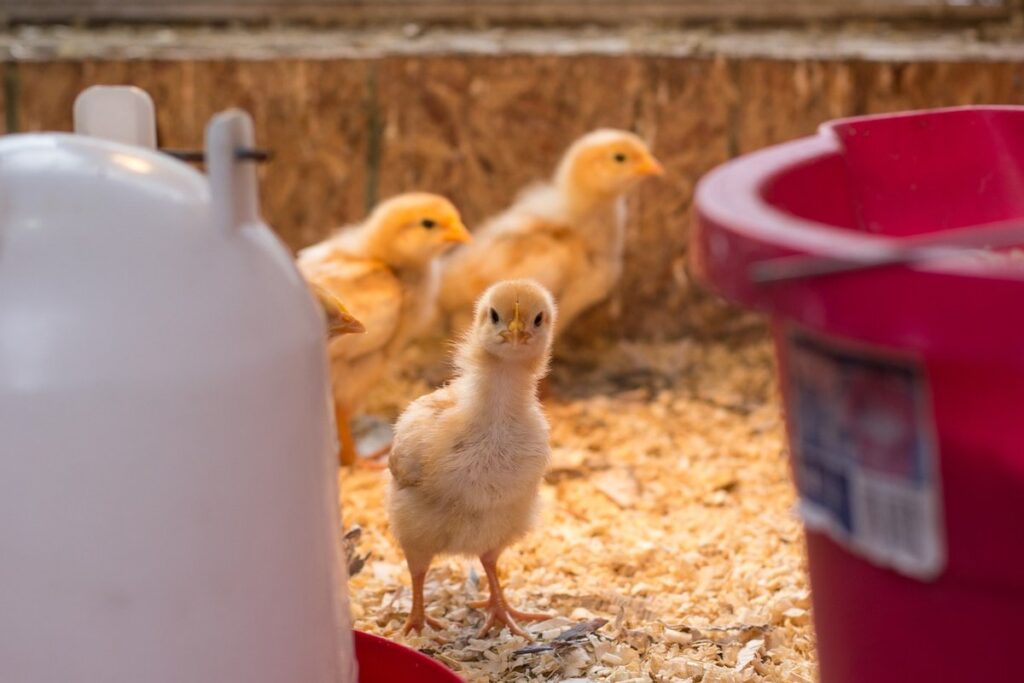
Planning Your Flock
When it comes to building a thriving chicken flock, planning is key. Let’s dive into the essentials of creating a harmonious and sustainable coop environment that meets your birds’ needs.
Assessing Space and Resources
When bringing home chickens to your homestead, it’s essential to assess the available space and resources to ensure you’re providing the best possible environment for them. This includes evaluating the yard size, local zoning regulations, and access to feed, water, and nesting boxes.
Consider the square footage of your yard per chicken: a general rule of thumb is 2-4 square feet per bird inside the coop, and 8-10 square feet outside in a run or enclosure. If you’re planning to keep multiple chickens, calculate the total space required accordingly. For example, if you have a 20×10 foot yard, you can accommodate around 5-6 chickens comfortably.
Additionally, check with your local government for regulations regarding backyard chickens, such as noise ordinances, coop size requirements, and permits needed. Make sure to factor in the cost of feed, which can range from $15 to $30 per month for a small flock, depending on breed, age, and nutrition needs. By carefully evaluating these factors, you’ll be able to determine an ideal flock size that suits your resources and meets the needs of both humans and animals.
Choosing the Right Breed for Your Homestead
When it comes to choosing the right breed for your homestead, there are several factors to consider. First and foremost, think about what you want to achieve with your flock. If you’re looking for high egg production, breeds like Leghorns or Rhode Island Reds might be a good fit. These birds can produce up to 300 eggs per year, making them ideal for families or households that rely on eggs as a primary source of protein.
On the other hand, if you have young children or want a more docile breed, consider Orpingtons or Plymouth Rock chickens. They’re known for their friendly and affectionate nature, making them perfect for families with small kids. Climate adaptability is also crucial when selecting breeds. If you live in an area with extreme temperatures, choose breeds that are hardy and can withstand the conditions.
Here are some specific breed recommendations based on different climate zones: For hot climates, choose breeds like Silkies or Polish chickens, which have a lower metabolism to help them stay cool. In colder climates, opt for breeds like Wyandottes or Barred Rocks, which have thick feathers to keep warm. By considering these factors and doing your research, you’ll be able to find the perfect breed that suits your homestead’s needs.
Setting Up a Flock Plan and Budget
Before you bring home those adorable chicks, it’s essential to set up a flock plan and budget that will support their needs throughout their lifespan. This may seem daunting, but trust us – it’s worth the effort.
To start, set realistic expectations about what having chickens can cost. The initial investment includes purchasing or building a coop, fencing your yard, and acquiring necessary equipment like feeders and waterers. A good rule of thumb is to budget at least $1,000 to $2,000 for the first year alone. This will also depend on the number of birds you plan to keep and their breed.
As for ongoing expenses, you’ll need to factor in feed costs, which can range from $10 to $30 per month per bird, depending on their age and size. You should also budget for health care, including vaccinations and any potential veterinary visits. To make it more manageable, consider allocating 5% of your flock’s total value each year for unexpected expenses.
Consider consulting with experienced homesteaders or reading up on the costs associated with raising chickens in your area to get a better understanding of what you’re getting into.
Building and Maintaining a Healthy Coop
A well-designed coop is essential for your flock’s health and happiness, so let’s dive into building and maintaining one that meets their needs. This includes choosing the right materials and layout.
Designing the Perfect Chicken Coop
When designing the perfect chicken coop, it’s essential to prioritize three key elements: ventilation, insulation, and predator protection. A well-designed coop will not only keep your chickens happy and healthy but also make maintenance a breeze.
Start by ensuring good airflow within the coop. Chickens produce ammonia-rich waste, which can lead to respiratory issues if not properly ventilated. Install windows or vents that allow for cross-ventilation, keeping the air fresh and circulating. Consider adding a small overhang or awning above the entrance to protect the chickens from harsh weather conditions.
Next, consider insulation. This will help regulate temperature extremes and keep your coop cozy during winter and cool in summer. Line the walls and floor with insulating materials like straw or shredded newspaper. You can also use reflective insulation for added efficiency.
When it comes to nesting boxes, aim for one per 3-4 hens. Make sure they’re easy to access and have a sloping roof to prevent debris from accumulating. Add some wooden roosts for the chickens to perch on at night, keeping them off the floor and reducing mess. Finally, don’t forget to include easy cleaning access – a simple sliding door or removable wall panels can make all the difference in maintaining a healthy coop.
Choosing Materials for Your Coop
When it comes to choosing materials for your coop, you want to strike a balance between durability and eco-friendliness. Reclaimed wood is an excellent option as it reduces waste and adds character to your coop. You can source reclaimed wood from local suppliers or salvage yards. Metal roofing is another durable choice that can withstand harsh weather conditions and requires minimal maintenance.
Consider the environmental impact of your materials too. Opt for sustainable paints or stains made from natural ingredients, such as plant-based oils or low-VOC (volatile organic compound) formulas. These alternatives may be more expensive upfront but will save you money in the long run by reducing maintenance costs.
Some other factors to keep in mind include local building codes and zoning regulations. Be sure to research what materials are allowed in your area before making a final decision. By choosing eco-friendly and durable materials, you can create a safe and healthy environment for your chickens while also reducing your carbon footprint.
Keeping Your Flock Safe and Healthy
A clean and healthy coop is essential for the well-being of your chickens. To keep them safe and healthy, make regular cleaning a priority. Remove soiled bedding, disinfect all surfaces with a solution of 1 part white vinegar to 9 parts water, and replace it with fresh bedding material like straw or pine shavings. Ensure proper ventilation by installing windows or vents that allow for cross- airflow.
Predators like raccoons, coyotes, and hawks can pose a significant threat to your flock. To keep them safe, predator-proofing is crucial. Cover any openings under the coop with hardware cloth or wire mesh, extend fencing around the run at least 3 feet deep to prevent digging, and consider installing an electric fence.
Always provide fresh water for your chickens, changing it frequently to prevent bacterial growth. Keep in mind that a single gallon of water can support up to five hens. Also, ensure adequate air circulation by providing enough space per bird (at least 4 square feet) and maintaining a temperature between 40°F and 80°F.
Chicken Care Essentials
Proper chicken care is crucial for maintaining a healthy and thriving flock, so let’s dive into the essentials that will keep your girls happy and egg-laying like pros.
Nutrition and Feeding
When it comes to raising chickens on your homestead, nutrition and feeding are crucial aspects of their overall health and well-being. Chickens have different nutritional needs at various life stages, and meeting these requirements can be a challenge for even the most experienced chicken keepers.
For brooder chicks (0-4 weeks), a starter feed with 20% protein is essential for growth and development. You’ll need to provide frequent feedings, as young chickens have high metabolisms and require constant energy. As they grow into pullets (5-18 weeks), their nutritional needs shift towards a finisher feed with 16% protein, which will help them reach maturity.
As layers begin laying eggs around 20 weeks of age, their dietary requirements change again. A layer feed with 16% protein and calcium supplements can help maintain strong eggshell production. It’s essential to provide clean water at all times, as well as a balanced diet that includes oyster shells or crushed eggshells to support bone health.
Common health issues related to nutrition include gout, a condition caused by excessive uric acid buildup due to high-protein diets. By monitoring your flock’s feed intake and adjusting their diet accordingly, you can help prevent these issues and keep your chickens healthy and thriving.
Water Management for Chickens
When it comes to keeping chickens happy and healthy on your homestead, proper water management is crucial. A clean, reliable source of fresh water is essential for preventing dehydration and ensuring optimal health. But what does that mean in practical terms? First, make sure you have a sufficient number of watering stations or nipples to meet the needs of your flock. Aim for at least one watering station per 3-4 chickens, and place them in easy-to-reach locations.
It’s also essential to ensure the water is clean and free from contamination. Change the water frequently, ideally once daily, and scrub the feeding troughs and watering stations with a gentle detergent. You can also use a water filter or purification system to remove impurities and sediment. When it comes to temperature control, keep in mind that chickens drink more water when it’s hot outside. Provide plenty of shaded areas for your flock to escape the heat, and consider using a misting system to lower the ambient temperature.
As a general rule, aim to provide at least 1-2 gallons of water per chicken per week, depending on age, breed, and climate. Monitor your chickens’ behavior and adjust their watering accordingly – if they’re avoiding the water source or showing signs of dehydration, it may be a sign that something’s amiss with their hydration levels.
Health Maintenance and First Aid
Keeping your flock healthy is crucial, so let’s talk about essential health maintenance and first aid techniques to ensure their well-being and longevity. From common ailments to emergency care.
Vaccination and Disease Prevention
As a homesteader, it’s essential to be aware of common chicken diseases and take proactive measures to prevent them. Avian influenza, also known as bird flu, is a highly contagious and often fatal disease that can wipe out an entire flock in a matter of days. Vaccination is not always the best option for chickens, as many vaccines are not 100% effective and may have side effects.
Instead of vaccination, focus on building a strong immune system through good nutrition, clean living conditions, and stress-free management. Provide a balanced diet rich in vitamins and minerals, ensure access to fresh water at all times, and maintain clean coops and runs. Regularly inspect your flock for signs of illness, such as labored breathing, loss of appetite, or unusual droppings.
If you suspect illness, quarantine the affected bird immediately to prevent the spread of disease. Monitor its condition closely and seek veterinary advice if symptoms persist or worsen. By being vigilant and taking preventative measures, you can significantly reduce the risk of disease in your flock.
Basic Chicken First Aid
When it comes to caring for your backyard flock, being prepared to provide basic first aid is crucial. Accidents can happen, and knowing what to do can mean the difference between life and death for your chickens.
Wound care is an essential aspect of chicken first aid. If you notice a wound on one of your birds, clean it immediately with mild soap and water. Apply a topical antibiotic ointment and cover the area with a bandage or gauze to keep it dry and promote healing. For more severe wounds, consider consulting a veterinarian for proper treatment.
Mites and lice infestations are also common issues in backyard flocks. Check your chickens regularly by gently parting their feathers; if you see any signs of mites or lice, treat them with an over-the-counter pesticide specifically designed for poultry. Repeat the application as directed on the label to ensure complete removal.
Recognizing signs of serious health issues is also vital. Be aware of changes in appetite, droopy wings, and lethargy, which can be indicative of underlying problems such as respiratory or intestinal infections. Monitor your flock closely and consult a veterinarian if you notice any unusual behavior or symptoms.
Productivity and Management Tools
To keep your flock thriving, you’ll want to invest in some essential productivity and management tools that simplify daily tasks and reduce stress. Let’s take a closer look at our top picks.
Keeping Track of Egg Production
Monitoring egg production is essential to ensure that your laying hens are healthy and productive. One simple yet effective method is using a calendar to track their performance. By marking down the date each hen starts laying, you can identify patterns and cycles. This helps you anticipate future egg production and make adjustments accordingly.
Mobile apps like Chicken Keeper or Farmigo can also be useful tools for tracking egg production. These apps allow you to record daily egg counts, monitor temperature and humidity levels, and even track individual bird health. Some apps even offer features like alert systems when a hen goes off feed or stops laying eggs.
To optimize laying conditions, ensure your coop is well-ventilated and maintained at a comfortable temperature between 40°F and 80°F. Provide adequate lighting, including natural light during the day and artificial lighting in the evening to simulate daylight hours. Maintain cleanliness by removing soiled bedding daily and replacing it with fresh material. This will promote healthy living conditions for your birds, leading to consistent and high egg production.
Handling Broody Hens and Managing Breeding
Handling broody hens and managing breeding is an essential aspect of maintaining a healthy and productive flock. A broody hen is one that has decided to incubate eggs, often taking them under her wing and refusing to leave the nesting box. This can be a blessing or a curse, depending on your intentions. If you’re looking to hatch chicks, a broody hen is a great asset. However, if you’re not interested in raising more chickens, it’s crucial to manage this behavior.
Before introducing breeding to your flock, consider the following factors: age, health, and temperament of the birds. A good breeder should be at least 6-8 months old and have a clean bill of health. Breeding too frequently can lead to exhaustion and decreased egg production. To minimize stress on your flock, rotate breeding cycles every 4-6 weeks.
To encourage broodiness in hens, provide a quiet, dark nesting box with soft bedding. You can also try introducing a fertilized egg to stimulate the hen’s natural instinct. Monitor your hens closely during this period and separate them from the rest of the flock if necessary to prevent over-brooding or aggression.
Advanced Homestead Practices
As you continue on your homesteading journey, you’re likely eager to take your chicken management skills to the next level. In this advanced section, we’ll explore expert techniques for improving egg production and reducing stress.
Integrating Chickens into Permaculture Designs
Integrating chickens into permaculture designs can be a game-changer for homesteads, providing numerous benefits while minimizing waste and maintenance. Chickens play a crucial role in waste management by consuming kitchen scraps, eggshells, and manure from other animals. They also serve as excellent pest controllers, devouring ticks, slugs, and snails that can damage crops.
To create harmonious relationships between chickens and other homestead animals, consider the following strategies: integrate a chicken tractor or mobile coop into your garden design to allow for easy movement and rotation of grazing areas; plant chicken-friendly herbs like comfrey, chamomile, or lemongrass near their feeding stations to promote soil health; and provide plenty of water sources, including ponds or rainwater collection systems.
When incorporating chickens into permaculture designs, think about how they can work in tandem with other animals. For example, keep a flock of chickens alongside ducks or geese to create a diverse and resilient ecosystem. By understanding the interconnectedness of your homestead’s ecosystems, you can harness the power of chickens to boost overall productivity and efficiency while minimizing external inputs.
Value-Added Products from Your Chicken Coop
One of the most exciting aspects of keeping chickens is not just collecting eggs, but also exploring creative ways to monetize their output. By transforming your chicken coop’s products into value-added items, you can increase revenue streams and diversify your homestead’s income.
Consider selling eggs in decorative baskets or jars, perfect for gift-giving or as a premium product at local farmers’ markets. You could also offer a subscription-based service where customers receive regular deliveries of fresh eggs directly to their doorstep. Another idea is to produce chicken meat products like sausages, jerky, or even bone broth, which can be sold online or at in-person events.
To market your value-added products effectively, focus on social media platforms and online marketplaces. Utilize Instagram’s features to share high-quality images of your products, while also leveraging platforms like Etsy or eBay for wider reach. Attend local events and farmers’ markets to showcase your creations and interact with potential customers directly. With a little creativity and effort, you can turn your chicken coop’s output into a profitable venture that enhances the value of your homestead.
Conclusion
As we conclude our discussion on practical chicken management tips for homesteads, remember that every little detail counts when it comes to raising healthy and happy chickens. By implementing these simple yet effective techniques, you’ll be well on your way to creating a thriving and self-sufficient flock. Start by setting clear goals and priorities for your chicken keeping endeavors – whether it’s producing high-quality eggs or providing entertainment for the family.
To maintain your momentum, establish routines and schedules that work best for you and your chickens. Regular cleaning and disinfecting of coops and runs will prevent disease and parasites from taking hold. Furthermore, provide a balanced diet and ensure access to fresh water at all times. By combining these fundamental practices with patience and attention to detail, you’ll be rewarded with a robust and resilient flock that brings numerous benefits to your homestead.
Frequently Asked Questions
How do I calculate the ideal flock size for my homestead?
Calculating your flock’s ideal size depends on several factors, including available space, feed, and resources. A general rule of thumb is to start with a small number (3-5 birds) and gradually increase as you gain experience and confidence in managing your flock. Be sure to research the specific breed requirements for feeding, exercise, and socialization needs.
What if I live in an area with strict zoning regulations regarding backyard chickens?
Check with your local government or homeowners’ association to understand the specific regulations and guidelines governing backyard chicken keeping. Research breeds that are suitable for smaller spaces, like bantams or miniature breeds, which may be more compliant with local ordinances.
How often should I clean and maintain my chicken coop, and what’s involved in this process?
Regular coop maintenance is crucial for your flock’s health and well-being. Clean the coop every 1-2 weeks, removing soiled bedding, cleaning feeders and waterers, and disinfecting surfaces with a pet-safe cleaner. Rotate nesting boxes regularly to prevent disease buildup.
What are some common signs of illness or stress in my chickens?
Monitor your flock daily for signs of distress, such as lethargy, labored breathing, changes in appetite, or abnormal droppings. Keep an eye on temperature fluctuations and ensure proper ventilation within the coop. Consult with a veterinarian experienced in poultry care if you suspect any health issues.
Can I integrate ducks or other waterfowl into my existing chicken flock?
Introducing new species to your homestead can be challenging. Research compatibility between breeds, consider space requirements, and plan for separate enclosures if necessary. Monitor the behavior of both birds closely after integration, as some may require additional time to adjust to each other’s presence.