
If you’re an avid backyard chicken keeper, you know that protecting your flock from predators is a top priority. A secure predator apron chicken coop is essential to safeguarding your birds and ensuring their well-being. But designing and building such a coop can be a daunting task, especially for those new to chicken keeping.
In this article, we’ll walk you through the process of creating a safe and secure predator apron chicken coop that meets all your flock’s needs. We’ll cover the essential features, deterrent methods, and best practices to keep your chickens protected from harm. From materials selection to layout design, we’ll provide a comprehensive guide on how to build a predator-proof coop that will give you peace of mind and allow you to focus on enjoying your backyard chicken adventure.
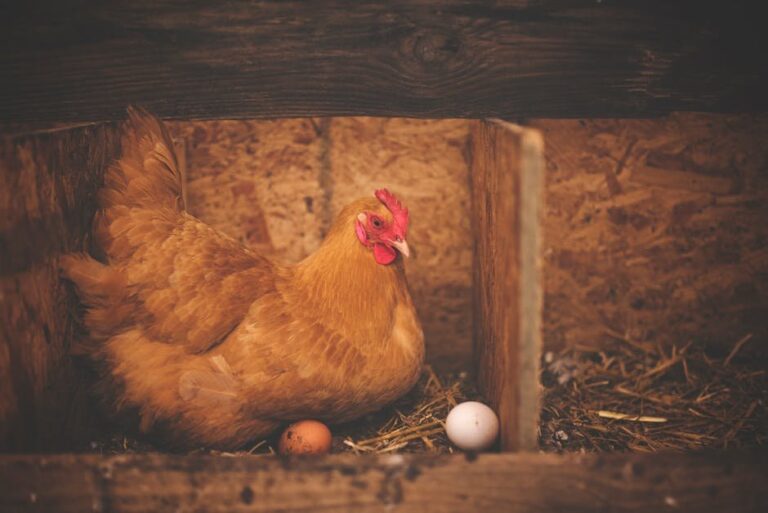
Understanding the Risks of Predation
When it comes to protecting your flock, understanding the risks of predation is crucial. In this next part, we’ll explore the common predators that threaten your chickens and their coop.
The Common Threats to Backyard Chickens
Backyard chickens can fall prey to various predators that are often found in rural and suburban areas. Coyotes, foxes, and raccoons are common culprits when it comes to attacking backyard flocks. These predators view chickens as a convenient source of food and will target them if given the opportunity.
Hawks and owls are also known to prey on chickens, especially if they’re easily accessible or if the coop doesn’t have adequate ventilation or protection from aerial attacks. It’s essential for chicken keepers to be aware of these threats and take necessary measures to safeguard their flock.
For example, in a study conducted by the University of California, it was found that coyotes were responsible for 75% of poultry losses in rural areas. Similarly, foxes are known to target backyard chickens, especially if they’re not properly secured within a fenced area. It’s crucial to consider these threats when designing or upgrading your chicken coop to ensure maximum protection for your flock.
Identifying Vulnerable Areas in Your Coop
When it comes to protecting your flock from predators, understanding your coop’s vulnerabilities is crucial. Think of it like a puzzle – you need to identify the weak spots where predators can gain entry and seal them up tight. So, let’s get started.
Begin by conducting a thorough inspection of your coop, looking for any gaps or openings that could be exploited by predators. Check the walls, floor, and roof, paying attention to areas around windows, doors, vents, and pipes. Are there any loose boards or gaps between the coop and run? Make a list of all the potential entry points you’ve identified.
Next, consider the types of predators that are most likely to target your flock in your area. For example, if you live near a forest, raccoons and opossums may be more of a concern than hawks or owls. Use this knowledge to prioritize which vulnerabilities to address first. By doing so, you’ll create a secure coop that provides your flock with the best possible protection against predators.
Designing a Predator-Proof Chicken Coop
Now that you have your predator apron chicken coop, let’s focus on designing a safe and secure enclosure to protect your flock from unwanted visitors. We’ll cover essential design features for a predator-proof coop.
Essential Features of a Secure Coop
When it comes to designing a predator-proof chicken coop, there are several essential features that you simply cannot do without. First and foremost, you’ll want to install hardware cloth around the entire perimeter of the coop, extending at least 12 inches below ground level to prevent digging predators from getting in. This should be tightly secured with wire or screws to ensure that it doesn’t come loose over time.
Next up are sturdy doors and secure locking mechanisms. Your coop’s entrance should have a self-closing door with a robust latch or lock that can withstand strong winds, heavy rain, and potential predator attempts to force their way in. Consider using a door with a built-in lock that’s resistant to tampering, such as a deadbolt or a combination lock.
Don’t forget about the roof – it should be covered with hardware cloth as well, extending at least 12 inches over the walls to prevent predators from jumping onto the coop and getting inside. Additionally, consider adding a secure roof vent or skylight that can be locked when not in use to prevent unwanted visitors.
Building Materials for Durability
When it comes to building a predator-apron chicken coop, durability is key. You’ve invested time and resources into protecting your flock from predators; the last thing you want is for your coop’s materials to fail under pressure. Using durable materials will not only extend the lifespan of your coop but also provide peace of mind knowing that your birds are safe.
Consider using metal or reinforced plastic for your coop’s walls, floor, and roof. Metal is an excellent option as it’s resistant to rust, rot, and predator gnawing. You can opt for galvanized steel or aluminum sheets, which offer added strength and durability. Reinforced plastic panels, on the other hand, are lightweight yet incredibly strong. They’re also easy to clean and maintain.
Some popular options include:
* Aluminum corrugated roofing sheets
* Steel wire mesh for walls and floor
* Plastic-coated metal grids for ventilation
When selecting materials, remember that durability is just as important as cost-effectiveness. While it’s tempting to go for the cheapest option, investing in quality materials will save you money and hassle in the long run. By choosing durable building materials, you’ll be able to rest assured that your coop can withstand even the most determined predators, keeping your flock safe and secure.
Using Predator Aprons and Other Deterrents
To further secure your coop, we’ll explore using predator aprons and other deterrents to protect your flock from unwanted visitors. Effective use of these barriers requires careful placement and maintenance.
What is a Predator Apron and How Does it Work?
A predator apron is a physical barrier that surrounds and protects your chicken coop from predators, typically made of durable materials such as metal, wood, or plastic. Its primary function is to prevent predators like foxes, coyotes, and raccoons from accessing your flock by digging or jumping into the coop.
By installing a predator apron around your chicken coop, you can effectively deter these unwanted visitors and safeguard your birds. The apron’s design allows for easy installation and maintenance, often with adjustable lengths to fit various coop sizes. Some predator aprons also feature built-in sensors that alert you when an attempt is made to breach the barrier.
When choosing a predator apron, consider factors such as material durability, ease of installation, and compatibility with your existing coop setup. By taking this crucial step in protecting your flock, you can enjoy peace of mind knowing that your birds are safe from potential predators.
Additional Deterrent Methods to Consider
If you’re looking for additional methods to deter predators from reaching your flock, there are several options to consider beyond predator aprons. One effective approach is to surround your coop with sturdy fencing that’s at least 3 feet high and extends 12 inches below ground level to prevent burrowing. Consider using hardware cloth or chicken wire with openings of no more than 1 inch in diameter to keep out determined predators.
Another option is to cover the top of your coop with netting, which can be secured with bungee cords or weights. This will prevent aerial predators like hawks and owls from swooping down and snatching a bird. You can also opt for electric fencing, which can be an effective deterrent for larger predators like coyotes and foxes.
When it comes to repellents, there are various commercial products available that contain unpleasant smells or tastes for birds of prey. Some gardeners swear by using hot peppers or garlic around their coop as a natural deterrent, although the effectiveness of these methods may vary. Consider combining multiple deterrents for maximum protection – for instance, pairing netting with repellent sprays to create a multi-layered defense system for your flock.
Best Practices for Maintaining Your Coop
To keep your coop secure and your flock safe, it’s essential to establish a regular maintenance routine that includes inspecting and repairing any weaknesses in your coop’s defenses. This section will walk you through our top tips for coop upkeep.
Regular Cleaning and Sanitation Procedures
Regular coop cleaning and sanitation is crucial to maintaining a healthy flock. When it comes to protecting your chickens from predators, it’s not just about physical barriers – keeping their living environment clean and hygienic plays a significant role too. A dirty or unsanitary coop can lead to the spread of diseases among your birds, which can further weaken their immunity against predator attacks.
Here are some key areas to focus on for regular cleaning:
* Remove soiled bedding material and replace it with fresh ones every week or two, depending on how many chickens you have. This helps prevent ammonia buildup from droppings.
* Clean feeders and waterers regularly to avoid bacterial growth – scrub them with soap and warm water at least once a month.
* Disinfect surfaces around the coop with a 1:10 bleach solution every 2-3 months, paying special attention to areas where predators may try to gain entry.
By keeping your coop clean and sanitized, you’ll not only reduce the risk of disease but also create an environment that’s less appealing to potential predators. This simple yet crucial step is often overlooked in predator-proofing efforts – don’t neglect it!
Monitoring Your Flock’s Health and Behavior
Regularly monitoring your flock’s health and behavior is crucial to ensuring their well-being and detecting potential issues related to predator activity. Keep an eye out for changes in appetite, water consumption, or egg production, as these can be indicators of stress or injury. Also, pay attention to unusual sounds, such as chirping or squawking at night, which may signal that predators are lurking nearby.
Changes in behavior like increased aggression among hens, frequent pecking or feather plucking, and altered roosting patterns can also indicate the presence of a predator. For example, if you notice your flock is suddenly avoiding a particular area of the coop or seems hesitant to leave their nesting boxes, it could be a sign that they’ve caught wind of a predator.
To identify potential health issues, check for any visible injuries or wounds on your birds, and look for signs of parasites like mites, lice, or fleas. Regularly inspecting your flock will help you catch any problems early on, allowing you to take prompt action and prevent the situation from escalating.
Case Studies: Successful Predator-Proof Coops
Let’s take a look at some real-life examples of predator-proof chicken coops that have successfully kept hens safe from predators, saving lives and reducing stress. We’ll explore their designs and features in detail.
Real-Life Examples of Secure Coop Designs
When it comes to predator-proof coop designs, there are many real-life examples that showcase successful features and takeaways. Take, for instance, the design of “Coop 12,” a chicken coop built by Mark Rose in his backyard in rural Oregon. This coop stands at an impressive 6 feet tall and has a sturdy wooden frame wrapped in hardware cloth to prevent predators from getting inside.
One key feature that makes this coop stand out is its overhang: a sloping roof that extends several inches beyond the walls of the coop, creating a steep slope for predators to climb. This design effectively deters raccoons and opossums, which are notorious chicken thieves in Mark’s area. To take inspiration from Coop 12, consider adding an overhang or awning to your own coop design – it might just be the missing piece you need to keep those pesky critters at bay.
Other features of successful predator-proof coops include covered runs, reinforced doors, and strategically placed netting or chicken wire. By incorporating these features into your own coop design, you’ll be well on your way to protecting your flock from predators.
Lessons Learned from Experienced Chicken Keepers
We reached out to several experienced chicken keepers who have successfully protected their flocks from predators using predator apron chicken coops. Their insights and lessons learned are invaluable for anyone looking to safeguard their backyard flock.
For instance, Jane from California emphasized the importance of proper installation and maintenance. She noted that a poorly installed or rusty apron can provide little protection against determined predators. To avoid this, she recommended checking and re-checking the coop’s integrity regularly, making sure all screws are tightened and any damage is promptly repaired.
Another crucial lesson learned was the need for vigilance and adaptability. Sarah from Texas shared her experience of having to modify her coop design after discovering a raccoon getting through a small gap in the apron. She upgraded the material and adjusted the installation, which solved the issue and kept her flock safe.
These real-life examples highlight the significance of ongoing monitoring, flexibility, and attention to detail when it comes to protecting your chickens from predators using a predator apron chicken coop.
Conclusion: Prioritizing Your Flock’s Safety
Now that you’ve learned how to protect your flock from predators, it’s time to prioritize their safety above all else in your coop design and management. This means taking proactive steps to safeguard their well-being.
Recap of Key Takeaways
As you’ve made it through this article on predator apron chicken coops, we want to take a moment to recap the key takeaways that will help you prioritize your flock’s safety. You now know how crucial it is to protect your chickens from predators, which can range from foxes and coyotes to hawks and owls.
We discussed the importance of choosing the right predator apron for your chicken coop, including considering factors such as durability, ease of installation, and mesh size. We also explored ways to secure the perimeter of your property, like fencing and using repellents like hot pepper spray or predator urine granules.
Another crucial aspect we covered is the need for regular inspections and maintenance of your coop and surrounding area. This includes checking for signs of predators, repairing any damage, and keeping a clean environment to discourage pests. By implementing these measures, you’ll be well on your way to creating a safe haven for your flock. Remember, it’s an ongoing process that requires attention and effort, but the payoff is worth it: peace of mind knowing your chickens are protected.
Encouragement to Act Now and Protect Your Flock
It’s time to take action and safeguard your flock from predators. As you’ve learned throughout this post, designing a secure coop is just one aspect of protecting your chickens. Now that you have a better understanding of the risks and the steps to take, it’s essential to put these measures into practice.
Don’t wait until it’s too late; start by inspecting your current coop for any vulnerabilities. Check the fencing, doors, and windows to ensure they are predator-proof. If you haven’t already, consider investing in a predator apron chicken coop or upgrading your existing one with secure features like hardware cloth or chicken wire with openings of 1 inch or smaller.
Additionally, take steps to maintain your coop’s security by regularly cleaning up debris around the perimeter and keeping an eye out for signs of predators in the area. By taking these proactive measures, you can significantly reduce the risk of predator attacks on your flock. Remember, a secure coop is not a one-time task; it requires ongoing maintenance and vigilance to ensure your chickens’ safety.
In many cases, securing your coop can be as simple as making a few adjustments or upgrades. For example, consider using motion-activated lights to deter nocturnal predators like raccoons and opossums. You can also try using repellents like hot peppers or predator-deterrent plants around the perimeter of your coop.
Don’t underestimate the importance of protecting your flock; every chicken counts, and with a secure coop, you’ll be giving them the best chance at a safe and healthy life. By acting now and prioritizing their safety, you’ll be able to enjoy the many rewards that come with raising backyard chickens – fresh eggs, entertainment, and companionship.
Frequently Asked Questions
Can I use a pre-made predator apron coop design or do I need to create my own?
While it’s possible to purchase or download a pre-made design, it’s essential to tailor the plan to your specific flock and property needs. Consider factors like climate, local building codes, and the number of chickens you’re keeping. If you choose to use a pre-made design, ensure it meets all necessary safety standards for your region.
How do I know if my coop is vulnerable to predators without actual experience?
To identify potential weaknesses in your coop’s design, research common predator entry points (e.g., gaps under doors or windows) and inspect your coop regularly. Consider consulting online forums, talking to experienced chicken keepers, or even hiring a professional to assess and improve your coop’s security.
What are some additional materials I can use to reinforce my predator apron coop?
Besides the standard materials mentioned in the article (e.g., hardware cloth, metal mesh), you may also consider using expanded metal mesh, wire fencing, or even electric netting to deter predators. When selecting materials, prioritize durability and ease of maintenance to ensure your coop remains secure over time.
Can I use a single predator apron for multiple coops or should I have one per coop?
While it’s technically possible to share a predator apron between multiple coops, this approach may compromise the overall effectiveness of the system. Consider having a separate predator apron for each coop, especially if they’re located at different areas on your property.
How do I balance my flock’s need for ventilation with the need for predator security?
To strike a balance between airflow and safety, incorporate features like ventilation windows or adjustable latches that allow for easy access to inspect and clean the coop. Also, consider using breathable building materials (e.g., wood) that can help regulate humidity levels while maintaining structural integrity.