
If you’re a backyard chicken or goose keeper, you know how vulnerable your flock can be to predators like foxes, coyotes, hawks, and owls. These common threats can devastate your flock in an instant, leaving you feeling helpless and frustrated. But what if you could protect your geese from harm with confidence? A predator-proof goose pen is a game-changer for any poultry keeper, providing peace of mind and safeguarding the health and well-being of your birds. In this article, we’ll show you how to design and build a secure enclosure that will keep your geese safe from predators. We’ll cover materials, construction, and maintenance tips to ensure your goose pen is not only predator-proof but also easy to care for.
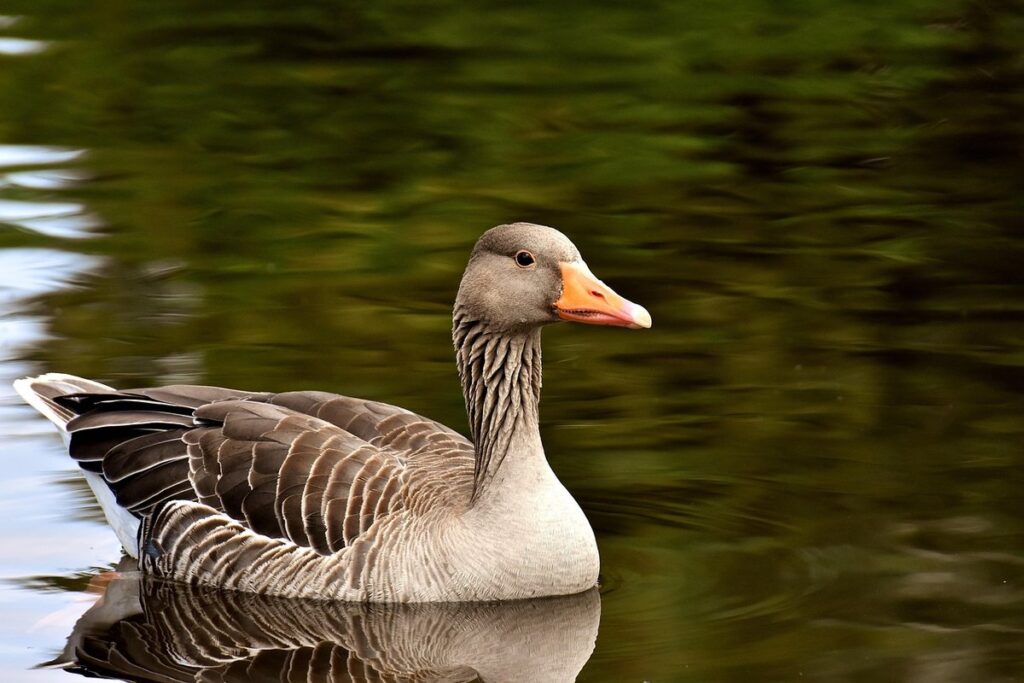
Understanding the Importance of Predator-Proof Enclosures
Understanding why a predator-proof enclosure is crucial for your goose pen’s safety is essential, and that’s exactly what we’ll dive into next. We’ll explore the risks and consequences of not having a secure enclosure.
The Risks of Not Having a Secure Goose Pen
When you don’t have a secure goose pen, you expose your flock to a multitude of risks. One of the most significant threats is predator attacks. Birds of prey such as hawks, owls, and foxes are notorious for their ability to swoop down on unsuspecting geese. If your pen is not properly secured, these predators can easily gain access and wreak havoc on your flock.
Not only can predator attacks result in the loss of valuable birds, but they also pose a significant threat to the health and well-being of your remaining geese. A single attack can cause stress, injuries, and even fatalities. Moreover, if you have female geese that are laying eggs, an attack on their enclosure can lead to the loss of precious eggs or even goslings.
Inadequate enclosures also attract other unwanted visitors such as raccoons, stray dogs, and cats. These animals may not necessarily target your geese for food but can still cause damage to the pen and surrounding areas.
Common Predators That Target Gooses
When it comes to protecting your goose flock, knowing which predators to watch out for is crucial. One of the most common and cunning predators that target geese are foxes. These sly animals are expert hunters with a keen sense of smell and agility. They often sneak up on their prey under the cover of darkness or during periods of low visibility.
Coyotes are another significant threat to goose populations. These adaptable canines are found in various habitats and can be active at any time of day or night. Hawks and owls, meanwhile, pose a more aerial threat. These birds of prey are known for their sharp talons and swift hunting style, often targeting geese that are straying from the flock.
To minimize the risk of predation, it’s essential to keep an eye out for these predators, particularly during vulnerable times such as dawn and dusk when geese are most active. By being aware of your surroundings and taking necessary precautions, you can significantly reduce the likelihood of a predator attack on your flock.
Understanding Goose Behavior and Security Risks
When it comes to protecting your flock from predators, understanding goose behavior is just as crucial as designing a secure enclosure. Geese can be quite vigilant when it comes to potential threats, but their natural instincts can sometimes work against them.
For instance, loose nesting boxes can create an attractive target for predators like foxes or coyotes. If the boxes are not securely fastened or if they’re too accessible, a curious predator might see an opportunity to raid the nest and make off with your goslings. To prevent this, ensure that nesting boxes have secure latches and are placed in a safe location, away from potential entry points.
Another factor to consider is inadequate feeding practices. Geese that are fed on the ground or near their enclosure can become accustomed to human presence, making them less alert to potential threats. This can lead to complacency among your flock, making it easier for predators to sneak up and strike. Consider using feeders that hang from trees or place food in secure containers to minimize ground-based feeding.
Designing a Predator-Proof Goose Pen
When designing a predator-proof goose pen, it’s essential to think about the physical barriers and features that will effectively keep your flock safe from potential threats. Let’s dive into the specifics of creating an impenetrable enclosure.
Choosing the Right Location for Your Goosery
When choosing the right location for your goosery, several factors come into play. Firstly, consider the amount of sunlight it will receive throughout the day. Geese need a balance of direct and indirect sunlight to maintain their health and well-being. A spot that receives partial shade during peak sun hours is ideal.
Another crucial factor is wind direction. If you live in an area prone to strong winds, locate your goosery on the leeward side of any obstacles. This will help reduce the risk of damage from gusts. You’ll also want to take note of potential escape routes nearby, such as neighboring properties or wooded areas.
To minimize the likelihood of predator access, position your goosery near a natural barrier like a pond, river, or dense thicket. Geese are wary of water and will be less likely to attempt an escape if they have to navigate through it first. Avoid placing your goosery in a spot where you’ve had issues with predators previously.
Materials and Construction Methods for a Secure Goosery
When it comes to building a predator-proof goosery, the right materials and construction methods are crucial. You’ll want to choose materials that can withstand potential threats, such as raccoons, coyotes, and foxes, while also being easy to maintain and cost-effective.
Consider using durable materials like metal or high-density plastic for the pen’s frame and mesh panels. These options offer excellent protection against predators and are relatively low-maintenance. For example, a metal framework can be powder-coated to prevent rust and corrosion, ensuring it remains secure for years to come.
You may also want to explore alternative construction methods, such as using wooden beams and reinforcing them with wire or netting. This approach can be more cost-effective than metal options but requires regular maintenance to prevent rot and insect damage.
Some other materials you might consider include:
* Hardware cloth: a heavy-duty mesh that’s perfect for covering the top of the pen to prevent aerial predators
* Chicken wire: while not ideal on its own, can be used as a secondary layer or to reinforce existing fencing
* Burying fencing 12-18 inches underground to prevent digging predators from getting underneath
Ultimately, the choice of materials and construction methods will depend on your specific needs and budget. Be sure to research local building codes and regulations before starting your project.
Incorporating Anti-Predator Features into Your Design
When designing a predator-proof goose pen, incorporating anti-predator features is crucial to safeguarding your flock. One of the most effective ways to achieve this is by utilizing electric fencing. This type of barrier is highly visible and creates an invisible wall around your property that deters predators. However, it’s essential to note that electric fencing should be combined with other measures for maximum effectiveness.
Buried mesh barriers are another excellent option for protecting your geese from digging predators like coyotes or foxes. By burying a mesh material 12-18 inches underground, you create an impenetrable barrier that prevents predators from digging underneath the fence. Regularly inspecting and maintaining this type of barrier is vital to prevent damage.
In addition to these measures, using netting can also help protect your geese from aerial predators like hawks or owls. A sturdy netting material with openings no larger than 1 inch can be used to cover the top of the pen, providing an extra layer of security for your flock. When selecting anti-predator features, it’s crucial to consider the specific threats you face in your area and design a comprehensive protection plan accordingly.
Building a Predator-Proof Fence Around Your Goosery
When it comes to securing your goose pen, a sturdy fence is key. In this crucial step, we’ll walk you through building a predator-proof barrier around your flock’s enclosure.
Choosing the Right Type of Fencing for Your Needs
When it comes to choosing the right type of fencing for your goosery, there are several factors to consider. Durability is a top priority, as you want your fence to withstand harsh weather conditions and potential predator attacks. Cost is also an essential consideration – after all, you don’t want to break the bank on a fence that might not provide adequate protection.
One popular option for predator-proof fencing is high-tensile wire mesh. This type of fencing is incredibly durable and can be installed at a relatively low cost. However, it may require additional support from posts or trees to prevent sagging. Another option is wooden picket fencing, which provides excellent visibility and a natural appearance. However, it may not offer the same level of protection as wire mesh.
When selecting a fence type, also consider ease of installation. Some fences, like chain link or PVC panels, can be installed relatively quickly with minimal tools. Others, like wood or metal picket fencing, may require more time and labor to set up. Be sure to research and choose a fence that balances your needs for durability, cost, and installation ease.
If you live in an area prone to extreme weather conditions or have a large number of geese, consider investing in a sturdy option like woven wire mesh or electric fencing. These options offer superior protection against predators but may require more initial investment and maintenance.
Measuring and Calculating the Amount of Fencing Required
Measuring and calculating the amount of fencing required is a crucial step in building a predator-proof goose pen. To ensure you have enough material to complete your project, start by measuring the perimeter of your enclosure. This includes the length and width of each side, as well as any corners or angles.
Use a flexible tape measure or a surveyor’s wheel to get an accurate reading. Make note of any obstacles like rocks, trees, or slopes that may affect the installation process.
To calculate the total amount of fencing needed, multiply the perimeter by 1.1 to account for gates, corners, and overlap areas. For example, if your enclosure measures 100 feet in length and 50 feet in width, a rectangular shape, the total perimeter would be (2 x 100) + (2 x 50) = 300 linear feet.
Add 10% to this total for gates, corners, and any irregularities in the fence line. This will ensure you have enough material to complete your project without running short or having excess fencing left over.
Installing Your Fence: Tips and Tricks for Success
Installing your fence is just as crucial as designing it. A well-installed predator-proof fence will protect your flock for years to come. Here are a few things to keep in mind when installing your fence:
First, ensure the area where you’ll be installing the fence is clear of debris and obstacles. This includes removing any vegetation that may interfere with the fence’s stability or integrity. Once cleared, lay out the fence panels according to the manufacturer’s instructions.
Use high-quality gate hinges and a secure locking mechanism to prevent predators from opening gates. Install a self-closing gate to ensure it automatically closes after use, reducing the risk of escape or predator entry.
Dig post holes that are 12-18 inches deep, depending on the type of fence you’re using, to provide stability for the posts. Fill these holes with compacted gravel before inserting the posts, which will help prevent water from accumulating and weakening the structure over time.
It’s also essential to inspect your fence regularly for any damage or wear, making repairs promptly to maintain its integrity.
Additional Safety Measures for Your Goosery
To further safeguard your geese, consider implementing additional measures such as motion-sensitive lights and electric fencing around your goose pen.
Regular Cleaning and Maintenance of Your Goosery
Regular cleaning and maintenance of your goose pen are crucial tasks that often get overlooked, but they play a significant role in ensuring the safety and well-being of your flock. A clean and well-maintained goose pen not only protects your birds from predators but also helps prevent the spread of diseases.
Start by removing any debris, such as droppings or uneaten food, on a daily basis. This will help keep the area free from attractants that may draw predators to your flock. Next, inspect the netting and fencing for any signs of damage or wear. Make sure all holes are patched and reinforced to prevent escape attempts by your birds or predator entries.
Regularly monitor the surrounding area for signs of predator activity, such as tracks, scat, or digging. Be vigilant about checking for loose wires or exposed metal that could be tempting for curious predators. By staying on top of these tasks, you’ll significantly reduce the risk of predation and create a safer environment for your flock to thrive in.
Creating a Safe Haven Within Your Goosery
Creating a safe haven within your goose pen is crucial for the well-being and protection of your flock. In case of an emergency, such as a predator attack, your geese need a secure place to seek refuge. A retreat area or “safe zone” can be created by designating a portion of the pen with sturdy fencing, roofing, and other safety features.
Consider adding a small shelter or enclosure within the main pen, made from durable materials like metal or plastic. This will provide your geese with a protected space to hide during an attack. Make sure the shelter is well-ventilated and has adequate drainage to prevent water accumulation.
For added security, consider installing a “geese cave” – a specially designed enclosure that provides complete protection from aerial predators like hawks and eagles. You can also create a “dry run” or “storm shelter” using a converted shed or greenhouse. Remember to place the retreat area in an easily accessible location for your geese.
Remember, the key is to make sure your safe haven is well-equipped with all the necessary features to keep your flock secure and comfortable during an emergency.
Managing Predator-Proofing Costs and Budget Considerations
Now that you’ve invested in a predator-proof goose pen, let’s talk about managing costs and budget considerations to ensure it fits within your farm’s financial plans. We’ll explore ways to save without compromising security.
Initial Investment vs. Long-Term Cost Savings
When setting up a predator-proof goose pen, it’s essential to consider not just the initial investment but also the long-term cost savings. The upfront costs can be substantial, including materials such as heavy-duty fencing and netting, secure doors and gates, and robust equipment like cameras and motion sensors.
The labor costs should also be factored in, especially if you’re hiring professionals to install the systems. According to industry estimates, a high-quality predator-proof goose pen can cost anywhere from $5,000 to $15,000 or more, depending on the size of the enclosure and the level of security required.
However, it’s crucial to weigh these costs against the potential losses due to predation. A single attack can result in significant financial losses, not to mention the emotional toll on you as a goose owner. By investing in a robust predator-proof system, you can significantly reduce the risk of attacks and enjoy long-term cost savings by avoiding costly repairs or replacement of lost animals.
Potential Losses Due to Predation: Calculating Your Return on Investment (ROI)
Calculating potential losses due to predation is crucial in determining the long-term cost savings of investing in a secure enclosure. Start by estimating the number of geese you’ve lost to predators over the past year, and multiply that by their average value. This will give you a rough estimate of annual losses. For instance, if you’ve lost 10 geese worth $50 each, your total loss would be $500.
To put this into perspective, consider the cost of replacing these birds with new ones. This includes purchasing new goslings, feeding them until they’re old enough to breed, and maintaining their health. The cost can add up quickly, especially if you factor in veterinary bills and potential losses due to disease or other factors.
By investing in a secure enclosure, you can potentially save hundreds or even thousands of dollars annually. Consider this investment as part of your overall flock management budget, and weigh it against the costs of purchasing new geese or replacing lost ones. By making an informed decision, you’ll be better equipped to protect your flock and reduce potential losses due to predation.
Conclusion: Protecting Your Flock with a Predator-Proof Goose Pen
Now that you’ve completed your predator-proof goose pen, let’s focus on protecting your flock from potential threats and ensuring their safety for years to come. This final step is crucial to maintaining peace of mind.
Recap of Key Takeaways and Recommendations
As we conclude our comprehensive guide to building a predator-proof goose pen, let’s recap the key takeaways and recommendations that will help you protect your flock effectively. Throughout this article, we’ve emphasized the importance of creating a secure enclosure that not only keeps predators out but also provides a safe and comfortable living space for your geese.
When designing your goosery, remember to consider the following essential elements: sturdy fencing materials, robust gates, and secure entry points. It’s crucial to choose the right type of fencing, such as hardware cloth or chicken wire with openings of 1 inch or smaller, to prevent predators from getting through. Additionally, ensure that all gates are self-closing and self-latching to prevent accidental escape or predator entry.
To further enhance security, consider adding features like overhangs, eaves, or a solid roof to protect your geese from aerial attacks. Regularly inspecting your goosery for any signs of damage or weakness is also vital to maintaining its integrity. By following these recommendations and staying vigilant, you can enjoy the companionship of your beloved geese while keeping them safe from potential threats.
Final Thoughts on Prioritizing Goose Safety
As you’ve learned throughout this comprehensive guide, building a predator-proof goose pen is crucial to safeguarding your flock from potential threats. It’s essential to prioritize their safety above all else. Remember that the measures we’ve discussed – selecting the right materials, designing an escape-proof enclosure, and incorporating deterrents – are not one-time tasks but ongoing responsibilities.
To reiterate, it’s vital to remain vigilant and continuously monitor your pen for any weaknesses or vulnerabilities that may arise over time. Regularly inspect the structure, checking for signs of wear and tear, rust, or damage. Make adjustments as needed to ensure your pen remains secure.
Additionally, consider implementing a rotation system for monitoring the flock and the pen itself. This way, multiple people can stay informed about any potential issues and collectively work towards maintaining a safe environment for your geese. By staying proactive and vigilant, you’ll be better equipped to protect your flock from predators and ensure their well-being.
Frequently Asked Questions
What if I have a small yard with limited space for a predator-proof goose pen?
While it’s ideal to have a larger area, you can still design a secure enclosure that fits your available space. Consider using vertical fencing or a tiered system to maximize your yard’s potential and create a safe haven for your geese.
Can I use existing fencing from my old chicken coop to build a predator-proof goose pen?
While it might be tempting to repurpose existing materials, it’s not recommended. Predator-proof fencing requires specific materials and construction methods to ensure the enclosure is secure. Using old fencing can compromise the integrity of your new goose pen and leave your geese vulnerable.
How often should I inspect my fence for damage or weaknesses?
Regular inspections are crucial to maintaining a predator-proof goose pen. Check your fence at least once a week, looking for signs of wear, damage, or potential entry points. Make repairs promptly to prevent predators from exploiting any vulnerabilities.
Can I use electric fencing as an additional layer of protection in my goose pen?
Yes! Electric fencing can be an effective deterrent against predators, especially birds and small mammals. However, ensure you follow local regulations regarding the use of electric fencing and take necessary safety precautions when handling electrified wire.
What if I’m on a tight budget; are there any affordable options for building a predator-proof goose pen?
While it’s true that high-quality materials can be expensive, there are cost-effective ways to build a secure enclosure. Consider using recycled or repurposed materials, consulting with local experts who may offer guidance on DIY solutions, and exploring online resources for budget-friendly designs.