
If you’re a pet owner living in an area with wildlife, you’re likely no stranger to the threat of predators. Coyotes, foxes, and other wildlife can easily gain access to your home through ordinary latches, putting both your family and pets at risk. But what if you could protect your home and loved ones with ease? The good news is that there are effective predator-proof latch ideas that can give you peace of mind. From automatic and magnetic latches to spring-loaded and DIY solutions, we’ll explore the best ways to safeguard your home against wildlife threats. In this article, we’ll dive into the world of predator-proof latches, providing you with expert advice on installation, maintenance, and more, so you can rest assured that your family and pets are safe and secure.
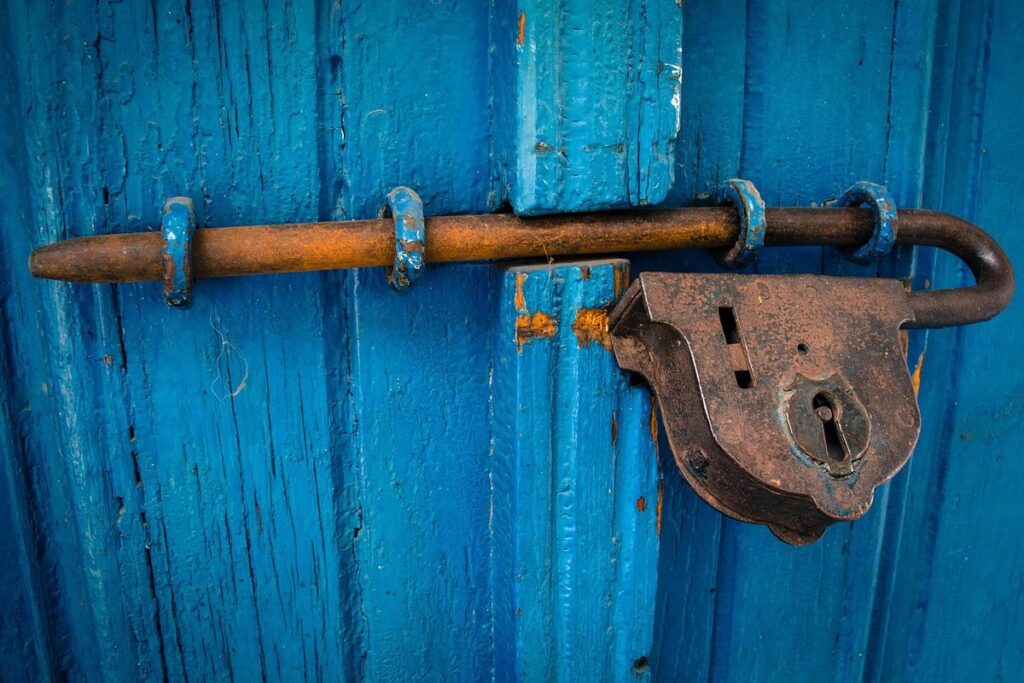
Introduction to Predator-Proofing
Let’s start by discussing the basics of predator-proofing, which is essential for keeping your home and pets safe from unwanted visitors. This section will cover the fundamentals you need to know.
Understanding the Importance of Predator-Proof Latches
When it comes to securing your home and pets safely, one often-overlooked yet crucial aspect is predator-proof latches. As a pet owner, especially if you have outdoor pets, you understand the risks associated with wildlife encounters. Predator-proof latches serve as an essential barrier between your pets and potential threats.
The primary reason these latches are vital lies in their ability to prevent predators from accessing your home and yard. Raccoons, coyotes, bears, and other wildlife can easily exploit weak or unsecured entry points, putting your pets at risk of attack or abduction. By installing predator-proof latches on doors, gates, and enclosures, you significantly reduce the likelihood of such encounters.
In fact, a study by the Humane Society found that an estimated 1 million pets are stolen each year in the United States alone. Installing predator-proof latches can be a proactive measure to prevent your pets from becoming statistics. To get started, consider investing in high-quality latches designed specifically for outdoor use and follow manufacturer instructions for proper installation. Regularly inspecting your home’s entry points will also help ensure these latches remain effective over time.
Common Hazards Associated with Outdoor Pets
When you have pets that spend time outdoors, it’s essential to consider the potential dangers they may face. Unfortunately, many outdoor pets fall victim to coyotes, foxes, and other predators. According to a study by the Humane Society, coyote attacks on dogs are a significant concern in many areas.
Coyotes, in particular, are skilled hunters that can be active during both day and night. They’re attracted to food sources like pet food left outdoors or even garbage cans. In one case, a family’s dog was attacked by a coyote while it was tied up in the backyard. The attack could have been prevented if the family had taken steps to secure their yard.
Foxes are also a common threat to outdoor pets, especially small dogs and cats. They’re known for their cunning nature and ability to adapt to urban environments. To protect your pets from these predators, it’s crucial to take measures such as keeping them indoors at night, securing food sources, and installing predator-proof latches on gates and doors.
When choosing a latch for your pet gate or door, look for one that meets specific safety standards. Some popular options include self-latching mechanisms and electronic latches with sensors. These devices can detect when the gate is opened and automatically lock it to prevent predators from entering.
Types of Predator-Proof Latches: A Comprehensive Guide
When it comes to safeguarding your home and pets, understanding the various types of predator-proof latches is crucial. This guide will walk you through each option available for securing doors and gates effectively.
Automatic Latch Systems
Automatic latch systems are designed to provide an added layer of security for homes and pets by automatically locking doors when they are closed. These systems work on a sensor-based mechanism that detects the door’s position and triggers the lock accordingly.
One of the primary benefits of automatic latch systems is their convenience, as they eliminate the need for manual locking or unlocking. This is particularly useful for pet owners who often struggle to balance their busy schedules with ensuring their pets’ safety. With an automatic latch system in place, you can rest assured that your doors are secure even when you’re not at home.
Some popular options available in the market include wireless and battery-powered systems that can be easily installed on standard doors. These systems offer flexibility and ease of use, making them a great choice for homeowners looking to enhance their security features.
Magnetic Latch Systems
Magnetic latch systems are an innovative solution for securing pet doors, gates, and other entry points that require easy access while keeping predators out. These systems work by using a powerful magnetic force to hold the door or gate closed until it is manually opened.
One of the key benefits of magnetic latch systems is their ease of use. They often come with a simple push-button release mechanism, allowing you to quickly open and close doors without having to fumble for keys or worry about locks jamming.
However, there are some potential downsides to consider. Magnetic latches can be vulnerable to strong magnetic fields, which can interfere with the latch’s functionality. Additionally, if your pet is large or energetic, they may accidentally trigger the release mechanism while trying to enter or exit.
Some notable brands and products in this category include Jupiter Magnetics, PetSafe, and SureFlap. When selecting a magnetic latch system, it’s essential to consider factors such as durability, weather resistance, and ease of installation.
To get the most out of your magnetic latch system, be sure to follow the manufacturer’s instructions for use and maintenance. Regularly cleaning and inspecting the latch can help ensure its continued effectiveness in keeping predators at bay.
Spring-Loaded Latch Systems
Spring-loaded latch systems are a type of predator-proof lock that offers an excellent balance between security and ease of use. These latches feature a spring-loaded mechanism that allows for smooth opening and closing, making them ideal for pet owners who need to frequently enter and exit their homes.
One of the key advantages of spring-loaded latch systems is their versatility. They can be easily installed on various types of doors, including interior and exterior doors, as well as cabinets and gates. This flexibility makes them a popular choice among homeowners looking to secure their properties while still maintaining easy access.
When choosing a spring-loaded latch system, consider the following factors: door thickness, material, and size. It’s essential to select a latch that can accommodate your specific door type, ensuring a snug fit and optimal performance. Additionally, look for latches with adjustable tension settings, allowing you to customize the level of security according to your needs.
By incorporating a spring-loaded latch system into your home, you’ll enjoy enhanced safety and peace of mind, knowing that your pets and property are well-protected from potential threats.
DIY Predator-Proof Latch Ideas for a Budget-Friendly Solution
Creating your own predator-proof latch can be a cost-effective solution to secure your home and pets, and in this section we’ll explore some easy DIY ideas.
Using PVC Pipes and Fittings to Create Custom Latches
Creating custom latches using PVC pipes and fittings is an innovative way to secure pet doors and outbuildings while fitting a budget-friendly solution. To get started, you’ll need a few basic tools and materials, including a saw, drill, measuring tape, PVC pipes, elbows, tees, and end caps.
Begin by determining the size of your custom latch based on the width of your pet door or entry point. Cut two pieces of PVC pipe to fit snugly over the door’s frame, ensuring they are long enough to provide adequate security. Next, attach a hinge and a latch mechanism using elbows and tees. This will allow you to secure the door in place while still allowing easy access for pets.
When choosing PVC fittings, select those that can be easily disassembled and reassembled, making it simple to clean or replace parts as needed. Consider adding additional features such as a locking mechanism or a spring-loaded latch for enhanced security. With these DIY steps, you’ll have created a custom, predator-proof latch using PVC pipes and fittings that’s both effective and budget-friendly.
Repurposing Old Materials for Unique Latch Designs
When it comes to creating unique latch designs on a budget, repurposing old materials is a great way to get creative. You can turn old wooden dowels or metal rods into functional and predator-proof latches with a little imagination.
One idea is to use an old broom handle as the base for your latch. Simply cut it to size, add some decorative wood screws, and attach a small hook or eyelet to create a simple yet effective latch. You can also repurpose old metal coat hangers by straightening them out and attaching a metal eyelet or a small screw at one end.
For a more rustic look, consider using an old wooden fence post as the base for your latch. Cut it to size, add some decorative nails, and attach a small hook or eyelet to create a charming and predator-proof latch. Remember to always measure carefully and test your design before attaching it to your door or gate.
By repurposing old materials, you can save money and reduce waste while creating a one-of-a-kind latch that meets your predator-proof needs.
Modifying Existing Latches for Enhanced Security
Modifying existing latches for enhanced security can be a cost-effective way to upgrade your home’s safety. Start by assessing the current latch’s design and identifying areas for improvement. Consider replacing spring-loaded latches with ones that have a more robust locking mechanism.
To increase the latch’s durability, add reinforcement using metal or plastic inserts between the door frame and the latch. This will prevent predators from forcing the latch open. You can also replace the latch plate with one made of sturdy material like stainless steel or brass.
When modifying your existing latch, keep in mind that you may need to adjust the door’s hardware, such as the hinges or lockset, to ensure proper alignment and secure closure. Additionally, make sure any modifications comply with local building codes and regulations. It’s also essential to test the modified latch regularly to ensure it remains functional and effective.
Some DIY-friendly alternatives include using a combination of screws and adhesive-backed metal strips to reinforce the latch area. With these simple yet effective modifications, you can significantly enhance your home’s security without breaking the bank or sacrificing style.
Installation and Maintenance Tips for Maximum Effectiveness
To get the most out of your predator proof latch, it’s essential to understand how to properly install and maintain it for maximum effectiveness over time. Proper installation will ensure a secure home and safe haven for both you and your pets.
Choosing the Right Location for Your Predator-Proof Latch
When installing a predator-proof latch, it’s essential to choose a location that will effectively deter predators from accessing your pets. Strategically placing latches can make all the difference in keeping your furry friends safe.
Consider placing latches on doors leading directly to areas where your pets spend most of their time, such as dog crates or pet enclosures. For example, if you have a cat who loves to lounge in a sunny window perch, consider installing a latch on that door. By doing so, you’ll prevent any curious predators from slipping inside.
Additionally, think about the predator’s behavior and modus operandi. If you live near an area with coyotes or raccoons, it’s best to place latches at ground level, as these animals tend to approach homes from below. In contrast, if you’re dealing with more agile predators like foxes or stray cats, consider placing latches higher up on walls or above pet areas.
Ultimately, the key is to think about your pets’ habits and the types of predators in your area when choosing a location for your latch. By doing so, you’ll create a robust safety net around your home and ensure your beloved pets remain secure and protected.
Regular Maintenance and Troubleshooting Common Issues
Regular maintenance is key to ensuring your predator-proof latch continues to function effectively. Over time, parts can wear out or become misaligned, compromising the security of your home and pets. Set aside a few minutes each month to inspect and clean your latch. Check for signs of rust or corrosion, especially if you live in an area with high humidity or salt exposure.
Look for loose screws or bolts that may need tightening. Also, ensure the latch’s alignment is correct and not binding against any surrounding surfaces. You can use a level to double-check its position. Clean the latch with a soft cloth and mild detergent to prevent rust buildup. Regularly lubricate moving parts to maintain smooth operation.
Some common issues you may encounter include the latch jamming or refusing to open/closing completely. If this happens, check for blockages in the latch’s mechanism or misaligned parts. Don’t hesitate to consult your manufacturer’s instructions or contact their support team if you’re unsure about troubleshooting specific problems.
Additional Safety Measures: Complementing Your Predator-Proof Latch
While your predator-proof latch is a crucial first line of defense, there are other measures you can take to further safeguard your home and pets from potential threats. Let’s explore these additional safety tips together.
Fencing Options for Enhanced Security
When it comes to complementing your predator-proof latch with additional safety measures, fencing is an essential consideration. A sturdy fence not only adds an extra layer of security but also helps prevent potential intruders from gaining access to your property.
There are various fencing options available, each with its unique benefits and drawbacks. Electric fences, for instance, are a popular choice due to their high deterrent value. These fences use a low-voltage electrical current that is harmless to humans but unpleasant for wildlife, making them an effective barrier against predators like coyotes, raccoons, and stray dogs.
When selecting an electric fence, consider factors such as the type of terrain, weather conditions, and the specific threats you’re trying to mitigate. It’s also essential to ensure that your fence is properly installed and maintained to avoid any potential risks or injuries.
Some key considerations when choosing a fencing option include:
* Material durability and maintenance requirements
* Height and design to prevent climbing
* Gate security and latch integration with your predator-proof latch
By combining an electric fence with a reliable predator-proof latch, you can significantly enhance the safety of your home and pets.
Motion-Sensing Lights and Other Deterrents
Motion-sensing lights are an effective way to deter predators from approaching your home. These lights can be programmed to turn on when motion is detected, illuminating the area and startling potential intruders. Installing them around the perimeter of your property can help protect vulnerable areas such as pet doors or gates.
Other deterrents that can complement a predator-proof latch include noise-making devices like ultrasonic repellent systems or alarm systems that emit loud noises when triggered by motion. For example, a solar-powered owl decoy placed near a pet door can scare away predators with its realistic appearance and sound effects.
To get the most out of these deterrents, it’s essential to position them strategically around your home. Place motion-sensing lights at least 10 feet away from any structure or object to ensure clear visibility. For noise-making devices, aim for areas where pets are likely to enter or exit, such as near doors or gates. By combining a predator-proof latch with these additional deterrents, you can significantly enhance the security of your home and protect your pets from potential threats.
Conclusion: Protecting Your Pets with Predator-Proof Latches
Now that you’ve learned how to secure your home’s entry points, it’s time to focus on protecting the most vulnerable members of your family – your pets. We’ll cover some final tips for safeguarding their safety and well-being.
Recap of Key Takeaways
In recap, securing your home with predator-proof latches is crucial for safeguarding both you and your pets. Throughout this article, we’ve explored various ideas to help you get started on creating a safe environment.
One of the key takeaways is that choosing the right latch type is vital. We discussed several types, including magnetic latches, electronic latches, and deadbolt-style latches, each with its unique features and benefits. When selecting a latch, consider your specific needs, such as pet size and activity level.
Another important point to remember is the importance of proper installation. A correctly installed latch can significantly reduce the risk of escape or predation. We highlighted the significance of secure anchor points and recommended consulting with professionals if you’re unsure about the process.
In addition, we emphasized the need for regular maintenance and inspections to ensure your latches remain effective over time. By following these guidelines, you’ll be well on your way to creating a safe haven for both you and your pets.
Final Thoughts and Recommendations
Investing in a predator-proof latch is not just a recommendation, but a crucial step towards safeguarding your home and pets from potential threats. As we’ve explored various types of latches and their effectiveness, it’s clear that these simple yet ingenious devices can make all the difference in keeping your furry friends safe.
As pet owners, it’s essential to remember that predators are intelligent and opportunistic creatures. They often target vulnerable entry points, such as unlocked doors or windows, which can be easily accessed with a predator-proof latch. By incorporating these latches into your home security system, you’ll not only provide an added layer of protection for your pets but also give yourself peace of mind.
If you’re unsure about the effectiveness of a particular latch or need further guidance on installation and maintenance, consider consulting with a professional locksmith or conducting additional research. Additionally, stay up-to-date with the latest innovations in home security technology to ensure your home remains safe and secure.
Frequently Asked Questions
Can I use a predator-proof latch on any type of door or gate?
You can install predator-proof latches on various types of doors, gates, and fences, but it’s essential to consider the specific material and design requirements for your installation. Assess the weight-bearing capacity and durability needed for your chosen latch system to ensure secure performance.
How do I choose between different types of predator-proof latches?
Selecting the right type of latch depends on factors like door thickness, pet size, and level of security desired. Consider automatic latches for convenience, magnetic latches for ease of use, or spring-loaded latches for added strength. Weigh these options against your specific needs to make an informed decision.
Can I create a custom predator-proof latch using materials from around the house?
Repurposing old materials can be a budget-friendly solution. Consider combining PVC pipes and fittings or repurposing existing hardware to create a unique latch design. Just ensure that your creation meets security standards and is durable enough for regular use.
What are some potential maintenance challenges with predator-proof latches, and how do I address them?
Yes, like any mechanical system, predator-proof latches can experience wear and tear. Regularly inspect and lubricate moving parts to prevent jamming or sticking. Additionally, consider using weather-resistant materials to minimize damage from exposure to the elements.
Are there additional safety measures I should implement along with my predator-proof latch?
Yes! Consider combining your predator-proof latch with other security features like fencing options (e.g., electric fencing), motion-sensing lights, or deterrents to create a comprehensive security system. This multi-layered approach can significantly enhance protection for both pets and home.