
Are you tired of constantly collecting eggs only to find them mysteriously missing from your chicken coop? Do you wonder what’s behind this frustrating behavior, how to identify it, and most importantly, how to put an end to it once and for all? Egg eating in chickens is a common problem that can be caused by various factors, ranging from nutritional deficiencies to boredom. It not only leads to financial losses but also poses health risks to your flock. In this comprehensive guide, we’ll delve into the world of egg eating in chickens, exploring its causes, signs, and most effective long-term solutions. Whether you’re a seasoned chicken keeper or just starting out, this article will provide you with the knowledge and tips needed to prevent egg eating and keep your flock happy and healthy.
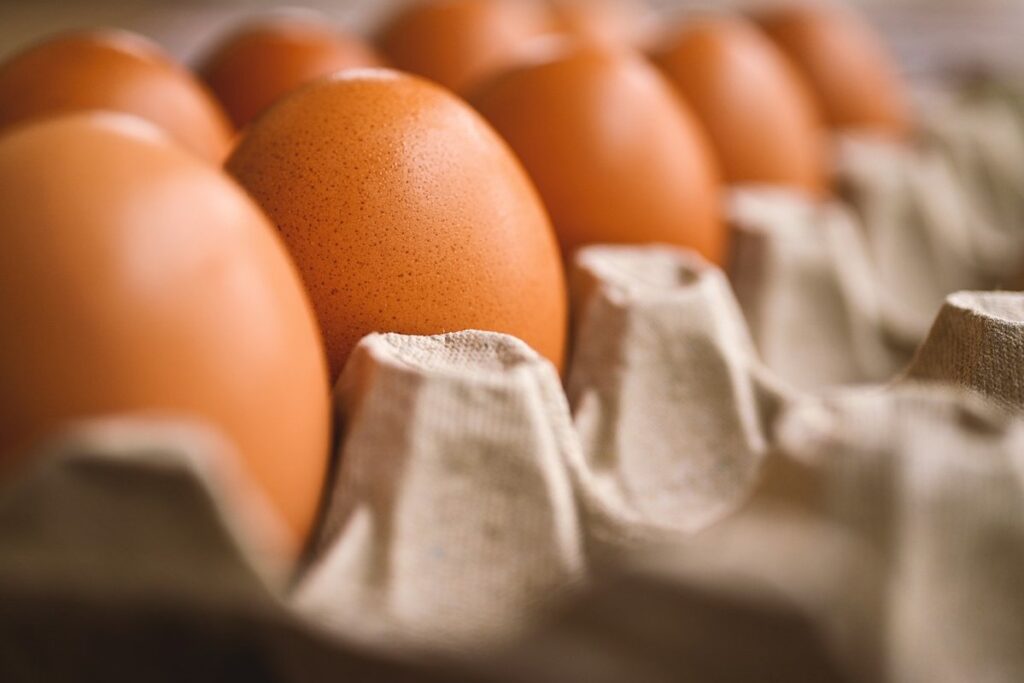
Understanding Why Chickens Eat Eggs
Let’s take a closer look at why chickens eat eggs in the first place, and it’s often more complex than you might think. It can be related to instinct, boredom, or nutritional deficiencies.
The Reasons Behind Egg Eating Behavior
Chickens eat eggs due to a complex interplay of factors, often stemming from their environment and nutritional needs. Boredom is a significant contributor, as chickens are intelligent creatures that require mental stimulation. If they don’t have enough activities or challenges to engage them, they might resort to egg eating out of boredom. For instance, a flock without adequate space to forage, exercise, or explore may turn to egg consumption.
Stress and anxiety also play a crucial role in egg eating behavior. Chickens can get stressed due to various factors like changes in their environment, lack of social interaction, or inadequate lighting. When they’re under stress, they might start pecking at eggs as a coping mechanism. To mitigate this issue, provide your flock with plenty of space, ensure a balanced and nutritious diet, and establish a consistent daily routine.
Nutritional deficiencies can also lead to egg eating in chickens. If their diet lacks essential vitamins or minerals, they may start seeking out eggs as a source of these nutrients. Ensure that you’re offering a well-rounded feed that meets your flock’s nutritional requirements.
Identifying Common Causes of Egg Eating
When it comes to preventing egg eating in chickens, understanding the common causes is crucial. Chickens may resort to eating eggs due to various reasons that can be addressed with proper management and care.
One of the primary causes of egg eating is overpopulation. When a flock is overcrowded, stress levels rise, and competition for resources intensifies. In such cases, chickens might see eggs as an easy target to satisfy their hunger or boredom. To avoid this, maintain an optimal flock size and ensure each bird has enough space to move around comfortably.
Lack of forage is another significant contributor to egg eating. Chickens need a balanced diet that includes a variety of fruits, vegetables, and grains to stay healthy and satisfied. If they’re not getting adequate nutrition from their feed or supplements, eggs can become an attractive alternative. Provide a diverse range of forages, such as leafy greens, seeds, and treats, to keep your flock engaged and nourished.
Inadequate nesting boxes are also a common cause of egg eating. Chickens need a safe and comfortable place to lay their eggs, free from stress and competition. Ensure each bird has access to at least one nesting box per 3-4 hens, and make sure they’re well-maintained, clean, and protected from predators.
By addressing these underlying causes, you can significantly reduce the likelihood of egg eating in your flock.
Recognizing the Signs of Egg Eating
So, you’ve noticed some eggs going missing from your coop, but how can you tell if it’s actually your chickens doing the eating? Let’s take a closer look at the common signs.
Physical Indicators of Egg Eating
When you suspect that a chicken is eating eggs, there are several physical signs to look out for. One of the most common indicators is dirt or debris around the vent area. Chickens that eat eggs often have difficulty passing the shell intact, which can cause it to break down and pass through their system. As a result, you may notice dirt or debris accumulating around the vent area, particularly if your chickens are housed in a dirty or unsanitary environment.
Another physical sign of egg eating is broken eggshells. Chickens that eat eggs will often swallow the shell whole, which can then be passed through their system intact. However, some shells may not make it through the digestive system and may be deposited in the coop or run. If you notice a large number of broken eggshells scattered around the coop or run, it could be a sign that one or more of your chickens is eating eggs.
It’s essential to keep an eye out for these physical signs and take steps to address any issues with cleanliness or nutrition that may be contributing to egg eating. By maintaining a clean and healthy environment, you can help prevent egg eating in your flock and reduce the risk of health problems associated with this behavior.
Behavioral Clues to Look Out For
When monitoring your flock for egg eating behavior, it’s essential to pay attention to behavioral clues. One of the most obvious signs is pecking at eggs in the nesting box. This can be a challenging habit to break, as chickens often learn by observing and imitating other hens. If you notice one of your girls consistently pecking at eggs, try separating her from the rest of the flock for a few days to see if she continues this behavior.
Another telltale sign is egg thievery – stealing eggs from other hens’ nests. This can be a major issue in multi-bird households, as dominant birds may start hoarding eggs for themselves. To prevent this, ensure each hen has her own nesting box and provide a secure, enclosed area where she can lay without interference.
Be aware of your chickens’ personalities and habits. Some breeds are naturally more prone to egg eating than others. If you have a flock with multiple breeds, pay close attention to the dynamics between them.
Preventative Measures for Egg Eating Chickens
To stop egg eating habits, it’s crucial to provide your flock with a balanced and nutritious diet that satisfies their needs. A well-rounded feed can go a long way in preventing this unwanted behavior.
Providing Adequate Nutrition and Supplements
Providing adequate nutrition and supplements is crucial to preventing egg eating in chickens. A balanced diet that meets their nutritional needs can go a long way in reducing the likelihood of this behavior. Chickens require a mix of proteins, carbohydrates, vitamins, and minerals to maintain overall health and well-being.
Some essential nutrients to include in your flock’s diet are calcium, phosphorus, and protein. Calcium is vital for strong eggshell production, while phosphorus helps with bone development. Protein sources like mealworms, sunflower seeds, or commercial poultry feed can provide the necessary amino acids.
Consider adding supplements to their diet, such as oyster shells or crushed eggshells, which are rich in calcium and other minerals. You can also try adding a small amount of apple cider vinegar to their water, as it contains beneficial probiotics that support digestive health. Always introduce new foods gradually to prevent digestive upset.
It’s also essential to ensure your chickens have access to fresh water at all times. A well-balanced diet and adequate hydration will help keep them satisfied and reduce the likelihood of egg eating behavior.
Creating a Stress-Free Environment
When it comes to preventing egg eating in chickens, creating a stress-free environment is crucial. Chickens that are under stress are more likely to develop abnormal behaviors, including pecking at eggs. So, how can you create a relaxing atmosphere for your flock? First and foremost, provide them with adequate space. A good rule of thumb is to give each chicken about 2-4 square feet per bird inside the coop, and at least 8-10 square feet per bird in the run.
Make sure your coop has proper ventilation, insulation, and a comfortable temperature range. Chickens can get cold or hot quickly, so ensure their living quarters are well-insulated and draft-free. Also, provide plenty of natural light by placing windows on the south side of the coop. Adequate forage is another essential component of a stress-free environment. Offer your chickens a variety of fresh fruits and vegetables daily, such as leafy greens, carrots, and apples.
This will not only keep them occupied but also provide essential nutrients. Finally, consider adding enrichment activities to their routine, like hiding treats or toys around the run. This mental stimulation will help reduce boredom and stress in your flock. By implementing these simple strategies, you can create a more relaxed environment for your chickens, which in turn, may help curb egg eating behaviors.
Managing Your Flock to Prevent Egg Eating
To prevent egg eating, it’s essential to understand why your chickens are doing it and how you can adjust their environment to discourage this behavior. Let’s dive into some practical strategies for managing your flock.
Implementing Breeding Programs
When selecting breeds for egg production, consider incorporating traits that naturally deter egg eating. Some chicken breeds are less prone to this behavior due to their genetics and instincts. Breeds like the Silkie, Polish, and Brahmas tend to be more docile and laid-back, reducing their likelihood of engaging in egg eating.
To implement a breeding program focused on reducing egg eating, identify your flock’s specific problem areas and target breeds that exhibit desirable traits. You may need to work with a reputable breeder or establish partnerships with other farmers to access the necessary genetics. This collaborative approach allows you to pool resources and expertise, streamlining the process of developing a more resilient flock.
Incorporating egg-eating-resistant breeds into your flock can take time, as breeding programs often span multiple generations. However, the long-term benefits can be substantial in reducing overall egg losses and related stress. Monitor your flock’s behavior and adjust your breeding program accordingly to ensure the desired traits are being passed down effectively.
Culling Aggressive or Problematic Birds
Culling aggressive or problematic birds from your flock is an essential step in preventing egg eating behavior. These birds can be a significant threat to the health and well-being of your flock, as they often target weak or injured chickens that are more likely to engage in destructive behaviors like egg eating.
When identifying which birds to cull, look for signs of aggression, such as pecking at other birds or dominating food sources. These birds can create a culture of fear within the flock, leading to stress and anxiety that may contribute to egg eating behavior. Other problematic birds may exhibit abnormal behaviors, such as excessive feather plucking or pacing.
To cull these birds humanely, it’s essential to identify them early on and separate them from the rest of the flock before they cause harm. Consider consulting with a veterinarian or poultry expert for guidance on humane culling practices. In some cases, it may be necessary to remove an entire bird group if one dominant individual is causing problems. By removing aggressive or problematic birds, you can create a more balanced and harmonious flock environment that reduces the likelihood of egg eating behavior.
Treating and Rehabilitating Egg Eating Chickens
If you’ve caught your hen red-handed, don’t worry – there’s hope for rehabilitation. In this crucial part of our guide, we’ll share effective methods to treat and rehabilitate egg-eating chickens.
Identifying Treatable Causes
When you notice that your egg-laying hens are engaging in egg eating behavior, it’s essential to investigate the underlying causes. While some cases of egg eating may be related to psychological or learned behaviors, many instances can be attributed to treatable issues such as nutritional deficiencies and parasites.
Firstly, ensure that your chickens’ diet is balanced and nutritious. A lack of calcium or protein in their feed can lead them to seek out eggs as a source of these essential nutrients. Consider supplementing their diet with crushed eggshells or oyster shells to boost calcium levels. Additionally, provide a high-quality layer feed that meets the nutritional needs of your hens.
Parasites like mites and lice can also contribute to egg eating behavior. Regularly inspect your chickens for signs of parasites, such as excessive scratching or feather pecking. Treat any infestations promptly with an appropriate medication, and ensure that their living conditions are clean and well-ventilated to prevent future occurrences.
By addressing these treatable causes, you may be able to curb your hens’ egg eating behavior without having to implement more drastic measures.
Rehabilitation Strategies for Affected Birds
If you’ve caught an egg-eating chicken in the act and are now wondering what to do next, don’t worry – rehabilitation is possible. The first step towards rehabilitating an affected bird is to understand that it’s likely due to nutritional deficiencies or environmental factors.
Dietary changes can play a significant role in curbing this behavior. You can try adding some calcium-rich foods like crushed oyster shells, dark leafy greens, and fruits to their diet. Ensure the chickens have access to fresh water at all times and maintain a balanced nutrition regimen. Some studies suggest that providing supplements like probiotics or omega-3 fatty acids may also help reduce egg-eating behavior.
In addition to dietary changes, making environmental modifications can also be beneficial. This might involve rearranging nesting boxes or adding distractions around the coop to redirect their attention away from eggs. Another approach is to separate the affected bird from its flock, providing a quieter and more relaxed environment for it to adjust. Some experts recommend placing a few rocks or marbles near the nests as an alternative source of interest and stimulation.
Keep in mind that rehabilitation might take time, so be patient and consistent with your approach.
Long-Term Solutions to Prevent Egg Eating
To truly address the issue of egg eating, you’ll want to implement long-term solutions that get at the root causes of this behavior in your flock. This section will explore those strategies.
Creating a Positive Reinforcement Training Program
Creating a positive reinforcement training program is an effective way to encourage desired behaviors in chickens and prevent egg eating. By associating positive outcomes with good behavior, you can teach your flock to stop pecking at eggs and develop healthier habits. Start by identifying the specific behaviors you want to reinforce, such as foraging or scratching.
Use treats like sunflower seeds or cracked corn to reward your chickens when they exhibit these behaviors in the presence of eggs. For example, place a treat on top of an eggshell while your chicken is foraging nearby. As she begins to associate the treat with the behavior, gradually phase out the food rewards and introduce other stimuli, such as toys or enrichment activities.
A well-designed positive reinforcement program can also help reduce stress and boredom in your flock, common triggers for egg eating. By keeping your chickens engaged and stimulated, you’ll be taking a proactive step towards preventing this undesirable behavior.
Encouraging Natural Foraging Behavior
Encouraging natural foraging behavior is one of the most effective long-term solutions to prevent egg eating in backyard flocks. Chickens are naturally inclined to forage for food, and when they’re provided with a stimulating environment that mimics their natural behavior, they’re less likely to turn to eggs as a source of protein.
Using foraging toys can be an excellent way to encourage your flock’s natural instincts. Fillable foraging toys, such as those designed like logs or seed-filled puzzle toys, challenge your chickens to work for their food and keep them engaged for hours. Place these toys around the coop or run to create a treasure hunt-like experience.
Incorporating foraging plants into your flock’s environment is another great strategy. Plants with edible flowers, leaves, or fruits like kale, dandelion, and fruit trees are perfect additions to your flock’s foraging menu. This not only provides a natural source of food but also adds variety to their diet and satisfies their instinctual desire to search for food.
By incorporating these strategies into your flock management plan, you can create an environment that supports your chickens’ natural behavior and reduces the likelihood of egg eating.
Frequently Asked Questions
How do I determine if my chicken’s egg eating behavior is due to nutritional deficiencies or other causes?
If you suspect that your chicken’s egg eating is related to nutritional deficiencies, consider consulting with a veterinarian or poultry expert who can analyze their diet and provide recommendations for supplements. You can also look out for physical indicators such as pale combs, droopy wings, or excessive pecking at feathers.
What are some tips for creating a stress-free environment in my chicken coop?
To create a stress-free environment, make sure your flock has enough space to move around, roost comfortably, and engage in natural behaviors like foraging. Provide adequate ventilation, remove any sources of noise pollution, and rotate their living areas regularly to prevent boredom.
Can I raise chickens that are naturally resistant to egg eating behavior?
Yes, some breeds are less prone to egg eating than others due to selective breeding programs aimed at reducing this behavior. Research breeds known for being less aggressive or problem-prone and consider working with reputable breeders who have experience in raising egg-eating-resistant flocks.
What should I do if my veterinarian determines that my chicken has a treatable underlying medical condition causing the egg eating?
If your vet identifies an underlying medical issue, work closely with them to develop a rehabilitation plan tailored to your flock’s needs. This may involve dietary changes, supplements, or environmental adjustments. Keep in mind that treating and rehabilitating affected birds often requires patience and persistence.
How long does it typically take for chickens to adjust to new preventative measures?
The time it takes for chickens to adjust to new preventative measures can vary depending on the severity of their egg eating behavior and the effectiveness of your approach. Generally, it may take several weeks or even months for them to fully adapt, so be prepared to make adjustments as needed and monitor their progress closely.