
Have you ever noticed that your once-luxurious flock is suddenly sporting bare spots or ruffled feathers? Feather loss in chickens can be a frustrating and worrying issue for any backyard chicken keeper. It’s not just about aesthetics; feather loss can also be a sign of underlying health issues, stress, or even nutritional deficiencies. As a responsible chicken owner, it’s essential to identify the root cause of this problem to prevent further damage and ensure your flock stays healthy and thriving. In this article, we’ll explore common causes of feather loss in chickens, from internal parasites and health issues to external factors like stress and environmental conditions. By understanding these causes and learning effective prevention strategies, you can take proactive steps to protect your flock’s health and well-being.
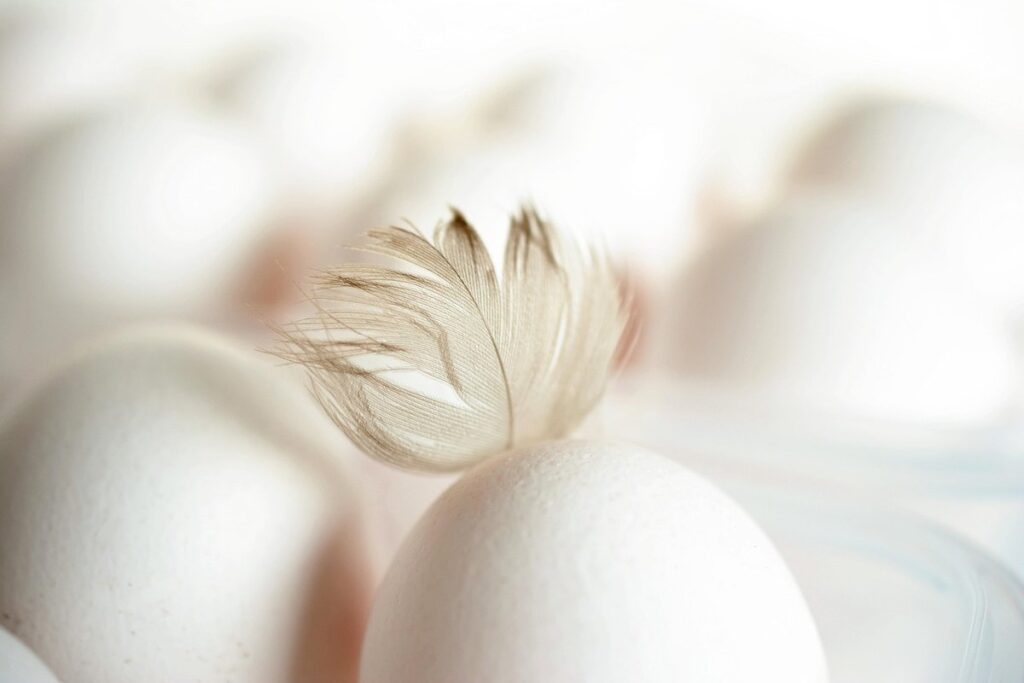
Common Causes of Feather Loss in Chickens
If you’re dealing with feather loss in your flock, understanding its root causes is essential for taking corrective action. Let’s explore some of the most common reasons why chickens shed their feathers.
Nutritional Deficiencies
A balanced diet is essential for maintaining healthy feathers in chickens. However, nutritional deficiencies can lead to feather loss, so it’s crucial to understand what can go wrong. Protein deficiency, in particular, is a common issue that can cause chickens to pull out their own feathers due to stress and discomfort.
Other key nutrients like calcium, vitamin D3, and omega-3 fatty acids are also vital for maintaining healthy feathers. A lack of these essential vitamins and minerals can lead to weakened feather follicles, making them more susceptible to damage and breakage.
To ensure your flock is getting the necessary nutrients, consider supplementing their diet with a high-quality commercial feed or incorporating fresh fruits and vegetables into their meals. You should also provide access to free-choice oyster shells for calcium supplementation. Additionally, offering a diverse range of grains like oats and barley can help meet their nutritional needs.
Remember, prevention is key, so monitor your flock’s eating habits closely and adjust their diet accordingly. If you notice feather loss or any other health issues, consult with a veterinarian to rule out underlying conditions that may be causing the problem.
Health Issues and Fungal Infections
When it comes to feather loss in chickens, health issues and fungal infections are two common causes that can be distressing for backyard flock owners. One of the most prevalent internal parasites causing feather loss is mites. These tiny blood-sucking insects burrow into the bird’s skin, leading to irritation and subsequent feather plucking.
Another external parasite responsible for feather loss is lice. These pests feed on the chicken’s feathers, scales, and skin, causing significant discomfort and stress in affected birds. Regular inspections of your flock and their living environment can help identify mite or lice infestations early on.
Fungal infections like avian pox and fowlpox also cause feather loss by creating scabby lesions on the bird’s skin. Avian pox, for instance, leads to the formation of crusty growths around the eyes, beak, and mouth. Early detection and treatment are crucial in managing these conditions.
To prevent or manage health issues and fungal infections that lead to feather loss, ensure your flock receives a balanced diet rich in essential nutrients. Regular cleaning and disinfection of coops and runs can also help minimize the risk of internal parasites like mites and lice.
Stress and Environmental Factors
Stress and environmental factors can significantly contribute to feather loss in chickens. Changes in environment, such as moving them to a new coop or introducing new birds, can cause significant stress leading to feather pecking and loss. Overcrowding is another common stressor that can result in aggressive behavior among hens, causing them to pull each other’s feathers.
Extreme temperatures, either too hot or too cold, can also lead to feather loss. Chickens may lose their feathers due to excessive heat causing sweating, which can make them more susceptible to parasites and skin conditions. On the other hand, extreme cold may cause stress leading to excessive molting, a process where chickens shed their old feathers to adapt to the changing climate.
To minimize these effects, provide your flock with a stable and comfortable living environment. Ensure proper ventilation in the coop to regulate temperature, reduce humidity levels, and prevent ammonia buildup from droppings. Maintain a balanced social structure by introducing new birds gradually and ensuring adequate space for each bird. Regularly inspect your chickens’ living quarters and address any issues promptly.
External Parasites and Pests
External parasites and pests can play a significant role in feather loss, so let’s take a closer look at common culprits like mites, lice, and fleas.
Mites and Lice
When it comes to external parasites and pests, mites and lice are two of the most common culprits behind feather loss in chickens. Mites, specifically, can cause significant stress and discomfort for your flock. There are several types of mites that affect chickens, including the Northern fowl mite (Ornithonyssus sylviarum), the chicken mite (Dermanyssus gallinae), and the red fowl mite (D. houardi). These parasites feed on the blood and skin secretions of your birds, leading to irritation, anemia, and ultimately, feather loss.
Symptoms of a mite infestation include excessive scratching, lethargy, and a decrease in egg production. If you suspect that your flock is suffering from mites, look for tiny, light-colored dots on the feathers or skin, which are actually eggs deposited by the female mite. Treatment involves using medicated powders or sprays specifically designed to target these parasites. Regular cleaning of coop surfaces and dust baths can also help control infestations. Lice, on the other hand, are larger than mites and have a harder exoskeleton; they attach themselves to feathers rather than skin and feed on dead skin cells.
Other External Parasites
While mites are often the primary external parasite culprit behind feather loss in chickens, other unwanted guests can also cause discomfort and contribute to this issue. Fleas, for instance, can lay their eggs on a chicken’s feathers, leading to intense scratching and subsequent feather plucking.
Ticks are another external parasite that can attach to a chicken’s skin and feed on its blood, causing stress and discomfort that may result in excessive feather loss. These parasites thrive in environments with dense vegetation and high humidity, making certain climates more conducive to infestation.
To prevent and control fleas and ticks on your flock, practice good yard management by regularly cleaning up debris and maintaining a clean coop. Ensure all chickens have access to dust baths or sand, which can help remove unwanted external guests from their feathers. Regularly inspect your birds for signs of infestation, such as flea dirt (tiny black specks) or tick bites, and treat promptly with veterinarian-recommended products if necessary.
Regular yard inspections also allow you to identify potential flea and tick breeding grounds, such as tall grasses or weeds near the coop. By keeping these areas under control, you can reduce the likelihood of infestation and subsequent feather loss in your flock.
Internal Parasites and Fungal Infections
Internal parasites and fungal infections can sneak up on your flock, causing feather loss and other health issues. Let’s explore these hidden threats to your chickens’ well-being.
Worms and Protozoa
Internal parasites like worms and protozoa can wreak havoc on your flock’s health, indirectly contributing to feather loss. These tiny critters feed on nutrients meant for your chickens, weakening their immune system and making them more susceptible to diseases that cause feather loss.
Roundworms (Ascaridia galli) are one of the most common internal parasites found in chickens. They lay eggs in the gut, which hatch into larvae that migrate through the body, causing damage and inflammation. Tapeworms (Raillietina echinobothrida), on the other hand, attach themselves to the intestinal wall, sucking nutrients from your chicken’s diet.
Symptoms of internal parasites include weight loss, lethargy, and changes in droppings. If left untreated, these parasites can lead to malnutrition, which is a primary cause of feather loss. Deprived of essential nutrients, your chickens may start losing feathers as their body prioritizes vital functions over maintaining healthy plumage.
Treatment options include administering anthelmintic medications, improving sanitation and hygiene in the coop, and ensuring your flock has access to clean water and a balanced diet rich in protein. Regular deworming, proper feeding practices, and monitoring for symptoms can help prevent internal parasites from taking hold and causing feather loss.
Fungal Infections
Fungal infections can significantly impact your flock’s feather health. Candidiasis, a common fungal infection caused by yeast overgrowth, is one such issue that affects many chicken keepers worldwide. This condition arises when the natural balance of bacteria on the skin is disrupted, allowing the yeast to multiply unchecked.
Candidiasis often manifests as patches of missing or brittle feathers around the vent area, leading to significant feather loss. The infection can be painful for your chickens, causing discomfort and stress. To prevent candidiasis, maintain a balanced diet that includes ample amounts of probiotics and prebiotics. Regularly cleaning the coop and minimizing stress levels in your flock will also help keep fungal infections at bay.
If you suspect an outbreak, treat affected birds with a medicated ointment or spray containing ingredients such as enilconazole or miconazole. In severe cases, consult a veterinarian for guidance on antifungal medication and supportive care. Regular monitoring of your flock’s health and prompt intervention can prevent fungal infections from taking hold and causing further feather loss issues.
Stress-Related Feather Loss
When it comes to feather loss, stress can be a significant contributing factor. We’ll explore how chronic stress affects your flock’s feathers and what you can do to alleviate this issue.
Behavioral Causes
Chickens that are not stimulated mentally or physically can develop behavioral issues such as feather pecking and loss. Boredom is a common cause of stress in chickens, leading to excessive preening and self-pecking behaviors. To combat this issue, you should provide your flock with plenty of enrichment activities, such as foraging toys filled with treats like sunflower seeds or pumpkin.
Another behavioral factor contributing to feather pecking is lack of space and social interaction. Chickens need room to move around comfortably and engage in natural behaviors like scratching and dust bathing. Ensure that your coop provides sufficient square footage per bird and considers the chickens’ flock dynamics when making changes.
Consider introducing a variety of activities, such as cardboard box exploration or window perch observation. This will not only reduce stress but also encourage natural pecking behavior, redirecting it away from feathers. By addressing these underlying behavioral causes, you can help prevent feather loss in your flock and promote overall well-being.
Housing and Environmental Factors
When it comes to managing stress-related feather loss in chickens, the housing conditions and environment play a significant role. Overcrowding, inadequate ventilation, and poor lighting can all contribute to increased stress levels, leading to feather plucking or loss.
To create a more relaxed atmosphere for your flock, consider the following design elements for your coop: ample space per bird (at least 4-5 square feet), adequate ventilation through windows or vents, and natural light supplementation with LED grow lights. This can help reduce stress caused by confinement and poor air quality.
Inadequate nesting boxes can also contribute to stress, particularly among egg-laying hens. Ensure that each hen has access to a dedicated nesting box (about 2-3 square feet in size). Proper cleaning and maintenance of the coop will further alleviate any stress-related behaviors. By prioritizing these design aspects, you’ll create a more comfortable living space for your flock and minimize the likelihood of stress-induced feather loss.
Prevention Strategies
Preventing feather loss is a crucial aspect of chicken care, and understanding effective strategies can help you identify and address potential issues before they arise. Let’s explore some practical prevention methods.
Nutrition and Diet Planning
A balanced diet is crucial for maintaining healthy feathers in chickens. A nutrient-deficient diet can lead to feather loss, so it’s essential to create a well-planned meal plan for your flock. Start by providing high-quality layer feed as the main staple, and supplement with fresh fruits and vegetables daily.
Some key nutrients that are vital for feather health include protein, vitamins, and minerals like zinc, iron, and biotin. You can enhance their intake through nutritional supplements specifically designed for chickens. For example, adding a small amount of flaxseed oil or fish oil to their feed can provide essential fatty acids, which promote skin and feather health.
To create an effective diet plan, consider the following steps: consult with a veterinarian to determine your flock’s specific nutritional needs, research different feeding options, and gradually introduce new foods to prevent digestive upset. Also, make sure to provide access to clean water at all times. By following these tips, you can help prevent feather loss in your chickens due to nutritional deficiencies.
Health Monitoring and Preventative Care
Regular health checks and preventative care are essential for maintaining the overall health and well-being of your chickens. A healthy flock is less likely to experience feather loss due to underlying health issues. Vaccination programs can help protect against diseases that may cause feather loss, such as Marek’s disease or Newcastle disease.
Monitoring your chickens’ behavior and physical condition can also help identify potential health problems early on. For example, if you notice a chicken avoiding the roosting area or showing signs of lethargy, it could indicate a respiratory issue or other underlying problem.
To promote overall health, make sure to provide a balanced diet, fresh water, and a clean living environment for your chickens. Additionally, maintaining good biosecurity practices can help prevent disease outbreaks. This includes regular cleaning of coops and runs, proper disposal of waste, and restricting access to predators.
By prioritizing the health and well-being of your flock, you can significantly reduce the risk of feather loss due to underlying health issues. Regular check-ups with a veterinarian can also provide valuable insights into maintaining optimal flock health.
Treatment Options and Remedies
Now that you’re aware of the causes and prevention strategies for feather loss, let’s discuss the treatment options available to help your chickens recover.
Nutritional Supplements
When it comes to promoting healthy feathers and preventing loss in chickens, nutritional supplements can play a crucial role. Adding certain nutrients to their diet can help strengthen their feathers, improve their overall health, and even reduce the risk of feather loss.
Protein-rich supplements like dried mealworms or crickets are excellent additions to a chicken’s diet. These insects provide essential amino acids that promote healthy feather growth and maintenance. You can also try adding eggshell powder, which is rich in calcium and helps fortify feathers from within.
Another important nutrient for feather health is omega-3 fatty acids, found in flaxseeds or fish oil supplements. These help to reduce inflammation and promote healthy skin and feather production. Additionally, probiotics can support a chicken’s digestive system, ensuring that they’re absorbing nutrients effectively and reducing the risk of feather loss due to nutritional deficiencies.
It’s essential to note that over-supplementation can be detrimental to your chickens’ health, so always follow the recommended dosages and introduce new supplements gradually. With careful planning and attention to their dietary needs, you can help maintain healthy feathers and prevent unnecessary loss in your flock.
Home Remedies and Natural Treatments
When it comes to soothing skin irritations, reducing stress, and addressing underlying health issues contributing to feather loss in chickens, natural home remedies can be a great option. One of the most effective remedies is coconut oil. Apply a small amount directly to affected areas or mix with apple cider vinegar for a gentle bath soak. The antifungal and antibacterial properties of coconut oil help combat skin infections that lead to feather plucking.
Another remedy worth considering is using oatmeal as a soothing powder in the chicken’s dust bath. Oatmeal helps calm irritated skin, reduce inflammation, and promote healthy feather growth. For more severe cases, you can try adding probiotics to their feed or water to support gut health. A balanced gut microbiome is essential for maintaining a healthy immune system, which plays a crucial role in preventing feather loss.
In addition to these remedies, creating a stress-free environment is also vital. Chickens under stress tend to pull out their own feathers due to anxiety and discomfort. Provide plenty of space, clean living conditions, and adequate hiding places to reduce stress levels.
Frequently Asked Questions
Can I completely eliminate external parasites and pests from my flock’s environment?
Yes, by regularly cleaning your coop and runs, using diatomaceous earth to repel mites and lice, and introducing beneficial insects like ladybugs or lacewings that prey on these pests. A well-maintained coop can help prevent re-infestation and reduce the risk of feather loss.
How do I identify nutritional deficiencies in my flock’s diet?
Regular health checks, observing your chickens’ behavior and overall condition, and having a veterinarian conduct blood tests to detect any underlying issues are all crucial steps. You should also consider consulting with a poultry nutritionist to ensure your feed is balanced and meets the specific needs of your flock.
What if I’ve implemented prevention strategies but still notice feather loss in my flock?
Consider the possibility that stress or environmental factors, such as changes in temperature, humidity, or access to light, could be contributing to the problem. Monitor your flock’s behavior and adjust their environment accordingly. It may also be necessary to consult with a veterinarian to rule out underlying health issues.
Can I use home remedies for internal parasites without consulting a veterinarian?
No, while some natural treatments like garlic, apple cider vinegar, or diatomaceous earth may have benefits in certain situations, they should not replace professional veterinary care. Internal parasites can cause severe health issues if left untreated, so it’s essential to consult with a vet before attempting any treatment.
How long does it take for my flock to recover from nutritional deficiencies or internal parasite infestations?
The recovery time will depend on the severity of the issue and the effectiveness of the treatment plan. In general, it can take several weeks to months for your flock’s health to return to normal after addressing underlying issues like nutritional deficiencies or internal parasites. Be patient, as gradual improvements in their condition are often a sign of progress.