
Are you a backyard chicken keeper struggling to protect your lush lawn from feathered friends? It’s not uncommon for chickens to dig, scratch, and peck at your grass, leaving behind unsightly holes and bald spots. But why do they behave this way? Understanding their behavior is key to preventing lawn damage caused by chickens.
As you’ll learn in this article, identifying high-risk areas of your yard – such as those with soft soil or succulent plants – can help you target your prevention strategies. We’ll explore practical tips on how to protect your lawn from chicken damage, including ways to distract them from their destructive habits and create a more balanced ecosystem that benefits both humans and animals. By the end of this article, you’ll be equipped with the knowledge to enjoy a beautiful, healthy lawn alongside your happy backyard chickens.
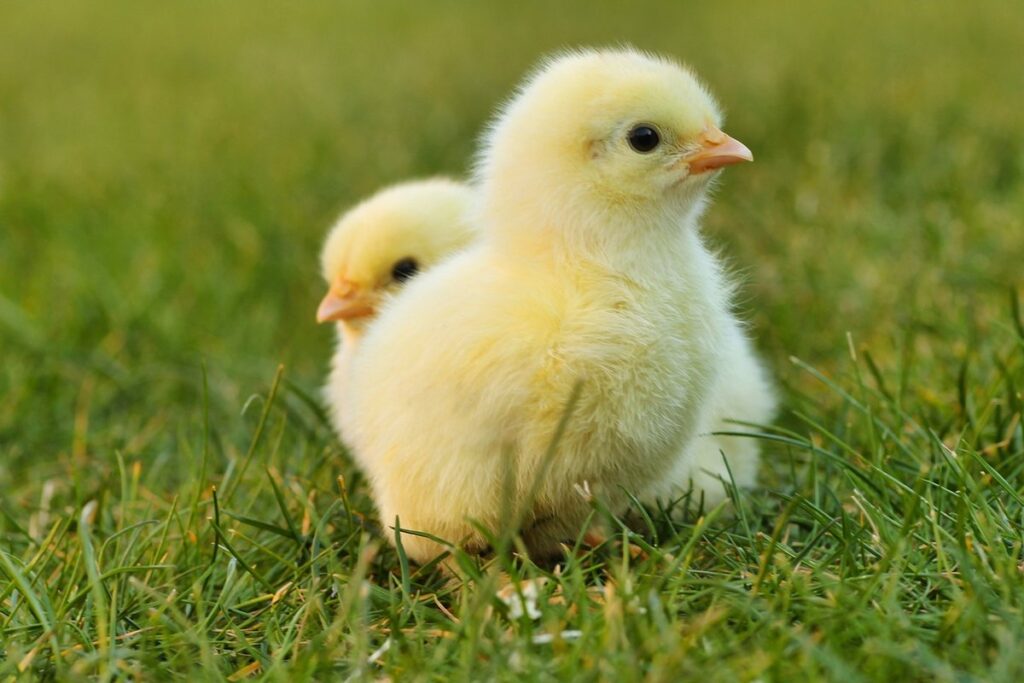
Understanding Chicken Behavior and Lawn Interactions
Understanding how chickens behave around your lawn is crucial to preventing damage, as they have natural instincts that drive their foraging habits. Let’s explore these behaviors together.
Factors Contributing to Lawn Damage
Chickens’ foraging behavior is one of their most natural instincts. They love to scratch and peck at the ground, searching for insects, seeds, and other tasty treats. However, this behavior can lead to lawn damage as they dig up grass and soil with their strong legs and sharp claws.
Factors like soil quality also play a significant role in lawn damage from chickens. If your lawn has poor drainage or compacted soil, it becomes more susceptible to damage from chicken digging. Similarly, certain types of grass are more resilient than others and can withstand the wear and tear caused by chickens.
Some chicken breeds are naturally more destructive than others. Large breeds like Orpingtons and Brahma tend to cause more lawn damage due to their size and strength. If you’re planning to raise chickens on your lawn, it’s essential to choose a breed that is gentle and doesn’t have the urge to dig extensively.
Identifying High-Risk Areas in Your Yard
When it comes to identifying high-risk areas in your yard where chickens are likely to cause damage, there are several common culprits to watch out for. One of the most obvious is near food sources – whether that’s a feeder or a garden bed. Chickens have a natural instinct to scratch and peck at anything they perceive as edible, so it’s essential to keep these areas secure and inaccessible.
Another area where chickens tend to cause damage is around water features like ponds, fountains, or birdbaths. While your flock may enjoy splashing in the water on hot days, it can also lead to mud pits and muddy messes that destroy grass and landscaping. To minimize this risk, consider installing a separate chicken-friendly watering system or covering your existing water feature with netting or mesh.
You should also be aware of areas where chickens like to congregate, such as near shelter or nesting boxes. These hotspots can attract droppings and create unsightly stains on your lawn. By placing these structures in more discreet locations or using durable, easy-to-clean materials, you can reduce the risk of damage in these areas.
It’s also crucial to consider your yard’s layout and design when trying to minimize chicken damage. Avoid placing chicken runs or enclosed areas near sensitive plants or valuable landscaping features. Instead, direct their attention towards designated “chicken zones” where they can roam freely without causing harm.
Chicken-Related Lawn Damage Types
When it comes to managing chickens and your lawn, understanding the different types of damage they can cause is essential for effective prevention strategies. Let’s explore common chicken-related lawn damage types next.
Digging and Burrowing Damage
Chicken digging can wreak havoc on your lawn, causing more than just aesthetic issues. The impact of their burrowing activities extends to soil compaction, root damage, and uneven surfaces. When chickens dig, they pack the soil down, making it difficult for water and air to penetrate. This reduced drainage leads to puddles and waterlogging, which can be detrimental to your lawn’s health.
Roots of nearby plants may also be damaged as chickens create pathways through the soil. As they continue to burrow, these paths become more pronounced, resulting in uneven surfaces that can make mowing and maintenance a challenge. To mitigate this damage, provide your flock with adequate exercise areas where they can scratch and dig without targeting your lawn.
Another solution is using underground fencing or buried mesh to protect specific areas of your lawn from chicken digging. This allows them to forage and exercise freely while keeping their digging contained. By implementing one or both of these strategies, you can significantly reduce the damage caused by your chickens’ digging habits.
Overgrazing and Mowing Inefficiencies
Overgrazing by chickens can be a major contributor to lawn damage. When chickens are allowed to roam freely on the same spot for extended periods, they can strip the grass of its nutrients and wear it down through constant pecking. This not only leads to bare spots but also creates an ideal environment for pests like weeds, grubs, and insects to thrive.
To mitigate these effects, consider implementing a rotational grazing schedule. Divide your lawn into smaller sections and rotate your chickens every few days to prevent overgrazing in any one area. You can also adjust the frequency of mowing to allow new growth to emerge. For example, if you notice that your lawn is looking worn down in certain areas, try moving the mower path slightly to give those spots a break.
Additionally, ensure that your chickens are receiving balanced nutrition through their feed. A well-fed flock will be less inclined to peck at your lawn excessively. Aim for 1-2% of their body weight in feed per day, and supplement with fresh fruits and veggies as treats.
Lawn Care Strategies for Chicken Owners
As a backyard chicken owner, it’s essential to consider lawn care strategies that prevent damage and promote a healthy coexistence between your feathered friends and lush green grass. Let’s explore some practical solutions together.
Implementing Integrated Pest Management (IPM) Techniques
When it comes to managing lawn care with chickens running around, Integrated Pest Management (IPM) techniques are a game-changer. By adopting IPM practices that incorporate natural pest control methods, beneficial insects, and crop rotation strategies, you can create a balanced ecosystem and reduce chemical use.
One of the key benefits of IPM is its ability to attract beneficial insects like ladybugs and lacewings that prey on pests that harm your lawn. By creating a welcoming environment for these beneficial bugs, you can naturally control pest populations without relying on pesticides. For example, planting flowers that attract pollinators like bees and butterflies can also bring in beneficial insects that will help keep pest populations under control.
Crop rotation is another essential component of IPM. By rotating your lawn’s crops or grass types, you can break the life cycle of pests that target specific plants. This not only reduces chemical use but also promotes soil health and fertility. To implement crop rotation effectively, identify the most susceptible areas of your lawn to pest damage and rotate those sections regularly.
By adopting these IPM techniques, you’ll be able to create a thriving lawn ecosystem that’s resilient to pest damage and requires fewer chemicals.
Using Mulch, Compost, or Cover Crops to Enhance Lawn Health
When it comes to mitigating lawn damage caused by chickens, soil health is crucial. Chickens can compact soil and disrupt its natural ecosystem, leading to waterlogging and nutrient deficiencies. By incorporating mulch, compost, or cover crops into your lawn care routine, you can create an environment that’s less susceptible to damage.
Mulch acts as a barrier between the soil and chicken droppings, preventing nitrogen imbalances and reducing weed growth. Compost adds essential nutrients and beneficial microorganisms, promoting healthy microbial activity and improving water retention. Cover crops, such as clover or rye, help suppress weeds and stabilize the soil structure, making it easier to manage.
To implement this strategy effectively:
* Apply a 2-3 inch layer of organic mulch around chicken run perimeters.
* Mix compost into the soil before planting grass seed or aerating.
* Plant cover crops in areas with heavy chicken activity, allowing them to grow for 4-6 weeks before mowing and incorporating them back into the lawn.
Chicken-Proofing Your Lawn: Fencing and Deterrents
When it comes to protecting your lawn from chicken damage, fencing is a crucial step. We’ll explore effective fencing options and deterrents to keep those feathered friends out of your grass.
Installing Perimeter Fences to Contain Chickens
When it comes to installing perimeter fences to contain chickens, choosing the right fencing material is crucial. You can opt for traditional wood fencing, which provides a natural and aesthetically pleasing look, but requires regular maintenance to prevent rot and warping. Another option is plastic fencing, which is more durable and low-maintenance, but may not be as visually appealing.
For chicken enclosures, wire fencing is often the most practical choice. It’s easy to install, provides good ventilation, and can be coated with a durable finish to prevent rust. Consider using hardware cloth or poultry netting for added security and protection against predators.
When selecting a fence height, ensure it’s at least 3 feet tall to prevent chickens from flying over. A sturdy design should also include a gate that can withstand the weight of chickens trying to escape or push through. To prevent damage, consider installing a fence with a slight incline outward, making it difficult for chickens to scratch and dig underneath. Remember to space your fencing posts closely together (about 8-10 feet apart) to create a secure enclosure for your flock.
Using Motion-Activated Sprinklers or Other Deterrents
If you’ve tried fencing off your lawn to no avail, it’s time to think outside the box and consider alternative methods to discourage chickens from entering restricted areas. One effective option is using motion-activated sprinklers. These devices are triggered by movement and release a sudden burst of water, startling any would-be intruders and deterring them from returning.
Another option is ultrasonic repellent devices, which emit high-frequency sounds undetectable to humans but unpleasant for chickens. However, some users have reported inconsistent results, possibly due to the device’s limited range or interference from other electronic devices.
To maximize effectiveness, place motion-activated sprinklers strategically around your lawn’s perimeter and test them regularly to ensure they’re working correctly. When using ultrasonic repellents, try placing multiple units in key areas or experiment with different frequencies to find what works best for you. Keep in mind that these deterrents might not be 100% effective, but they can complement other prevention methods and help minimize lawn damage from chicken visitors.
Prevention Through Education and Planning
To minimize lawn damage from chickens, it’s essential to educate yourself on their habits and dietary needs, as well as plan a yard that accommodates both your birds and grass.
Understanding Chicken Behavior through Observations and Research
Observing your chickens’ behavior is crucial to understanding their lawn damage patterns. Take note of when and where they tend to peck at grasses and plants, as this can help you anticipate potential problem areas. For instance, if you’ve noticed your hens are particularly fond of scratching around the same spot near the feeder, it’s likely that area will need extra attention.
To educate yourself on chicken behavior, start by consulting reputable resources such as books, online forums, and expert websites. The American Poultry Association and BackYard Chickens are great places to begin your research. Take notes on topics like natural foraging habits, nesting behaviors, and exercise requirements.
Understanding these patterns can help you take preventative measures, such as installing a covered run or creating a designated “chicken zone” with durable plants that can withstand pecking. You can also adjust your feeding schedule to encourage more foraging in less sensitive areas of the lawn. By staying informed about chicken behavior and taking proactive steps, you can minimize lawn damage and create a harmonious coexistence between your feathered friends and your outdoor space.
Integrating Lawn Maintenance into Your Routine
Integrating lawn maintenance into your routine is crucial to preventing damage from chickens. Start by scheduling regular inspections of your lawn to monitor for signs of wear and tear. Set aside time each week to walk through your yard, noting areas where the grass appears thin or bare. Take photos and record your observations in a logbook or spreadsheet to track changes over time.
Be sure to adjust your maintenance schedule accordingly. For example, if you notice that your chickens are particularly fond of a certain area of your lawn, increase mowing frequency or apply targeted fertilizers to promote healthy growth. Consider implementing a rotation plan for your chicken’s feeding and watering stations to distribute wear evenly across the yard.
By staying vigilant and making adjustments as needed, you can minimize the impact of your chickens on your lawn. Remember that every lawn is unique, so it may take some trial and error to find the right balance between keeping your birds happy and maintaining a lush, healthy landscape.
Conclusion and Final Thoughts
In conclusion, having chickens can be a wonderful addition to your backyard, but it’s essential to take steps to prevent lawn damage. By implementing some simple measures, such as regular cleaning of coop areas and keeping feeders off the grass, you can minimize the impact on your lawn. It’s also crucial to consider the type of plants you have in your garden – if you’re growing valuable crops or ornamental flowers, it may be wise to fence them off from your chicken area. Don’t get discouraged if you do notice some damage; with a little creativity and elbow grease, you can repair the damage and even create a beautiful landscape that incorporates both chickens and lawn. By being proactive and planning ahead, you can enjoy the benefits of backyard chickens while maintaining a lush, healthy lawn.
Frequently Asked Questions
How can I determine if my yard is a high-risk area for chicken damage?
Determine your yard’s risk level by observing your chickens’ behavior and identifying areas with soft soil, succulent plants, or past damage. Take note of the types of insects and weeds that thrive in these zones, as they may be attracting your chickens.
Can I use mulch to protect my lawn from chicken digging?
Yes, using mulch can help deter chickens from digging and burrowing. However, ensure it’s not too deep, as this can create a habitat for pests. Also, reapply it regularly, especially after rainfall or heavy usage by your flock.
What if I’ve already established an ecosystem with beneficial insects – will it still be affected by chicken damage?
While beneficial insects can help maintain a healthy balance in your yard, they might still attract chickens due to the food sources. To minimize damage, focus on creating a diverse and resilient ecosystem that promotes soil health, reducing the need for fertilizers or pest control measures.
How often should I adjust my lawn care strategies to accommodate seasonal changes?
Adjust your strategies seasonally by monitoring temperature fluctuations, rainfall patterns, and plant growth cycles. For example, you may need to implement more frequent mowing during spring and summer when grass grows faster or apply extra mulch in fall when weeds tend to sprout.
What are some signs that my chickens have become habituated to their environment?
Signs of habituation include consistent digging patterns near a specific area, eating the same plants repeatedly, or showing less interest in exploring new spaces. If you notice these behaviors, reassess your prevention strategies and consider introducing more varied distractions or enrichment activities for your flock.