
If you’re a poultry owner or enthusiast, you’ve probably encountered the disturbing phenomenon of chickens eating eggs. This behavior can be costly, stressful, and even lead to health issues for your birds. But why do hens turn to egg-eating in the first place? It’s often linked to nutritional deficiencies, stress, and diseases that affect their overall well-being. In this comprehensive guide, we’ll explore the causes of egg eating, highlighting the risks and prevention strategies to help you keep your flock healthy and productive. You’ll learn how to identify potential triggers, balance your birds’ diets, and create a stress-free environment to prevent egg consumption altogether. With these expert tips and tricks, you can say goodbye to egg-eating hens and hello to a harmonious and thriving backyard flock.
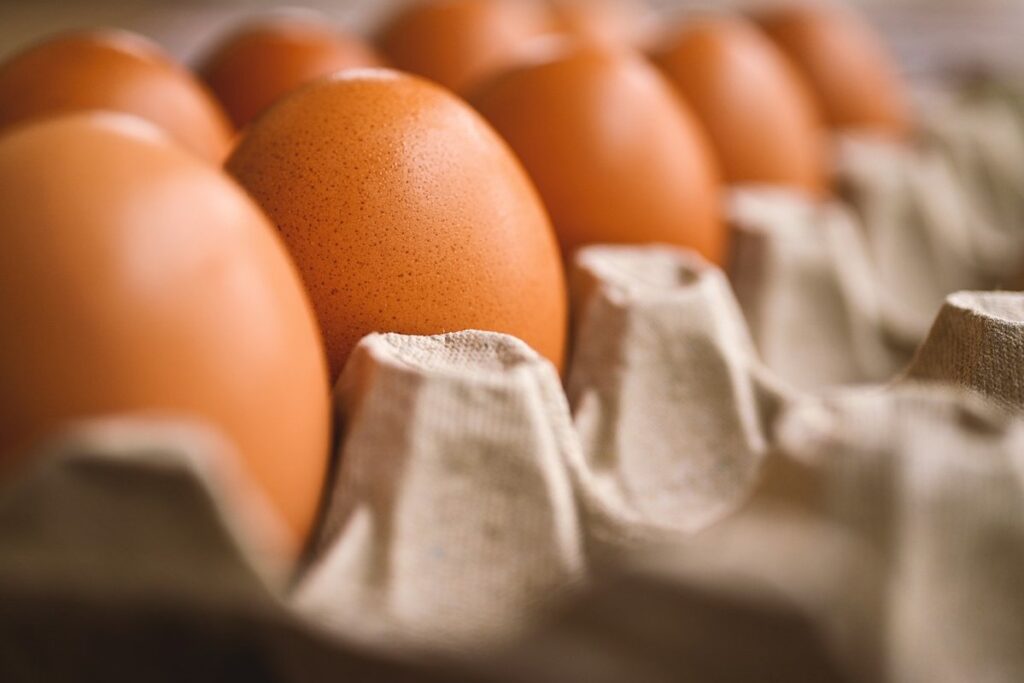
Understanding Chicken Egg Eating Behavior
When it comes to chicken egg eating, understanding their behavior is crucial to preventing this problem altogether. Let’s dive into why chickens eat eggs and what triggers this destructive habit.
Causes of Egg Eating in Chickens
Chickens eat eggs for various reasons, and understanding these causes is crucial to preventing this behavior. One major reason is stress. Chickens can become stressed due to changes in their environment, such as introducing new birds, adding new structures or equipment, or altering feeding schedules. When they’re under stress, they may turn to egg eating as a way to cope.
Boredom is another significant cause of egg eating in chickens. Chickens need mental and physical stimulation to stay healthy and happy. Without adequate exercise and activities, they might resort to destructive behaviors like egg eating. Adding enrichment activities, such as foraging toys or scratching posts, can help keep them engaged and entertained.
Nutritional deficiencies can also lead to egg eating. A diet lacking in essential nutrients can cause chickens to seek out other sources of protein, including eggs. Ensuring that your flock receives a balanced and nutritious feed is vital to preventing this behavior. Consider adding supplements or making changes to their feeding schedule if you suspect nutritional deficiencies are contributing to egg eating.
Recognizing Early Warning Signs
As a chicken owner, it’s essential to recognize early warning signs of egg eating behavior in your flock. This proactive approach can help you prevent this destructive habit from taking hold. One of the first signs to look out for is an increased appetite for eggs. You may notice that your chickens are showing a strong interest in eggs, even if they’re not hungry or have access to their regular feed.
Changes in droppings can also indicate egg eating behavior. If you notice a sudden increase in the number of shells being produced along with droppings, it could be a sign that your chickens are cracking open eggs and consuming the contents. Additionally, inspect your nesting boxes regularly for damage, such as cracked or broken shells scattered around.
If you observe any of these signs, don’t delay in taking action. Remove any eggs from the coop to prevent temptation, and consider providing alternative treats or enrichment activities to keep your chickens engaged and stimulated.
Health Risks Associated with Egg Eating
Consuming eggs, especially in excess, can lead to various health issues, including high cholesterol levels and increased risk of heart disease. Knowing these risks is crucial for responsible egg eating habits.
Nutritional Deficiencies and Diseases
Frequent egg consumption by chickens can lead to various nutritional deficiencies and diseases. One common issue is protein deficiency, which can occur if the chickens are not provided with a balanced diet that meets their protein needs. A lack of adequate protein can cause a range of problems, including weakened immune systems, slow growth rates, and reduced reproductive performance.
Vitamin deficiencies are another concern when it comes to egg eating in poultry. For example, a deficiency in vitamin D3 can lead to weakened bones and an increased risk of fractures, while a lack of vitamin E can impair the chicken’s ability to fight off diseases. Moreover, if chickens continue to eat eggs, they may develop diseases such as avian cholera, which is often caused by poor sanitation and hygiene practices.
To prevent nutritional deficiencies and diseases in your flock, ensure that you provide them with a high-quality commercial feed or a balanced homemade diet that meets their nutritional needs. Regularly monitor the health of your chickens and seek advice from a veterinarian if you notice any signs of illness or disease.
Gastrointestinal Issues and Parasites
Eating eggs can lead to a range of gastrointestinal problems in chickens, including parasites, constipation, and diarrhea. When chickens eat their own eggs, they are consuming bacteria that have been present in the egg since it was laid. These bacteria can cause infections, leading to digestive issues.
One common parasite that can be introduced through egg eating is Salmonella. This bacterium can cause severe gastrointestinal problems, including vomiting and diarrhea. In severe cases, Salmonella can even lead to septicemia, a condition where the infection spreads throughout the chicken’s body.
To prevent gastrointestinal issues caused by parasites, it’s essential to monitor your flock closely for signs of egg eating. Keep your coop clean and well-ventilated, ensuring that there is no ammonia buildup that might attract your chickens to their eggs. Regularly check on your birds’ droppings, looking for any changes in color or consistency.
Providing a balanced diet and maintaining proper hydration can also help prevent gastrointestinal problems. Ensure that your flock has access to fresh water at all times, and consider adding probiotics or digestive enzymes to their feed to promote healthy digestion.
Environmental Factors Contributing to Egg Eating
When it comes to preventing egg eating, it’s essential to consider the environmental factors at play in your flock’s daily lives. Let’s explore how nesting boxes, feeders, and other surroundings can contribute to this unwanted behavior.
Stress and Overcrowding
Chickens that are subjected to stressful environments, overcrowding, or poor living conditions may develop egg eating behavior as a coping mechanism. When chickens feel anxious or threatened, they may resort to pecking at eggs as a way to release tension. This is often seen in backyard flocks where chickens are not provided with adequate space to roam.
Overcrowding can lead to stress and boredom, causing chickens to seek out alternative ways to occupy themselves. In these situations, eggs become an easy target for pecking. To prevent this from happening, it’s essential to provide your flock with enough space to move around comfortably. A general rule of thumb is to provide at least 2-4 square feet per chicken inside the coop and 8-10 square feet in the run.
To alleviate stress, ensure that your chickens have access to fresh air, sunlight, and a balanced diet. Regular cleaning and maintenance of the coop can also help reduce stress levels. By creating a calm and comfortable environment, you can minimize the likelihood of egg eating behavior in your flock.
Insufficient Ventilation and Light Exposure
Inadequate ventilation and light exposure are often overlooked factors that contribute to egg eating in poultry. When chickens do not receive sufficient air circulation, they can become stressed, leading to abnormal behaviors such as pecking at eggs.
Proper ventilation is essential for maintaining a healthy environment for your flock. A well-ventilated coop ensures the removal of ammonia and moisture, which can accumulate rapidly in enclosed spaces. Aim for at least 20 square feet of space per chicken, with adequate airflow through windows or vents. This will help reduce stress caused by respiratory problems.
Insufficient light exposure also plays a significant role in egg eating behavior. Chickens need sufficient daylight to maintain their natural circadian rhythms and regulate appetite. Provide your flock with 14 hours of natural daylight during the spring and summer months, supplemented with artificial lighting during periods of reduced sunlight. Ensure that the light source is placed at a height that promotes even distribution throughout the coop.
By addressing these environmental factors, you can significantly reduce the likelihood of egg eating in your poultry flock.
Nutrition-Related Factors Encouraging Egg Eating
When it comes to poultry nutrition, certain factors can significantly influence egg eating behavior. A well-balanced diet is crucial in preventing unwanted pecking and egg consumption.
Balanced Diets and Supplements
Providing chickens with a balanced diet is crucial in preventing egg eating behavior. Chickens require essential nutrients, vitamins, and minerals to maintain optimal health and well-being. A deficiency in these nutrients can lead to stress, anxiety, and boredom, increasing the likelihood of egg eating.
A balanced diet should include high-quality layer feed that contains the necessary protein, calcium, and other vital nutrients for egg production. Supplementing with vitamins and minerals such as vitamin D3, calcium carbonate, and oyster shell can also help support overall health. Aim to provide 15-20% protein content in their diet, along with a mix of grains and vegetables.
Some practical tips include:
* Offer a varied range of fruits and vegetables daily
* Use a timer to ensure consistent feeding times
* Maintain clean and comfortable living conditions
* Monitor your flock’s overall health and adjust the diet as needed
By focusing on providing a well-balanced diet, you can significantly reduce the likelihood of egg eating behavior in your poultry.
Avoiding Overfeeding or Underfeeding
Maintaining an optimal weight range for chickens is crucial to prevent overfeeding or underfeeding, which are common reasons why poultry engage in egg eating. When chickens consume more calories than they need, their bodies may not utilize them efficiently, leading to excess energy that can be redirected towards seeking out eggs to eat.
Conversely, when chickens do not receive adequate nutrition, they may also resort to consuming eggs as a way to supplement their diet. This delicate balance highlights the importance of proper feeding practices in preventing egg eating. A general rule of thumb is to provide 1-2% of the bird’s body weight daily in dry matter, and adjust according to age, breed, and environmental conditions.
Monitoring your flock’s weight regularly will help you detect any discrepancies early on. You can do this by weighing birds individually or as a group at regular intervals. By striking the perfect balance between overfeeding and underfeeding, you’ll not only reduce the likelihood of egg eating but also promote overall health and well-being in your poultry.
Prevention Strategies and Management Practices
To effectively manage egg eating behavior, you’ll need to understand various prevention strategies and management practices that can be implemented on your farm. These include identifying triggers and modifying environments.
Implementing Positive Reinforcement Training
Using positive reinforcement training methods is an effective way to reduce stress and encourage desirable behaviors in chickens. By focusing on rewards rather than punishment, you can create a calm and confident flock that’s less likely to engage in egg eating.
To implement this approach, start by identifying the specific behaviors you want to encourage, such as foraging or scratching. Then, use treats and praise to reinforce these actions when they occur. For example, if your chickens are struggling with pecking at eggs, try placing a treat on top of their nesting box or near their preferred laying spot.
Remember, consistency is key. Reward the behavior you want to see every time it happens, even if it’s just for a short period each day. This helps your chickens associate the reward with the action, rather than just associating the reward with being around humans. With patience and persistence, you can teach your flock to focus on more productive activities and reduce stress.
Managing Flock Dynamics and Social Hierarchy
Maintaining a healthy flock dynamic is crucial in preventing chicken egg eating. A stable social hierarchy helps reduce stress and competition among birds, which can trigger egg eating behavior. To achieve this, it’s essential to monitor the flock’s dynamics closely.
When introducing new birds, do so gradually and under close supervision. This allows you to assess their behavior and integrate them smoothly into the existing flock. Introducing too many new birds at once can disrupt the social hierarchy, leading to stress and egg eating.
Identify aggressive birds and separate them from the rest of the flock if necessary. Aggressive birds can bully others, causing them to feel anxious and stressed, which in turn may lead them to eat eggs as a coping mechanism. Keep an eye out for signs of aggression, such as pecking or chasing other birds, and take prompt action.
By maintaining a balanced social hierarchy, you’ll reduce the likelihood of egg eating among your flock. Regularly observe your birds’ behavior and make adjustments as needed to ensure their well-being and prevent this undesirable behavior.
Conclusion: A Holistic Approach to Preventing Egg Eating
In conclusion, preventing egg eating in poultry requires a comprehensive approach that addresses both environmental and nutritional factors. By incorporating our discussion on enrichment toys, stress reduction strategies, and dietary modifications, you’ll be well-equipped to tackle this common issue head-on. Don’t underestimate the power of simplicity – adding fresh greens or fruit to their diet can have a significant impact. For instance, introducing leafy veggies like kale or spinach can provide a nutritious distraction from eggs.
Take it one step further by creating multiple feeding stations and rotating them regularly to reduce competition for food. This multi-faceted approach will help you develop a robust plan to curb egg eating in your flock. With patience and persistence, you’ll be able to create a harmonious and healthy environment for your birds – and that’s truly the ultimate goal.
Frequently Asked Questions
What if I’m new to chicken keeping and unsure where to start with preventing egg eating?
Start by observing your flock’s behavior, identifying potential stressors or nutritional deficiencies. Gradually introduce changes, such as improving ventilation, providing a balanced diet, and implementing positive reinforcement training. Consider consulting with an experienced poultry owner or taking online courses to learn more about chicken care and management.
Can I use supplements to prevent egg eating in my flock?
Yes, but it’s essential to identify the underlying cause of egg eating first. Supplements can help alleviate nutritional deficiencies, but they shouldn’t replace a balanced diet. Consult with a veterinarian or poultry expert to determine the best course of action for your specific flock and situation.
How do I manage stress in my flock, especially during times of change?
Create a calm environment by providing ample space, proper ventilation, and adequate light exposure. Introduce new birds gradually, and consider implementing enrichment activities to reduce boredom. Monitor your flock’s behavior closely and intervene promptly if you notice signs of stress or egg eating.
What if some hens in my flock continue to eat eggs despite my best efforts at prevention?
Re-introduce the affected hen to a separate enclosure with limited resources and monitoring. Identify any underlying health issues, such as gastrointestinal problems or parasites, and address them accordingly. Consider separating aggressive or dominant birds from the rest of the flock to prevent further stress.
Can I use positive reinforcement training as a standalone solution for preventing egg eating?
While positive reinforcement training is an essential component of egg-eating prevention, it’s not a standalone solution. Combine this approach with dietary adjustments, environmental modifications, and health checks to address any underlying causes of egg eating in your flock.