
As a backyard chicken keeper, there’s nothing more frustrating than dealing with an infestation of chicken coop lice. Not only do these pesky insects drive your flock crazy, but they can also spread diseases and cause discomfort for both your birds and you. But don’t worry – with the right knowledge and prevention methods, you can protect your feathered friends from this common problem. In this article, we’ll cover everything you need to know about identifying, preventing, and treating chicken coop lice infestations. We’ll explore the risk factors that make your flock susceptible to these unwanted visitors, provide practical tips on how to prevent them from taking over, and discuss treatment options for when things go wrong. By the end of this guide, you’ll be equipped with the knowledge to keep your chickens healthy and happy.
Understanding Chicken Coop Lice
To truly prevent chicken coop lice, it’s essential to first understand how these pesky parasites live and thrive on your feathered friends. Let’s take a closer look at what chicken coop lice are and why they’re such a problem.
What are Chicken Coop Lice?
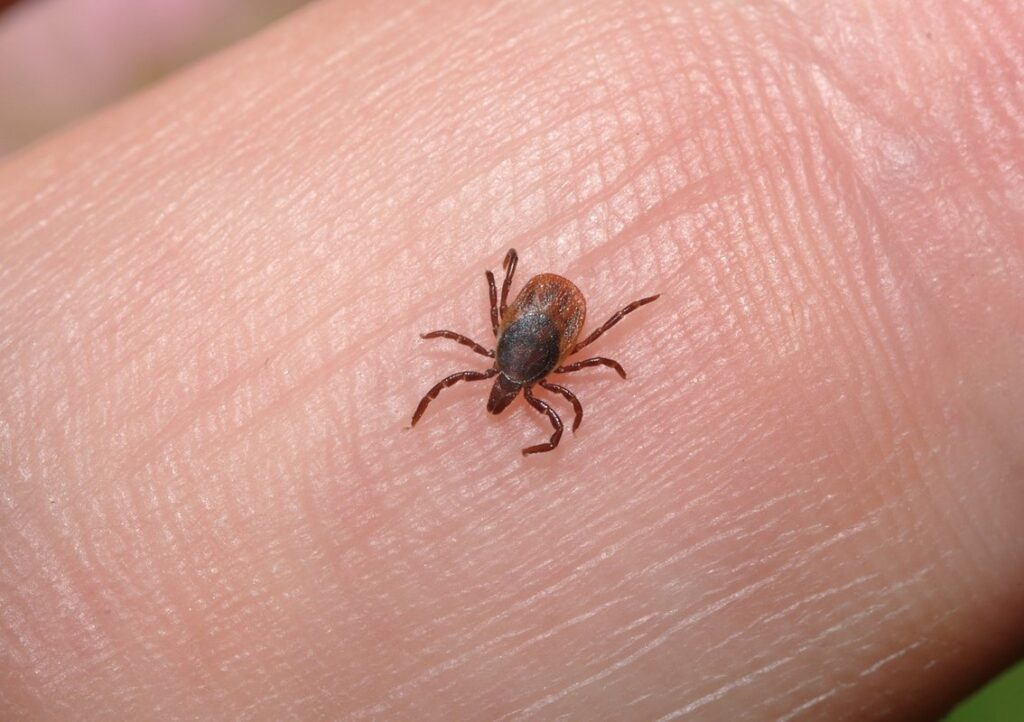
Chicken coop lice are parasitic insects that infest chickens, causing discomfort and stress. They are a type of ectoparasite, meaning they live on the chicken’s body rather than inside it. These tiny insects feed on the chicken’s blood, skin debris, and other bodily secretions.
The life cycle of chicken coop lice typically takes 4-6 weeks, during which time females lay eggs that hatch into nymphs after about a week. The nymphs go through several molts before reaching adulthood. Infested chickens may exhibit symptoms such as intense itching, feather loss, reduced egg production, and increased risk of secondary infections.
Chickens can pick up chicken coop lice from other infested birds or contaminated environments, making it essential to maintain good hygiene and monitor your flock regularly for signs of infestation. Look for small, moving dots on the bird’s body, usually around the neck, back, or wings. If you suspect an infestation, inspect the coop thoroughly, wash all surfaces with a solution of water and mild detergent, and dust with diatomaceous earth to deter future infestations.
Signs and Symptoms of Infestation
If you suspect that your chickens are infested with lice, it’s essential to be aware of the common signs and symptoms. One of the most noticeable indicators is excessive scratching. Chickens will frantically scratch themselves, particularly around the neck, back, and vent areas. This constant irritation can lead to feather loss, as the lice feed on the bird’s blood, causing anemia.
Lethargy is another symptom that should not be ignored. Infested chickens may appear sluggish or depressed, as they struggle to cope with the discomfort caused by the lice. You may also notice a reduction in egg production, as stressed birds tend to have lower fertility rates.
In addition to these symptoms, look for unusual clumping of feathers or presence of eggs on your chickens’ bodies. These are signs that the lice infestation is severe and requires immediate attention. Regular inspections of your flock can help you catch any potential issues early, reducing the risk of a full-blown infestation.
Risk Factors and High-Risk Environments
When it comes to preventing chicken coop lice, understanding the risk factors and high-risk environments is crucial. We’ll explore the conditions that make your flock more susceptible to infestation.
Poor Ventilation and Humidity
Poor ventilation and high humidity in the chicken coop create an ideal environment for chicken lice to thrive. Lice are ectoparasites that feed on the blood of chickens, and they can’t survive for long without access to their host or a humid environment.
When air doesn’t circulate properly within the coop, moisture becomes trapped, fostering a humid microclimate that’s perfect for lice to multiply. In fact, studies have shown that relative humidity above 60% significantly increases the likelihood of lice infestations. To put this into perspective, consider that an average chicken produces around 1-2 pounds of droppings per week, contributing to the overall moisture levels in the coop.
To mitigate these conditions, it’s essential to maintain proper ventilation within your coop. This can be achieved by ensuring adequate airflow through windows and vents or installing a mechanical ventilation system. Regularly inspecting and cleaning your coop will also help keep humidity under control. Additionally, consider implementing a schedule for removing soiled bedding, replacing it with fresh material, and disinfecting surfaces to break the lice’s life cycle.
Overcrowding and Stress
When it comes to preventing chicken coop lice, understanding the underlying risk factors is crucial. Overcrowding and stress can have a significant impact on a flock’s immune system, making them more susceptible to infestation.
A study by the University of California found that stress caused by overcrowding can lead to a weakened immune response in chickens. When birds are packed too tightly together, they’re more likely to engage in aggressive behavior, which can further exacerbate stress levels. This stress-induced immunosuppression makes them more vulnerable to parasites like lice.
In practical terms, this means that maintaining an optimal bird-to-space ratio is essential. A good rule of thumb is to provide at least 2-3 square feet of space per bird inside the coop. Additionally, introducing enrichment activities and providing regular breaks from crowded areas can help reduce stress levels. By addressing these risk factors, you’ll be taking a significant step towards preventing chicken coop lice infestations and keeping your flock healthy.
Prevention Methods: Keeping Your Coop Clean
Maintaining a clean coop is essential to preventing chicken lice infestations, which can be achieved through regular cleaning and disinfecting of your chickens’ living space. Let’s explore some effective methods for keeping their home spotless.
Bedding and Nesting Material Maintenance
Changing bedding regularly is one of the most effective ways to prevent chicken coop lice. It’s essential to remove soiled bedding at least once a week and replace it with fresh material. You can use pine shavings, straw, or even recycled paper products as bedding materials. However, avoid using cedar shavings as they contain oils that can be toxic to chickens.
When choosing nesting material, opt for dry and clean options like softwood shavings, hay, or grass matting. Avoid using materials with loose fibers, such as burlap or canvas, as they can harbor lice eggs. It’s also crucial to place the nesting material in a well-ventilated area of the coop to prevent moisture buildup.
To maintain cleanliness in the coop, make it a habit to sweep and clean the floors daily. Remove any debris, droppings, or uneaten food that may be attracting pests. Regularly disinfect all surfaces with a mixture of water and vinegar to prevent lice infestations.
Cleaning and Disinfecting
Cleaning and disinfecting the coop is an essential step in preventing chicken coop lice. It’s not just about removing visible debris; you need to focus on eliminating potential breeding grounds for these pesky parasites. Start by removing all bedding material, including straw or pine shavings, and dispose of it properly to prevent re-infestation.
Next, clean the coop walls, floors, and any roosts using a mixture of soap and warm water. Scrub thoroughly, paying attention to areas where lice are most likely to hide, such as corners and crevices. Rinse everything thoroughly with clean water and let it dry completely before moving on to disinfecting.
For natural deterrents, consider using diatomaceous earth (DE). This powdery substance is made from fossilized algae and can be sprinkled throughout the coop to dehydrate and kill lice. However, make sure to wear a mask when handling DE as it can cause respiratory issues in some individuals. You can also use essential oils like tea tree oil or lavender oil to repel lice, but ensure you’re using them in moderation and according to their safety guidelines.
Treatment Options: Getting Rid of Lice
If you’ve got a lice infestation on your hands, don’t worry – we’ve got some effective treatment options to get rid of these pesky parasites for good.
Topical Treatments and Medications
When treating chicken coop lice, topical treatments and medications can be an effective solution. Permethrin-based products are commonly used to kill these pesky parasites. Products containing 0.3% permethrin are available over-the-counter, while stronger concentrations may require a veterinarian’s prescription.
To use permethrin-based products effectively, it’s essential to follow the manufacturer’s instructions carefully. Typically, you’ll need to dust or spray the product directly onto the birds’ feathers, paying particular attention to areas around the vent and under the wings where lice tend to congregate. Allow the product to dry completely before letting the chickens free-range or come into contact with other birds.
Other topical treatments include pyrethrin-based products, which work in a similar way to permethrin but may be more toxic to humans and other animals. When using any topical treatment, be sure to wear protective clothing and wash your hands thoroughly after application. It’s also crucial to repeat the treatment as directed to ensure all lice are eliminated.
When choosing a topical treatment, consider factors such as ease of use, safety for human exposure, and potential impact on your flock’s health. Always follow the product instructions and take necessary precautions to minimize any adverse effects.
Natural Remedies and Homeopathic Options
When it comes to treating chicken coop lice, many people opt for natural remedies and homeopathic options that are gentler on their birds. One of the most effective alternatives is neem oil, a plant-based insecticide that disrupts the lice’s life cycle. To use neem oil effectively, mix 5-7 drops with a quart of water and spray it directly on your chickens’ feathers and nesting areas.
Diatomaceous earth (DE) is another popular natural remedy for getting rid of chicken coop lice. This powdery substance dehydrates the lice, causing them to die off within hours. Sprinkle DE liberally in your coop’s nesting boxes, roosts, and feeders, but be sure to avoid inhaling it yourself.
Other natural remedies worth considering include tea tree oil, lavender oil, and apple cider vinegar. These can be added to your chickens’ water or sprayed on their feathers to repel lice. Always spot-test any new remedy on a small area of skin before applying it to the entire flock.
Remember that prevention is always better than treatment, so consider implementing these natural remedies as part of your regular coop cleaning routine. This will help prevent lice infestations from occurring in the first place and reduce the need for harsh chemicals.
Long-Term Management: Preventing Re-Infestation
Now that you’ve taken steps to eliminate existing lice, it’s essential to focus on preventing re-infestation through regular coop maintenance and monitoring. This section will walk you through how to achieve long-term management of chicken coop lice.
Monitoring for Infestations
Monitoring for signs of re-infestation is crucial to preventing chicken coop lice from taking hold again. Set aside time each month to conduct a thorough check on your flock and their living environment. Start by looking for the telltale signs of lice infestations, such as unusual scratching or preening behavior in your chickens.
Check your birds’ individual feathers, paying close attention to areas around the neck, under the wings, and along the back. These are common places where lice tend to congregate. Use a flashlight to help spot any tiny moving specks – lice can be quite small, so don’t hesitate to get up close.
In addition to inspecting your birds, also keep an eye out for signs of lice on their bedding and nesting boxes. Lice eggs (also known as nits) are usually white or yellowish in color and can be found attached to feathers or the underside of wooden beams. If you suspect an infestation, act quickly by quarantining affected birds and treating them with a reliable lice control method.
Regular monitoring allows you to catch any potential issues early on, reducing the risk of re-infestation and ensuring your flock stays healthy and happy.
Ongoing Coop Maintenance and Cleaning
Once you’ve taken steps to eradicate chicken coop lice, it’s essential to maintain and clean your coop regularly to prevent a re-infestation. This ongoing process is crucial for keeping your flock healthy and stress-free. Regular cleaning not only removes dirt, debris, and waste but also helps eliminate any remaining lice eggs (nits) that may have survived the initial treatment.
To keep your coop lice-free, make sure to:
* Clean all surfaces with a solution of 1 part white vinegar to 9 parts water on a regular basis. This will help break down any remaining louse waste and prevent nits from hatching.
* Replace bedding materials frequently, ideally every week or two, depending on the size of your flock and coop conditions. Use a material that’s easy to clean and disinfect, such as straw or paper-based products.
* Monitor your birds daily for signs of re-infestation, including excessive scratching, restlessness, or changes in their coat condition.
By incorporating these habits into your regular coop maintenance routine, you’ll significantly reduce the risk of lice returning to your flock.
Additional Tips: Integrating Prevention into Your Flock’s Routine
To truly keep your flock protected, consider incorporating these additional preventive measures into their daily routine and making a few long-term adjustments to your coop management. This will help maintain a lice-free environment for years to come.
Regular Grooming and Inspection
Regular grooming and inspection are crucial components of a lice prevention strategy. You should make it a habit to check your flock regularly for signs of mites and lice. During molting season, which usually occurs every 4-6 weeks depending on the breed, the risk of infestation increases due to stress and weakened immune systems.
To inspect your birds effectively, gently lift their wings and look for any signs of movement or dark spots around their base, near the vent area, and under the tail feathers. These are common areas where mites and lice tend to congregate. During molting season, pay close attention to these areas as mites often take advantage of weakened birds.
When inspecting your flock, also check for other signs of lice infestation such as scratching, feather plucking, or excessive preening. Be sure to handle each bird gently and carefully when checking for mites and lice, and wash your hands thoroughly after inspection to avoid transferring the parasites from one bird to another.
Record Keeping and Monitoring
As you work to prevent chicken coop lice, it’s essential to stay vigilant and monitor your flock regularly. This is where accurate record-keeping comes into play. By keeping a close eye on your birds’ health, you’ll be able to identify potential issues before they become major problems.
Start by dedicating a notebook or spreadsheet specifically for tracking your flock’s health. Include columns for dates, bird names, and any notable observations – such as changes in appetite, feathers, or behavior. Take regular photographs of your birds to help monitor any changes over time.
Regular inspections are also crucial. Check your birds daily, paying attention to signs like excessive scratching, matted feathers, or uneven molting patterns. These can all be indicative of a lice infestation. Set aside time each week to thoroughly inspect your coop and run for any signs of live lice or eggs.
By staying on top of these monitoring tasks, you’ll be better equipped to catch potential issues early – making it easier to prevent chicken coop lice from taking hold in the first place.
Frequently Asked Questions
Can I use essential oils to prevent chicken coop lice infestations?
Yes, certain essential oils like tea tree oil and lavender oil have natural insect-repelling properties that can help deter lice. However, it’s essential to note that while these oils may provide some benefits, they are not a substitute for proper coop maintenance and cleaning. Use them as part of an integrated prevention strategy.
How often should I clean and disinfect my chicken coop?
Regular cleaning and disinfecting is crucial in preventing chicken coop lice infestations. Aim to clean the coop at least once a week, paying attention to areas where droppings accumulate. Disinfect all surfaces with a pet-safe cleaner, making sure to follow the manufacturer’s instructions.
What if I’ve already treated my flock for lice but they’re still getting re-infested?
Re-infestation can happen if you don’t address the underlying issues causing the problem. Identify and resolve any risk factors such as overcrowding, poor ventilation, or inadequate coop cleaning. Consider rotating your birds to fresh areas of the coop or adjusting their nesting boxes.
Can I use medicated powders or sprays on my chickens’ feathers?
Medicated powders or sprays can be used to treat lice infestations, but be sure to follow the manufacturer’s instructions carefully and take necessary precautions to avoid harming your birds. Also, always read the label for any potential interactions with other medications.
How do I know if my flock is stressed due to an ongoing lice problem?
Stress can exacerbate lice problems in chickens. Watch for signs of stress such as changes in appetite or behavior, excessive scratching, or poor plumage quality. Regularly inspect your birds and address any issues promptly to prevent further complications.
Can I treat individual birds instead of the entire flock if only one is showing signs of infestation?
Treating individual birds may not be effective in preventing re-infestation since lice can quickly spread throughout the flock. Addressing the issue at a coop-wide level ensures that all birds are treated and reduces the risk of further infestations.