
Chickens can be a delightful addition to any backyard, but they also come with their own set of challenges. One common issue many flock owners face is feather pecking – when chickens excessively preen and pluck each other’s feathers, leading to stress, injury, and even death. But why does this happen? Is it a result of nutritional deficiencies, social dynamics gone wrong, or perhaps environmental factors that are driving your chickens to behave aggressively towards each other? As a backyard flock owner, understanding the causes of feather pecking is crucial in preventing and managing this behavior. In this article, we’ll delve into the various reasons behind chicken feather pecking causes and behaviors, providing you with practical tips on how to identify, prevent, and manage this issue in your own flock.
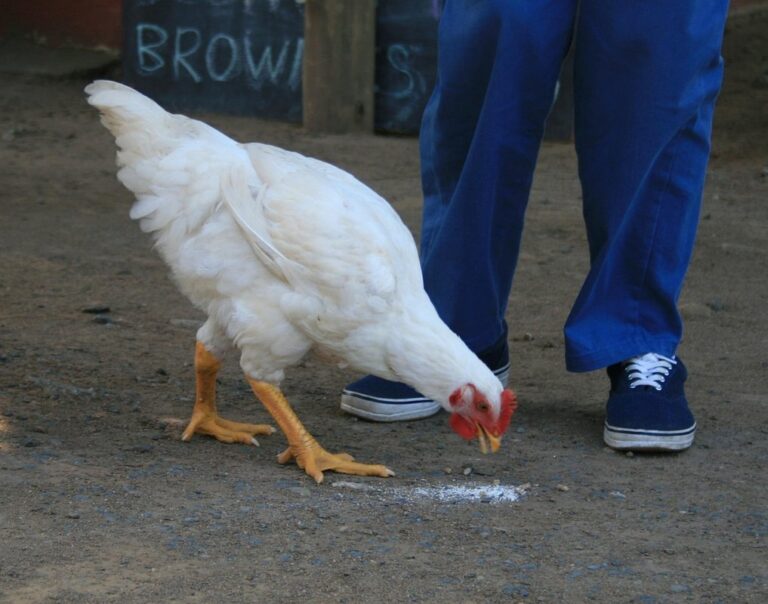
What is Feather Pecking in Chickens?
Feather pecking is a common issue in chicken flocks, but what exactly is it and how does it happen to your birds. Let’s take a closer look at the basics.
Definition and Prevalence of Feather Pecking
Feather pecking is a common behavior observed in chickens where they pick and eat each other’s feathers. It’s often seen as a sign of stress, boredom, or nutritional deficiencies within the flock. According to a study published in the Journal of Applied Animal Welfare Science, feather pecking affects up to 70% of commercial flocks worldwide.
In backyard chicken keeping, feather pecking is also prevalent, with many owners reporting instances of birds pecking at each other’s feathers due to stress or competition for resources. This behavior can lead to significant welfare issues, including blood loss, infection, and even death. Chicken keepers should be aware that feather pecking can arise from a combination of factors, including genetic predisposition, management practices, and environmental conditions.
To address the issue, it’s essential to identify potential causes and implement strategies to mitigate stress and boredom within the flock. This may involve providing adequate space, enrichments, and a balanced diet. For instance, offering scratching posts, perches, and toys can help reduce feather pecking behavior by redirecting the birds’ energy towards more productive activities.
Common Behaviors Associated with Feather Pecking
When you notice certain behaviors in your flock, it’s often an indication that feather pecking is occurring. Chickens exhibit a range of behaviors when they’re prone to feather pecking, and recognizing these signs can help you address the issue before it gets out of hand.
One common behavior associated with feather pecking is excessive preening. If your chickens are spending an inordinate amount of time cleaning and grooming themselves, it may be a sign that they’re trying to compensate for stress or anxiety caused by feather pecking. You can check for this by observing their daily routine – if you notice them excessively licking, picking at feathers, or smoothing out ruffled plumage, it’s likely related to the issue.
Additionally, look for signs of feather loss and aggressive behavior towards other birds. Feather pecking often leads to a vicious cycle where one bird becomes more aggressive as others lose confidence due to their own damaged feathers. Keep an eye on your flock’s interactions – if you notice one bird targeting another or bullying them away from food sources, it could be linked to feather pecking.
To identify these behaviors and intervene early, establish a daily routine that includes observing your chickens’ behavior and monitoring for signs of stress or anxiety.
Physical Causes of Feather Pecking
When it comes to understanding feather pecking, it’s essential to explore the physical causes that can lead to this behavior. Let’s examine some common health issues that may trigger feather pecking in your flock.
Nutritional Deficiencies and Imbalances
Nutritional deficiencies and imbalances can have a significant impact on chickens’ behavior, including feather pecking. A balanced diet is crucial to maintaining their overall health and well-being. When chickens don’t receive the essential nutrients they need, it can lead to a range of problems, from weakened immune systems to behavioral issues.
Protein is an essential nutrient for chickens, and a lack of sufficient protein in their diet can contribute to feather pecking. If your flock is not receiving adequate protein, they may start to peck at each other’s feathers as a way to self-soothe or seek satisfaction. Calcium is also vital for healthy bones and feathers, and deficiencies can lead to weak and brittle feathers that are more prone to damage.
To prevent nutritional-related feather pecking, make sure your chickens have access to high-quality feed that contains the necessary nutrients. Consider adding supplements such as oyster shells or crushed eggshells to provide extra calcium.
Environmental Factors: Space, Temperature, and Humidity
Chickens are highly sensitive to their environment, and small changes can have a significant impact on their behavior. One of the most critical environmental factors that contribute to feather pecking is overcrowding. When chickens are packed too tightly into their enclosure, they may feel stressed, anxious, or even threatened. This can lead to aggressive behavior, including feather pecking.
Extreme temperatures also play a role in feather pecking. Chickens prefer a temperature range between 18°C and 24°C (64°F – 75°F). When the temperature is outside this range, chickens may become stressed, leading to abnormal behavior. For instance, during heatwaves, chickens may engage in excessive dust bathing or panting, while cold snaps can cause them to huddle together for warmth.
Humidity levels also affect chicken behavior. A relative humidity of 50-70% is ideal for chickens. When the humidity is too low (below 30%) or too high (above 80%), chickens may exhibit abnormal behaviors such as feather pecking. To mitigate these effects, it’s essential to ensure good ventilation and maintain a comfortable environment for your flock.
By controlling environmental factors like overcrowding, temperature, and humidity, you can significantly reduce the likelihood of feather pecking behavior in your flock.
Behavioral Causes of Feather Pecking
Feather pecking can be a complex issue, and understanding its behavioral causes is key to preventing it. Let’s explore how factors like boredom, stress, and social hierarchy play into feather pecking behavior in chickens.
Social Structure and Dominance Hierarchy
When it comes to understanding the causes of feather pecking, social structure and dominance hierarchy play a significant role. Chickens are highly social creatures that thrive on a clear pecking order within their flock. However, when this order is disrupted or new birds are introduced, conflicts can arise, leading to feather pecking.
Introducing new birds to the existing flock can be a challenging process. If not done gradually and with careful consideration of the new bird’s temperament and personality, it can lead to clashes between individuals. For instance, a dominant hen may see the new arrival as a threat and start pecking at its feathers in an attempt to assert her dominance.
To mitigate this issue, it’s essential to introduce new birds slowly, allowing them to get accustomed to each other’s presence and establishing a clear hierarchy from the beginning. This can be achieved by separating the new birds from the existing flock for a few days before reintroducing them together under close supervision. By doing so, you’ll be able to identify any potential conflicts and address them promptly.
In addition to introducing new birds, changes in the flock dynamics, such as the loss of a dominant bird or the introduction of younger chicks, can also lead to feather pecking. To prevent this, it’s crucial to monitor your flock’s behavior closely and take action if you notice any signs of stress or aggression. By understanding and managing social structure and dominance hierarchy within your flock, you’ll be better equipped to prevent feather pecking and create a harmonious environment for your chickens.
Stress and Anxiety: Signs, Symptoms, and Triggers
Chickens can exhibit signs of stress and anxiety just like humans do, and it’s essential to recognize these behaviors to prevent feather pecking. Common signs of stress and anxiety in chickens include pacing back and forth, panting or rapid breathing, loss of appetite, and changes in droppings (such as diarrhea). You may also notice your chickens avoiding certain areas or exhibiting excessive preening.
Some common triggers for stress and anxiety in chickens include changes in their routine, such as a new coop layout or introduction to new flock members. Lack of exercise or mental stimulation can also contribute to stress, so make sure to provide enough space for them to move around and engage in activities like foraging. Inadequate shelter or protection from the elements can lead to anxiety.
To identify potential triggers, monitor your chickens’ behavior closely and note any changes in their routine or environment that may be contributing to their stress levels. You can also try providing enrichment activities, such as hiding treats or offering new toys, to keep them engaged and stimulated.
Identification and Diagnosis of Feather Pecking
Identifying and diagnosing feather pecking can be a challenging task, but it’s essential to accurately determine the cause and extent of the behavior. Here, we’ll walk you through the steps to identify and diagnose feather pecking in your flock.
Recognizing Early Warning Signs
Recognizing early warning signs of feather pecking is crucial to prevent the behavior from escalating. As a chicken keeper, it’s essential to be vigilant and observe your flock’s behavior closely. Subtle behaviors such as picking at feathers, dust bathing excessively, or showing increased stress levels can indicate that something is amiss.
For example, if you notice a hen pecking at her own feathers or those of another bird, it may be an early sign of feather pecking. Similarly, if you see birds exhibiting abnormal behaviors like pacing, feather plucking, or excessive vocalization, it could be a warning sign that your flock is experiencing stress.
To identify these early warning signs, observe your birds regularly and take note of any unusual behavior. Look for changes in appetite, droppings, or overall demeanor. Keep an eye on individual birds, as some may be more prone to feather pecking than others. Early recognition allows you to intervene before the behavior becomes severe, reducing the risk of damage to your flock’s health and well-being.
Conducting a Flock Health Assessment
Conducting a thorough health assessment of your flock is crucial to identifying potential causes of feather pecking. Start by monitoring for signs of stress such as changes in appetite, droppings, or behavior. Look out for birds that are consistently at the back of the group or seem withdrawn.
Next, check for parasites and diseases that can cause discomfort and lead to pecking behavior. Regularly inspect your flock’s living conditions, including their coop and run, to identify any potential health risks such as drafts, dampness, or overcrowding. Check your birds’ eyes, nostrils, and vents for signs of respiratory issues.
Evaluate the overall welfare of your birds by observing their movement, posture, and interaction with each other. A stressed or unhealthy flock is more likely to exhibit abnormal behaviors like feather pecking. Consider consulting a veterinarian who specializes in poultry health if you notice any unusual symptoms or suspect that your flock’s health may be at risk.
Make sure to keep a record of your observations and note any changes over time. This will help you identify potential issues early on and make informed decisions about your flock’s care.
Prevention and Management Strategies
To effectively prevent chicken feather pecking, you’ll need to understand the root causes of this behavior and implement strategies that promote a stress-free and enriching environment for your birds.
Implementing Environmental Enrichment and Reducing Stress
Implementing environmental enrichment and reducing stress is crucial to preventing feather pecking behavior in chickens. When it comes to providing adequate space, a general rule of thumb is to provide at least 4-5 square feet per bird inside the coop and 8-10 square feet per bird in the run. This allows for comfortable movement and reduces competition for resources.
Introducing novel objects or toys can also help stimulate chickens’ natural foraging behavior and reduce stress caused by monotony. Try adding items like cardboard boxes, straw bales, or even a “treasure hunt” of hidden treats to encourage exploration. Rotating these enrichment activities regularly will keep your flock engaged and interested.
Creating a comfortable shelter is also essential. Provide a dry, draft-free spot for your chickens to rest and hide from the elements. A simple coop with adequate ventilation can make all the difference in reducing stress caused by discomfort or anxiety. By prioritizing environmental enrichment and providing a comfortable living space, you’ll be taking significant steps towards preventing feather pecking behavior in your flock.
Managing Social Dynamics: Introduction and Integration Techniques
When it comes to managing social dynamics within your flock, it’s essential to establish a harmonious environment where birds feel comfortable and secure. One of the most critical techniques for achieving this is through gradual introduction of new birds.
Introducing birds too quickly can lead to stress, aggression, and even feather pecking behavior. To avoid this, bring new birds into the existing flock over a period of 7-10 days. Start by keeping them separate at first and allowing them to become familiar with each other’s sights and sounds before allowing supervised interaction.
Monitoring behavior is another crucial aspect of social dynamics management. Keep a close eye on body language cues such as raised hackles, puffed feathers, or aggression towards specific birds. Positive reinforcement training methods can also play a significant role in shaping the flock’s behavior. Reward calm and respectful interactions between birds with treats or praise, while avoiding punishment or isolation.
By implementing these techniques, you’ll be well on your way to creating a balanced social dynamic within your flock, reducing the risk of feather pecking behavior.
Frequently Asked Questions
Can I still have a healthy flock if some chickens are feather peckers?
Feather pecking can be managed, but it requires attention to your flock’s environment, social dynamics, and nutritional needs. Implementing strategies like providing adequate space, enriching the environment with toys and foraging opportunities, and introducing new birds gradually can help minimize feather pecking behaviors. Monitor your flock closely and make adjustments as needed.
How do I know if my chickens are stressed or bored enough to cause feather pecking?
Stressed or bored chickens may exhibit excessive preening, aggression towards each other, or sudden changes in appetite. Recognize early warning signs like increased dust bathing, pacing, or excessive vocalization. Regularly inspect your flock’s living conditions and behavior, making adjustments to reduce stress and boredom triggers.
Can nutritional deficiencies cause feather pecking?
Yes, nutritional deficiencies can contribute to feather pecking behaviors. Ensure your chickens receive a balanced diet with adequate protein, calcium, and other essential nutrients. Provide supplements or adjust their feed as needed to prevent deficiencies. Consider consulting a poultry nutritionist for personalized advice on your flock’s dietary needs.
What are some common mistakes people make when trying to manage feather pecking in their flocks?
Common pitfalls include not addressing the underlying causes of stress, failing to provide adequate space and enrichment opportunities, or introducing new birds too quickly without proper integration strategies. Regularly assess your flock’s living conditions and behavior, making adjustments as needed to prevent recurrence.
How long does it take to see improvements after implementing feather pecking prevention strategies?
Results can vary depending on the severity of feather pecking and the effectiveness of implemented strategies. With consistent effort and attention, you may start seeing improvements in 1-3 months. Monitor your flock closely for signs of stress or boredom, making adjustments as needed to optimize their environment and behavior.