
Winter is here, and if you’re a chicken keeper, you know that harsh cold weather can be particularly cruel to your feathered friends. One of the most vulnerable areas on a chicken’s body is its comb, the bright red fleshy crown atop their head. Without proper care, frostbite can set in quickly, leaving your hens in discomfort and even danger. As a responsible backyard chicken keeper, it’s essential to know how to prevent and treat frostbite in chickens, especially when it comes to protecting those delicate combs. In this article, we’ll delve into the best strategies for keeping your flock safe during winter months, including tips on providing adequate shelter, nutrition, and medical intervention to prevent frostbite from taking hold.
Understanding Frostbite in Chickens
To fully grasp how to prevent and treat frostbite, it’s essential to understand what causes it, including the impact of temperature extremes on your flock. Let’s dive into the specifics.
What is Frostbite in Chickens?
Frostbite is a cold-weather phenomenon that affects chickens more frequently than you might think. It’s essential to recognize the signs and causes of frostbite in chickens to provide them with proper care during harsh winter months.
Frostbite occurs when blood flow to a chicken’s extremities, particularly their combs and wattles, is restricted due to cold temperatures. This can cause damage to the tissue, leading to pain, inflammation, and potentially long-term health issues. Chickens with frostbitten combs may display symptoms such as discoloration, swelling, or even the formation of ice crystals on the skin.
As a chicken keeper, it’s crucial to be aware of the risk factors that contribute to frostbite in your flock. These include exposure to extreme cold temperatures, inadequate shelter, and poor ventilation. To identify frostbite early on, check for any changes in color or texture around your chickens’ combs and wattles. If you suspect frostbite, consult with a veterinarian for proper treatment and prevention strategies to ensure your flock’s continued health and well-being.
Chicken Comb Anatomy and Temperature Regulation
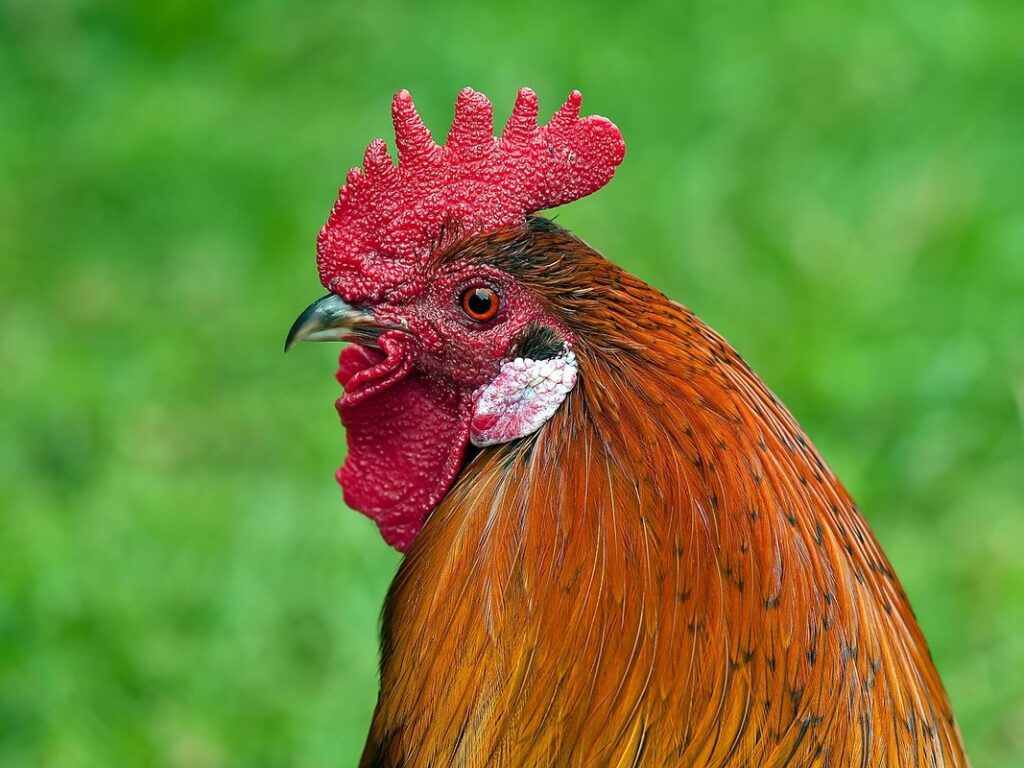
A chicken’s comb is a remarkable piece of anatomy that plays a vital role in regulating their body temperature. This unique feature is made up of fleshy red lobes that protrude from the top of the chicken’s head, just above the beak. The comb is incredibly sensitive and helps to dissipate heat from the chicken’s brain and eyes.
But did you know that this essential organ can also make your flock more susceptible to frostbite? When temperatures drop, the blood vessels in the comb constrict to reduce heat loss, but if it gets too cold, these vessels can actually become damaged. This damage can cause the comb to freeze, leading to frostbite and potentially fatal consequences.
It’s essential to understand that temperature regulation is a complex process in chickens, and their combs are uniquely adapted to help them cope with changes in temperature. By recognizing how your flock’s combs work, you’ll be better equipped to protect them from frostbite during the harsh winter months. Keep reading to learn more about how to prevent and treat frostbite in your feathered friends.
Risk Factors for Frostbite in Chickens
Chickens are more susceptible to frostbite when their combs and wattles are exposed to cold temperatures, dry winds, and wet conditions. Understanding these risk factors is crucial for preventing frostbite in your flock.
Age-Related Susceptibility
As chickens mature, their ability to regulate body temperature changes, making certain age groups more susceptible to frostbite. Let’s break down the different stages of development and their impact on frostbite risk.
Chicks, especially those under 12 weeks old, have a higher risk of developing frostbite due to their small combs and lack of mature feathers. Their tiny combs can freeze quickly, causing damage to their blood vessels and potentially leading to gangrene. If you’re keeping chicks in an unheated coop or outside during winter months, it’s essential to provide extra care and protection.
Young pullets (around 12-18 weeks old) are also vulnerable as they begin to mature. Their combs start growing, but the feathers may not be fully developed yet, leaving them exposed to cold temperatures. As chickens approach adulthood, their combs grow larger, providing some natural insulation. However, even mature hens can still suffer from frostbite if exposed to extreme cold for extended periods.
To mitigate this risk, ensure your coop is well-insulated and draft-free. Provide extra bedding material like straw or hay to help keep the area warm. If you must leave your chickens outside during winter, provide a sheltered area with protection from wind and rain. Regularly check on their combs and take prompt action if you notice any signs of frostbite.
Health Conditions that Increase Frostbite Risk
If you’re concerned about your chickens’ susceptibility to frostbite, it’s essential to consider their underlying health conditions. Certain health issues can compromise a chicken’s ability to regulate its body temperature, making them more prone to frostbite.
Poor circulation is a significant concern for chickens with cardiovascular problems or those that have had previous injuries affecting blood flow to extremities like the comb and wattle. Metabolic disorders such as hypothyroidism can also cause issues with regulating metabolism, leading to cold intolerance and increased risk of frostbite.
Additionally, obesity in chickens can lead to poor circulation and increased heat retention in the body, further exacerbating the risk of frostbite. Other health conditions like feather loss, wet or soggy feathers (especially around the comb area), and stress can also contribute to increased vulnerability.
In some cases, age may also be a factor – older birds often experience declining circulation and metabolic rates, making them more susceptible to cold damage.
Prevention Strategies for Frostbite in Chickens
To keep your flock safe from frostbite, it’s crucial to understand and implement effective prevention strategies, such as regular coop checks and adjusting ventilation.
Providing Adequate Shelter
Providing adequate shelter and protection from wind, rain, and extreme temperatures is crucial to prevent frostbite in chickens. Chickens are vulnerable to cold stress, especially when their combs are exposed to harsh weather conditions. To safeguard your flock’s health, ensure that their coop or enclosure offers sufficient protection.
A well-insulated coop with a solid roof will keep the interior warm and dry, reducing the risk of frostbite. Consider adding extra insulation around windows and doors to prevent cold air from seeping in. If possible, position the coop in a sheltered location, such as under a tree or behind a windbreak, to block prevailing winds.
Additionally, provide a windbreak for outdoor runs by installing a fence or screen on the north side of the enclosure. This will shield your chickens from direct wind exposure and prevent their combs from being exposed to harsh conditions. Regularly inspect the coop and run to ensure that they remain in good condition and continue to offer adequate protection against extreme temperatures.
Nutrition and Hydration
Maintaining a balanced diet and access to clean water are crucial components of overall chicken health, which can significantly impact their risk of developing frostbite. Chickens that are well-nourished tend to have healthier combs, which are less susceptible to cold stress. A diet rich in essential nutrients such as vitamins, minerals, and protein will help support the comb’s natural resilience.
To ensure your chickens’ dietary needs are met, focus on providing a high-quality layer feed or pellet during the winter months when frostbite is more common. Supplement with calcium-rich foods like oyster shells to strengthen beak and claw health, which also indirectly benefits the comb. Moreover, make sure your flock has access to clean water at all times by changing it frequently and using a water heater to prevent freezing.
Adequate hydration will not only reduce the risk of frostbite but also overall mortality rates in chickens during cold weather conditions.
Signs and Symptoms of Frostbite in Chickens
Frostbite can sneak up on your flock, so it’s crucial to know the subtle signs of distress that may indicate a chicken is struggling. Look for pale combs and wattles, as these are often the first indicators of cold damage.
Recognizing the Early Stages of Frostbite
Recognizing the early stages of frostbite is crucial to prevent further damage and potential death. As a chicken owner, it’s essential to be vigilant and monitor your flock’s behavior and physical condition closely during cold weather.
One of the first signs of frostbite in chickens is changes in comb color or texture. A healthy comb should be vibrant red, but with frostbite, it may turn pale, blueish-gray, or even black. If you notice any unusual discoloration or roughness on your chicken’s comb, take immediate action.
Additionally, lethargy and loss of appetite can also indicate frostbite. Chickens that are normally active and ravenous may suddenly become sluggish and uninterested in food. This is often a sign that they’re suffering from cold stress.
Keep an eye out for these subtle changes, especially during the early stages of frostbite. If you suspect your chicken has frostbite, move them to a warm, dry place and provide extra feed to help them recover. Regularly inspecting your flock’s combs can save lives in the long run.
Advanced Stages of Frostbite
In severe cases of frostbite, the affected tissue can progress to more critical stages, including gangrene and necrosis. Gangrene occurs when the blood supply is severely compromised, causing a buildup of toxins that can lead to tissue death. This stage can be life-threatening if not treated promptly.
Symptoms of gangrene may include a dark blue or black discoloration of the comb, as well as swelling, pain, and a foul odor. Necrosis is another advanced stage of frostbite where the affected cells die due to lack of oxygen and nutrients. This can lead to permanent damage or even loss of the comb.
If you suspect your chicken has gangrene or necrosis, it’s essential to seek veterinary attention immediately. In the meantime, keep the affected area warm with a gentle heat source, such as a warm towel or a heating pad set on low. Do not apply direct heat or use ice, as this can further damage the tissue.
Monitoring for signs of infection is crucial in advanced stages of frostbite, including redness, swelling, and increased discharge. Prompt treatment and veterinary care are critical to prevent long-term damage and promote recovery.
Treatment Options for Frostbite in Chickens
If your hen has already developed frostbite, there are several treatment options available to help ease her discomfort and promote healing. These may include applying a topical ointment or using a specific feeding plan.
Immediate Care and First Aid
If you suspect that one of your chickens has frostbite, it’s essential to provide immediate care and first aid while waiting for veterinary attention. Before seeking help, follow these crucial steps:
Gently move the affected chicken to a warm, draft-free area with minimal disturbance. Avoid sudden movements or handling that might cause further stress or injury.
Next, carefully remove any wet clothing or bedding from around the comb. This will help prevent further cold damage and promote warmth retention.
Use a warm compress or a heat lamp (set at a safe distance) to gently warm the affected area. You can also use a hot water bottle wrapped in a towel as an alternative. Be cautious not to apply direct heat, which can cause burns.
Keep your chicken calm and comfortable by providing plenty of fresh water and offering a balanced diet rich in energy sources. Monitor their condition closely for any signs of worsening frostbite or other complications.
While it’s crucial to get professional help, following these initial steps will ensure that your chicken receives the best possible chance of recovery from frostbite.
Medical Intervention and Prevention Measures
When treating severe cases of frostbite in chickens, medical intervention may be necessary to prevent further complications. In such cases, antibiotics may be prescribed to prevent bacterial infections from setting in. Pain management is also crucial, as it can help alleviate the discomfort and distress associated with frostbite. Veterinarians may recommend administering analgesics or anti-inflammatory medications to manage pain and reduce swelling.
Prevention measures are equally important in preventing future occurrences of frostbite. Providing a warm and draft-free environment for your chickens during extremely cold weather is essential. This can be achieved by using heat lamps or radiant heaters, ensuring that they are safely positioned and secured to avoid any accidents. In addition, increasing nutritional supplements such as omega-3 fatty acids can help improve blood circulation and promote overall health in the flock. It’s also crucial to ensure access to clean water at all times, especially during cold weather when chickens may drink more frequently. By combining these preventive measures with regular monitoring of your birds’ health, you can significantly reduce the risk of frostbite in your flock.
Frequently Asked Questions
How often should I check my flock’s combs for signs of frostbite?
Regular checks are crucial during cold weather. We recommend inspecting your chickens’ combs at least twice a day, or more frequently if the temperature drops significantly.
Can any breed of chicken be prone to frostbite, or is it specific to certain breeds?
While some breeds may be more susceptible due to their anatomy or temperament, frostbite can affect any breed. However, chickens with larger combs and wattles are generally at higher risk.
What happens if I notice a minor case of frostbite that seems to resolve on its own? Should I still seek veterinary care?
Yes, even if symptoms seem to subside, it’s essential to consult with a veterinarian to ensure proper healing and prevent long-term damage. Untreated frostbite can lead to chronic conditions or infection.
How do I balance providing adequate shelter for my flock while ensuring airflow and ventilation to prevent heat buildup?
A well-ventilated coop is crucial during winter months. Ensure your coop has adequate windows, vents, and openings for air circulation. Also, consider using insulated bedding materials like straw or hay to retain warmth without creating a stuffy environment.
Can I use any type of balm or ointment on my chickens’ combs to prevent frostbite?
While certain balms can provide temporary protection, they’re not a substitute for proper care and prevention. Instead, focus on providing optimal nutrition, shelter, and regular checks as mentioned in the article. If you do choose to use a balm, consult with your veterinarian first to ensure it won’t interfere with any underlying health issues.