
If you’re a feed store owner or manager, you know how crucial it is to maintain high-quality grain stocks. However, grain moths can be a significant issue that affects not only the quality but also the safety of your feed. These tiny pests can infest even the cleanest and most well-maintained facilities, causing costly damage and losses. But what exactly causes grain moth infestations, and how can you prevent them? In this comprehensive guide, we’ll delve into the causes and risk factors of grain moths in feed stores, discuss effective detection methods, and provide actionable prevention strategies to help you protect your business from these pesky insects. By the end of this article, you’ll have a clear understanding of how to safeguard your feed against grain moth infestations.
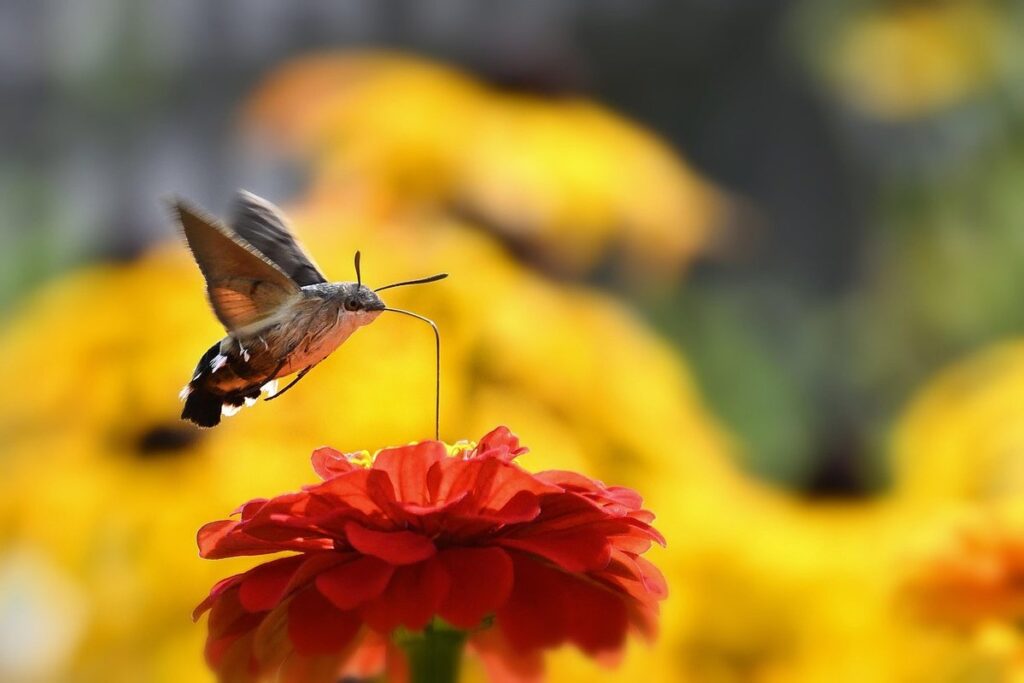
Understanding Grain Moths and Their Impact
Grain moths can be a significant threat to feed quality, but understanding their behavior and impact is key to effective prevention. Let’s dive into how these pests affect your grain stores and operations.
What are Grain Moths?
Grain moths are small, pesky insects that can cause significant damage to stored feed. But before we dive into prevention methods, it’s essential to understand these unwanted visitors.
There are several species of grain moths, but the most common ones infesting grains are the Angoumois Grain Moth (Sitotroga cerealella) and the Indianmeal Moth (Plodia interpunctella). These moths are categorized as Lepidoptera, which also includes butterflies. Despite their tiny size, grain moths can cause substantial losses to feed producers.
The life cycle of a grain moth is quite straightforward: egg, larva, pupa, and adult. Female moths lay eggs on the surface of grains, which hatch into larvae within 7-10 days. The larvae feed on the kernels, causing damage and contamination. After several weeks, the larvae enter the pupal stage, eventually emerging as adult moths. Adult grain moths can survive for up to six months without feeding, making them a persistent problem in stored feed.
It’s worth noting that grain moths can infest grains at any stage of production, from harvesting to storage. To minimize the risk of infestation, it’s crucial to understand their habits and take preventive measures. In the next section, we’ll explore ways to prevent grain moth infestations and protect your stored feed.
Economic Importance and Food Safety Concerns
The economic importance of grain moth infestations on livestock feed cannot be overstated. A single infestation can lead to significant losses for farmers and feed manufacturers, with some estimates suggesting that the global cost of grain moth damage exceeds $1 billion annually. The impact is twofold: first, moths consume a substantial portion of the stored grains, resulting in reduced feed quality and quantity; second, the very presence of moths can compromise the integrity of the entire storage facility.
Consuming contaminated food products poses serious health risks to both humans and animals. Grain moth infestations can lead to mycotoxin production, which has been linked to a range of adverse health effects in livestock, including reduced growth rates, decreased fertility, and impaired immune function. In severe cases, mycotoxins have even been associated with liver damage and other organ failures.
To mitigate these risks, it is crucial that feed manufacturers and farmers adopt proactive prevention strategies, including regular inspections, proper storage practices, and strict quality control measures. By taking a preventative approach, it is possible to minimize the economic impact of grain moth infestations while ensuring the safety of both human consumers and livestock.
Types of Grain Moths Found in Feed Stores
When it comes to preventing grain moths, it’s essential to know which types can be found in feed stores. We’ll take a closer look at the most common species that can infest your stored grains.
Angoumois Grain Moth (Sitotroga panacea)
The Angoumois Grain Moth (Sitotroga panacea) is a common pest found in feed stores worldwide. To identify this moth, look for its reddish-brown body with long antennae and grayish-white markings on its wings. Adult moths are about 1/4 inch long, and their presence indicates an infestation.
These moths prefer certain types of grains, particularly those high in oil content like oats, barley, and rice. They lay eggs in the grain’s crevices or cracks, which hatch into larvae within a week. The larvae feed on the grain, causing damage that can lead to significant losses.
To prevent Angoumois Grain Moth infestations, monitor your grains regularly for signs of damage or adult moths. Store grains in sealed containers or bins with tight-fitting lids to prevent eggs from hatching. Regularly inspect equipment and storage areas for signs of pest activity.
If you suspect an infestation, treat affected areas promptly using appropriate pesticides. Remove any contaminated grain to prevent further infestations. To avoid future problems, store only clean, dry grains in well-ventilated areas, and maintain good housekeeping practices.
Indian Meal Moth (Plodia interpunctella)
The Indian meal moth (Plodia interpunctella) is a common pest that can infest stored feed in feed stores. These moths are small, with a wingspan of about 10-15 mm, and have a distinctive grayish-brown color with a series of dark spots along their forewings.
One of the characteristics of Indian meal moths is their ability to adapt to a wide range of environments and feed types. They can be found in stored grains, such as oats, corn, and wheat, as well as in other feed materials like soybeans and sunflower seeds. These moths are also known for their high reproductive rate, with females laying up to 300 eggs at a time.
The presence of Indian meal moths in stored feed can have significant impacts on feed quality and safety. Infested grain may develop off-flavors, unpleasant odors, or even become contaminated with insect fragments or feces. To prevent infestations, it’s essential to store feed in clean, dry containers, keep areas free from clutter, and monitor for signs of moth activity regularly.
In addition to proper storage, regular inspections can help detect Indian meal moths early on. Look for small holes in packaging, shredded material, or actual moths flying around. If an infestation is discovered, it’s crucial to act quickly by removing and disposing of the affected feed, thoroughly cleaning the area, and implementing pest control measures as needed.
Causes and Risk Factors of Grain Moth Infestations
Grain moth infestations can occur due to various causes, including poor storage conditions and contamination by pests. Understanding these causes is essential for effective prevention strategies.
Poor Storage Practices and Conditions
Proper storage of grains is crucial to preventing grain moth infestations. Grain moths are highly adaptable and can thrive in a wide range of environments, but certain conditions can significantly increase the likelihood of an infestation.
Temperature plays a significant role in grain moth infestations. Ideal storage temperatures for grains range from 50°F to 70°F (10°C to 21°C). Temperatures above or below this range can accelerate the life cycle of grain moths, allowing them to reproduce and multiply more quickly. For example, at 80°F (27°C), grain moths can complete their life cycle in as little as 30 days.
Maintaining a relative humidity level between 50% and 70% is also essential for preventing grain moth infestations. High humidity levels can cause grains to become damp, creating an ideal environment for grain moths to develop. Conversely, low humidity can dry out the grains, causing them to become brittle and more susceptible to insect damage.
Regular cleaning of storage areas is another critical factor in preventing grain moth infestations. Grain moths can lay eggs on surfaces and objects, which can then be transferred to stored grains through contamination. Regularly sweeping or vacuuming floors, wiping down equipment, and keeping storage containers clean can help prevent this type of contamination.
Contamination from Other Sources
When receiving shipments of feed, it’s crucial to inspect them thoroughly for signs of contamination. Contaminated shipments can introduce grain moths to your store, posing a significant risk to your inventory and operations. This can happen through poor storage conditions at the supplier’s end or inadequate handling during transportation.
Equipment maintenance is also vital in preventing contamination from other sources. Regularly clean and sanitize equipment used for feed processing, storage, or packaging to prevent residual food particles and debris from harboring pests. Furthermore, ensure that all equipment is stored in a clean, dry environment when not in use.
To mitigate the risk of contamination from other sources, implement a robust quality control process. This includes inspecting shipments before accepting them, monitoring feed inventory levels regularly, and maintaining accurate records of storage conditions and handling practices. By being vigilant about potential entry points for grain moths, you can reduce the likelihood of infestations and protect your business from financial losses.
Detection and Monitoring of Grain Moth Infestations
Early detection is crucial when it comes to grain moth infestations, so let’s explore the best methods for identifying and monitoring these pests in your feed. Regular inspections can help prevent costly losses.
Visual Inspection Methods
Regular visual inspections are crucial for detecting grain moth infestations early on. As an infestation progresses, grain moths can cause significant damage to feed, compromising its nutritional value and quality. By regularly inspecting your stored grains, you can catch signs of live insects or damage before it’s too late.
Some key signs to look out for during a visual inspection include:
• Holes in the grain surface
• Discoloration or staining on the grain
• Webbing or silk threads between grain kernels
• Live moths flying around the storage area
When conducting an inspection, make sure to examine the entire storage area, including walls, ceilings, and the floor. Check for any unusual odors or sounds that could indicate an infestation. Look closely at the grain itself, paying attention to any signs of damage or insect activity.
Remember, early detection is key to preventing further damage and maintaining feed quality. Regular inspections should be part of your ongoing monitoring efforts, ideally conducted monthly or bi-monthly, depending on storage conditions and other factors.
Chemical and Biological Traps
Chemical and biological traps are essential tools for detecting and monitoring grain moth populations in feed. These methods can help identify infestations before they become severe, allowing for prompt action to be taken. Phases of the Moon traps, also known as sex pheromone traps, work by emitting a chemical that mimics the scent of female moths. Male moths are attracted to this scent and become trapped in a sticky surface within the trap.
Biological traps, such as the yellow sticky trap, work on a similar principle but use a bright yellow color to attract male moths instead. These traps can be placed near storage areas or along transportation routes to capture moths before they infest feed. By monitoring these traps regularly, you can identify trends in moth populations and take steps to prevent further infestation.
It’s essential to place traps in strategic locations and check them frequently to ensure effective detection and monitoring. This approach can help minimize grain moth-related losses and maintain the quality of stored feed.
Prevention and Control Strategies for Grain Moths in Feed Stores
To effectively manage grain moths, it’s essential to understand the prevention methods that help prevent infestations from occurring in the first place. This section will explore practical control strategies for feed stores.
Sanitation and Cleaning Practices
When it comes to preventing grain moths in feed stores, regular cleaning and sanitation practices are essential. To maintain a clean environment, start by establishing a routine of thorough cleaning at least once a week. Begin by removing all equipment and materials from the storage area, and then sweep or vacuum the floor to remove any debris.
Next, focus on sanitizing any surfaces that come into contact with feed, such as bins, containers, and conveyor belts. Use a solution of water and mild detergent to clean these areas, paying particular attention to any crevices or cracks where dust and debris can accumulate. For more stubborn stains or buildup, consider using a desiccant to dry out the area before sanitizing.
Don’t forget to also clean equipment regularly, such as feed grinders, mixers, and augers. Remove any visible dust or debris and wash parts with soap and water, drying thoroughly before reassembling. By maintaining a clean environment through regular cleaning and sanitation practices, you can help prevent grain moths from infesting your feed store.
Storage Methods and Equipment Design
Proper storage methods and equipment design are crucial in preventing grain moth infestations in feed stores. Sealed containers are an effective way to keep grains fresh and free from pests. Make sure to store grains in airtight containers with tight-fitting lids, and consider using container liners or bags to prevent moisture buildup.
When it comes to rodent-proofing, seal any entry points around storage areas, including holes around pipes, vents, and electrical outlets. Use steel wool or expanding foam to block these openings. Consider installing rodent-deterrent fencing around the perimeter of your feed store.
Equipment design should also be considered when minimizing the risk of infestation. Grains should be stored in a way that allows for easy cleaning and inspection. This includes using equipment with smooth, non-porous surfaces and avoiding the use of wooden or untreated metal components, which can harbor pests.
By incorporating these storage methods and equipment design considerations into your feed store, you can significantly reduce the risk of grain moth infestations and keep your grains fresh for longer.
Conclusion and Future Directions in Grain Moth Prevention
Now that you’ve learned how to identify, prevent, and manage grain moths, let’s look ahead to future developments and best practices for continued success. We’ll explore emerging strategies and innovations.
Review of Key Takeaways
In reviewing the key takeaways from this comprehensive guide on grain moths in feed prevention, it’s clear that prevention and control strategies are crucial for maintaining a moth-free environment in feed stores. Effective management begins with proper storage techniques, including storing grains at low temperatures (around 0°C) and using airtight containers to prevent moisture accumulation.
Identification of signs of infestation is another critical aspect, as early detection allows for swift action against the moths. Regular inspections should be conducted, taking note of symptoms like small holes in packaging or actual moths seen flying around the storage area. Implementing Integrated Pest Management (IPM) strategies can also help prevent grain moth infestations.
Actionable tips from this guide include monitoring humidity levels and ensuring a balanced environment within the feed storage facilities. These practical steps, when combined with understanding the life cycle of grain moths, provide a solid foundation for prevention efforts in feed stores. By adopting these best practices, you can minimize the risk of grain moth infestations and protect your stored grains.
Emerging Trends and Technologies
The grain industry is on the cusp of significant advancements in moth prevention and control. One emerging trend gaining traction is the use of automated storage systems that utilize advanced sensors and monitoring technology to detect even slight changes in temperature, humidity, or insect activity. This enables swift intervention before moths can infest grains.
Another innovative approach involves the development of new treatment options, such as biopesticides and pheromone-based control methods. These alternatives offer a more environmentally friendly and targeted solution compared to traditional chemical treatments. For instance, some companies are exploring the use of yeast-based biopesticides that disrupt moth reproduction without harming humans or other beneficial insects.
As technology continues to advance, we can expect even more sophisticated solutions to emerge. For example, AI-powered monitoring systems may become increasingly prevalent, allowing feed manufacturers and grain storage facilities to proactively identify and address potential moth infestations before they occur.
Frequently Asked Questions
What are the most common signs of a grain moth infestation in my feed store?
If you notice tiny holes or tunnels on grains, shredded grain fragments, or even live moths flying around your storage areas, it’s likely that you have a grain moth infestation. Regular inspections and monitoring can help detect these early warning signs before they spread.
How often should I inspect my grain stores for signs of infestation?
Regular inspections are crucial in detecting grain moths early on. We recommend inspecting your grain stores at least once a week, especially during peak pest seasons or after receiving new shipments. Keep an eye out for any unusual odors, mold growth, or signs of insect activity.
Can I use DIY methods to control grain moth infestations?
While DIY methods can be effective in small-scale infestations, they may not be enough to tackle larger outbreaks. In such cases, it’s recommended to consult with a pest management professional who can assess the situation and provide tailored solutions. They will help you choose the best approach for your specific needs.
What are some common mistakes that feed store owners make when trying to prevent grain moths?
One common mistake is not storing grains in rodent-proof containers or failing to maintain good sanitation practices. Another error is relying solely on chemical controls without implementing prevention strategies like proper storage and handling. Be sure to address the root causes of infestations, rather than just treating symptoms.
How long does it take for grain moths to infest a newly stored batch of grains?
The time it takes for grain moths to infest newly stored grains can vary depending on factors such as temperature, humidity, and the presence of other contaminants. However, it’s not uncommon for moths to start breeding within 1-2 weeks after storage. Regular monitoring and inspections are essential to catch these pests early on.