
As a chicken keeper, have you ever noticed your flock picking at their own toes? This common behavior, known as toe picking or pecking, can be more than just an annoying habit – it’s often a sign of underlying health issues. Whether caused by nutritional deficiencies, stress, or parasites, toe picking can lead to serious problems for your chickens, including foot deformities and infections that can spread quickly through the flock. In this article, we’ll take a closer look at the causes of toe picking in chickens and provide expert advice on prevention strategies to keep your birds healthy and happy. We’ll cover topics such as identifying risk factors, maintaining good flock health, and implementing effective measures to prevent toe picking from occurring in the first place.
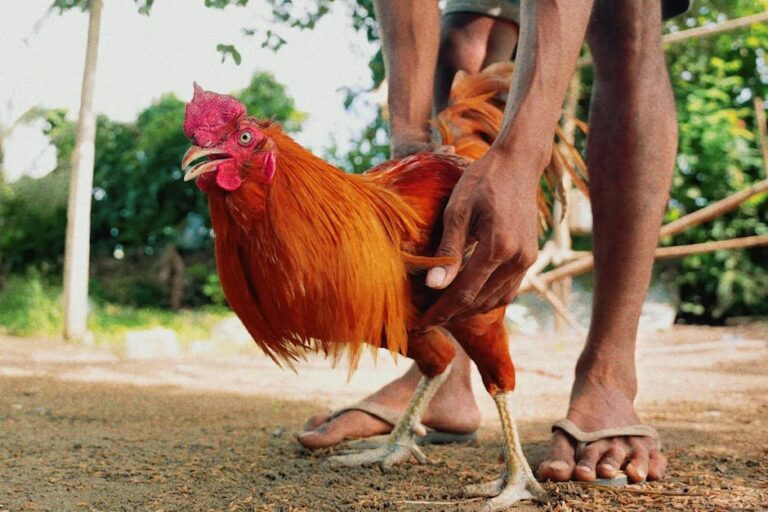
Understanding Toe Picking Behavior in Chickens
If you’re dealing with a flock that has developed toe picking habits, it’s essential to understand why chickens engage in this behavior, which can be a sign of underlying issues. This section will delve into those underlying causes and how they relate to your chicks’ overall health.
Definition and Causes of Toe Picking
Toe picking, also known as toe pecking, is a common behavior observed in chickens where they peck at their own toes, often causing injury and damage. This behavior can be distressing for chicken keepers to witness, but it’s essential to understand the underlying causes and risk factors associated with toe picking.
Research suggests that toe picking can be a sign of underlying health issues, such as nutritional deficiencies, parasites, or infections. For example, a lack of vitamin E in their diet can lead to muscle damage and inflammation, causing chickens to peck at their own toes in an attempt to alleviate the pain. Other potential causes include boredom, stress, and inadequate space.
Chickens with toe picking behavior often exhibit other signs of distress, such as lethargy, changes in appetite, or feather plucking. If you suspect that your flock is experiencing toe picking due to underlying health issues, it’s crucial to consult with a veterinarian to rule out any underlying medical conditions. In the meantime, providing a balanced diet, ensuring adequate space and enrichment activities, can help alleviate some of these behaviors.
Common Health Issues Leading to Toe Picking
Foot infections are one of the most common health issues leading to toe picking in chickens. Bacterial and fungal infections can cause painful swelling, redness, and discharge around the toes, prompting chickens to peck at their own feet. For example, a staphylococcal infection may lead to the formation of abscesses or boils on the toes.
Parasites are another contributing factor, particularly mites and lice that burrow into the skin, causing intense itching and discomfort. This can drive chickens to exhibit abnormal behavior like toe picking in an attempt to alleviate their distress. If you suspect a parasite infestation, inspect your flock regularly for signs of scratching, feather pecking, or excessive dirt accumulation around the vent area.
Keep in mind that chronic health issues like these often stem from poor living conditions, inadequate ventilation, and neglect in cleaning up after your chickens. Ensure you maintain a clean coop with adequate space and proper waste management to prevent such problems from arising. Regularly inspect your birds’ feet for signs of discomfort or infection, addressing any concerns promptly to avoid them resorting to toe picking.
Understanding Chicken Behavior and Stress Factors
Understanding chicken behavior and stress factors is crucial to preventing toe picking. Chickens are social animals that thrive on routine, so it’s essential to create an environment that meets their needs. Stress can have a significant impact on a chicken’s overall health and well-being, leading to behavioral issues like toe picking.
When chickens feel stressed or anxious, they may engage in abnormal behaviors such as feather pecking, egg eating, or in this case, toe picking. This is because stress causes them to release cortisol, a hormone that can disrupt their natural behavior. For example, if your flock is being bullied by another chicken or experiencing changes in their living conditions, it can cause undue stress.
To mitigate stress and prevent toe picking, ensure you’re providing adequate space for exercise, social interaction, and enrichment activities. Aiming for at least 2-4 square feet per bird inside the coop and at least 8-10 square feet of outdoor space is a good starting point. Additionally, rotate your flock to new areas daily or introduce toys and treats to stimulate their minds and bodies.
Identifying Signs and Symptoms of Toe Picking in Chickens
One of the most challenging aspects of recognizing toe picking behavior is identifying its subtle signs, which can be easy to miss unless you know what to look for. Let’s explore the common symptoms together.
Visual Inspection for Toe Damage
As you inspect your chickens’ feet regularly, it’s essential to be aware of visual signs of toe damage. Look for cuts, cracks, or inflammation around the toes, which can indicate a potential issue. These injuries can become infected and lead to more severe problems if left untreated.
When checking your flock’s feet, pay attention to the following:
• Redness or swelling around the toes
• Open wounds or cuts on the feet or toes
• Cracks in the toe pads or nails
• Excessive scratching or pecking at the toes
To inspect your chickens’ feet effectively, make it a habit to regularly check them during daily handling. Gently lift each bird’s foot and examine the toes carefully. You can also use this opportunity to trim your chickens’ nails to prevent overgrowth.
Keep in mind that some breeds are more prone to toe damage due to their anatomy or behavior. Regular inspections will help you catch any potential issues early, preventing them from becoming severe problems.
Behavioral Indicators of Pain or Discomfort
When it comes to identifying potential toe picking issues in chickens, looking for behavioral indicators is crucial. Chickens that are experiencing pain or discomfort due to toe picking may exhibit subtle changes in their behavior.
One of the most obvious signs is limping. If a chicken’s toe is injured or infected, they may favor one leg over the other when walking, making it difficult to move around comfortably. Be on the lookout for chickens that are hesitant to walk or stand on a particular leg.
Other behavioral indicators include avoiding certain activities altogether, such as dust bathing or perching. Chickens in pain may associate these actions with discomfort and try to avoid them altogether. You might also notice an increase in aggression or irritability in chickens experiencing toe picking issues.
If you suspect that your flock is experiencing pain due to toe picking, monitor their behavior closely. Keep an eye on their gait and movement patterns, and watch for changes in appetite or overall health. By recognizing these behavioral indicators early on, you can take prompt action to prevent the issue from worsening and provide relief for your chickens.
Prevention Strategies for Toe Picking in Chickens
When it comes to preventing toe picking in your flock, knowing what strategies work is crucial. Let’s dive into some effective methods to keep your chickens’ toes safe and healthy.
Environmental Enrichment and Redesigning the Coop
Modifying your coop’s environment is a crucial step in preventing toe picking. Chickens are intelligent and curious creatures that thrive on stimulation. By adding more perches and increasing vertical space, you can encourage them to exercise their natural foraging behavior and reduce the likelihood of toe picking. Consider installing multiple levels of perches or using hanging feeders to keep your flock engaged.
Proper ventilation is also essential in reducing stress factors that contribute to toe picking. Stagnant air can lead to ammonia buildup, respiratory issues, and increased stress levels. Ensure good airflow by adding windows, vents, or fans to your coop. Regularly cleaning and disinfecting the coop will also help maintain a healthy environment.
By implementing these environmental modifications, you can significantly reduce the risk of toe picking in your flock. Remember, every coop is unique, so observe your birds’ preferences and adjust accordingly. For example, if you notice that your chickens are more active during certain times of the day, plan your cleaning schedule around those periods to minimize disruption.
Dietary Adjustments to Promote Healthy Feet
When it comes to preventing toe picking in chickens, it’s essential to consider their dietary needs. A balanced diet plays a significant role in maintaining healthy feet. Ensure that your flock receives a well-rounded feed that includes essential nutrients for bone health, such as phosphorus and vitamin D3. These elements help strengthen bones and promote overall foot health.
However, it’s crucial not to overdo it with calcium supplements or high-calcium feeds. Excessive calcium can lead to softening of the bones, making them more susceptible to cracks and breaks. A general rule of thumb is to maintain a balanced ratio of calcium to phosphorus – aim for 2:1 or 3:1. Avoid adding excessive amounts of crushed eggshells, oyster shells, or other high-calcium supplements without consulting with a veterinarian or poultry expert.
Some key nutrients that support bone health in chickens include:
• Phosphorus (about 0.45% on a dry matter basis)
• Vitamin D3 (500 IU/kg)
• Calcium (1-2% on a dry matter basis)
Make sure to provide clean water and maintain a dust-free environment, as these factors can contribute to the overall health of your flock’s feet.
Managing Toe Picking Episodes in Your Flock
If you find that your flock is still experiencing toe picking episodes despite taking preventative measures, don’t worry – we’ve got some strategies to help you manage these incidents.
First Aid and Emergency Care
When it comes to managing toe picking episodes in your flock, having a plan in place for treating minor injuries or infections is crucial. This includes knowing how to properly disinfect wounds and apply topical treatments to promote healing.
Firstly, if you notice signs of an infection such as redness, swelling, or discharge around the affected area, it’s essential to seek veterinary care immediately. In the meantime, gently clean the wound with mild soap and warm water to prevent further irritation. Avoid using harsh chemicals or scrubbing too hard, as this can damage surrounding tissue.
To promote healing, apply a topical antibiotic ointment to the affected area 2-3 times a day. You can also use a soothing cream or gel to help calm any discomfort. Be sure to follow the instructions on the product label carefully and only use treatments that are safe for your flock’s age and health status.
If left untreated, minor injuries can lead to more severe complications, such as foot abscesses or gangrene. Regularly monitoring your birds’ behavior and watching for signs of infection will help you catch any issues early on and prevent more serious problems from developing.
Long-Term Prevention Plans for the Whole Flock
Implementing long-term prevention plans is crucial to ensuring the overall health and well-being of your flock. This involves understanding each chicken’s individual needs and addressing them accordingly. Begin by keeping a close eye on your birds’ behavior, diet, and living conditions. Regular monitoring will help you identify potential issues before they escalate into full-blown toe picking episodes.
Consider creating a customized care plan for each chicken based on their unique characteristics, such as breed, age, and health status. For example, some chickens may require more frequent beak trimming or special dietary supplements to prevent toe picking. Ensure that your flock has access to clean water, nutritious food, and adequate space to move around.
Regular health checks will also help you detect underlying issues that could contribute to toe picking. Consult with a veterinarian or poultry expert if you’re unsure about the best course of action for your flock. By tailoring your prevention plan to each chicken’s needs and staying vigilant, you’ll be better equipped to prevent toe picking episodes from occurring in the first place.
Supporting Your Chickens’ Mental Health and Well-being
Providing your flock with a happy, stress-free environment is crucial for their overall health and well-being, especially when it comes to preventing toe picking behaviors. Let’s explore how to support their mental health.
Reducing Stress and Providing Enrichment Activities
When it comes to preventing toe picking in your chicks, it’s essential to consider their mental health and well-being. A happy and relaxed chicken is less likely to engage in destructive behaviors like toe picking, which can lead to stress and discomfort for the bird.
Provide enrichment activities that stimulate your chickens’ natural behavior, such as scratching, pecking, and exploring. For example, you can offer a variety of toys and puzzles that challenge their problem-solving skills, or create a “foraging area” where they can search for treats. This mental stimulation will keep them engaged and focused on something other than picking at their own feet.
Some simple stress-reduction techniques include providing a calm and quiet environment, ensuring adequate light exposure, and maintaining a comfortable temperature range in the coop. You can also try introducing calming music or nature sounds to help create a relaxing atmosphere. By prioritizing your chickens’ mental well-being, you’ll be taking a crucial step towards preventing destructive behaviors like toe picking.
Creating a Safe and Stimulating Environment
When creating an environment that supports the mental health and well-being of your chickens, it’s essential to prioritize their natural behaviors. Chickens are social animals and thrive when they have opportunities to engage in instinctual activities such as foraging, scratching, and dust bathing.
To reduce stress factors, ensure that your coop is well-ventilated and maintained at a comfortable temperature. Avoid overcrowding the coop, as this can lead to aggression and increased competition for resources. Provide ample space for your chickens to move around, stretch their wings, and engage in physical activity.
Some practical tips include rotating enrichment items such as toys, perches, and scratching posts to keep things fresh and interesting. You can also create a “chicken agility course” using natural materials like logs or branches. Make sure to provide multiple roosting bars at different heights for your chickens to use during the night, promoting social interaction and reducing stress.
By creating an environment that encourages natural behavior, you’ll be taking a crucial step towards preventing toe picking in your chicks. By doing so, you’ll also promote overall health and well-being, setting them up for a happy and healthy life.
Additional Resources for Further Learning
For those eager to dive deeper into the world of toe picking prevention chicks, we’ve compiled a list of valuable resources for further learning and exploration. Check out these expert-approved references!
Recommended Books and Online Courses
If you’re looking to dive deeper into chicken care and behavior, there are several excellent books and online courses available that can provide valuable insights. For instance, “Storey’s Guide to Raising Chickens” by Gail Damerow is an exhaustive resource that covers everything from breed selection to health issues.
Online courses like those offered on Udemy or Coursera can also be a great way to learn about chicken behavior and health. Courses such as “Raising Backyard Chickens 101″ cover the basics of chicken care, while more specialized courses delve into topics like flock dynamics and parasite control. Workshops and webinars hosted by experienced poultry experts are another excellent resource for learning from hands-on experience.
Some notable online resources include books like “The Small-Scale Poultry Flock” by Harvey Ussery and courses on platforms like ChickenKeeping.com, which offer in-depth guides on topics like coop design and chicken health management.
Expert Q&A: Consulting with Veterinarians and Experienced Breeders
When it comes to preventing toe picking in chicks, consulting with experts can be incredibly valuable. You may want to reach out to veterinarians who specialize in poultry care for guidance on addressing this issue in your flock. These professionals have extensive knowledge of common health problems affecting backyard chickens and can offer personalized advice tailored to your specific situation.
Experienced breeders are also a great resource, as they often develop breeding programs that prioritize healthy beak development and minimize the likelihood of toe picking. Reaching out to reputable breeders for guidance on selecting birds with naturally healthy feet or learning strategies for preventing toe picking is a great approach.
To effectively consult with these experts, start by explaining your situation clearly and asking specific questions about their experience with similar cases. Take detailed notes during conversations and follow up with any additional information they may request. This not only shows respect but also helps ensure you fully understand their recommendations.
Frequently Asked Questions
What are the immediate steps I can take to stop toe picking in my flock?
Immediately addressing the underlying causes of toe picking is crucial. Start by conducting a thorough visual inspection for signs of injury, infection, or parasites. Consult with your veterinarian to determine the best course of action and make any necessary dietary adjustments to promote healthy feet.
How can I identify which chickens are at highest risk for developing toe picking habits?
Chickens that are underweight, stressed, or experiencing nutritional deficiencies may be more susceptible to toe picking. Keep a close eye on birds with these characteristics and consider implementing enrichment activities and environmental changes to reduce stress.
What signs should I look out for when assessing my flock’s foot health after implementing prevention strategies?
Monitor your chickens’ behavior and watch for reduced pecking, no new signs of injury or infection, and overall improved comfort. Regularly inspect their feet for any signs of improvement, such as healing wounds or reduction in swelling.
How can I design a safe and stimulating environment that reduces the likelihood of toe picking in my flock?
Consider incorporating scratching posts, ladders, and perches to reduce stress and encourage natural behavior. Also, ensure adequate space and comfort within your coop by reducing overcrowding and providing proper ventilation.
Can toe picking be prevented entirely if my flock is receiving a balanced diet?
While dietary adjustments can help alleviate nutritional deficiencies, they may not completely eliminate the risk of toe picking. It’s essential to also address other contributing factors such as environmental stressors and behavioral issues through enrichment activities and coop redesign.