
Are you tired of feeling like your bedroom is an extension of the outside world? Do you struggle to get quality sleep due to lack of relaxation time? You’re not alone. In today’s fast-paced lives, it’s easy to neglect our own needs and prioritize others’ comfort above our own. But what if I told you there’s a simple solution to create a peaceful retreat in your home?
Imagine waking up each morning feeling refreshed, revitalized, and ready to take on the day. By combining privacy curtains with nesting boxes, you can do just that. Not only will this harmonious design improve your sleep quality, but it’ll also help reduce stress levels and promote better mental health. In this article, we’ll explore the benefits of this innovative home design solution and provide practical tips on how to incorporate it into your own space.
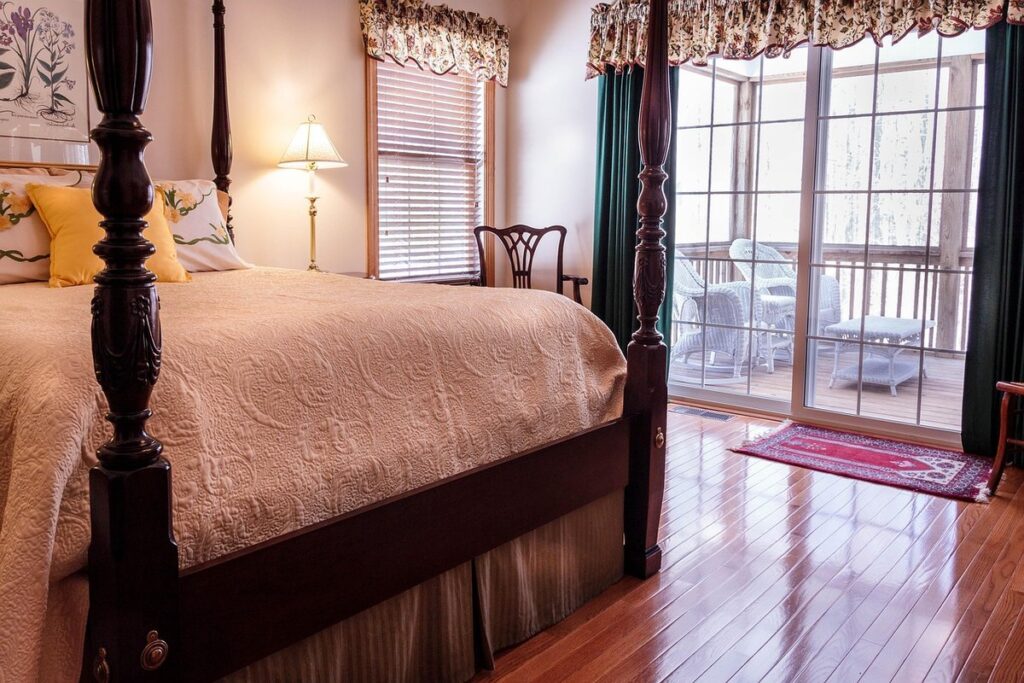
Understanding the Importance of Privacy in Homes
As you decorate and personalize your home, it’s easy to overlook one crucial aspect: maintaining a sense of solitude. In this next part, we’ll explore why having a private space is essential for both physical and mental well-being.
What are Privacy Curtains?
Privacy curtains are a simple yet effective solution to enhance privacy and ambiance in homes. They are essentially decorative panels or drapings made of various materials such as fabric, wood, or bamboo that can be hung from the ceiling or attached to walls to block unwanted views. The primary purpose of these curtains is to provide seclusion without compromising natural light or aesthetics.
By installing privacy curtains, homeowners can enjoy several benefits, including reduced noise pollution, improved energy efficiency, and enhanced visual appeal. For instance, using thermal insulation properties in some types of curtains can help minimize heat loss during winters and keep homes cooler during summers. Moreover, they come in a wide range of designs and styles to match different home decor themes.
When selecting the right type of privacy curtain for your needs, consider factors such as room size, desired level of opacity, and maintenance requirements. You may also want to explore different materials and patterns to achieve the perfect blend of functionality and style.
Types of Materials Used for Privacy Curtains
When it comes to choosing the right materials for your privacy curtains, you’ll want to consider a few key factors. Let’s take a closer look at some of the most popular options: cotton, polyester, and blends.
Cotton is a natural choice for many homeowners, offering breathability and a soft texture that’s gentle on fabric. However, it can be prone to wrinkles and may require frequent ironing. On the other hand, polyester is a synthetic material that’s easy to clean and maintain, but its durability can vary depending on the quality of the fabric.
Blends are another option, combining the benefits of both cotton and polyester in one fabric. These often offer a balance of breathability and durability, making them an excellent choice for high-traffic areas. Consider factors like sunlight exposure, moisture levels, and maintenance requirements when selecting your material. By choosing the right fabric blend, you can create privacy curtains that not only serve their purpose but also add style and functionality to your home.
Benefits of Using Privacy Curtains in Bedrooms and Bathrooms
Using privacy curtains in bedrooms and bathrooms can significantly enhance your home’s functionality and overall livability. One of the most notable benefits is improved sleep quality. By blocking out harsh external lights and reducing noise pollution, you can create a peaceful environment that promotes better rest.
According to a study, exposure to natural light can increase alertness and wakefulness. This is why blackout curtains are essential in bedrooms, especially for people who work night shifts or have trouble sleeping during the day. You can achieve this by installing heavy-duty privacy curtains with thermal lining, which not only block out light but also maintain room temperature.
In bathrooms, window treatments can make a huge difference in functionality and hygiene. Water-resistant privacy curtains can protect your bathroom from moisture damage while maintaining airflow to prevent mildew buildup. Consider investing in motorized curtains for easy operation, ensuring you don’t compromise on convenience when trying to create a private space.
To maximize the benefits of using privacy curtains, consider the following:
* Choose the right material: Opt for water-resistant or blackout fabrics that can withstand moisture and light exposure.
* Select the perfect opacity level: From sheer panels to opaque blockouts, choose the right level of visibility to suit your needs.
* Invest in smart technologies: Motorized curtains can be controlled remotely, allowing you to adjust the lighting levels with ease.
Designing the Perfect Nesting Box for Your Home
When it comes to adding a nesting box to your home, you want one that’s both functional and aesthetically pleasing, don’t you? Let’s dive into designing a perfect nesting box for your space.
What are Nesting Boxes?
Nesting boxes have been around for centuries, providing a safe haven for birds and small animals to rest, hide, and raise their young. The concept of nesting boxes dates back to ancient civilizations, where people would create simple birdhouses using natural materials like wood and twigs.
Over time, the design and functionality of nesting boxes have evolved significantly. Today, you can find various types of nesting boxes that cater to different species, from birds’ nests for robins and bluebirds to cat trees for felines. Some popular examples include:
* Birdhouses: These are specifically designed for birds, often with features like perches, food trays, and easy cleaning.
* Cat condos or towers: These provide multiple levels of climbing, scratching posts, and hiding spots for cats.
* Small mammal boxes: These offer a cozy retreat for animals like rabbits, squirrels, and raccoons.
When it comes to creating nesting boxes in your home, consider the needs of the species you’re trying to attract or support. For instance, birds may require a specific type of material, such as cedar or pine, while cats prefer denser materials like carpet or sisal rope.
Choosing the Right Material for Your Nesting Box
When it comes to choosing the right material for your nesting box, there are several options to consider. Wood is a popular choice due to its natural beauty and durability. However, it can be prone to rotting if not properly sealed. On the other hand, plastic nesting boxes are low-maintenance but may lack the charm of their wooden counterparts.
Recycled materials, such as reclaimed wood or repurposed plastic, offer an eco-friendly alternative while still providing a unique aesthetic appeal. These options not only reduce waste but also add character to your home decor.
When selecting a material, consider the climate and humidity levels in your area. If you live in a humid region, it’s essential to choose a material that can withstand moisture. Additionally, think about the style and theme of your home, as well as the needs of the birds or pets using the nesting box. By weighing these factors, you can make an informed decision and create a nesting box that not only serves its purpose but also complements your home’s design.
Benefits of Installing a Nesting Box in Your Home
Installing a nesting box in your home can have numerous benefits that extend beyond just providing a cozy spot for birds. In fact, it can be a fantastic way to bring some entertainment and stress relief into your life while also connecting with nature.
For one, watching birds nest and raise their young can be an absolute delight. Imagine waking up each morning to the sound of chirping birds outside your window, or witnessing the intricate dance of birds as they build their nests. This connection to nature has been shown to have a positive impact on mental health, reducing stress levels and promoting feelings of calm.
Moreover, nesting boxes can also serve as a natural alarm clock, allowing you to start your day with a sense of wonder and awe. By installing a nesting box in a sunny spot outside your window, you’ll be treated to the sights and sounds of birds going about their daily business, providing a gentle wake-up call that’s far more pleasant than an alarm blaring in your ear.
Creating a Harmonious Balance Between Privacy Curtains and Nesting Boxes
To create a harmonious balance between your home’s aesthetic and its functional needs, you’ll want to carefully consider how your curtains and nesting boxes coexist in each room. By doing so, you can achieve both style and substance.
Integrating Privacy Curtains with Nesting Boxes for Aesthetic Appeal
When it comes to creating a harmonious balance between privacy curtains and nesting boxes, one of the most important considerations is aesthetic appeal. By integrating these two elements, you can achieve a cohesive look that elevates the overall style of your home.
To start, think about matching colors: choose curtains and box liners in complementary hues or analogous shades for a seamless transition. For example, pair soft gray curtains with natural wood nesting boxes for a calming, monochromatic vibe. Alternatively, opt for bold patterns like stripes or florals on the curtains to add visual interest against plain nesting boxes.
Consider the style of your home as well: modern homes might benefit from sleek, minimalist curtain designs paired with geometric nesting boxes, while traditional spaces could work with ornate, patterned curtains and matching box liners. Don’t be afraid to experiment – after all, it’s a chance to express your personal taste! By selecting harmonious colors and styles, you can create a visually appealing space that combines functionality and beauty.
Maximizing Space With Nesting Boxes and Privacy Curtains
When it comes to incorporating both nesting boxes and privacy curtains into your home design, maximizing available space can be a challenge. However, with a little creativity and planning, you can make the most of your room’s square footage. One effective strategy is to opt for vertical placement of nesting boxes. This not only saves floor space but also adds visual interest to the room.
Another approach is to choose multi-functional designs that serve more than one purpose. For instance, consider a storage ottoman or a coffee table with built-in storage compartments. These types of pieces can hold linens, toys, and other household items while keeping clutter at bay. Additionally, clever storage solutions such as wall-mounted shelves or hanging organizers can be used to stash away nesting boxes, freeing up floor space.
Remember, every inch counts when it comes to maximizing space. By incorporating vertical placement, multi-functional designs, and clever storage solutions into your home design, you can create a harmonious balance between privacy curtains and nesting boxes that meets the needs of both functionality and aesthetics.
How to Choose Between Functionality or Aesthetics When Combining Both Features
When combining functionality and aesthetics, it’s essential to prioritize one aspect over the other, depending on your needs and preferences. If increased privacy is a top concern, opt for curtains with thick, heavy-duty fabrics that block out light. Consider blackout curtains or thermal curtains for maximum insulation.
However, if you’re looking to add a decorative touch, choose curtains with unique patterns or textures that complement your home’s style. For example, linen or cotton curtains in muted tones can create a relaxing ambiance. If you’re short on time, focus on nesting boxes that double as decorative storage units. Look for stylish containers that fit seamlessly into your room’s aesthetic.
When deciding between functionality and aesthetics, consider the room’s purpose. In bedrooms, prioritize darkness to promote better sleep; in living rooms, opt for lighter curtains to maintain an airy feel. Balance is key: use functional elements sparingly to avoid overwhelming the space. By striking a balance between form and function, you’ll create a harmonious atmosphere that suits your lifestyle.
Frequently Asked Questions
Can I use existing curtains or drapes for my privacy curtain solution?
Yes, you can repurpose existing curtains or drapes to create a makeshift privacy curtain system, but keep in mind that it may not provide the desired level of seclusion and ambiance. For optimal results, consider investing in custom-made panels or selecting materials specifically designed for this purpose.
How do I choose the right nesting box size for my bedroom?
When choosing a nesting box, measure your available space carefully to ensure you have enough room for both the box and any additional features like shelves or drawers. Consider the height of your ceiling and leave at least 12-18 inches between the top of the box and the ceiling for optimal ventilation.
Can I combine privacy curtains with other window treatments?
Absolutely! You can pair privacy curtains with blinds, shades, or plantation shutters to achieve a layered look that enhances both functionality and aesthetic appeal. This is an excellent opportunity to experiment with different materials and textures to find the perfect balance for your space.
How do I install nesting boxes in a small bedroom?
To maximize space in a compact bedroom, consider installing nesting boxes vertically instead of horizontally. You can also opt for wall-mounted units or use corner spaces to save floor area. When choosing the location, prioritize natural light and airflow to maintain a comfortable atmosphere.
What are some common mistakes people make when combining privacy curtains with nesting boxes?
A common mistake is prioritizing aesthetics over functionality, leading to an unbalanced design that compromises on either seclusion or storage capacity. To avoid this, clearly define your needs and preferences before designing your space, considering both the benefits of each feature individually and how they interact together.