
Protecting your flock from coyotes is a top priority for any chicken keeper. These cunning predators can easily get into your yard, especially if you live in an area with a high coyote population. If you’re like many backyard chicken enthusiasts, you’ve probably worried about losing your beloved hens to these stealthy hunters. But don’t worry, we’ve got you covered! In this comprehensive guide, we’ll walk you through the essential steps to safeguard your flock from coyotes. From securing your coop and run to making environmental modifications and preparing for emergencies, we’ll cover it all. By the end of this article, you’ll have a solid plan in place to keep your chickens safe from these predators and enjoy many years of happy, healthy egg-laying hens.
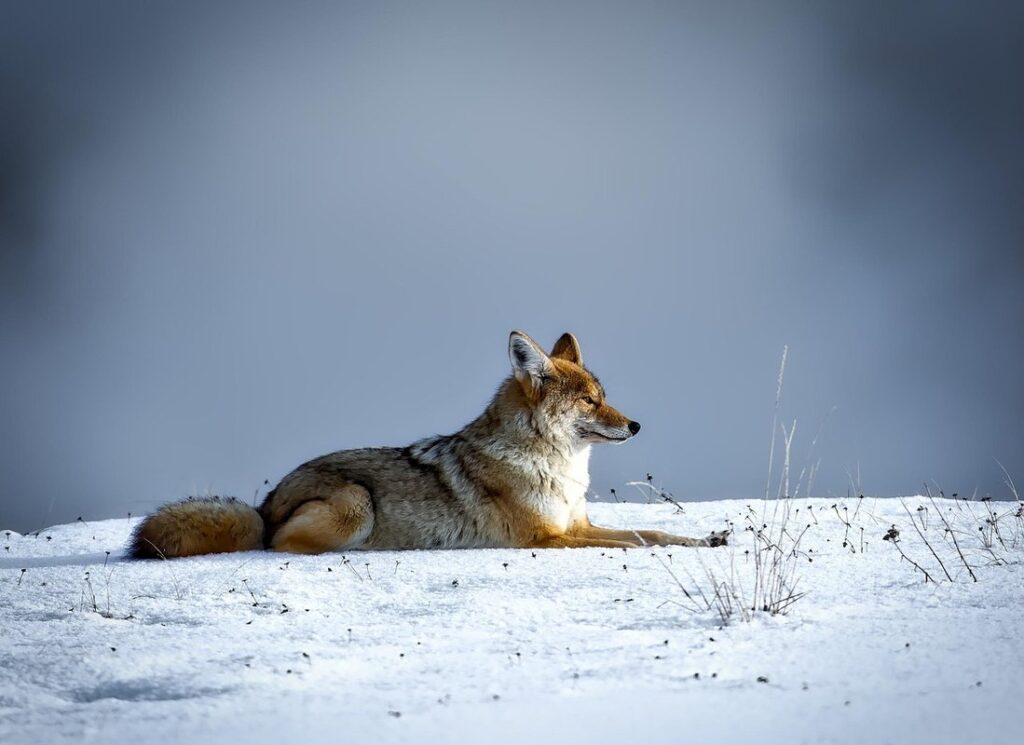
Understanding Coyote Behavior and Threats
To effectively protect your backyard chickens from coyotes, it’s essential to understand their behavior patterns and common threats they pose to poultry. We’ll break down the key factors you need to know.
Identifying Signs of Coyote Activity in Your Area
Identifying coyote presence is crucial to protecting your backyard chickens. Coyotes leave behind various signs that can indicate their activity in your area. Keep an eye out for tracks, which are typically 2-3 inches wide and have a distinct shape with five toes. These marks may be seen in mud, snow, or dry ground.
Coyote scat is another telltale sign. It’s usually dark brown or black in color, contains undigested hair and bone fragments, and has a distinctive banana-like shape. The presence of coyote urine can also be detected by its strong odor and the presence of small rocks or sticks nearby.
If you notice any of these signs near your property, it’s essential to take action to secure your flock. Check for any holes in fences, enclosures, or other potential entry points. Make sure all gates are locked, and consider installing electric fencing around your chicken coop. Regularly inspecting your yard for signs of coyote activity will help you stay one step ahead of these predators and keep your backyard chickens safe.
Understanding the Types of Coyotes That Attack Chickens
When it comes to coyote attacks on chickens, not all coyotes are created equal. There are several species of coyotes that are known to target backyard flocks, and understanding their habitats and behaviors is crucial for effective protection.
The most common coyote species associated with chicken attacks in the United States are the Eastern Coyote (Canis latrans var.), the Red Wolf-Coyote hybrid (Canis rufus x Canis latrans), and the Western Coyote (Canis latrans). These species can be found throughout North America, from urban to rural areas.
It’s essential to note that coyotes are adaptable and can thrive in various environments, including forests, grasslands, and even suburban neighborhoods. If you live in an area with a high coyote population, it’s likely that these predators will encounter your backyard chickens. Understanding the habitats and behaviors of these coyote species can help you identify potential threats and take proactive steps to protect your flock.
For example, if you notice coyotes frequenting your neighborhood or nearby parks, it may be wise to consider securing your coop with stronger fencing or using other deterrents like motion-activated sprinklers.
Securing Your Coop: Physical Barriers and Deterrents
To keep your chickens safe from coyotes, it’s essential to install physical barriers around their coop that prevent predators from getting in. Let’s explore some effective deterrents and barrier ideas.
Building a Coyote-Proof Coop
When designing and building a coop to protect your backyard chickens from coyote attacks, it’s essential to prioritize security and durability. Coyotes are notorious for their ability to climb and dig, so you’ll want to choose materials that will withstand their persistence.
Consider using heavy-gauge wire mesh or hardware cloth with openings of 1 inch or smaller to prevent even the smallest coyote from squeezing through. Cover all walls and floors with this material, making sure it extends at least 12 inches below ground level to prevent digging. You can also add a layer of chicken wire around the perimeter for extra protection.
When constructing your coop, use sturdy posts and beams to ensure it remains standing even if a coyote tries to knock it over. Secure all doors and windows with strong latches or locks to prevent easy access. Consider adding a roof overhang or canopy to protect against jumping predators.
Using Fencing and Netting to Protect Your Chickens
When it comes to protecting your backyard chickens from coyotes, using physical barriers such as fencing and netting is a crucial aspect of securing their coop. The type of fencing you choose can make a significant difference in keeping these predators out.
Hardware cloth fencing is an excellent option for chicken coops. It’s made from heavy-gauge metal wire with openings of 1 inch or less, making it nearly impossible for coyotes to chew through or squeeze through. You can also use poultry netting, which has openings of about 2 inches and can be attached to a fence or used as a stand-alone enclosure.
When installing fencing, make sure to extend it at least 3 feet underground to prevent digging predators from getting under the fence. Also, secure any gaps or holes with hardware cloth or metal flashing to ensure coyotes can’t squeeze through. Regular inspections of your coop and surrounding area will help you identify any weaknesses in your defenses and make necessary adjustments.
Environmental Modifications for Coyote Deterrence
When it comes to deterring coyotes from visiting your backyard, making some simple environmental modifications can go a long way in keeping them at bay. Let’s explore some effective changes you can make today.
Removing Attractants: Food, Water, and Shelter
Removing potential attractants that may draw coyotes to your property is an essential step in protecting your backyard chickens. Coyotes are attracted to food, water, and shelter, so it’s crucial to address these areas first. Start by securing all trash cans with tight-fitting lids and storing them in a secure location away from your chicken coop. Regularly clean up any debris or fallen fruit from trees and shrubs around your property.
Another critical area to focus on is food sources. Ensure that you’re not inadvertently feeding coyotes through pet food left outside, bird seed, or compost piles. If you have a garden, consider using physical barriers like fencing to protect it from coyote access. Also, be mindful of fruit trees and bushes, as fallen fruit can attract coyotes.
Remove any potential shelter sources around your property, such as rock piles, woodpiles, or brushy areas. Coyotes often use these hiding spots to stalk their prey. Finally, consider using repellents like predator urine or hot pepper sprays in areas where coyotes may be attracted.
Modifying Your Yard: Plants, Trees, and Landscaping
When it comes to coyote deterrence, modifying your yard’s landscape is an essential step in protecting your backyard chickens. Coyotes are drawn to easy prey and recognizable food sources, so altering the layout of your yard can make it less appealing to them.
One effective way to modify your yard is by choosing the right plants and trees. Coyotes tend to avoid areas with dense foliage and thick vegetation, which makes shrubs and bushes like lavender, rosemary, and juniper excellent choices for coyote-deterrent landscaping. Planting these species around your chicken coop and run can help keep coyotes at bay.
Another crucial aspect is the type of trees you have on your property. Coyotes often use trees as a vantage point to stalk their prey. Removing or trimming trees that are too close to your chicken enclosure can reduce the risk of coyote attacks. Consider replacing them with smaller shrubs or bushes that don’t provide a hiding spot for predators.
Consider using a combination of physical barriers, such as fencing and netting, along with landscaping modifications to create a multi-layered defense system against coyotes.
Training Your Chickens for Coyote Safety
To keep your chickens safe from coyotes, training them to respond quickly to threats is essential. This can be achieved through positive reinforcement and consistent practice.
Chicken Behavior and Body Language
When it comes to protecting your backyard chickens from coyotes, understanding their behavior and body language is crucial. Chickens are naturally alert animals that can sense danger, and recognizing the signs of a potential threat can give you an edge in keeping them safe.
Chickens may exhibit unusual behaviors when they detect the presence of a coyote, such as increased noise-making, frantic pecking at the ground, or sudden stillness. They may also change their usual foraging patterns, gathering more quickly and nervously near the coop.
Some specific signs to look out for include:
* Fluffed feathers: When a chicken senses danger, it will often puff up its feathers to make itself appear larger.
* Raised hackles: A raised neck feather is a clear indication that your chicken feels threatened or scared.
* Aggressive posturing: Chickens may exhibit aggressive behavior by spreading their wings, stomping their feet, or hissing loudly.
By paying attention to these subtle cues and changes in your chickens’ behavior, you can quickly intervene if you suspect a coyote is present. This proactive approach will help keep your flock safe and reduce the risk of predation.
Creating a Safe Environment for Your Chickens to Free-Range
Creating a safe outdoor area for your chickens to roam freely while minimizing the risk of coyote attacks is crucial. When designing your free-range zone, consider the following key elements to keep your flock secure.
First and foremost, ensure your chicken run or enclosure is sturdy enough to withstand potential coyote attempts to breach it. This can be achieved by using hardware cloth with openings no larger than 1 inch, burying the material at least 12 inches underground, and extending it at least 3 feet below ground level around any trees or other objects that could provide a ladder for an intruder.
In addition to physical barriers, choose a location for your chicken run that minimizes exposure to coyote habitats. Avoid areas with abundant wildlife such as nearby forests, fields, or water sources, which can attract coyotes. By taking these precautions, you’ll be able to enjoy the benefits of free-ranging while keeping your flock safe from potential threats.
Monitoring and Maintenance: Keeping Your Flock Safe
Regular monitoring of your flock and their living space is crucial to prevent coyote encounters, while regular maintenance can help ensure your coop remains secure. This section will cover essential tasks to keep your chickens safe.
Regularly Inspecting Your Coop and Yard
Regular inspections and maintenance tasks are crucial to ensuring your coop and yard remain secure from coyote threats. As a responsible backyard chicken owner, you must make it a habit to regularly check for potential vulnerabilities that might attract these predators.
Start by inspecting the coop’s fencing, walls, and roof for any damage or weakness. Look for signs of wear and tear, such as loose boards, gaps between materials, or missing hardware. Ensure all doors and gates are secure and consider installing hardware cloth or chicken wire to prevent coyotes from digging or crawling through. Also, inspect the surrounding area for any potential entry points, like holes in the fence or nearby burrows.
Regularly clean up your yard by removing food debris, pet waste, and other attractants that might draw coyotes to your property. Keep your chickens’ feeders and water containers covered at night when coyotes are most active. By staying vigilant and addressing any issues promptly, you can significantly reduce the risk of a coyote attack on your flock.
Being Aware of Coyote Activity in Your Area
Staying informed about local coyote activity is crucial to protecting your backyard chickens. Start by talking to your neighbors, who may have first-hand experience with coyotes in the area. You can also check online resources such as the USDA’s Wildlife Services website or contact your local wildlife agency for information on coyote sightings and incidents in your neighborhood.
Consider reporting any coyote sightings to your local animal control or wildlife agency. This will help them track coyote activity and take necessary measures to mitigate potential threats to your flock. Keep an eye out for coyote signs such as tracks, scat, or digging around your coop or run. If you notice any of these signs, it’s essential to take proactive measures to secure your property.
To stay ahead of the game, consider setting up a wildlife camera near your coop or run. This will give you real-time footage of any potential threats and allow you to respond quickly if necessary. By being aware of local coyote activity, you can take targeted steps to protect your flock and prevent potential losses.
Emergency Preparedness: What to Do in a Coyote Attack
If you’re unfortunate enough to encounter a coyote attack, knowing what to do can be just as important as knowing how to prevent one. We’ll walk you through emergency preparedness steps in this critical situation.
Recognizing the Signs of a Coyote Attack
If you notice your backyard chickens being attacked by a coyote, it’s crucial to recognize the warning signs quickly. A coyote attack on your chickens can be intense and chaotic, making it difficult to identify what’s happening initially. However, certain behaviors are indicative of an ongoing coyote attack.
During an attack, look for signs such as increased noise, like squawking or flapping, and movement in the coop or run. You might also notice a sudden drop in egg production if the coyote is targeting specific birds. Pay attention to physical injuries on your chickens, such as puncture wounds, lacerations, or broken bones.
In severe cases, you may find evidence of a coyote’s presence, like tracks, scat, or torn wire mesh around the enclosure. If you notice any of these signs, don’t hesitate to intervene immediately. Quickly assessing the situation will help prevent further injury and potentially save your chickens’ lives.
Responding to a Coyote Attack: First Aid and Safety Measures
In the unfortunate event of a coyote attack on your backyard chickens, it’s crucial to know what to do to ensure everyone’s safety. The first priority is to stay calm and assess the situation. If you’re unable to rescue your chickens immediately, try to scare the coyote away without putting yourself in harm’s way.
If someone has been injured during the attack, administer basic first aid. This includes stopping any bleeding with a clean cloth or bandage, applying pressure to wounds, and immobilizing broken limbs. Keep an eye on any open wounds for signs of infection and seek medical attention if necessary.
After the initial shock has passed, take stock of the damage. Assess whether there are any additional threats in the area and consider enlisting professional help from animal control or a wildlife expert to humanely remove any remaining coyotes. Ensure your backyard is secure by repairing fences and checking for gaps or weaknesses that may have contributed to the attack.
Keep a list of emergency contacts, including local animal hospitals and wildlife services, in case you need their assistance.
Frequently Asked Questions
Can I still let my chickens free-range if there are coyotes in the area?
While it’s essential to take precautions, you can still allow your chickens to free-range with proper supervision and planning. Make sure to modify your yard by removing attractants, using fencing and netting, and maintaining a safe environment for your flock.
What if I don’t have enough space or resources to build a coyote-proof coop?
You can start by securing your existing coop with physical barriers and deterrents, such as hardware cloth, electric fencing, and motion-activated sprinklers. Additionally, consider working with neighbors to create a coyote-deterrent community effort.
How do I handle a situation where multiple coyotes are attacking my chickens at once?
In the event of a multi-coyote attack, prioritize your flock’s safety above all else. Try to scare away the coyotes using loud noises or other deterrents while ensuring your chickens have a safe escape route back into their coop. If possible, consider installing a coyote-deterrent system that uses noise or light to repel multiple predators.
Can I use repellents or other non-lethal methods to deter coyotes instead of building a new coop?
Yes, using repellents and non-lethal deterrents can be an effective way to protect your flock from coyotes. Consider using products containing capsaicin (the active ingredient in chili peppers), predator urine, or motion-activated sprinklers to discourage coyote visits.
How often should I inspect my yard and coop for signs of coyote activity?
Regular inspections are crucial to maintaining a coyote-free zone around your flock’s living area. Schedule bi-weekly checks during peak coyote season (usually spring and fall) and adjust as necessary based on local conditions and coyote activity.