
Managing pests in your chicken orchard is one of the most significant challenges you’ll face as a farmer. Not only can they cause damage to your crops, but they also pose a threat to the health and well-being of your chickens. Integrated pest management (IPM) strategies are essential for controlling these pests while minimizing harm to the environment.
In this article, we’ll explore effective ways to control pests in your chicken orchard using IPM techniques, organic methods, and best practices for sustainable farming. You’ll learn how to identify common pests, choose the right control measures, and implement sustainable farming practices that promote a balanced ecosystem. By following these tips, you can reduce the risk of pest infestations, increase crop yields, and maintain healthy and thriving chickens. Let’s dive into the world of chicken orchard pests control and discover the secrets to a successful and sustainable farm.
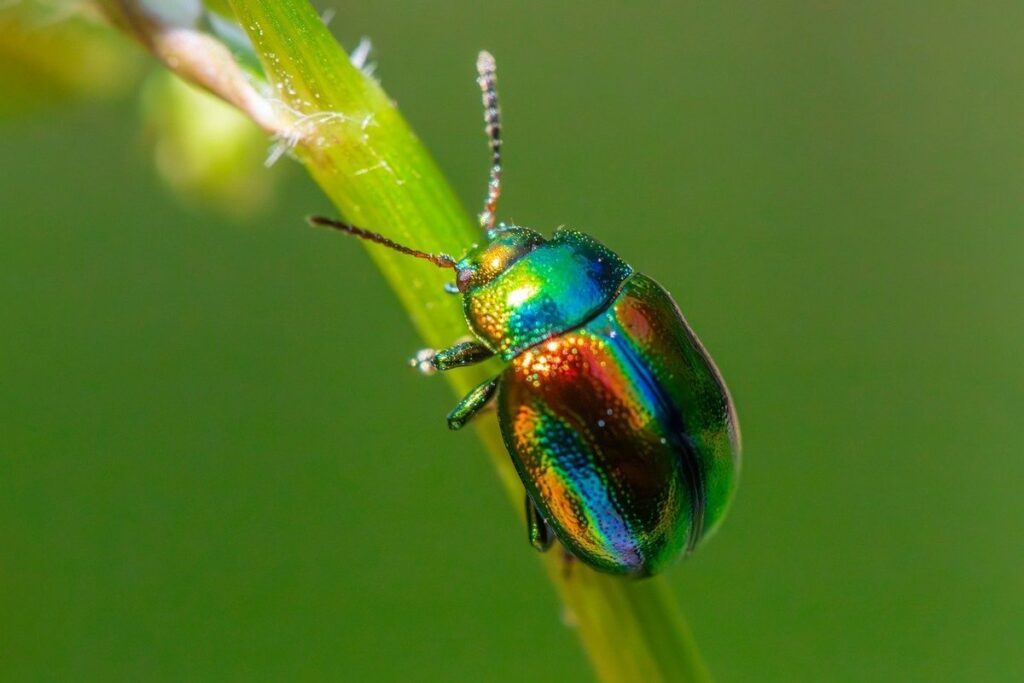
Understanding Common Pests in Chicken Orchards
As a chicken orchard owner, it’s essential to identify common pests that can damage your birds and crops, from mites to lice, to develop an effective control strategy. Let’s take a closer look at these unwanted visitors.
Identifying Key Pest Species
When managing chicken orchards, it’s essential to identify and address key pest species that can compromise the health and productivity of your flock. These pests can be broadly categorized into rodents, birds, and insects.
Rodents such as rats and mice are common pests in chicken orchards, causing significant damage to infrastructure and feed stores. They can also spread diseases like leptospirosis and Salmonella. To control rodent populations, ensure that your orchard is well-maintained, with no food waste or standing water left unattended. Implement measures such as sealing entry points, using repellents, and installing traps in strategic locations.
Birds, including pigeons and crows, can be major pests, especially if they’re attracted to the abundance of insects and rodents in your orchard. They may also damage crops and spread diseases. Consider using visual deterrents like shiny reflective surfaces or predator decoys to scare them away. For example, placing fake owls or hawks around the orchard perimeter can help deter birds.
Insects are another critical group of pests in chicken orchards. Ticks and mites can infest chickens, causing anemia and skin irritation. Flies, on the other hand, spread diseases like salmonellosis and Newcastle disease. Regularly inspect your flock for signs of tick or mite infestation, and use insecticidal powders or sprays to control outbreaks.
When monitoring your orchard, keep an eye out for these common pests, and develop strategies tailored to their specific behavior and habits.
Damage Caused by Pests
Pests can cause significant damage to chickens in an orchard setting, leading to reduced egg production, increased mortality rates, and compromised overall health. One of the most direct forms of damage is physical harm, where pests like rodents, snakes, and birds of prey actively attack and injure or kill chickens.
In addition to physical harm, pests can also cause significant stress on chickens, which can weaken their immune systems and make them more susceptible to disease transmission. For instance, a chicken that’s being harassed by a predator may stop laying eggs or produce low-quality eggs due to the anxiety caused by the constant threat.
Disease transmission is another critical concern in pest-infested orchards. Pests like ticks, mites, and lice can carry pathogens that transmit diseases such as Newcastle disease, avian influenza, and fowl pox to chickens. These diseases can have devastating consequences for a flock, resulting in high mortality rates and significant economic losses for the farmer.
To mitigate these risks, it’s essential to maintain good biosecurity practices, regularly monitor for pest activity, and implement targeted control measures as needed. Regular cleaning of coops and runs, proper disposal of waste, and maintaining a healthy environment can all contribute to reducing the incidence of pests in an orchard.
Economic Impact of Pest Infestations
Pest infestations in chicken orchards can have a significant economic impact on farmers. One of the primary concerns is reduced egg production. When pests like mites, lice, and fleas infest chickens, they can cause stress, discomfort, and even lead to health issues, ultimately affecting egg-laying capacity. For instance, according to a study by the University of Wisconsin-Madison, mite infestations can reduce egg production by up to 30%. This translates to substantial losses for farmers who rely on egg sales as their primary revenue stream.
In addition to reduced egg production, pest infestations also lead to increased healthcare costs. Farmers may need to invest in antibiotics, medications, and other treatments to manage the health effects of pests. Moreover, pest-infested birds are more likely to be culled, resulting in additional financial losses. Furthermore, a pest-infested chicken orchard can negatively impact market value. Consumers often associate pest infestations with poor farming practices and lower-quality produce, which can erode consumer trust and confidence.
To mitigate these economic impacts, farmers must adopt effective pest control strategies that prioritize sustainability and integrated pest management (IPM) practices. This may involve monitoring for early signs of infestation, using natural deterrents like diatomaceous earth or neem oil, and introducing beneficial insects to prey on pests. By taking a proactive approach to pest control, farmers can reduce the economic burden of pest infestations and maintain the long-term health and productivity of their chicken orchard.
Integrated Pest Management (IPM) Strategies for Chicken Orchards
When it comes to managing pests in your chicken orchard, integrated pest management (IPM) strategies can be a game-changer. Let’s dive into some effective methods that prioritize sustainability and bird health.
IPM Principles and Objectives
At its core, Integrated Pest Management (IPM) is an approach that seeks to minimize harm to the environment while maintaining long-term sustainability. This mindset is crucial for chicken orchard management, where the delicate balance between pest control and ecosystem health can easily be disrupted.
When implementing IPM in your chicken orchard, consider the following key principles:
* Monitoring: Regularly assess your orchard’s conditions to anticipate and respond to potential pest issues.
* Identification: Accurately identify pests to determine the best control methods.
* Prevention: Implement cultural controls such as sanitation, crop rotation, and physical barriers to prevent infestations.
By focusing on prevention, you can significantly reduce the need for chemical pesticides. For instance, ensuring that your chicken houses are well-ventilated and free from debris can discourage pest populations.
IPM’s objective is to minimize harm while maintaining long-term sustainability. To achieve this, adopt a holistic approach that balances ecological considerations with economic viability. By doing so, you’ll not only reduce the environmental impact of pest control but also create a more resilient orchard ecosystem.
Cultural Controls in IPM
When it comes to controlling pests in chicken orchards, cultural controls are an essential component of Integrated Pest Management (IPM) strategies. These controls work by modifying the environment and behavior of both chickens and pests to prevent infestations.
One way to implement cultural controls is to modify chicken behavior through enrichment activities. By providing engaging toys and activities, you can reduce stress and boredom in your flock, which can lead to a decrease in pecking and scratching behaviors that attract pests. For example, adding foraging toys filled with treats or creating a dust bathing area can keep your chickens occupied and happy.
Another aspect of cultural controls is improving orchard design. Planting pest-repellent crops such as basil or mint alongside fruit trees can help deter pests like aphids and whiteflies. Additionally, using exclusion methods like row covers or fine mesh to cover plants can prevent pests from reaching the fruit in the first place.
Physical Barriers and Traps for Pest Control
Physical barriers and traps are essential components of Integrated Pest Management (IPM) strategies for chicken orchards. By using these methods, you can prevent pest populations from building up and reduce the need for chemical pesticides.
Fencing is a simple yet effective way to keep pests out of your chicken orchard. Installing a sturdy fence around the perimeter of your farm can keep predators like foxes, coyotes, and wild boars at bay. You can also use netting to cover individual trees or areas where pests are most likely to congregate.
Traps can be used to capture and remove existing pest populations. For example, you can set up bait traps for rodents, or sticky traps for insects like slugs and snails. Remember to always follow local regulations when using traps, and ensure that they are placed in a safe and humane manner.
When choosing physical barriers and traps, consider the type of pests present on your farm, as well as the specific needs of your chicken orchard. With careful planning and execution, these methods can be an effective addition to your IPM strategy.
Organic Pest Control Methods for Chicken Orchards
If you’re looking for a sustainable way to manage pests in your chicken orchard, organic methods are definitely worth considering. In this section, we’ll explore some effective and eco-friendly approaches to keep those pesky critters at bay.
Plant-Based Deterrents and Repellents
One of the most effective and eco-friendly ways to control pests in chicken orchards is through plant-based deterrents and repellents. By incorporating certain herbs and flowers into your orchard design, you can create a pest-resistant environment that promotes healthy bird growth while reducing chemical use.
Some popular plant-based options for deterring common chicken orchard pests include basil, rosemary, and mint. These fragrant herbs not only add flavor to your cooking but also repel insects like flies, mosquitoes, and ticks. Planting marigolds and nasturtiums can also help deter nematodes, whiteflies, and aphids that target chickens.
When selecting plants for pest control, choose species that are native to your region and suitable for your climate. This will ensure they thrive and provide long-lasting benefits without requiring excessive maintenance. You can intersperse these plants among the chicken orchard or create a dedicated border to maximize their impact. By harnessing the natural repellent properties of plants, you’ll not only reduce pest pressure but also contribute to a more sustainable farming practice that protects both your birds and the environment.
Essential Oils and Aromatics for Pest Control
When it comes to repelling pests from your chicken orchard without harming the environment, essential oils and aromatics offer a promising solution. Certain plant-based oils have been shown to effectively deter pests, creating a safer and more sustainable pest control method.
For example, peppermint oil has been found to repel ants, spiders, and rodents, while lemongrass oil can help keep mosquitoes at bay. These oils work by releasing their fragrance into the air, which is perceived as unpleasant by pests, causing them to seek alternative areas. To use essential oils for pest control in your chicken orchard:
* Mix a few drops of peppermint or lemongrass oil with water and spray it around the perimeter of your coop.
* Add a few drops of oil to your chickens’ drinking water or sprinkle on their food.
* Use essential oil-infused candles, torches, or diffusers in strategic locations.
When selecting essential oils for pest control, ensure they are high-quality, pure, and specifically labeled as “pest-repellent” or “insect-repelling.” Always follow the recommended usage guidelines to avoid harming your chickens.
Natural Predators and Biological Controls
Natural predators can play a vital role in controlling pest populations in chicken orchards. Some beneficial animals that prey on common pests include birds of prey like owls and hawks, which feed on rodents, snakes, and other small animals that might harm chickens or crops. Other natural predators include hedgehogs, stoats, and weasels, which feed on slugs, snails, and insects.
To encourage the presence of these beneficial animals, consider creating a diverse and wildlife-friendly environment within your chicken orchard. This can be achieved by planting native vegetation, maintaining a varied landscape with trees, shrubs, and flowers, and avoiding the use of pesticides or other chemicals that might harm non-target species. By attracting natural predators to your farm, you can reduce the need for artificial pest control methods and promote a more balanced ecosystem.
Incorporating natural predators into your pest control strategy requires patience and observation. Monitor the types of pests present in your orchard and identify which beneficial animals are most effective at controlling them.
Chemical Pest Control Methods: Risks and Considerations
When it comes to tackling pests on your chicken orchard, you need to consider the potential risks of chemical pest control methods. We’ll delve into these risks in the sections ahead, highlighting crucial considerations for sustainable farming practices.
Types of Chemical Pesticides Used in Chicken Orchards
In chicken orchards, various chemical pesticides are used to control pests and diseases. Among these, systemic insecticides and organophosphates are two commonly employed types.
Systemic insecticides, such as imidacloprid and clothianidin, work by being absorbed into the plant’s tissues, providing long-lasting protection against pests like aphids and whiteflies. These chemicals can be applied to the soil or foliarly sprayed onto plants. For example, in a study conducted in Italy, farmers using imidacloprid reported significant reductions in aphid populations on their cherry tomato crops.
Organophosphates, including chlorpyrifos and diazinon, are another class of chemical pesticides used in chicken orchards. These work by disrupting the nervous systems of pests, ultimately leading to their death. Organophosphates can be applied as soil drenches or foliar sprays. However, they have been linked to environmental pollution concerns and human health risks.
When using these chemicals, it’s essential to follow application guidelines carefully to minimize potential harm to beneficial insects and the environment.
Risks Associated with Chemical Pest Control
When using chemical pesticides to control pests in chicken orchards, there are several potential risks that you should be aware of. One of the main concerns is residue accumulation in eggs and meat. Chemicals such as neonicotinoids have been linked to contamination of poultry products, which can lead to health problems for consumers.
Environmental contamination is another significant risk associated with chemical pest control. Pesticide runoff from chicken orchards can pollute nearby water sources, harming aquatic life and potentially contaminating drinking water supplies. Additionally, the use of chemical pesticides can also contribute to soil degradation and loss of biodiversity in the surrounding ecosystem.
It’s essential to carefully consider these risks before using chemical pesticides in your chicken orchard. If you do choose to use them, be sure to follow the recommended application rates and take steps to minimize drift and runoff. However, for a truly sustainable approach, it’s worth exploring alternative methods of pest control, such as integrated pest management (IPM) or biological controls.
Best Practices for Implementing Effective Pests Control Measures
To achieve optimal pest control, it’s essential to understand and follow best practices that ensure effective measures without harming your chicken orchard ecosystem. We’ll walk you through these crucial strategies next.
Regular Monitoring and Record-Keeping
Regular monitoring and record-keeping are essential components of effective pests control measures in chicken orchards. By keeping a close eye on your farm’s conditions and tracking the effectiveness of your control methods, you can identify pest issues early on and make data-driven decisions to prevent further infestations.
To start, set up a regular schedule for monitoring your farm, including daily checks for signs of pests such as eggs, droppings, or actual insects. This can be done by walking through the orchard, inspecting plants, and taking note of any unusual sightings. For more detailed records, consider using a spreadsheet to track temperature fluctuations, rainfall patterns, and pest activity over time.
For example, if you notice an increase in red mite eggs on your chicken coop walls, you can adjust your control measures accordingly, such as increasing the frequency of cleaning or applying targeted treatments. By keeping accurate records, you’ll be able to track the impact of these adjustments and make further improvements to your pest control strategy.
Additionally, consider taking pictures or videos of infested areas to document the extent of the problem and share with experts for guidance.
Collaboration Between Farmers and Experts
Collaboration between farmers and experts is crucial in developing effective Integrated Pest Management (IPM) strategies for chicken orchards. Farmers often benefit from the knowledge of veterinarians who specialize in poultry health. These professionals can provide valuable insights on the impact of pests on flock health, as well as guidance on implementing preventative measures. Entomologists are also essential to the process, offering expertise on pest identification and control methods.
To maximize the effectiveness of IPM strategies, farmers should establish open communication with their veterinarians and entomologists. This can be achieved through regular consultations or workshops where experts share knowledge and provide hands-on training. By working together, farmers can develop customized IPM plans that cater to their specific needs and environments. For instance, a farm may need to combine physical barriers with targeted pesticide use, depending on the types of pests present.
In a real-life example, a study in a major poultry-producing country found that farms implementing integrated pest management practices saw a 25% reduction in pest-related issues within six months. By collaborating with experts and adopting a holistic approach, farmers can safeguard their flocks while minimizing environmental impact and ensuring sustainable farming practices.
Continuous Evaluation and Improvement
Implementing effective pest control measures is just the first step towards achieving long-term sustainability in chicken orchards. It’s equally important to continuously evaluate and improve these methods to ensure they remain effective over time. This involves monitoring pest populations, assessing the efficacy of current methods, and making adjustments as needed.
One key aspect of continuous evaluation is regular monitoring of pest populations. This can be done through a combination of visual inspections, trap catches, and pheromone traps. By tracking changes in pest numbers over time, farmers can identify trends and adjust their control strategies accordingly. For example, if a particular pesticide is no longer effective against a specific pest, it may be necessary to switch to a different chemical or adopt more integrated approaches like biological control.
It’s also essential to evaluate the environmental impact of pest control methods. This might involve assessing the effects on beneficial insects, such as bees and butterflies, which are crucial for pollination. Farmers can use this information to adjust their strategies and minimize harm to non-target species. By embracing a culture of continuous learning and improvement, chicken orchard owners can stay ahead of emerging pest challenges and maintain sustainable farming practices.
Conclusion: Sustainable Pest Control for Chicken Orchards
In conclusion, adopting sustainable pest control methods is crucial for maintaining the health and productivity of your chicken orchard. By incorporating natural predators, introducing beneficial insects, and using physical barriers, you can reduce the reliance on chemical pesticides that harm the environment and contaminate food. Consider implementing integrated pest management (IPM) strategies, which combine multiple techniques to minimize pest damage while promoting ecosystem balance. For instance, adding a layer of mulch around trees or using bird-repellent balloons can deter pests without causing harm. By embracing these sustainable approaches, you’ll not only protect your flock but also contribute to a healthier environment for future generations. Remember, every small step counts towards creating a more resilient and eco-friendly farming ecosystem.
Frequently Asked Questions
Can I use a combination of physical barriers and organic pest control methods for more effective results?
Yes, integrating different IPM strategies can lead to better outcomes. For example, using physical barriers like netting or fine-mesh screens to prevent bird strikes, while also implementing organic control measures such as essential oils and plant-based deterrents, can provide a comprehensive approach to managing pests in your chicken orchard.
How often should I monitor my chicken orchard for signs of pest infestations?
Regular monitoring is crucial to detecting pest issues early. Schedule regular checks (at least weekly) for signs of damage, droppings, or other indicators of pest activity. Keep accurate records of your observations and note any changes over time.
What are some non-chemical alternatives to control rodents in my chicken orchard?
Natural deterrents such as peppermint oil, predator decoys, and repellent granules can be effective against rodents. You can also consider installing physical barriers like wire mesh or using ultrasonic devices specifically designed for rodent repulsion.
Can I use the same organic pest control methods for both crops and chickens?
While some organic methods are safe to use around chickens, others may pose health risks. For instance, certain essential oils can be toxic to chickens if ingested in large quantities. Always check the safety of a particular method for both your crops and birds before application.
How do I know which chemical pesticide is best suited for my chicken orchard?
When selecting chemical pesticides, consider factors like pest type, crop sensitivity, and potential risks to humans and wildlife. Also, ensure you follow local regulations and guidelines for safe use and disposal of these chemicals in agricultural settings.