
As a backyard chicken owner, you know how much joy your flock brings to your life. However, with great pleasure comes great responsibility. Protecting your chickens from predators is one of the most crucial aspects of raising them safely. That’s where chicken netting comes in – a simple yet effective solution to safeguard your birds and provide a secure enclosure. In this article, we’ll explore the benefits of using chicken netting, including its ability to reduce stress on your flock and prevent predator attacks. We’ll also delve into the different materials available, as well as some expert installation tips to ensure you get the most out of your chicken netting setup. Whether you’re a seasoned chicken owner or just starting out, this guide will help you keep your chickens safe and healthy for years to come.
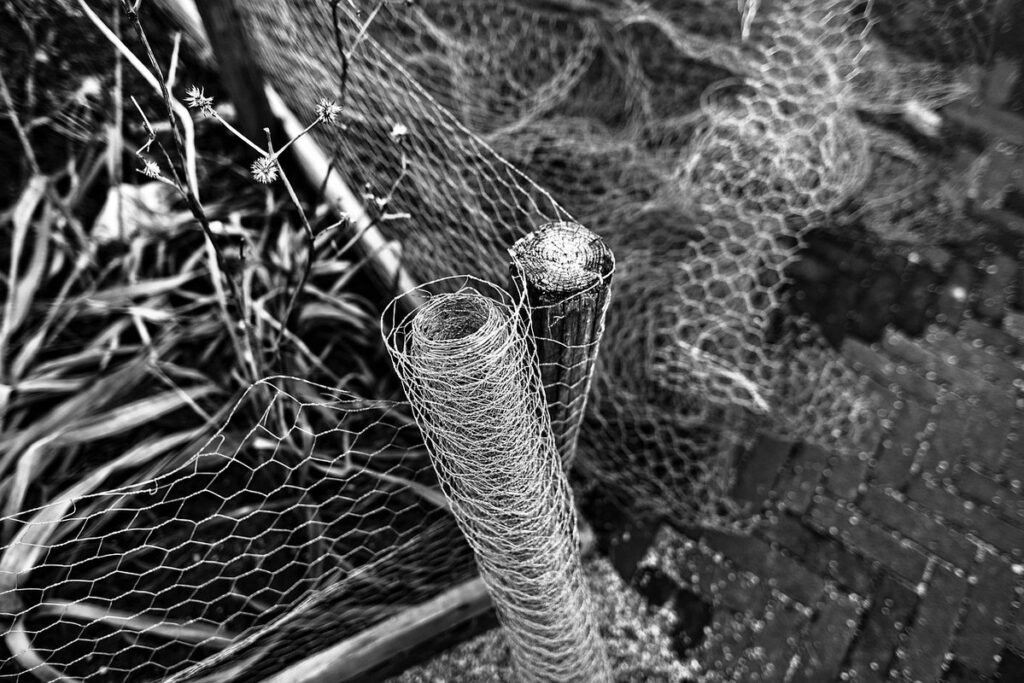
Benefits of Using Chicken Netting
When it comes to protecting your flock from predators and giving them room to roam, using chicken netting can be a game-changer for backyard farmers. Let’s dive into its many benefits!
Preventing Predator Attacks
When you have chickens, it’s essential to consider their safety and security. Unfortunately, many backyard flocks fall victim to predators such as foxes, coyotes, and hawks. These birds are cunning and can easily get past fences or even through chicken coop doors if they’re not secure.
Chicken netting is a simple yet effective solution for keeping your flock safe from these aerial threats. By covering the entire run with netting that’s at least 3 feet high, you can prevent hawks and other birds of prey from swooping in to grab an unsuspecting chicken. You can also use electric fencing around the perimeter of your coop and run to deter ground-dwelling predators like raccoons and opossums.
To set up a predator-proof enclosure using chicken netting, start by measuring out the area where your flock will roam. Make sure to leave enough space for them to move around comfortably. Then, attach the netting to sturdy posts or fencing using wire ties or clips. Be sure to secure any gaps or openings at the bottom of the enclosure with hardware cloth to prevent digging predators from getting in.
Regularly inspecting and maintaining your chicken netting is also crucial in preventing attacks. Look for signs of wear and tear, such as torn mesh or loose posts. Make repairs promptly to ensure that your flock remains safe and secure.
Reducing Stress on Chickens
When chickens are free to roam without boundaries, they can get anxious and stressed due to potential threats such as predators, other animals, or even harsh weather conditions. This stress can lead to decreased egg production, feather pecking, and other behavioral problems.
By providing a secure enclosure using chicken netting, you can significantly reduce stress on your chickens. A well-fenced area not only keeps them safe from external threats but also gives them a sense of security and stability. With a clear boundary in place, chickens can roam freely within their designated area without worrying about escape or attack.
In addition to physical safety, chicken netting also helps maintain a healthy environment for your flock. By keeping predators out, you prevent the spread of diseases and parasites that often accompany them. A clean and secure enclosure promotes overall well-being and happiness among your chickens, resulting in better egg production and a more relaxed atmosphere on the farm or backyard.
Regular inspection and maintenance of the netting are essential to ensure its effectiveness and durability.
Easy Installation and Maintenance
One of the most significant advantages of using chicken netting is its ease of installation and maintenance. Unlike traditional coop enclosures that require a lot of effort to set up and maintain, chicken netting can be put up in a matter of minutes. Simply stake it into the ground, attach it to existing fencing or posts, and you’re done.
Maintenance is also a breeze with chicken netting. Since it’s lightweight and easy to handle, you can quickly repair any damaged sections or replace them entirely without much hassle. Plus, its open design allows for excellent airflow, reducing the risk of disease and heat stress in your flock. This makes cleaning and upkeep a simple task.
To make installation even easier, consider investing in a sturdy fence post that can support the weight of the netting. You can also use corner clips or tensioning systems to keep the netting taut and secure. With these tips, you’ll be up and running with your chicken netting system in no time, enjoying all the benefits it has to offer for your backyard flock.
Choosing the Right Chicken Netting
When it comes to keeping your flock safe, choosing the right chicken netting is crucial. Let’s dive into what factors to consider when selecting the perfect net for your backyard chickens.
Material Options: Wire, Nylon, or Polypropylene
When it comes to choosing chicken netting, one of the most important decisions you’ll make is selecting the right material. The three main types of materials used for chicken netting are wire, nylon, and polypropylene. Each has its own unique characteristics, advantages, and disadvantages.
Wire netting is a popular choice due to its durability and affordability. However, it can be prone to rust and corrosion, especially in wet conditions. Wire netting is also less resistant to wind and snow loads, which can cause it to sag or collapse. On the other hand, nylon and polypropylene netting are more weather-resistant and durable. Nylon, for example, has a high tensile strength and can withstand heavy use and harsh weather conditions.
Polypropylene netting, on the other hand, is a bit lighter and easier to set up. It’s also resistant to UV damage and can last for many years with minimal maintenance. However, it may not be as strong as nylon or wire netting in extreme weather conditions. Ultimately, the choice of material depends on your specific needs and preferences. If you’re looking for a budget-friendly option, wire netting might be the way to go. But if you prioritize durability and weather resistance, nylon or polypropylene could be a better fit.
Mesh Size and Hole Spacing
When it comes to choosing the right chicken netting, mesh size and hole spacing are crucial factors to consider. These two elements may seem minor, but they play a significant role in keeping predators out while allowing airflow and sunlight for your chickens.
A mesh size of 1 inch or smaller is recommended for most backyard chicken keepers, as it effectively keeps out snakes, raccoons, and other small predators that can squeeze through larger openings. However, if you live in an area with larger predators like coyotes or foxes, you may need to opt for a mesh size of 3/4 inch or smaller.
Hole spacing is also important, as it affects airflow and sunlight penetration. A mesh with a hole spacing of 2-3 inches will provide sufficient ventilation while preventing excessive heat buildup. On the other hand, a closer hole spacing can trap too much heat and lead to health issues in your chickens.
Netting Height and Width Considerations
When it comes to choosing the right netting height and width for your chicken enclosure, there are several factors to consider. First and foremost, you’ll want to think about the size of your flock. A good rule of thumb is to provide at least 2-3 square feet of space per bird inside the enclosed area. This will give them room to move around comfortably and reduce the likelihood of overcrowding.
In terms of netting height, it’s essential to consider the type of predators that are present in your area. If you’re dealing with dogs or coyotes, for example, a higher netting height (around 4-5 feet) will be necessary to prevent them from jumping over. Conversely, if you only have smaller predators like raccoons or snakes, a lower netting height (around 2-3 feet) may suffice.
In terms of width, make sure the netting extends at least 12 inches below ground level to prevent digging predators from burrowing underneath. You should also consider the width of your enclosure and ensure that the netting is wide enough to cover any gaps or openings. A general guideline for netting width is to provide a minimum of 3-4 feet of clearance on all sides.
Setting Up Your Chicken Enclosure
When it comes to keeping your flock safe, setting up a chicken enclosure is one of the most crucial steps. We’ll walk you through the essentials of creating a secure and happy space for your backyard chickens.
Designing a Secure Fencing System
When designing a secure fencing system for your chicken enclosure, it’s essential to consider several key features that will keep your flock safe and contained. Corner posts are often overlooked but play a crucial role in providing stability to the entire structure. Make sure to sink them at least 12 inches deep into the ground to prevent any potential collapse.
Gates are another vital component of a secure fencing system. You’ll need one that’s sturdy enough to withstand the weight of your chickens attempting to escape, yet also allows for easy access and exit points. Consider using a self-closing gate or investing in a magnetic catch to keep it securely closed.
Other essential features include burying the chicken netting 12-18 inches underground to prevent burrowing, and ensuring that all hardware is securely attached to the posts to prevent any potential damage. By paying attention to these details, you’ll create a secure fencing system that protects your chickens from predators and keeps them safe within their enclosure.
Ensuring Adequate Space for Your Chickens
When it comes to chicken netting, one of the most critical aspects is ensuring that you’re providing enough space for your chickens to roam and exercise safely. A good rule of thumb is to provide at least 10 square feet of space per bird inside the enclosure.
However, this doesn’t mean you need to sacrifice a large chunk of your yard to accommodate your flock. With clever design and planning, you can create a spacious chicken run using netting that fits snugly around existing features like trees or garden beds.
Consider the size and breed of your chickens when deciding on space allocation. Bantam breeds, for example, require less room than larger birds like Orpingtons. Also, think about how much time your chickens will spend in the enclosure each day – if they’ll be cooped up for extended periods, you may need to provide more space.
To maximize space efficiency, use vertical elements like netting panels that can be adjusted to different heights or angled to create a slope for easy egg collection. This way, you can make the most of your available yard area while giving your chickens ample room to fly around and engage in natural behaviors.
Integrating Netting with Existing Fencing
Integrating chicken netting with existing fencing systems is often the most cost-effective and efficient way to create a secure enclosure for your chickens. If you already have a fence around your yard or garden, you can use chicken netting to fill in the gaps and provide additional protection.
When integrating netting with existing fencing, start by inspecting the condition of your fence. Check for any damaged or rotten wood that could compromise the structure’s integrity. Remove any debris or vegetation that may interfere with the netting installation. Next, attach the chicken netting to the fence posts using sturdy wire or cable ties. Make sure the netting is tight and evenly spaced to prevent predators from slipping through.
To ensure a secure fit, consider adding additional support wires between the fence posts. This will help maintain the shape of the enclosure and keep the netting taut. You can also use corner brackets to secure the netting at the perimeter, creating a seamless connection with your existing fencing system. With these simple steps, you can effectively integrate chicken netting with your existing fencing for a safe and functional enclosure for your flock.
Safety Considerations and Precautions
When setting up chicken netting, it’s essential to take a few extra precautions to ensure your flock stays safe and secure. Let’s cover some critical safety considerations to keep in mind.
Electrical Shock Risks and Prevention
When working with chicken netting, it’s essential to be aware of the electrical shock risks associated with these enclosures. These risks arise from a combination of factors, including exposed wiring, faulty electrical connections, and contact between live wires and the metal framework of the net.
To put this into perspective, consider that according to the National Electric Code (NEC), electric fencing for animals is considered “special equipment” and must be installed in accordance with strict guidelines. However, even with proper installation, accidents can still occur if users don’t exercise caution.
Some common electrical shock hazards associated with chicken netting include:
• Exposed wiring and loose connections
• Contact between live wires and metal parts of the enclosure
• Poor grounding or inadequate earthing systems
To mitigate these risks, always follow these guidelines when using chicken netting:
* Ensure that all electrical connections are secure and properly insulated.
* Verify that all components are rated for outdoor use and suitable for your climate.
* Regularly inspect the netting for damage to its metal framework.
* Familiarize yourself with local regulations regarding electric fencing.
Netting Maintenance and Inspection
Regular maintenance and inspection of your chicken netting are crucial to ensure its effectiveness and safety. Over time, nets can become worn, damaged, or even tampered with by predators, which can compromise the security of your flock.
To maintain your chicken netting, check it regularly for any signs of damage, such as tears, holes, or sagging. Inspect the net’s mesh size, ensuring it meets the recommended specifications to prevent escape or predator entry. Also, look out for loose or corroded fasteners, which can cause the net to collapse.
You should also inspect the surrounding area for any potential risks, such as overhanging branches or nearby structures that could compromise the integrity of your chicken run. Consider using anchor points and staking kits to secure your netting in place. Additionally, schedule seasonal replacements for critical components like wires, ropes, and clips to prevent wear and tear.
By performing regular inspections and maintaining your chicken netting, you can ensure a safe and healthy environment for your birds while preventing potential losses due to predator attacks or escape attempts.
Installing Chicken Netting: Tips and Tricks
When installing chicken netting, it’s essential to follow a few key steps to ensure your flock stays safe and secure. In this section, we’ll walk you through these crucial details.
Preparing Your Site for Installation
Before you start installing chicken netting, it’s essential to prepare your site properly. This will ensure that the installation process is smooth and efficient. Start by clearing any debris from the area where you plan to install the netting. This includes branches, leaves, and any other obstructions that could get in the way of a secure fit.
Next, make sure the ground is level. You can use a spirit level or a laser level to check the surface. If necessary, rake out any uneven areas to create a flat surface. A level surface will help prevent the netting from sagging or bunching up during installation.
Clearing and leveling the site will also give you a chance to inspect for any potential issues. Check for any underground cables or pipes that could be damaged by the netting, and clear any weeds or roots that could interfere with the installation. By taking these steps, you’ll create a smooth surface for installing your chicken netting and ensure a safe and secure environment for your chickens.
Easy Installation Methods for Beginners
Installing chicken netting is a straightforward process that can be completed by beginners with ease. To get started, gather all necessary tools and materials, including the netting itself, posts, stakes, and a measuring tape.
Begin by selecting a suitable location for your chicken run, taking into account the size of your flock and the amount of space they’ll need to move around comfortably. Measure out the area where you want to install the netting, using a measuring tape to ensure accuracy.
Next, start by driving stakes into the ground at regular intervals, about 6-8 feet apart. These will serve as the framework for your chicken run. Then, attach the netting to the posts and stakes using ties or clips specifically designed for this purpose. Make sure to leave enough slack in the netting to allow for easy removal and reinstallation.
If you’re new to installing chicken netting, consider enlisting a friend’s help to make the process smoother. With these simple steps and some basic tools, you’ll be protecting your flock from predators and creating a safe space for them to roam in no time!
Advanced Installation Techniques for Experienced Users
For experienced users looking to push their chicken netting installation skills to the next level, advanced techniques offer a wealth of opportunities for customizing and optimizing fencing systems. One key approach is to use tension wire and insulators to create a more robust and durable structure.
To implement this technique, start by installing posts at regular intervals, then attach tension wires between them using insulators to prevent electrical shock. This setup allows for greater flexibility in terms of netting placement and reduces the risk of damage from weather conditions or animal tampering.
Another advanced method is to incorporate gates and doorways into the fencing system. This can be achieved by installing gate posts and attaching hinges to the netting, allowing for easy access and egress. Consider using spring-loaded latches or magnetic catches to ensure a secure closure.
When integrating complex features like these, it’s essential to consider the overall aesthetic and functional impact on the farm or backyard. By combining advanced techniques with careful planning, experienced users can create customized chicken netting systems that meet their specific needs and provide long-term protection for their flock.
Conclusion: Protecting Your Flock with Chicken Netting
Now that you’ve learned how to choose, install, and maintain your chicken netting, let’s wrap up with some final tips for protecting your flock. You’ll want to keep these key considerations in mind to ensure their safety and happiness.
Recap of Key Benefits and Considerations
In conclusion to our discussion on chicken netting, let’s recap the key benefits and considerations that make it an essential tool for backyard farmers. By investing in a high-quality chicken net, you can protect your flock from predators, reduce stress, and ensure their overall health and well-being.
As we’ve discussed, one of the primary advantages of chicken netting is its ability to safeguard against aerial threats such as hawks, owls, and other birds of prey. This is particularly crucial for small-scale farmers who may not have the resources or expertise to implement more extensive security measures. Additionally, a well-maintained chicken net can also help prevent ground predators like foxes, coyotes, and raccoons from accessing your coop.
In terms of practical considerations, it’s essential to choose a netting material that is durable, lightweight, and easy to install. You should also consider the size of your flock and the area where you plan to house them when selecting a net. By taking these factors into account and following our tips for installation and maintenance, you can enjoy the many benefits of chicken netting while minimizing potential drawbacks.
Encouraging Users to Take Action
Now that you’ve learned the ins and outs of chicken netting, it’s time to take action! As a responsible chicken keeper, you want to ensure the safety and security of your flock. By investing in high-quality chicken netting, you can protect them from predators, prevent escape attempts, and give them the freedom to roam.
To encourage your chickens to use their new outdoor space safely, make sure to introduce the netting gradually. Start by letting them get accustomed to it over a few days, then gradually expand the enclosure area. This will help prevent any stress or anxiety caused by sudden changes.
By taking these simple steps, you’ll be well on your way to creating a safe and enjoyable environment for your flock. Remember, investing in good quality chicken netting is a long-term investment that pays off in the form of happy and healthy chickens!
Frequently Asked Questions
Can I use chicken netting for smaller backyard chickens, or is it best suited for larger flocks?
Chicken netting can be used effectively for smaller backyard chickens as well. It’s essential to calculate the right amount of space required based on your flock’s size and activity level to ensure they have enough room to roam while staying secure.
How often should I inspect and maintain my chicken netting to prevent damage or sagging?
Regular inspection and maintenance are crucial to extend the life of your chicken netting. Check for any signs of wear, damage, or sagging at least once a week during peak seasons and after severe weather conditions. Make repairs promptly to ensure the continued safety of your flock.
Can I use chicken netting in conjunction with other fencing materials, such as electric fences?
Yes, you can integrate chicken netting with other fencing materials like electric fences for enhanced security. This setup is particularly effective against aerial predators and can be a great option if you’re looking to combine different protection methods for your flock.
What’s the best way to secure the chicken netting to prevent it from being pulled away by strong winds or animals?
To securely fasten chicken netting, use sturdy posts (at least 6 feet tall) spaced evenly apart and attach them to the coop door or existing fencing. Use wire ties or clips to ensure a snug fit, making sure not to constrict the netting material.
Can I use plastic-coated chicken netting for outdoor applications where moisture and extreme weather conditions are a concern?
Yes, you can consider using polypropylene-coated netting for outdoor applications where durability against harsh elements is necessary. This type of coating provides extra protection against corrosion from rain, sunlight, or other environmental factors that could weaken the material.