
If you’re a backyard chicken keeper, you know how precious your flock is to you. But let’s face it: with predators like foxes and hawks lurking nearby, it’s only a matter of time before they set their sights on your feathered friends. These cunning birds can swoop in and snatch an unsuspecting hen from under your nose, leaving you feeling helpless and frustrated.
In this article, we’ll explore expert tips on how to safeguard your flock with smart coop design, effective predator-deterrent measures, and emergency response strategies that’ll give you peace of mind when it comes to protecting against foxes and hawks. From simple tweaks to make to your existing coop to more extensive renovations, we’ll cover it all. By the end of this article, you’ll be equipped with the knowledge to create a secure and safe haven for your chickens to thrive in.
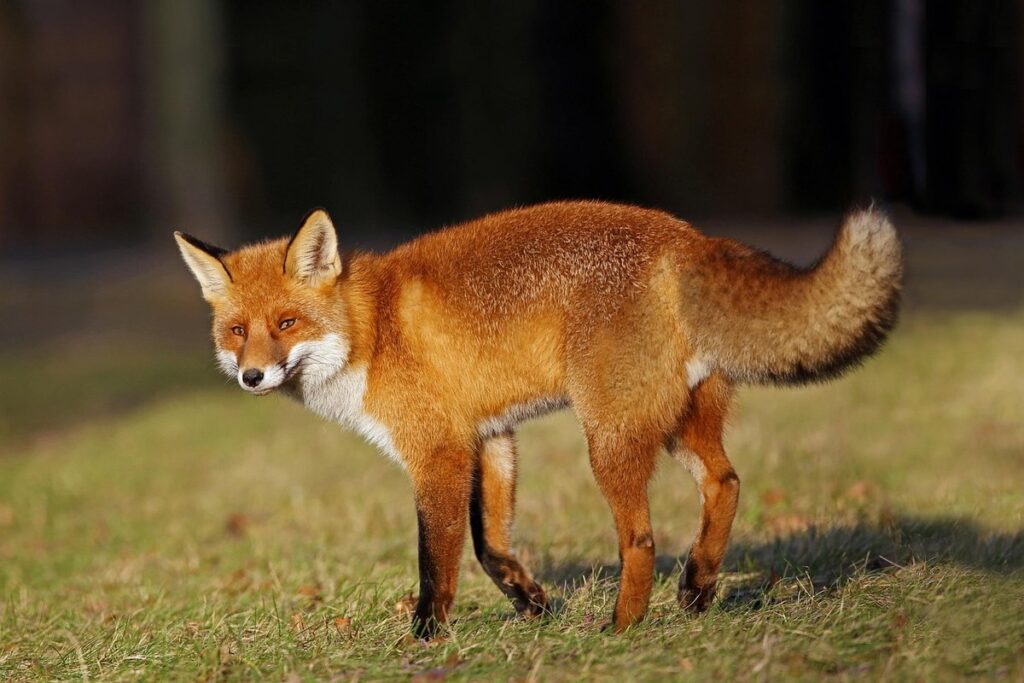
Understanding the Threat: Foxes and Hawks as Predators
When it comes to protecting your backyard chickens from predators, understanding the threat posed by foxes and hawks is crucial. These sly hunters are a major concern for chicken owners.
Characteristics of Common Chicken Predators
When it comes to protecting your backyard chickens from predators, understanding their habits and habitats is crucial. Foxes and hawks are two of the most common chicken predators, but did you know there are several species within each group? Let’s take a closer look at some of the most common types.
Foxes include the red fox, gray fox, and arctic fox. Each has unique characteristics that affect their hunting behavior. Red foxes, for example, are highly adaptable and can thrive in various environments, making them a common sight in suburban areas. Gray foxes, on the other hand, tend to prefer denser forests and woodlands. Arctic foxes, as you might expect, are found in colder climates and often target small mammals and birds.
As for hawks, we have several species that prey on chickens, including the red-tailed hawk and the Swainson’s hawk. Red-tailed hawks are one of the most widespread hawk species and are known for their impressive wingspans. They tend to soar overhead before swooping down to grab unsuspecting chickens. The Swainson’s hawk, while less common in some areas, is a formidable hunter that targets small mammals, birds, and reptiles.
By recognizing these specific types of foxes and hawks, you can tailor your protection strategies to better suit the threats facing your flock. Consider their habitats, hunting behaviors, and preferences when selecting deterrents or enclosure designs. This knowledge will help you create a more effective defense system for your backyard chickens.
Recognizing Signs of Predation
When it comes to recognizing signs of predation on your flock, it’s essential to be vigilant and observant. One of the most obvious indicators is missing or injured birds. If you notice a bird is missing from its usual spot or if you find an injured bird near the coop or run, it may be a sign that a predator has attacked.
Other visual indicators can include feathers scattered around the coop or run, which could indicate a struggle between your birds and a predator. You might also notice torn or damaged nesting boxes, fencing, or other infrastructure within the chicken enclosure. These signs should not be ignored, as they could mean that your flock is under threat.
To further monitor potential threats, take note of any unusual behaviors exhibited by your chickens, such as increased noise levels, huddled groups, or nervous behavior near the coop’s entrance. If you suspect a predator has attacked, inspect your flock thoroughly and check for any signs of physical harm or distress.
Securing Your Coop: Prevention is Key
To truly safeguard your backyard flock, it’s crucial to take proactive steps to prevent fox and hawk attacks from ever happening in the first place. Let’s explore some essential measures for securing your coop.
Building a Fox- and Hawk-Proof Coop
When building or upgrading your coop, it’s essential to consider fox- and hawk-proof design. Foxes can squeeze through tiny openings, so use hardware cloth with openings of 1 inch or smaller to cover vents, windows, and any other gaps. This will prevent them from entering the coop. For hawks, which are skilled climbers, elevate your coop at least 3 feet off the ground to make it more difficult for them to access.
Locking doors and windows is also crucial to preventing attacks. Install latches that require a combination or key to open, making it harder for predators to gain entry. Consider adding roof overhangs or awnings to protect against hawks landing on the coop from above. When designing your coop, think about using solid walls rather than wire mesh, which can be easily torn apart by foxes.
Consider adding a secure run with sturdy fencing that’s at least 3 feet high and extends several inches below ground to prevent digging predators like foxes. By incorporating these design elements, you’ll significantly reduce the risk of your chickens becoming prey for these cunning predators.
Choosing the Right Latches and Locks
When it comes to securing your backyard chicken coop, a sturdy latch and lock system is essential in preventing foxes and hawks from gaining entry. A flimsy door or weak locking mechanism can be an invitation for these predators to raid your flock.
Consider the type of latch you choose: spring-loaded latches are not secure enough as they can easily be opened with a bit of force, while cam locks provide better security but may still not deter determined foxes and hawks. Instead, opt for a strong, pin-activated lock or a lever-style lock that requires more effort to open.
Make sure the locking mechanism is installed in a way that makes it difficult for predators to access. This might include placing the lock at least 3 feet off the ground to prevent digging animals like foxes from reaching it. You can also add extra security features, such as a secondary lock or a padlock with a long shackle.
Regularly inspect and maintain your latch and lock system to ensure they remain secure over time.
Run Security: Fencing, Covering, and Netting
To keep your chickens safe from aerial predators, it’s essential to create a secure perimeter around their run using fencing, covering, and netting effectively. This section will explore these crucial measures in detail.
Effective Fencing Options for Your Chicken Run
When it comes to protecting your flock from foxes and hawks, a sturdy fence is one of the most essential components. The type of fencing you choose can make all the difference in keeping these predators out. Let’s start with some popular options.
Chicken wire, also known as poultry netting, is a classic choice for chicken runs. However, it’s not the most effective option when it comes to protecting against foxes and hawks. Foxes can easily chew through or dig under chicken wire, while hawks can swoop down and grab your birds even if they’re behind the wire. Hardware cloth, on the other hand, is a much more secure option. Made from metal mesh with openings of about 1 inch or smaller, it’s almost impossible for foxes to chew through or for hawks to get their talons in. Consider using hardware cloth for your chicken run and burying it at least 12 inches underground to prevent digging.
Another option is hog wire, which has larger openings than hardware cloth but can still be an effective barrier against predators. It’s also often less expensive than hardware cloth.
The Role of Covering and Netting in Predator Deterrence
When it comes to protecting your backyard chickens from aerial predators like hawks, covering and netting the run is an effective solution. Hawks are opportunistic hunters that can swoop down on unsuspecting birds at any time of day, making it essential to create a secure enclosure.
To prevent hawk attacks, cover the top of the run with a sturdy material such as chicken wire or hardware cloth with openings of 1 inch or smaller. This will make it difficult for hawks to land and attack your chickens. Alternatively, you can use netting specifically designed for this purpose, which is usually made of durable polypropylene mesh.
When choosing netting, consider the following factors: weight, durability, and UV resistance. Make sure to anchor the netting securely to prevent it from being blown away by strong winds. For example, use bungee cords or weights to keep it in place. By covering your chicken run with netting or wire mesh, you can provide a safe haven for your birds and protect them from hawk attacks.
Supplemental Protection Measures
To further safeguard your flock, consider implementing supplemental protection measures such as electric fencing and guard animals to deter foxes and hawks. These add an extra layer of security to your backyard chicken coop.
Using Lights to Deter Predators
Using lights to deter predators can be an effective supplemental protection measure for your backyard chickens. Foxes and hawks are often attracted to the presence of food sources like chicken feeders and water containers, but they’re also wary of potential threats like motion-sensitive outdoor lights.
Motion-sensitive outdoor lights are a great option because they’re designed to detect movement and illuminate the area when an animal approaches. This sudden light can be startling enough to scare away even the most curious predators. You can place these lights near chicken coops or around feeding areas to create a protective perimeter.
For added effectiveness, consider using LED strips that can be placed along fencing or around coop doors. These are energy-efficient and can provide a steady stream of light without being too obtrusive. Some homeowners even swear by using solar-powered lights, which eliminate the need for electricity and reduce installation costs.
When choosing lights to deter predators, make sure to select options with adjustable sensitivity settings so you can tailor them to your specific needs. Experiment with different lighting patterns and placement strategies to find what works best for your backyard flock.
The Benefits of Guard Animals
Using guard animals as part of your supplemental protection measures can be an effective way to safeguard your flock from foxes and hawks. These animals are naturally instinctive protectors and can serve as a strong deterrent against predators. For example, dogs such as Great Pyrenees or Maremmas have been used for centuries to guard sheep and other livestock from predators.
Donkeys, on the other hand, can also be an excellent choice due to their natural wariness of predators. Their presence has been shown to significantly reduce the likelihood of fox attacks. In one study, it was found that donkey guardians reduced fox predation by up to 90%.
If you’re considering using guard animals, make sure to choose breeds well-suited for your climate and terrain. It’s also essential to introduce them gradually to your flock to prevent any potential conflicts. Proper training is crucial as well; ensure the guard animal knows how to interact with your chickens without causing stress or harm.
By incorporating a guard animal into your protection plan, you can significantly enhance the security of your backyard chickens against fox and hawk threats.
Managing Your Flock: Minimizing Attractants
When it comes to safeguarding your backyard flock from foxes and hawks, minimizing attractants is a crucial step in reducing the risk of predation. Let’s explore ways to make your coop less appealing to these unwanted visitors.
How Foxes and Hawks are Drawn to Chickens
Foxes and hawks are naturally drawn to chickens due to their high-protein diet and vulnerable nature. One of the primary attractions for these predators is eggs. Foxes, in particular, have a strong interest in poultry eggs, which provide them with an essential source of nutrition.
When it comes to chicks, foxes see them as easy prey that can be easily caught off guard. Their small size and high energy make them an appealing target for foxes looking to feed their young or themselves. Adult birds are also vulnerable, especially if they’re left unattended or don’t have a secure enclosure.
Hawks, on the other hand, view chickens as a convenient source of food. They often swoop down on unsuspecting birds, using their sharp talons and strong beaks to attack them. The combination of eggs, chicks, and adult birds makes your backyard flock an attractive target for these predators.
To minimize this attraction, it’s essential to secure your chicken enclosure with sturdy fencing that extends at least 3 feet underground. Regularly checking the coop for signs of predation and maintaining a clean environment can also help deter foxes and hawks from visiting your property.
Tips for Reducing the Attractiveness of Your Flock
One of the most effective ways to protect your flock from foxes and hawks is to reduce its attractiveness to these predators. This means making your backyard chicken enclosure less visible and appealing to them. To achieve this, consider implementing the following tips.
Firstly, remove any attractants such as food sources or water dishes that may be drawing the attention of foxes and hawks. Ensure that all feeding areas are secure, and any spilled feed is promptly cleaned up. Consider using covered feeders or hanging them from a height to prevent easy access.
Additionally, keep your flock’s living area clean and free from debris. Remove any dead plants or weeds that may provide shelter for predators. Also, ensure that the fence surrounding your chicken coop is sturdy and at least 3 feet high to deter foxes and hawks from jumping in.
Another crucial step is to secure your garden perimeter by removing any trees or shrubs that are within reach of the fence. This will prevent potential escape routes for these predators. By taking these measures, you can significantly reduce the attractiveness of your flock to foxes and hawks, thereby minimizing their risk of predation.
Emergency Response: What to Do if You Have a Predator Incident
If you’ve recently experienced a predator incident on your backyard chicken farm, it’s essential to know how to respond quickly and safely to protect both yourself and your flock. We’ll guide you through the emergency response steps in this crucial section.
Responding Quickly and Effectively
Responding promptly to a predator attack is crucial in minimizing the damage and ensuring the safety of your chickens. If you suspect that a fox or hawk has breached your coop or run, quickly secure the area by shutting all gates and doors. This will prevent further attacks and allow you to assess the situation.
Assess any damage to your coop or fencing immediately. Check for signs of forced entry, such as torn mesh or broken wooden boards. If you notice any damage, take note of it so that you can make repairs as soon as possible. Consider calling a professional if you’re not confident in making the necessary repairs yourself.
Your priority should be the safety and well-being of your chickens. Check for any injuries or fatalities among them, and seek veterinary care if needed. Once you’ve secured the coop and assessed the damage, take steps to prevent future attacks by reinforcing your coop’s defenses and educating yourself on local predators’ habits.
Post-Incident Recovery and Prevention Strategies
If you’ve fallen victim to a predator incident with your backyard chickens, it’s essential to take swift action to prevent further attacks. First and foremost, assess the situation and determine the type of predator that attacked your flock. This information will be crucial in implementing effective prevention strategies.
Reviewing security footage (if available) can help identify patterns and provide valuable insights into the predator’s behavior. Consider consulting with local wildlife experts or experienced chicken keepers to gain a deeper understanding of the predator’s habits.
To recover from the incident, prioritize providing emotional support to your flock. Ensure their safety by relocating them to a secure enclosure or coop with reinforced protection measures. Replace any lost birds and take this opportunity to reinforce your existing security measures.
In the long run, prevention is key. Regularly inspect your property for potential entry points, and consider investing in anti-predator devices such as electric fencing, netting, or motion-activated sprinklers.
Long-Term Prevention: Ongoing Monitoring and Maintenance
To ensure your backyard chickens remain safe from foxes and hawks, it’s crucial to establish an ongoing monitoring system that alerts you to potential threats. Regular maintenance of your coop and run will also play a significant role in protecting your flock.
Regular Coop and Run Inspections
Regular inspections of your coop and run are crucial to identifying potential vulnerabilities that could attract foxes and hawks. As a responsible backyard chicken keeper, you want to ensure that your flock’s living space is secure and free from threats.
Start by observing your coop and run for any signs of damage or wear and tear. Check for gaps in the fencing, loose boards, or broken windows that could provide an entry point for predators. Look for any weak spots in the coop’s roof or walls, as these can be a target for hawks looking to swoop in.
During your inspections, also pay attention to the cleanliness of the run and coop. Keep the area free from clutter and debris, which can attract pests that may eventually lead to problems with foxes and hawks. Make sure the fencing is at least 3 feet high and extends below ground level to prevent digging predators like foxes from getting in.
By conducting regular inspections, you’ll be able to catch any issues before they become major problems. Remember to inspect your coop and run at least once a month, and after any severe weather events or changes in your area’s pest population.
Ongoing Predator Deterrence Efforts
Maintaining a multi-layered defense strategy is crucial to continually deter foxes and hawks from your flock. This approach involves combining physical barriers, electronic deterrents, and vigilance to create an impenetrable fortress around your backyard chickens.
One key aspect of this strategy is regularly inspecting and maintaining the effectiveness of your physical barriers. This includes checking for any gaps or weaknesses in fencing, ensuring that doors and gates are secure, and trimming back vegetation to minimize hiding spots for predators. For example, if you have a 6-foot tall fence, consider adding a second layer of protection such as chicken wire or netting to prevent foxes from jumping over.
In addition to physical barriers, electronic deterrents can be an effective way to scare off foxes and hawks. Motion-activated sprinklers, ultrasonic repellent devices, and alarm systems can all contribute to a multi-layered defense strategy. It’s essential to rotate these devices regularly to prevent predators from becoming desensitized to their presence.
Finally, vigilant observation of your flock is critical in detecting any potential threats. Keep an eye out for signs of predation such as feathers scattered around the coop or run, and be prepared to respond quickly if you suspect a predator is nearby. Regularly reviewing security footage can also help identify vulnerabilities and inform future adjustments to your defense strategy.
Frequently Asked Questions
Can I use a combination of fencing, covering, and netting for optimal predator deterrence?
Yes, using a multi-layered approach that incorporates different types of security measures can provide excellent protection against foxes and hawks. For example, you could install sturdy fencing around your chicken run, cover any vulnerable areas with hardware cloth or chicken wire, and use netting to protect specific zones like nesting boxes. By combining these methods, you can create a robust barrier that makes it difficult for predators to access your flock.
What if I have multiple types of predators in my area? Should I prioritize foxes or hawks?
Both foxes and hawks are significant threats to backyard chickens, so it’s essential to develop a comprehensive defense strategy that addresses both. Consider the specific characteristics of each predator and tailor your approach accordingly. For instance, you might focus on securing vulnerable areas like nesting boxes for hawk protection while also installing sturdy fencing and using guard animals to deter foxes.
How often should I inspect my coop and run for potential vulnerabilities?
Regular inspections are crucial to maintaining a secure environment for your flock. Set aside time every week or two to check for signs of wear, damage, or tampering on your coop and run. Look for gaps in fencing, loose hardware, or other potential entry points that predators might exploit.
What’s the best way to respond if I notice signs of predation or a predator incident?
If you suspect a predator has breached your security measures or attacked your flock, act quickly to prevent further harm. Secure the affected area, contain any injured birds, and seek veterinary assistance if necessary. Post-incident, review your security protocols to identify areas for improvement and implement changes as needed.
Can I use motion-sensitive lights to deter predators at night?
Yes, using motion-sensitive lights can be an effective way to discourage nocturnal predators like foxes from approaching your flock. Install lights in strategic locations around the perimeter of your chicken run or coop to create a visible barrier that makes it difficult for predators to approach undetected. Just ensure you position them to avoid causing light pollution or disrupting your birds’ sleep patterns.