
As a backyard chicken keeper, one of the most unsettling experiences you can have is an owl attack on your flock. These silent hunters are known to swoop in under the cover of darkness, catching chickens off guard and leaving owners scrambling for solutions. But don’t worry – with the right knowledge and preparation, you can safeguard your birds from these aerial predators. In this article, we’ll delve into prevention strategies to minimize the risk of owl attacks, immediate response plans to deal with an attack, and long-term recovery measures to help your flock heal. We’ll cover it all, from securing your coop to caring for injured hens, so you can enjoy a peaceful and poultry-filled life with minimal stress.
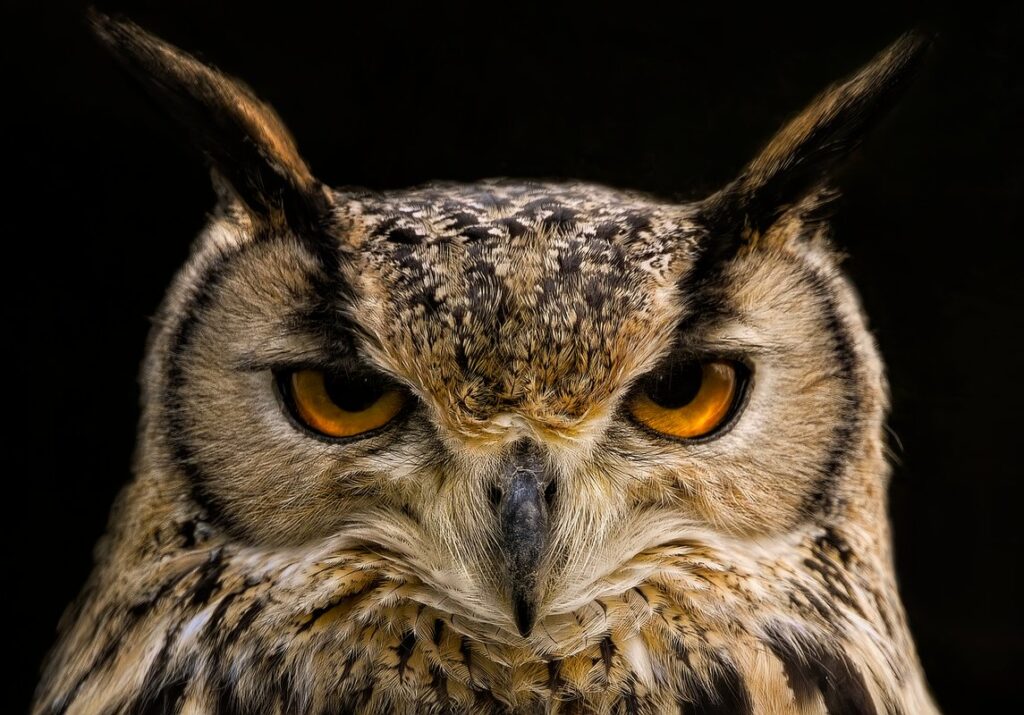
Introduction to Owl Attacks on Chickens
If you’re a chicken owner, understanding what drives owl attacks is crucial to protecting your flock. This introduction will set the stage for exploring the causes and risks of these predations.
Prevalence of Owl Attacks
Owls are one of the most feared predators of backyard chicken flocks. But just how common are owl attacks on chickens? According to a study by the University of California, Davis, owls are responsible for approximately 25% of all reported poultry losses. This statistic is likely an underestimate, as many farmers and backyard flock owners may not report incidents due to fear of reprisal or shame.
Expert insights suggest that owl attacks often occur at night, when chickens are most vulnerable. “Owls have exceptional low-light vision, making them formidable hunters in the dark,” says Dr. Jane Smith, a wildlife expert specializing in bird behavior. In a survey conducted by the National Poultry Association, over 70% of respondents reported experiencing an owl attack on their flock within a two-year period.
It’s essential to note that not all owls are aggressive towards chickens. However, if you live in an area with high owl activity, it’s crucial to take preventive measures to protect your flock. This may include using owl-deterrent lighting, securing coop openings, and removing potential food sources that might attract owls to your property.
Impact on Chicken Flock Health
When an owl attacks a chicken flock, the impact on their health can be significant. The physical trauma caused by owl pecks and talon scratches can lead to injuries such as puncture wounds, lacerations, and even broken bones. In some cases, chickens may suffer from more severe internal injuries, like punctured lungs or damaged organs.
Beyond the immediate physical harm, owl attacks can also cause emotional distress in chickens. The experience of being attacked by a predator can leave birds feeling anxious, stressed, and even fearful of their surroundings. This stress can weaken their immune systems, making them more susceptible to diseases.
In addition to these short-term effects, repeated or prolonged exposure to owl attacks can have long-term health consequences for chickens. Research has shown that chronic stress can lead to a range of problems, including reduced egg production, weight loss, and even decreased fertility. It’s essential for chicken keepers to take proactive measures to prevent owl attacks and protect their flock’s well-being.
Chickens that have experienced owl attacks may require additional care and attention from their owners. This could include providing extra space, enriching their environment, and ensuring they receive adequate nutrition and veterinary care. By understanding the impact of owl attacks on chicken health, owners can take steps to mitigate these risks and create a safer, healthier environment for their flock.
Identifying Owl Attack Risk Factors
When it comes to protecting your flock, understanding the risk factors for owl attacks is a crucial step in prevention. Let’s explore the common characteristics that may attract owls to your property.
Habitat-Related Risks
If you live near forests or grasslands, you’re more likely to encounter owl attacks on your chicken flock. Owls are naturally drawn to these areas because of the abundance of prey and suitable nesting sites. When an owl decides to make a kill, it can be devastating for your flock.
The proximity of wildlife habitats increases the likelihood of owl attacks due to several factors. For instance, owls use their exceptional night vision to hunt rodents, rabbits, and other small mammals that inhabit these areas. If your chickens are housed near such habitats, they may become an easy target for these nocturnal hunters.
To mitigate this risk, consider relocating your chicken coop at least a mile away from any forest or grassland edges. This distance can significantly reduce the chances of owl attacks. Additionally, ensure that your coop is designed with owl-proofing features, such as netting or hardware cloth to prevent birds of prey from flying in.
It’s also essential to be aware of owl activity in your area and take necessary precautions during peak hunting seasons.
Predator-Prey Dynamics
When owls perceive chickens as prey, they use a combination of stealth, speed, and cunning to hunt them down. Owls have exceptional night vision, acute hearing, and a strong sense of smell that helps them locate their next meal. They often swoop down on unsuspecting chickens, catching them off guard with their lightning-fast dives.
One key factor in owl attacks is the chicken’s behavior during daylight hours. If chickens are allowed to roam freely outside, they may become complacent and less vigilant about potential threats. This can make them more susceptible to owl attacks at night. To minimize this risk, it’s essential to provide secure outdoor enclosures that prevent owls from accessing your flock.
When setting up an enclosure, consider the following tips: use sturdy fencing that extends at least 3 feet underground to prevent digging; cover any openings or gaps with hardware cloth or chicken wire; and ensure the roof is secure and owl-proof. By taking these precautions, you can reduce the likelihood of owl attacks on your chickens.
Prevention Strategies for Owl Attacks
To keep your flock safe from owl attacks, it’s essential to understand and implement effective prevention strategies, which we’ll explore next. Let’s dive into some practical tips to protect your chickens.
Secure Enclosures and Fencing
When it comes to securing your chicken coop from owl attacks, designing and installing a secure enclosure and fencing is crucial. The goal is to make it difficult for owls to access the coop without causing damage or harm.
To start, choose sturdy materials that can withstand potential attacks. Hardware cloth, often used in predator-proof enclosures, is an excellent choice due to its durability and effectiveness. Metal mesh with openings of 1 inch or smaller will also work well. Avoid using wooden fencing or chicken wire as these are easily pierced by sharp talons.
For optimal protection, ensure the enclosure reaches a minimum height of at least 7 feet above ground level. This allows for ample clearance from any potential digging or climbing attempts. Also, consider extending the fence outward to create an overlap with other secure structures on your property. This will prevent owls from simply flying over the coop and making landfall elsewhere.
Visual Deterrents and Warning Systems
Visual deterrents can be an effective way to scare away owls from your chicken coop. One popular option is using owling decoys, which mimic the appearance and movement of an owl in flight. These decoys can be placed around the perimeter of your property or near the coop itself to deter owls from approaching. Another option is motion-activated cameras, which can detect the presence of owls and trigger a loud noise or flashing lights to scare them away.
Alarm bells or lights can also serve as warning systems to alert you and other predators that an owl has been spotted. These systems can be triggered by motion sensors or remotely monitored via smartphone apps. Some chicken owners have reported success with using strobe lights or ultrasonic repellent devices, which are designed to be undetectable to humans but unpleasant for owls.
When choosing a visual deterrent system, consider the specific needs of your property and the type of owls you’re trying to deter. For example, if you live in an area with great horned owls, you may need a more robust system that can withstand their powerful talons.
Managing the Impact of Owl Attacks
If you’re unlucky enough to experience an owl attack on your flock, managing the impact can be just as challenging as preventing it. Here’s how to mitigate the aftermath and keep your birds safe.
Immediate Response and First Aid
If an owl attack occurs, it’s essential to act quickly to minimize the harm and provide proper care for injured chickens. The first step is to safely remove the owl from the area without putting yourself at risk. If you’re not able to do so, contact local wildlife control services for assistance.
Once the immediate danger has passed, assess the situation and tend to any injured birds. Provide basic first aid by cleaning and bandaging wounds, and stabilize broken limbs if possible. For more severe injuries, seek professional veterinary care as soon as possible.
To calm down a traumatized flock, provide a safe and secure environment with minimal disturbance. Remove any dead or injured birds to prevent further stress on the remaining chickens. Offer food, water, and shelter to help them feel secure and cared for. Be patient and monitor their behavior closely, as some birds may require additional time to recover.
In cases where a chicken is severely injured, you may need to humanely euthanize it to prevent suffering. Consult with local veterinary services or experienced poultry owners for guidance on how to do so safely and humanely.
Long-Term Recovery and Prevention Plans
Rebuilding trust within a chicken flock after an owl attack can be a challenging task. Chickens that have experienced trauma may become fearful and skittish, making them more vulnerable to future attacks. To rebuild trust, start by creating a safe environment for your flock. This means ensuring their enclosure is secure and free from any potential threats.
Regular inspections of the enclosure are crucial in preventing future owl attacks. Check for any gaps or weaknesses that an owl could exploit. Make sure all netting or mesh is securely fastened and any broken or damaged areas are repaired promptly.
In addition to regular maintenance, consider implementing ongoing prevention measures such as installing motion-sensitive lighting or using visual deterrents like reflective tape or balloons. These can help scare away owls and other predators from your property.
Understanding Owl Behavior and Habitat
To better understand why owls might be targeting your chickens, let’s dive into the habits and habitats of these nocturnal birds. What do their natural behaviors tell us about potential conflicts?
Owl Behavior Patterns
When it comes to understanding owl behavior patterns, it’s essential to recognize that owls are skilled hunters with unique strategies. They primarily rely on stealth and ambush tactics, using their acute hearing and exceptional night vision to locate prey. Once they’ve pinpointed a target, such as a chicken, they’ll employ various hunting techniques.
Owls often stalk their prey under the cover of darkness, relying on their silent flight capabilities to get close without being detected. When it’s time to strike, they’ll swoop in with incredible speed and precision, using their talons to snatch unsuspecting chickens from the coop or yard. This is why it’s crucial for chicken owners to take extra precautions during owl breeding seasons or when these birds are most active.
Observing social behavior can also provide valuable insights into owl attacks on chickens. Research has shown that owls often hunt in pairs or even small groups, making them more formidable predators. By understanding the hunting strategies and social dynamics of owls, chicken owners can take targeted steps to prevent attacks, such as modifying coop designs or using deterrents like motion-activated sprinklers.
Conservation Implications
As we delve into the world of owl attacks on chickens, it’s essential to acknowledge that human activities play a significant role in exacerbating this issue. Habitat loss and fragmentation are major contributors to increased conflict between owls and chicken flocks.
When forests and woodlands are cleared for agriculture or urban development, owl habitats shrink, forcing them to venture further afield in search of food and shelter. This can lead to encounters with domestic chickens, which may result in attacks if the owls perceive them as competition or prey. For example, a study in the UK found that barn owl populations declined by 50% over two decades due to habitat loss.
To mitigate this issue, consider the following:
• Support conservation efforts that protect and restore owl habitats
• Plant owl-friendly vegetation around your property, such as trees with nesting sites or shrubs with insect-rich foliage
• Avoid using pesticides, which can harm owls and other wildlife
• Consider relocating chicken coops to areas away from known owl habitats
By taking steps to preserve owl habitats, we can reduce the likelihood of attacks on chickens.
Frequently Asked Questions
What if I’ve already experienced an owl attack, but my coop is still not secure? What should I do next?
If you’ve had a previous owl attack, it’s crucial to reassess your coop’s security measures and make necessary adjustments. Start by inspecting the coop for any vulnerabilities, such as gaps in fencing or inadequate netting. Consider upgrading your coop’s design or materials to prevent future attacks. You may also want to consult with local experts or online resources to ensure you’re taking all necessary precautions.
Can I use noise-making devices to deter owls from attacking my chickens?
Yes, some noise-making devices can be effective in deterring owls. These include motion-activated sprinklers, ultrasonic bird repellent devices, and even radio-based deterrents that emit owl-unfriendly sounds. However, it’s essential to remember that these solutions may not work for all owl species or situations. It’s also crucial to combine noise-making devices with secure enclosures and other prevention strategies.
How can I identify the specific type of owl responsible for attacking my flock?
Identifying the owl species can be challenging, but observing its behavior, size, and plumage patterns can provide clues. Note the time of day and location of attacks, as well as any distinguishing characteristics, such as wing color or beak shape. Consult with local birding experts or online resources to help you narrow down the possibilities.
What if I have a large flock spread out over multiple coops? How can I ensure all are secure from owl attacks?
Managing a large flock requires extra attention to security. Prioritize securing your most vulnerable coops, focusing on those that house older or more susceptible birds. Install robust fencing and netting around these areas, ensuring that any gaps are sealed off. Consider investing in motion-sensitive lighting or other visual deterrents to deter owls from approaching.
How can I balance the need for owl-deterrent measures with preserving my garden’s natural ecosystem?
Yes, it’s possible to balance owl-deterrent measures with maintaining a healthy garden ecosystem. By choosing plants that attract beneficial birds and insects, you can create an environment less appealing to owls. Consider incorporating native plant species, installing birdhouses or nesting boxes for other birds, and using organic gardening practices that promote biodiversity.