
As a backyard chicken keeper, you’ve probably encountered owls in your flock’s habitat at some point. While these majestic birds are a delight to watch, they can be a threat to your chickens’ safety if not managed properly. It’s essential to understand the signs of aggression from owls and take proactive steps to protect your flock. In this article, we’ll dive into the world of owl protection for chickens, exploring predator-proofing enclosures, managing diets to deter predators, and promoting biodiversity in your backyard farm. By learning how to harmoniously coexist with owls, you can safeguard your flock and create a balanced ecosystem where both species thrive. Let’s get started on this journey towards creating a peaceful and secure environment for your feathered friends!
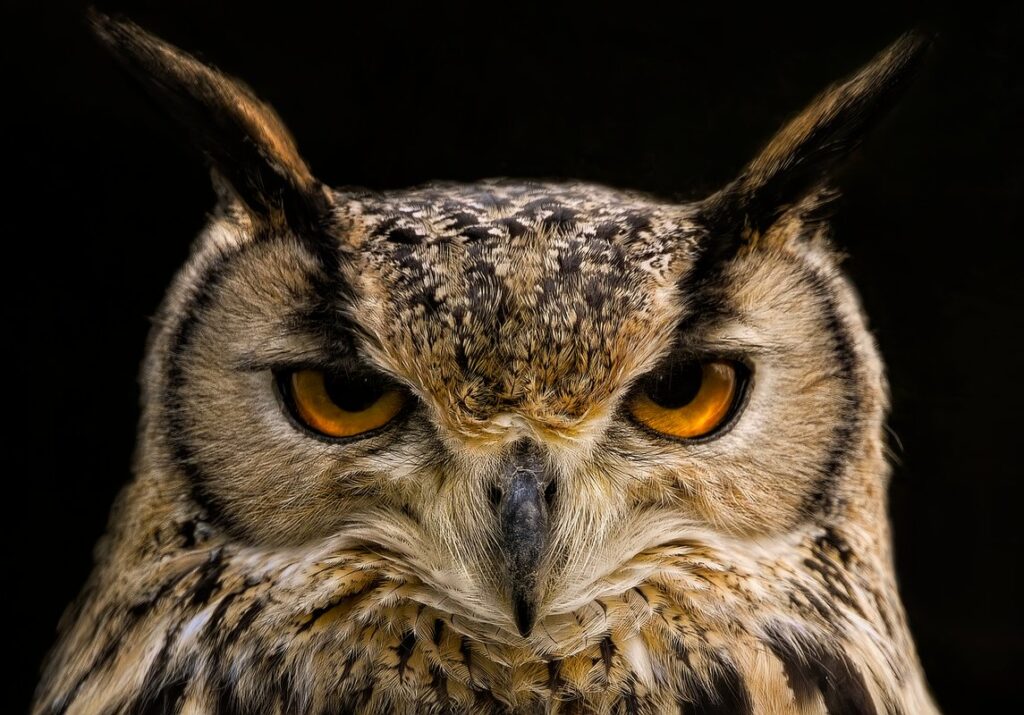
Understanding Owl-Chicken Conflicts
Understanding owl-chicken conflicts is crucial for creating a harmonious coexistence, and to do so, you need to recognize the warning signs of an impending attack. These subtle cues can be a lifesaver for your flock.
Recognizing Signs of Aggression
Recognizing signs of aggression in owls is crucial to preventing conflicts with chickens. When interacting with your backyard flock, observe for common behaviors exhibited by owls that may indicate aggression. One such sign is swooping. If an owl is seen repeatedly flying low over the coop or enclosure, it could be a warning sign that the bird is sizing up its prey.
Other signs of aggression include hooting and wing-flapping. Owls will often make loud, piercing sounds to alert other owls of potential food sources. Similarly, rapid wing-flapping can indicate excitement or agitation, which may precede an attack. If you notice any of these behaviors near your chicken coop, it’s essential to take action.
If you’re unsure whether an owl is a threat, monitor its behavior over time. Keep in mind that not all owls are aggressive towards chickens, and some species even prey on rodents that can harm poultry. However, if you do identify signs of aggression, contact a local wildlife expert for advice on how to safely coexist with your backyard birds.
Identifying Vulnerable Chicken Breeds
When it comes to understanding owl-chicken conflicts, identifying vulnerable chicken breeds is crucial for both our feathered friends and their avian predators. Some chicken breeds are more susceptible to owl attacks due to their physical characteristics, temperament, or size.
Small to medium-sized chickens with slender bodies and long necks are often easy prey for owls. Breeds like Leghorns, Polish, and Silkie chickens fall into this category. Their compact size makes them less intimidating to larger predators like great horned owls. If you’re keeping these breeds on your farm or homestead, consider providing extra protection measures such as a sturdy coop with secure roofing and enclosure.
On the other hand, larger chicken breeds like Orpingtons and Brahma can be more resilient against owl attacks due to their size and strength. However, this doesn’t mean they’re completely safe. Owls are opportunistic hunters and will take advantage of any weakness in a flock’s defenses.
To mitigate these risks, monitor your chicken flock closely for signs of stress or anxiety around owling hours (usually dusk and dawn). Also, ensure that the coop is well-maintained, secure, and has adequate ventilation to prevent suffocation.
Factors Contributing to Conflicts
When it comes to owl-chicken conflicts, several environmental and management factors can contribute to the likelihood of these encounters. One key factor is habitat overlap – when owls and chickens share the same space, either intentionally or unintentionally. This can lead to increased competition for resources such as food, water, and shelter.
Food availability also plays a significant role in owl-chicken conflicts. If chickens are not provided with enough food or if their feed is of poor quality, they may be more vulnerable to predation by owls. Similarly, if owls are present in an area where there is an abundance of small mammals or other prey, they may see your backyard as a prime hunting ground.
Another critical factor is predator presence – not just owls, but other predators such as hawks, foxes, and raccoons can also contribute to conflicts. To minimize the risk of owl-chicken conflicts, it’s essential to assess your environment and take steps to reduce competition for resources and create a more harmonious coexistence between these two species.
In addition to habitat overlap, food availability, and predator presence, other factors such as time of day and lighting can also influence the likelihood of owl-chicken conflicts. For example, owls are most active at dawn and dusk when chickens may be most vulnerable. By taking a proactive approach to managing your backyard and understanding these environmental and management factors, you can reduce the risk of owl-chicken conflicts and create a safer environment for both species.
Predator-Proofing Your Flock
To ensure your chickens stay safe from owl attacks, it’s crucial to take steps to secure their living area and protect them from aerial predators like owls. Let’s dive into some effective predator-proofing strategies for your flock.
Secure Enclosures and Coops
When it comes to predator-proofing your flock, designing or modifying your chicken coop and enclosure is crucial. Owls are intelligent birds that can easily exploit weaknesses in the structure of your coop. To prevent owl entry and keep your chickens safe, consider the following modifications:
* Install hardware cloth or poultry netting around the entire perimeter of the coop, extending at least 12 inches below ground level to deter digging owls.
* Use sturdy materials for the coop’s walls and roof, avoiding any weaknesses that could be exploited by an owl’s talons or beak.
* Ensure that all windows and vents are securely covered with hardware cloth or netting, as these can be entry points for curious owls.
* Consider adding a roof overhang to prevent owls from perching on the coop’s roof and attempting to get inside.
When designing your coop, keep in mind that owls prefer vertical space to swoop down on their prey. Ensure that your coop is well-ventilated but avoid any gaps or openings that could allow owls to enter. By making these modifications, you can provide a safe haven for your chickens and promote harmonious coexistence with owls.
Netting and Covering Runs
If you’ve taken steps to protect your chickens from predators like foxes and raccoons, but still notice that owls are a problem, it’s time to consider netting or covering their runs. This is a simple yet effective solution to prevent owl attacks.
Netting runs can be a game-changer for chicken owners who live in areas with high owl activity. The right type of netting, which should have openings of 1 inch (2.5 cm) or smaller, can block owls from swooping down and attacking your flock. You can drape the netting over the top of the run, securing it to the ground or fence posts.
Alternatively, you can use covers specifically designed for runs. These are usually made of durable materials like polypropylene and come with ties or clips for easy installation. When choosing a cover, make sure it fits snugly over your run’s shape and provides adequate protection from wind and weather conditions.
To get the most out of these solutions, consider combining them with other deterrents like owl-deterrent balloons or visual scarecrows. This can help prevent owls from becoming accustomed to seeing chickens as prey in the first place.
Innovative Deterrents and Technologies
As you work towards creating a safe and harmonious coexistence between owls and chickens, it’s essential to explore innovative deterrents and technologies that can help prevent owl attacks on your flock. One effective solution is electric fencing. This non-toxic and humane barrier creates an unpleasant experience for owls when they try to fly or perch near the enclosure, effectively deterring them from attacking.
Another option is motion-activated sprinklers. These clever devices spray water unexpectedly whenever an owl approaches, startling it and breaking its hunting focus. Not only are these sprinklers a non-lethal solution but also an affordable one, often costing under $50 each. For larger properties or multiple enclosures, consider investing in owl-deterrent systems that combine various technologies, such as ultrasonic repellents and LED lighting. These systems can be programmed to respond to specific owl behaviors and are particularly effective when used with other deterrents like electric fencing and decoys.
Managing Your Flock’s Diet
Proper nutrition is crucial for your owl and chicken flock, so it’s essential to learn how to manage their diets effectively, preventing potential conflicts. Let’s dive into the specifics of feeding both birds together harmoniously.
Providing Adequate Food and Supplements
When it comes to managing your flock’s diet, providing adequate food and supplements is crucial in reducing their vulnerability to predators like owls. A well-balanced diet not only keeps your chickens healthy but also helps them stay vigilant and alert, making them less attractive to predators.
A key aspect of a balanced diet for chickens is ensuring they receive the right amount of protein, calcium, and other essential nutrients. You can provide this through a combination of commercial chicken feed, fresh fruits and vegetables, and supplements like grit and oyster shells. For example, you can offer your flock a mix of grains, seeds, and mealworms to keep them satisfied and energized.
In addition to providing the right food, it’s also essential to ensure they have access to fresh water at all times. A hydrated flock is more alert and responsive to potential threats, making them less likely to become an owl’s next target. By prioritizing your flock’s diet and ensuring they receive everything they need to thrive, you can significantly reduce the risk of predation and promote harmonious coexistence between owls and chickens on your property.
Using Predator-Repellent Plants
When it comes to protecting your flock from owl attacks, one effective method is to use plants with natural predator-repellent properties. These plants can be incorporated into the chicken run or coop to create a barrier between your birds and potential predators.
Some of the most effective plants for this purpose include hot peppers, garlic, and chives. Hot peppers contain capsaicin, which has been shown to deter owls and other birds. Garlic is another potent repellent that can be used in various forms, including crushed cloves or garlic-infused sprays. Chives are also a good option, as they have natural oils that repel predators.
To incorporate these plants into your chicken run or coop, consider planting them along the periphery of the enclosure or mixing them with other foliage to create a barrier. You can also hang sachets containing dried chives or hot peppers in strategic locations to keep owls away. By using these plants, you can reduce the likelihood of owl attacks and promote a safer environment for your flock.
Avoiding Overcrowding and Stress
Managing a flock’s diet is just one aspect of maintaining harmony between owls and chickens. However, it’s equally crucial to balance flock size with living space to reduce stress and prevent owl attacks. An overcrowded coop can lead to increased competition for food and resources, causing anxiety among your birds.
Consider this: if you have 20 hens in a small coop, each bird is vying for space and attention. This can translate into aggressive behavior within the flock, attracting owls that prey on stress-induced vulnerability. To avoid such situations, prioritize providing ample space per bird – aim for at least 2-3 square feet per chicken.
Additionally, ensure your coop has adequate ventilation and natural light to promote a sense of calm among your birds. You can also provide enrichment activities like scratching posts or puzzle feeders to keep them engaged and stimulated. By maintaining a healthy balance between flock size and living space, you’ll not only reduce the risk of owl attacks but also create a happier, healthier flock.
Creating an Owl-Friendly Habitat
To create a harmonious coexistence between your owls and chickens, you’ll want to focus on building an owl-friendly habitat that meets their specific needs for nesting, roosting, and hunting. This involves creating the right environment.
Preserving Natural Prey Populations
When it comes to protecting both owls and chickens, preserving natural prey populations is crucial. By doing so, you can significantly reduce an owl’s interest in chickens as a food source. Owls primarily hunt small mammals like rodents, rabbits, and hares. If these populations are well-established and thriving in the surrounding area, owls will be less likely to view your backyard flock as a viable option.
To encourage natural prey populations, focus on creating a diverse and wildlife-friendly habitat. This can include planting native vegetation that attracts small mammals, such as clover, alfalfa, or wildflowers. You can also provide shelter for these creatures through the use of brush piles or rock outcroppings. Additionally, consider installing a pond or water feature to support local wildlife. By maintaining a balanced ecosystem, you’ll be providing owls with an alternative food source, reducing their reliance on chickens and promoting harmonious coexistence between these two species.
Reducing Habitat Fragmentation
When we think about creating an owl-friendly habitat, it’s easy to focus on the obvious aspects like providing food and shelter for these magnificent birds. However, one crucial factor that often gets overlooked is the impact of habitat fragmentation on owl-chicken coexistence.
Habitat fragmentation occurs when natural habitats are divided into smaller patches by human activities such as urbanization, agriculture, or infrastructure development. This can lead to isolated owl populations struggling to find food and mates, causing them to venture closer to agricultural areas in search of prey – including your backyard chickens. When owls encounter chicken coops, the results can be devastating for both parties.
To reduce habitat disruption and minimize conflicts, consider these tips:
• Plant native vegetation that provides cover and shelter for owls along the edges of your property
• Maintain a buffer zone between your chickens’ enclosure and surrounding habitats to give owls space to roam without encountering chickens
• Consider implementing owl-friendly landscape designs that incorporate open areas with low vegetation to allow owls to hunt without trespassing on chicken territory
Promoting Biodiversity and Ecological Balance
When creating an owl-friendly habitat, it’s essential to prioritize promoting biodiversity and ecological balance. This approach not only benefits owls but also ensures a thriving environment for chickens. By maintaining a balanced ecosystem, you can create a harmonious coexistence between these two species.
To start, consider the types of plants you’re incorporating into your garden or yard. Native vegetation is an excellent choice as it provides food and shelter for local wildlife, including owls. For example, planting milkweed in your garden can attract pollinators like butterflies and bees, which are essential for a healthy ecosystem. Similarly, include shrubs and trees that offer nesting sites for birds, such as oak or pine.
In addition to plants, maintain a diverse range of habitats within your property. This could be achieved by incorporating features like ponds, rock piles, or brush heaps. These structures provide owls with hunting grounds, roosting sites, and other essential resources. By creating a balanced ecosystem, you’ll not only protect owls but also foster an environment that supports the well-being of both chickens and wildlife.
Monitoring and Responding to Incidents
So, you’ve taken steps to protect your flock from owl attacks, but what happens if an incident still occurs? Let’s explore how to monitor for potential threats.
Recognizing Owl Activity
When monitoring your flock for potential owl activity, it’s essential to know what signs to look out for. Owls are nocturnal birds of prey, so they’re most active at night, but they can be present during the day as well.
Look for owl droppings, also known as guano, around your coop or run. They appear as small, dark brown pellets and can be a giveaway that owls have been roosting in the area. You might also notice owl feathers or talons scattered around, which could indicate that an owl has made its presence known.
Nesting sites are another indication of owl activity. Owls often choose secluded spots with nearby perches to build their nests. Check for oval-shaped nests about 2-3 feet long and 1 foot wide, often lined with twigs and leaves. Be on the lookout for roosting sites as well – these can be large trees or power poles where owls tend to perch during the day.
Keep in mind that owl activity is a normal part of the ecosystem, but it’s essential to take action if you suspect an owl is threatening your flock.
Responding to Attacks and Incidents
In the unfortunate event of an owl attack on your flock, it’s essential to have emergency procedures in place to secure and protect your chickens from further harm. The first step is to remain calm and assess the situation quickly. If you’re present when the attack occurs, try to scare the owl away by making loud noises or using flashlights to disorient it.
If you’re not at home when the incident happens, neighbors or anyone nearby should be alerted immediately to prevent further damage. Ensure your chickens are safely confined indoors until the threat has passed and it’s safe for them to return to their coop. It’s also crucial to conduct a thorough inspection of the coop and surrounding areas to identify any weaknesses that may have contributed to the attack.
To minimize risks in the future, consider modifying your coop design to make it owl-proof, such as installing netting or hardware cloth over windows and vents. Regularly inspecting your property and chicken run for potential entry points will also help prevent future incidents.
Post-Incident Prevention Measures
After an incident between owls and chickens, it’s essential to take steps to prevent future conflicts. Reinforcing enclosures is a crucial measure to ensure the safety of both species. Start by inspecting the fencing for any gaps or weaknesses that may have contributed to the owl’s entry. Use sturdy materials such as chicken wire or hardware cloth with openings of 1 inch or smaller to prevent owls from swooping in.
Modify your management practices to avoid attracting owls to your property. Remove food sources like pet food, bird seed, and compost piles, which can attract these predators. Keep a clean coop by disposing of waste regularly and storing feed in secure containers. Consider installing owl-deterrent devices such as shiny reflective tape or predator guard systems above chicken runs.
Monitoring your flock’s behavior and responding promptly to changes is also vital. Regularly inspect your property for signs of owl activity, like pellets or feathers, and adjust your strategies accordingly. By reinforcing enclosures and modifying management practices, you can significantly reduce the risk of future incidents between owls and chickens, promoting a harmonious coexistence on your property.
Conclusion: Coexisting with Owls and Chickens
As you’ve learned throughout this guide, coexisting with owls and chickens is not only possible but also beneficial for both species. By taking a few simple steps to owl-proof your chicken coop and being mindful of your surroundings, you can create a harmonious environment for all. Remember, owls are natural hunters, so it’s essential to accept that they will occasionally try to catch your chickens. However, by providing a safe and secure coop with no escape routes or gaps, you can minimize the risk of predation.
Don’t be discouraged if an owl does manage to get into your coop – it’s not a failure on your part! Instead, see it as an opportunity to learn from the experience and make adjustments for next time. With patience, persistence, and practice, you’ll become more skilled at protecting both your chickens and owls.
Frequently Asked Questions
How do I know if my flock is vulnerable to owl attacks?
If you have a breed that’s known for being more susceptible to owl predation, such as bantams or lightweight chickens, it’s essential to take extra precautions like securing your coop and runs with netting and covering. Consult with other backyard chicken keepers in your area to determine if your flock is at risk.
What are some common mistakes people make when trying to deter owls?
One common mistake is relying solely on visual deterrents like shiny reflective tape or balloons, which can be ineffective against determined owls. It’s crucial to combine these methods with other strategies, such as netting and covering runs, secure enclosures, and maintaining a balanced ecosystem.
Can I use predator-repellent plants around my coop and runs?
Yes! Certain plants like daffodils, foxgloves, and lavender are known to repel owls. Planting these species around your chicken enclosure can help deter predators without harming the environment or your chickens’ health. Research specific planting requirements for each plant type.
How do I balance owl protection with promoting biodiversity in my backyard farm?
By incorporating diverse native plants that attract beneficial insects and birds, you can create a balanced ecosystem where owls and chickens coexist peacefully. This approach also helps maintain natural prey populations, reducing the likelihood of owl attacks on your flock.
What’s the most effective way to monitor owl activity around my coop and runs?
Install a security camera or observe from a safe distance during peak owl hours (dawn and dusk) to detect any suspicious behavior. Consider enlisting the help of fellow backyard chicken keepers in monitoring activities, as shared knowledge can enhance your flock’s safety.