
As a duck owner, there’s nothing more worrying than seeing your precious ducklings venturing out into the world. But, unfortunately, they’re not entirely safe from harm. In North America, various predators lurk in wait to pounce on unsuspecting ducklings. Raccoons, foxes, coyotes, and even domestic animals can pose a threat to their safety. It’s essential for us to understand these predators and take steps to create a secure environment for our young waterfowl.
This article will delve into the top predators threatening your ducklings’ safety in North America and provide you with practical tips on how to prevent attacks. By learning about these predators, understanding their behavior, and implementing some simple measures, you can create a safe haven for your ducklings to grow and thrive. With this knowledge, you’ll be better equipped to protect your feathered friends and ensure their well-being.
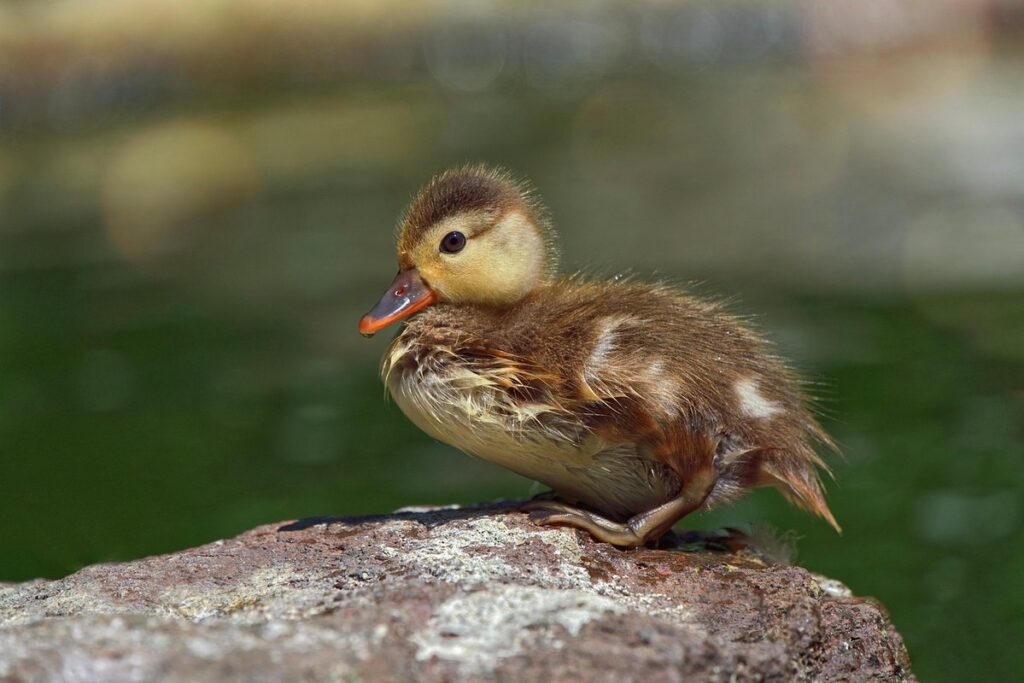
Common Duckling Predators in North America
One of the most pressing concerns for any duck owner is the risk of predation, and in North America, there are several common predators to be aware of. Let’s take a closer look at the birds, mammals, and reptiles that pose a threat.
Introduction to Duckling Predators
When it comes to raising ducklings, one of the biggest concerns for many waterfowl enthusiasts is predator safety. Unfortunately, there are several common predators that target young ducks in North America. Foxes, coyotes, raccoons, and birds of prey are just a few examples of the dangers your ducklings may face.
Foxes, in particular, are notorious for their cunning and stealth, often sneaking up on unsuspecting ducklings under the cover of darkness. They’re attracted to the sound of quacking and will frequently target areas with high concentrations of waterfowl. Coyotes, on the other hand, are more brazen predators that will actively hunt down ducklings in broad daylight.
Raccoons, while primarily nocturnal foragers, have been known to prey on ducklings if they come across them during their nighttime scavenging excursions. Birds of prey like hawks, owls, and eagles also pose a significant threat to young ducks, swooping down from above to snatch them up in mid-air.
It’s essential to take proactive measures to protect your ducklings from these predators, including securing pens, using guard animals or deterrents, and keeping a close eye on your flock at all times.
Foxes as Duckling Predators
Foxes are notorious predators of ducklings, and their adaptability to different environments makes them a formidable threat to young waterfowl. These cunning hunters have been known to stalk duck nests, ambushing unsuspecting mothers as they leave or enter the nest. Once a fox has identified a vulnerable duckling brood, it will use its speed and agility to chase down the birds, often with ease.
In urban areas, red foxes are particularly problematic, as they thrive in human-altered environments and have learned to coexist with humans. In fact, studies have shown that urban red foxes can survive on a diet rich in small mammals, fruits, and insects – making ducklings an attractive supplement to their already diverse menu.
As a duck breeder or owner, it’s essential to take measures to protect your ducklings from these stealthy predators. Consider using secure enclosures with sturdy fencing that extends at least 3 feet underground to prevent digging. Also, keep a close eye on your birds during peak fox activity periods, typically around dawn and dusk when they are most active.
Coyotes as Duckling Predators
Coyotes are one of the most significant threats to ducklings, particularly in areas where their habitats overlap. These adaptable canines have been expanding their territories into urban and rural landscapes, putting waterfowl families at risk. In regions like California, Oregon, and Washington, coyote populations have increased dramatically, leading to a surge in duckling predations.
When coyotes encounter ducklings, they often target the most vulnerable ones – those that are too young or too small to fly. A single coyote can take down multiple ducklings in a single attack, leaving their parents devastated and helpless. In some cases, coyotes have even learned to stalk ducks during their usual nesting periods, increasing the chances of encountering unsuspecting broods.
If you’re raising waterfowl on your property or near areas where coyotes are known to exist, take precautions to protect your ducklings. Consider using fencing that extends at least 3 feet underground and is at least 6 feet tall. Remove any attractants like pet food or bird seed, as these can draw coyotes into the area. Additionally, consider installing motion-sensitive sprinklers or other deterrents to scare them away.
Water-Based Predators of Ducklings
When it comes to protecting your duckling flock, knowing what water-based predators to watch out for is crucial. From snapping fish to lurking raccoons, this section reveals the hidden dangers that lurk beneath the surface.
Snapping Turtles as Duckling Predators
Snapping turtles are one of the most formidable predators of ducklings, and their stealthy approach makes them nearly undetectable. These aquatic reptiles have adapted to live in ponds, lakes, and slow-moving rivers, where they often come into contact with nesting waterfowl. Snapping turtles are masters of patience, lying in wait for unsuspecting ducklings to wander too close to the water’s edge.
When a snapping turtle senses its prey, it springs into action, using its powerful jaws to grab onto its victim. The force of their bite is incredibly strong, capable of crushing shells and bones with ease. In fact, snapping turtles have been known to consume entire ducklings in a single feeding session.
If you’re a waterfowl breeder or enthusiast, it’s essential to be aware of the risk that snapping turtles pose to your young birds. To minimize this threat, make sure to monitor your pond or lake regularly for signs of snapping turtles and take steps to prevent them from accessing areas where ducklings are present. Consider installing fencing or other barriers to keep these predators at bay, and always supervise your ducklings when they’re near the water’s edge.
Alligators and Crocodiles as Duckling Predators
Alligators and crocodiles are formidable predators that pose a significant threat to ducklings in regions where these large reptiles inhabit. In areas like the southeastern United States, Florida, and parts of Asia and Africa, alligator and crocodile populations coexist with waterfowl.
Ducklings as small as a few days old can fall prey to these predators if they wander too close to their habitats. Alligators are stealthy hunters that lie in wait near water’s edge, while crocodiles patrol the waters themselves. Their powerful jaws can snap shut around even the largest duckling in mere seconds.
To protect your young waterfowl from alligator and crocodile attacks, it’s essential to be aware of these predators’ habitats and behaviors. If you live in an area where these reptiles are present, keep a close eye on your ducklings at all times, especially when they’re exploring areas near water. Consider providing a safe enclosure or paddock for your birds to roam freely without risk of predation.
Birds of Prey: Hawks, Owls, and Eagles
Some of the most formidable predators of ducklings are birds of prey, including hawks, owls, and eagles that stalk their prey with stealth and precision. These birds have evolved to be expert hunters.
Hawk Species That Target Ducklings
When it comes to protecting your ducklings from predators, knowing which hawk species are most likely to target them is crucial. One of the most common predators of ducklings is the Red-tailed Hawk (Buteo jamaicensis). These hawks are opportunistic hunters that prey on small mammals, birds, and reptiles, making ducklings a convenient meal.
Red-tailed Hawks often hunt in open areas such as fields, parks, and backyards with nearby water sources. They have excellent eyesight and can spot their prey from great distances. Once they spot a duckling, they will swoop down quickly to grab it before it has a chance to escape.
Another hawk species that targets ducklings is the Swainson’s Hawk (Buteo swainsoni). These hawks are migratory birds that travel in large flocks and often congregate near water sources during their journey. They have a unique hunting tactic called “hawking,” where they fly low over the ground, scanning for small prey like ducklings.
To protect your ducklings from these predators, it’s essential to create a safe environment by removing attractants such as food waste and debris that can draw in hawks. Keeping a watchful eye on your ducklings at all times is also crucial, especially during peak hunting seasons.
Owl Species That Target Ducklings
Owl species like great horned owls and barn owls are formidable predators that pose a significant threat to ducklings. These birds of prey have adapted unique hunting strategies to target young waterfowl, making them a major concern for duck farmers and enthusiasts alike.
Great horned owls, in particular, are known to be opportunistic hunters, preying on ducklings when they’re most vulnerable – at night. They use their acute hearing and exceptional night vision to locate and pounce on unsuspecting broods. Barn owls, on the other hand, are diurnal hunters that rely on their sharp talons and agility to snatch ducklings from beneath the mother’s watchful eye.
To protect your ducklings from owl predation, it’s essential to take proactive measures. Consider using protective fencing or netting around your pond or enclosure to prevent owls from swooping in. You can also try using visual deterrents like shiny reflective tape or predator decoys to scare off potential threats. Be sure to monitor your flock closely during peak hunting seasons and consider implementing additional security measures, such as guard animals or motion-activated cameras, to stay one step ahead of these cunning predators.
Raccoons: Opportunistic Predators of Ducklings
One predator that poses a significant threat to ducklings is the cunning raccoon, known for its dexterous hands and adaptable nature. Let’s explore why these masked bandits are such successful raiders of duckling nests.
Raccoon Behavior Around Waterfowl Nests
When raccoons encounter waterfowl nests, they exhibit a mix of stealth and opportunism. They have been known to adapt to various environments, from urban backyards to rural wetlands, in search of an easy meal. One notable behavior is their ability to climb trees and shrubs to access nests hidden in dense vegetation.
Their dexterous hands and sharp claws allow them to navigate through thick branches and snag unsuspecting ducklings. Raccoons are also adept at following the sounds and smells of waterfowl, often leading them directly to nesting sites. In urban areas, they may even raid nests built on or near buildings, exploiting these close proximity opportunities.
It’s essential for duck owners to be aware of these raccoon tactics, taking steps to protect their young. This can involve removing attractants like pet food and trash, securing nest boxes, and using protective barriers around vulnerable nesting areas. By understanding the behavior of raccoons and implementing proactive measures, you can help safeguard your waterfowl flock from these cunning predators.
Preventing Raccoon Attacks on Duckling Nests
Preventing raccoon attacks on duckling nests is crucial for protecting your young waterfowl. These clever bandits are notorious for raiding duckling nests, and their dexterous hands make it easy for them to snatch eggs or ducklings. To deter raccoons from targeting your nest, try using decoy eggs. Place fake eggs around the perimeter of your property, making sure they’re visible to potential predators. Raccoons are often put off by unusual sights and smells, so this can be an effective deterrent.
Another strategy is to employ motion-activated sprinklers near your duckling’s nesting area. These devices will startle raccoons with a sudden burst of water when they approach the nest, scaring them away from the area. You can also try placing mesh or netting over your ducklings’ enclosure to prevent raccoon entry.
Be sure to place these deterrents at least 10-15 feet away from your actual nesting site to avoid startling the mother duck with sudden movements. It’s also essential to regularly inspect and maintain your decoys, as they can become weathered and less effective over time.
Protecting Your Ducklings from Predators
Now that we’ve identified the predators threatening your duckling’s safety, let’s discuss some practical strategies for keeping them protected. This includes secure enclosure designs and vigilance during vulnerable periods.
Creating a Safe Environment for Ducklings
Creating a safe environment for ducklings is crucial to reducing the risk of predation. When it comes to choosing a nesting site, consider locations that provide natural protection from predators such as foxes and raccoons. A secure nesting site should be well-hidden from view, making it less appealing to potential predators.
Supervising your flock is also essential in ensuring the safety of your ducklings. Regular checks on the nesting site will help you detect any potential threats early on. If you notice any unusual activity or signs of predation, take immediate action to protect your flock.
To create a safe environment for ducklings, consider the following tips:
• Choose a nesting site with dense vegetation, making it difficult for predators to access
• Avoid areas with high foot traffic, reducing the risk of human disturbance
• Keep the nesting site clean and free from debris, as this can attract unwanted attention from predators
By creating a secure environment and being vigilant, you can significantly reduce the risk of predation and ensure the safety of your ducklings. Regularly monitoring the flock will also help you identify any potential issues before they become major problems.
Recognizing Signs of Predator Activity
Recognizing signs of predator activity around your waterfowl flock is crucial to protecting your ducklings. Predators often leave behind subtle yet telling evidence of their presence. Look for broken eggshells with clean, jagged edges, indicating a predator has been feeding on eggs or chicks. Missing birds are another telltale sign, especially if they’re from the same age group and location.
Keep an eye out for unusual animal tracks or scat in your yard or near your waterfowl habitat. These can be signs of predators like foxes, coyotes, raccoons, or domestic cats that may be lurking around your flock. If you notice any birds acting strangely, such as excessive noise-making or avoidance behavior, it could indicate the presence of a predator.
Regularly inspect your fencing and enclosures for damage or weaknesses that might allow predators to access your ducklings. Consider using hardware cloth or chicken wire with openings of 1 inch or smaller to prevent predators from squeezing through. By being vigilant and aware of these signs, you can take prompt action to protect your waterfowl flock from potential threats.
Frequently Asked Questions
What should I do if I notice a predator lurking around my ducklings’ enclosure?
Keep a safe distance from the predator to avoid provoking an attack, and consider using deterrents such as motion-activated sprinklers or ultrasonic repellent devices. You can also try to scare away the predator by making loud noises or using flashlights at night.
How often should I inspect my property for signs of predators?
Regular inspections are crucial in maintaining a safe environment for your ducklings. Check your property daily, paying attention to areas around water sources, food caches, and nesting sites. Look for signs like tracks, scat, or feathers, and consider setting up camera traps for increased surveillance.
Can I use deterrents alone to protect my ducklings from predators?
Deterrents can be an effective addition to your protection strategy but should not rely solely on them. Combine physical barriers, secure enclosures, and a watchful eye with deterrents like noise-making devices or repellent granules for maximum effectiveness.
How do I recognize the signs of a predator’s presence near my ducklings?
Pay attention to unusual behavior in your ducklings, such as increased vigilance or sudden changes in feeding patterns. Also, look out for physical signs like disturbed vegetation, broken branches, or scattered food. Keep an eye on your property’s perimeter and consider setting up motion-activated cameras.
What should I do if a predator attacks my duckling?
If you witness a predator attacking your duckling, prioritize the safety of both yourself and the bird. Try to scare away the predator using loud noises or other deterrents, but avoid direct confrontation. Once the attack is over, inspect the area for injuries and provide medical attention as needed.