
Maintaining biosecurity after processing is just as crucial as following strict protocols during production. The risk of contamination is still present, even when operations have ceased for the day. In fact, it’s precisely this post-processing period that can be a critical weakness in your facility’s defense against microbial threats.
To prevent costly downtime and regulatory issues, you need to ensure that your plant remains secure and sanitized after processing. This includes implementing effective sanitation protocols, providing employee training on proper procedures, and taking physical security measures to safeguard against unauthorized access. In this article, we’ll delve into the essential steps for maintaining biosecurity after processing, including practical tips for optimizing your cleaning schedule, educating employees, and bolstering facility security. By adopting these best practices, you can minimize risks and maintain a safe working environment for years to come.
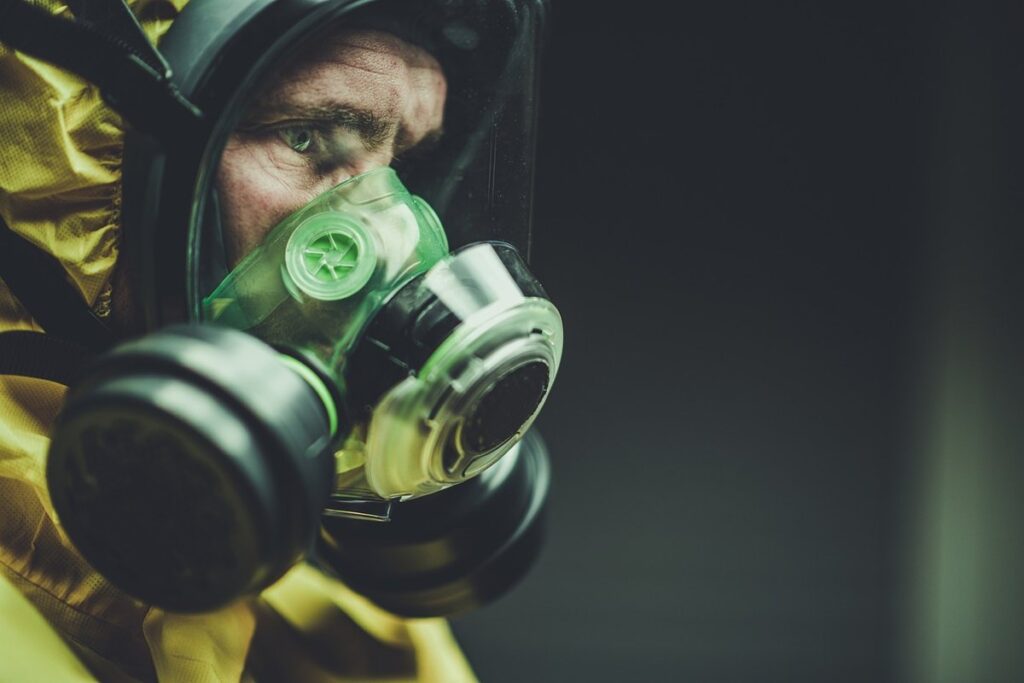
Understanding Biosecurity Risks in Food Processing
Understanding and mitigating biosecurity risks is crucial, as even small breaches can have devastating consequences on your facility’s reputation and operations. Let’s explore these critical risks together.
The Importance of Biosecurity in Food Production
Biosecurity is not just a concern for food processing facilities; it’s also crucial for food production. Contamination can occur at any stage of the supply chain, and the consequences are severe. According to a study by the World Health Organization (WHO), one in ten people fall ill every year from eating contaminated food, resulting in 420,000 deaths annually.
Food production biosecurity risks include contamination from pests, rodents, and birds, as well as improper handling and storage of raw materials. Non-compliance with biosecurity protocols can lead to the spread of diseases, economic losses, and damage to a company’s reputation.
To mitigate these risks, it’s essential for food producers to implement robust biosecurity measures, such as regular cleaning and sanitizing of facilities, proper waste management, and employee training on safe handling practices. For example, farmers can use bird-scaring devices or netting to prevent bird migration into fields during planting season. Additionally, producers should maintain accurate records of their biosecurity protocols and undergo regular audits to ensure compliance with regulations.
By prioritizing biosecurity in food production, companies can protect not only their operations but also the health and well-being of consumers.
Identifying Vulnerabilities in Food Processing Facilities
Identifying vulnerabilities in food processing facilities is crucial to preventing biosecurity breaches. Poor sanitation practices can lead to contamination and spoilage, while inadequate employee training can result in incorrect handling procedures.
To identify potential vulnerabilities, conduct regular audits of your facility’s sanitation practices. Check for proper cleaning and disinfection schedules, as well as adequate waste management systems. Ensure that all employees are trained on proper food handling and storage procedures, and that they understand the importance of maintaining a clean environment.
Employee training is also critical in identifying vulnerabilities. Provide ongoing training to ensure that employees are aware of potential biosecurity risks and know how to respond in case of an incident. This includes recognizing signs of contamination, reporting incidents promptly, and following proper protocols for cleaning and disinfection.
Examples of poor employee training include inadequate hand washing practices or failure to store raw materials properly. To prevent these issues, implement regular training sessions and provide employees with resources to access at any time.
Implementing Biosecurity Measures After Processing
Now that you’ve taken steps to process biohazardous materials, it’s crucial to implement effective biosecurity measures to prevent contamination and ensure a safe working environment. This includes proper cleaning, disinfection, and waste disposal procedures.
Sanitation and Cleaning Protocols
After production has come to an end, it’s essential to implement thorough sanitation and cleaning protocols to prevent cross-contamination and maintain a biosecure environment within your food processing facility. This includes disinfecting equipment and surfaces that came into contact with raw ingredients or finished products.
Begin by assigning specific tasks to designated personnel, such as the production team lead or a dedicated cleaning crew. Ensure each person understands their role in maintaining a clean and sanitized workspace. Develop a step-by-step cleaning schedule that covers all high-touch areas, including machinery, floors, walls, and countertops.
When disinfecting equipment, follow these procedures:
* Remove any food residue or debris from the surface
* Mix the recommended concentration of disinfectant with water according to the manufacturer’s instructions
* Apply the solution to a microfiber cloth or mop, avoiding direct application to surfaces whenever possible
* Allow the solution to sit for 1-2 minutes before rinsing with clean water and allowing it to air dry
For surfaces that are sensitive to harsh chemicals or require special care, such as stainless steel or plastic equipment, use a gentle cleanser specifically designed for these materials.
Employee Training and Education
Employee training is a critical component of maintaining robust biosecurity measures after processing. Regular training ensures that employees understand and adhere to proper protocols, reducing the risk of contamination and protecting both the facility and operations. This includes hands-on practice with personal protective equipment (PPE) and guidance on how to properly dispose of contaminated materials.
It’s essential to address hand hygiene practices, as inadequate hand washing is a common oversight that can lead to biosecurity breaches. Encourage employees to wash their hands frequently, especially after handling potentially infectious materials or after breaks. Provide clear guidelines on proper hand-washing techniques, including the use of hand sanitizer and wearing gloves when necessary.
Regular training sessions also cover reporting suspicious incidents, such as unexpected equipment malfunctions, unexplained odors, or unauthorized access to restricted areas. Foster an environment where employees feel comfortable reporting concerns without fear of reprimand or judgment. This encourages a proactive approach to biosecurity, enabling swift response times and minimizing potential damage.
Physical Security Measures to Protect Against Contamination
As we’ve discussed measures for personnel and facility security, it’s equally crucial to address the physical aspects that safeguard against contamination of sensitive materials. This includes ensuring secure storage, handling, and disposal practices.
Access Control and Authorization Procedures
Implementing effective access control measures is crucial to preventing unauthorized personnel from entering restricted areas of your facility. This is particularly important after processing, when sensitive materials and equipment may be present.
To begin, you’ll want to establish clear lockout/tagout procedures for all equipment and machinery. This involves locking out the device or removing any source of energy, such as electricity or compressed air, before performing maintenance or repairs. This not only prevents accidental start-ups but also minimizes the risk of contamination.
Additionally, consider implementing a color-coded system for labeling restricted areas and materials. For instance, red tags can signify “do not enter” zones, while yellow labels might indicate caution areas requiring extra precautions.
Training personnel on these procedures is equally important. Ensure that all staff members understand the purpose behind access control measures and the consequences of non-compliance. This includes educating them on recognizing potential security risks and reporting any suspicious activities to facility management. By following these steps, you can significantly reduce the risk of contamination and protect your facility’s assets.
Surveillance and Monitoring Systems
Installing surveillance systems is an essential component of maintaining biosecurity after processing. These systems provide continuous monitoring and recording of activities within the facility, helping to detect potential breaches or security incidents early on. With real-time video feeds, you can track staff movements, identify unauthorized access attempts, and respond quickly in case of a security breach.
Effective surveillance requires a combination of hardware and software components. High-definition cameras with night vision capabilities should be installed at strategic locations throughout the facility, including entry points, hallways, and areas where sensitive materials are stored. These cameras should be equipped with motion detection sensors to alert security personnel in real-time of any unusual activity.
Regular inspections and maintenance of surveillance systems are also crucial to ensure optimal performance. Conducting regular system checks can help identify potential issues before they become major problems, such as faulty equipment or software glitches.
Regulatory Compliance and Best Practices
To protect your facility and operations from potential breaches, it’s essential to understand regulatory compliance and best practices specific to biosecurity after processing. This includes adhering to industry standards.
Adhering to Industry Standards and Regulations
To ensure the highest level of biosecurity after processing, it’s essential to adhere to industry standards and regulations. One critical framework is the Hazard Analysis Critical Control Point (HACCP) principles. This systematic approach identifies potential hazards and implements control measures to mitigate risks. HACCP requires a thorough analysis of your facility’s operations, including processing steps, to pinpoint vulnerabilities.
The Global Food Safety Initiative (GFSI) is another key standard that ensures biosecurity compliance. GFSI recognizes credible third-party certification programs that meet its benchmark requirements. Companies like SAI Global and Intertek are approved GFSI-certified bodies, offering risk-based audits to ensure compliance with industry standards. By implementing HACCP principles and adhering to GFSI guidelines, you’ll significantly reduce the likelihood of contamination and protect your facility’s reputation.
To integrate these standards into your operations:
* Conduct a thorough hazard analysis to identify potential risks
* Implement control measures to mitigate identified hazards
* Regularly review and update your biosecurity protocols to reflect new industry developments
By prioritizing compliance with industry standards like HACCP and GFSI, you’ll safeguard your facility’s integrity and protect the health of consumers.
Continuous Improvement and Auditing
As you’ve established robust biosecurity measures after processing, it’s essential to maintain and improve them through regular auditing and continuous improvement practices. This ensures that your facility remains compliant with regulatory requirements and protected against potential threats.
Regular audits help identify areas for improvement and provide a clear understanding of the effectiveness of existing biosecurity measures. They involve reviewing policies, procedures, and protocols in place, as well as inspecting physical security features, such as access controls and surveillance systems.
To maintain compliance, it’s recommended to conduct regular self-assessments using checklists or questionnaires that align with regulatory requirements. For instance, the Centers for Disease Control and Prevention (CDC) provides a Biosecurity Self-Assessment Tool for laboratories and research facilities.
In addition to audits, continuous improvement practices should be implemented to address any gaps or weaknesses identified during the review process. This can involve updating policies and procedures, providing additional training to staff, or investing in new security technologies. By maintaining an ongoing focus on biosecurity and staying proactive, you can minimize risks and ensure the long-term protection of your facility and operations.
Technology and Innovation in Biosecurity
As we dive deeper into biosecurity measures, let’s explore how technology and innovation can enhance your facility’s defenses against potential threats. This includes cutting-edge tools and solutions to safeguard your operations.
Emerging Technologies for Biosecurity
As we navigate the complex landscape of biosecurity after processing, it’s essential to explore emerging technologies that can enhance our defenses. Artificial intelligence (AI) and Internet of Things (IoT) are two exciting areas to consider.
AI can be a game-changer for biosecurity by leveraging machine learning algorithms to analyze vast amounts of data from various sources, including temperature sensors, motion detectors, and video feeds. This enables real-time monitoring and early detection of potential security breaches or anomalies. For instance, AI-powered systems can identify unusual patterns in employee behavior or detect subtle changes in environmental conditions that might indicate a contamination risk.
IoT devices can also play a critical role by providing real-time data on equipment performance, temperature fluctuations, and other factors that impact biosecurity. By integrating these devices into a centralized platform, facilities can gain a more comprehensive understanding of their operations and quickly respond to any issues that arise. To get started with AI and IoT integration, begin by identifying the most critical areas of your facility where these technologies can have the greatest impact. Next, work with vendors to develop customized solutions tailored to your specific needs. By embracing emerging technologies like AI and IoT, you’ll be better equipped to protect your facility and operations from biosecurity threats.
Integrating Technology into Existing Systems
Integrating new technology solutions with existing systems can be a daunting task, but it’s essential to create a robust biosecurity framework. When implementing new technologies, it’s common to encounter system compatibility issues or integration challenges. To overcome these obstacles, start by identifying the specific areas where technology can enhance biosecurity, such as access control, surveillance, or laboratory automation.
Develop a phased approach to integration, focusing on one system at a time. Begin with a thorough analysis of your existing infrastructure and identify potential bottlenecks. This will enable you to pinpoint areas that require upgrades or modifications to accommodate new technologies. For instance, if your laboratory is upgrading from manual sample tracking to an automated system, you’ll need to integrate the new software with your existing lab information management system (LIMS).
Prioritize compatibility and scalability when selecting technology solutions. Ensure that any new system can be seamlessly integrated with existing infrastructure and can adapt to future growth or changes in operations. This might involve working closely with vendors or technology partners who have experience integrating their products with similar systems.
When possible, invest in technologies that are designed for integration from the outset, such as platforms that offer APIs (Application Programming Interfaces) or standardized data formats. These features enable easier integration and minimize manual workarounds.
To facilitate a smooth transition, allocate sufficient resources – both human and financial – to support the integration process. This may involve dedicated personnel to oversee implementation, provide user training, and troubleshoot any issues that arise during deployment.
Conclusion and Next Steps
As you’ve reviewed the steps for protecting your facility and operations, it’s time to think about next actions and final preparations. Let’s summarize key takeaways and outline a plan forward.
Recap of Key Biosecurity Considerations
To maintain effective biosecurity measures, it’s essential to remember that protection is an ongoing process. As we’ve discussed throughout this article, biosecurity after processing involves more than just cleaning and sanitizing equipment – it requires a comprehensive approach that addresses every aspect of facility operations.
Key takeaways from our discussion include identifying vulnerabilities in your current protocols, staying up-to-date with industry regulations, and fostering a culture of awareness among employees. This includes proper training on personal protective equipment use, hand hygiene practices, and reporting any security breaches promptly.
Practical steps you can take today to reinforce your biosecurity efforts include conducting regular self-assessments of your facility’s vulnerabilities, establishing clear protocols for waste disposal, and implementing ongoing employee education programs. By making these investments in your facility’s safety, you’ll not only protect against potential threats but also create a more reliable and efficient operation that benefits both employees and the bottom line.
Call to Action for Food Processors
As we conclude this exploration of biosecurity after processing, it’s essential to emphasize that implementing robust security measures is a critical investment for food processors. Your facility and operations are at risk of contamination and potential outbreaks if not properly safeguarded.
To prioritize biosecurity efforts, start by reviewing your current procedures and identifying areas for improvement. Consider conducting regular audits and assessments to ensure compliance with industry standards and regulatory requirements.
Develop a comprehensive plan that addresses the unique risks associated with your specific operation, including employee training programs, sanitation protocols, and emergency preparedness measures. Implementing these recommendations will not only protect your facility but also contribute to a safer food supply chain.
Remember, effective biosecurity is an ongoing process that requires continuous monitoring and improvement. By prioritizing these efforts, you’ll be taking proactive steps towards protecting your business, employees, and customers. Take immediate action by scheduling a review of your current procedures and investing in the necessary resources to implement these recommendations.
Frequently Asked Questions
What if I don’t have the resources to implement multiple biosecurity measures at once?
You can start by prioritizing high-risk areas or implementing a phased approach, focusing on one measure at a time. Identify your facility’s most critical vulnerabilities and address those first. This will help you make incremental progress towards improved biosecurity without overwhelming yourself with too many changes at once.
How often should I review and update my facility’s access control procedures?
Regular reviews of access control procedures are essential to maintaining biosecurity. Schedule annual or bi-annual reviews, or more frequently if your operations change significantly. This will ensure that access controls remain effective in preventing unauthorized access, and you can make adjustments as needed.
What happens during an audit? Should I be prepared for something negative?
Audits typically involve a thorough examination of your facility’s biosecurity measures, including sanitation protocols, employee training, and physical security. While the goal is to identify areas for improvement, it’s not necessarily about finding fault. Be prepared to provide documentation and answer questions truthfully, as this will help you identify vulnerabilities and make necessary changes.
Can I use existing technology to enhance my biosecurity measures?
Existing technologies like video surveillance systems can be repurposed or upgraded to support enhanced biosecurity. Consider integrating additional features, such as facial recognition software or motion detection, to improve monitoring capabilities. You may also want to explore new technologies specifically designed for biosecurity, like environmental monitoring sensors.
How do I balance the need for employee training with the reality of limited resources and budget?
Employee training is a crucial investment in your facility’s biosecurity. Start by educating key personnel on essential protocols and procedures, then gradually expand training to other staff members as resources allow. Consider online or self-paced training options to reduce costs. Prioritize areas that pose the greatest risks to your operation.