
If you’re an avid birdwatcher or simply a goose enthusiast, you might be concerned about the well-being of these magnificent creatures. Unfortunately, geese populations are facing numerous threats in the wild, and it’s essential to understand what’s happening. From sharp talons and piercing eyesight to hunting and human activities, there are several predators that can harm geese, including hawks, eagles, dogs, foxes, and even humans themselves. Poaching, habitat destruction, and accidental killings are also taking a toll on these populations. In this article, we’ll delve into the common goose predators and explore effective protective measures to coexist with geese safely and responsibly. By understanding the risks and implementing necessary precautions, we can ensure the continued survival of these incredible birds.
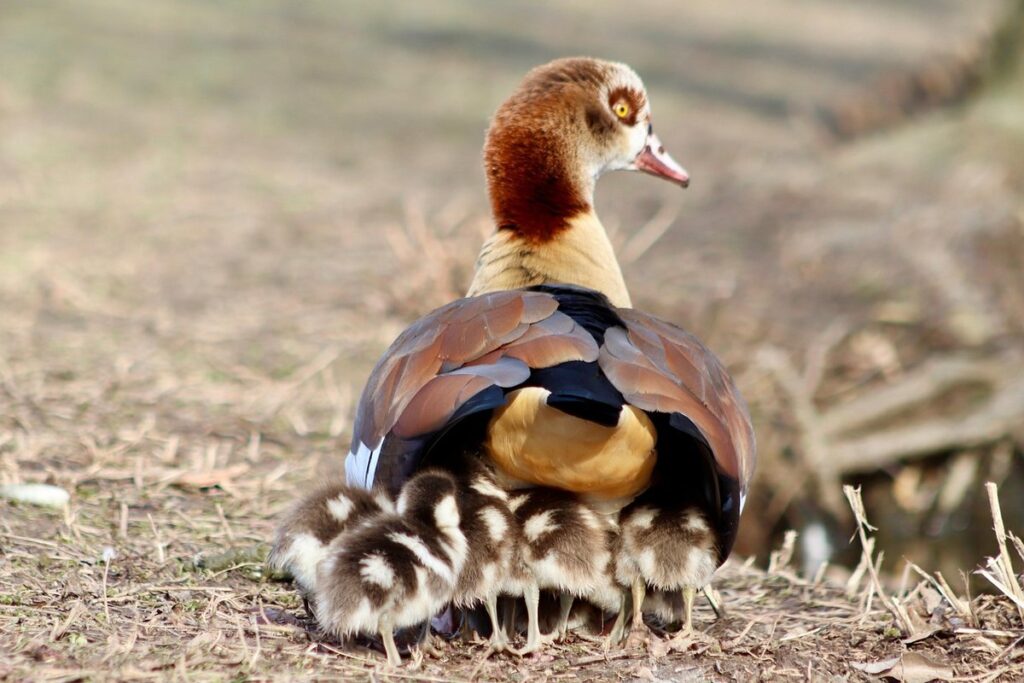
Understanding Common Goose Predators
Let’s take a closer look at some of the most common predators that target geese, from coyotes to hawks and owls. These birds are often stealthy hunters, posing a significant threat to goose populations.
Natural Predators: Hawks and Eagles
When it comes to natural predators of geese, hawks and eagles are among the most formidable. These birds of prey are skilled hunters that have adapted to various environments, making them a force to be reckoned with.
There are several species of hawks and eagles that prey on geese, including Red-tailed Hawks, Swainson’s Hawks, Bald Eagles, and Golden Eagles. These birds can be found in a range of habitats, from open fields and grasslands to forests and wetlands.
One of the key characteristics of hawks and eagles is their exceptional eyesight. They use this advantage to spot geese from afar, often striking when they are most vulnerable, such as when they are nesting or foraging on the ground. To protect your geese, it’s essential to be aware of these hunting behaviors and take steps to deter them.
For example, you can try using visual deterrents like balloons or reflective tape to scare away hawks and eagles. You can also consider altering your geese’s feeding habits by providing them with food in areas that are less accessible to predators. By being proactive and taking measures to prevent these bird of prey attacks, you can help keep your geese safe.
Domesticated Animals: Dogs and Foxes
When it comes to goose predators, we often think of birds like hawks, owls, and foxes. However, domesticated animals can also pose a significant threat to goose populations, especially in urban areas. Dogs and foxes are two common culprits that can easily get too close for comfort.
Dogs, in particular, can be a major concern. They may see geese as prey or simply be curious about these large birds, leading them to chase or attack. Even if the dog doesn’t intend to harm, its presence can still cause stress and disruption to the geese’s natural behavior. In urban areas, it’s not uncommon for dogs to roam freely, putting geese populations at risk.
Foxes are another domesticated animal that can be a threat to geese. While they may seem small, foxes are skilled hunters that can easily sneak up on unsuspecting geese. If you live in an area with a large fox population, it’s essential to take precautions to protect your geese. This can include securing the enclosure or providing adequate shelter and hiding spots for the birds.
To mitigate these threats, consider implementing measures such as fencing around goose enclosures, using motion-activated sprinklers to deter dogs and foxes, and educating neighbors about the importance of controlling their pets. By taking proactive steps, you can help protect your geese from domesticated predators and create a safer environment for both humans and wildlife.
Human-Related Goose Predators
Let’s take a closer look at some of the most common human-related goose predators, from dogs to cars and everything in between. These unexpected threats can be just as damaging as wildlife predators.
Hunting and Poaching
Intentional hunting and poaching pose significant threats to goose populations worldwide. Many individuals engage in these activities for personal gain, such as selling meat, feathers, or body parts on the black market. The motivations behind this behavior vary, but often involve financial incentives.
The consequences of intentional hunting and poaching are far-reaching and devastating. For example, a single goose can be sold for up to $50 on the black market, making it a lucrative business for those involved. However, this has led to significant population declines in some regions, with estimates suggesting that over 90% of geese in certain areas have been lost due to poaching.
To combat these issues, governments and conservation organizations must work together to implement effective protection measures. This includes enforcing strict laws and penalties for those caught engaging in hunting or poaching activities. Additionally, education campaigns can help raise awareness about the negative impacts of intentional goose exploitation. By taking a proactive approach, we can protect goose populations and preserve their habitats for future generations.
Collisions with Vehicles and Machinery
As we explore the realm of human-related goose predators, it’s essential to acknowledge the significant threat posed by everyday human activities. Collisions with vehicles and machinery are a leading cause of goose fatalities worldwide.
When geese forage or migrate near roads, airports, and industrial zones, they often fall prey to speeding vehicles. In fact, studies suggest that over 200,000 waterfowl die annually due to collisions with cars and trucks in the United States alone. Similarly, aviation-related accidents claim hundreds of geese lives each year. As these birds fly at low altitudes to avoid weather systems or follow their natural migration patterns, they become vulnerable to plane strikes.
Industrial operations also pose a threat to geese habitats. Agricultural machinery, construction equipment, and other heavy machinery can cause significant harm to the environment, leading to habitat destruction and fragmentation. To mitigate this issue, we recommend installing bird-deterrent measures such as motion-activated sprinklers or visual deterrents near sensitive areas. Additionally, consider implementing “goose-friendly” infrastructure design in urban planning and construction projects.
Environmental Factors Affecting Goose Populations
Goose populations are influenced by a variety of environmental factors, from climate change to habitat destruction and pollution. Let’s explore how these factors impact their numbers.
Climate Change and Weather Events
Climate change is having a profound impact on goose populations worldwide. Rising temperatures are altering migration patterns, making it increasingly challenging for geese to reach their traditional breeding and feeding grounds. This shift can lead to malnutrition, increased mortality rates, and reduced reproductive success.
Extreme weather events such as droughts, heatwaves, and floods also pose significant threats to goose populations. For example, a severe drought in the UK in 2018 led to a significant decline in wheat yields, forcing geese to search for alternative food sources. In some cases, this can lead to conflicts with human activities, such as agriculture and urbanization.
As we move forward, it’s essential for conservation efforts to consider climate change mitigation strategies that account for shifting migration patterns and breeding habits. This may involve identifying new habitats and food sources or implementing adaptive management plans that can respond to changing environmental conditions. By doing so, we can better protect goose populations and help them adapt to the impacts of climate change.
Habitat Loss and Fragmentation
The relationship between human activities and goose habitats is a delicate one. As we continue to urbanize, cultivate land for agriculture, and expand infrastructure, the natural habitats of geese are being disrupted and destroyed. Habitat loss and fragmentation can have severe consequences on goose populations, making them more vulnerable to predators.
Urbanization, in particular, has led to the destruction of wetlands, grasslands, and other areas that provide essential food and shelter for geese. As a result, geese are forced to adapt to new environments, often leading to increased competition for resources and decreased reproductive success. For example, in Europe, urban expansion has been linked to declining goose populations, with many species now listed as vulnerable or endangered.
To mitigate these effects, it’s essential to adopt sustainable land-use practices that balance human needs with environmental concerns. This can involve setting aside protected areas for wildlife, implementing agroecological farming methods, and designing infrastructure projects that minimize habitat destruction. By taking a more holistic approach to development, we can help safeguard the habitats of geese and other wildlife species, ultimately reducing their reliance on human intervention for protection.
Protective Measures for Geese and Their Habitats
To help protect geese from predators, it’s essential to implement various measures that safeguard both the birds themselves and their habitats. Let’s explore some practical ways to achieve this goal.
fencing and Netting Solutions
When it comes to protecting geese from aerial predators like hawks, owls, and eagles, as well as ground threats such as coyotes and foxes, fencing and netting solutions can be an effective deterrent. A key consideration is the type of material used for the fence or netting. For example, a sturdy wooden or metal fence with openings no larger than 3 inches can prevent predators from getting through.
Netting is another option that can provide comprehensive protection. Bird-repellent netting, typically made of polypropylene or nylon mesh, is designed to be breathable and allow sunlight to pass through while keeping birds out. This type of netting can be installed above the geese’s habitat or run area, creating a safe zone.
When choosing between fencing and netting solutions, consider the size of your geese’s enclosure and the specific threats it faces. For small enclosures, a combination of both fencing and netting may be necessary to provide adequate protection.
Repellent Systems and Noise-Making Devices
Repellent systems and noise-making devices have been gaining popularity as an effective way to deter goose predators. These innovative solutions work on the principle of startling the predator with an unpleasant stimulus, thereby driving it away from the area.
For example, ultrasonic repellent devices emit a high-frequency sound that is inaudible to humans but unbearable for many animals, including geese predators like foxes and coyotes. When placed strategically around the perimeter of your property or waterfowl habitat, these devices can create an unpleasant environment that discourages predators from approaching.
Another effective deterrent is noise-making devices such as motion-activated sprinklers or sirens. These devices startle the predator with a sudden burst of sound or movement, causing it to flee in search of more favorable hunting grounds.
To maximize their effectiveness, it’s essential to combine these repellent systems with other protective measures, such as fencing and habitat modification. By creating an environment that is unappealing to predators while still being conducive to goose populations, you can significantly reduce the risk of predation and create a safer haven for your waterfowl.
Some popular noise-making devices include:
* Motion-activated sprinklers
* Ultrasonic repellent devices
* Sirens
* Bird-scaring balloons
When choosing a repellent system or noise-making device, consider factors such as:
* Effectiveness: Look for products with proven track records of deterring predators.
* Ease of use: Select devices that are easy to install and maintain.
* Budget-friendliness: Consider the cost-benefit ratio when making your decision.
Remember to always follow local regulations and guidelines when implementing repellent systems or noise-making devices, as some areas may have restrictions on their use.
Best Practices for Coexisting with Geese
If you live near a park or have a garden, learning how to peacefully coexist with geese can make all the difference in maintaining harmony. Here are some practical tips for shared spaces.
Education and Awareness Campaigns
Education and awareness campaigns play a crucial role in promoting coexistence with geese. These campaigns aim to educate the public about goose behavior, habitats, and protection methods, ultimately reducing conflicts between humans and geese.
To start, it’s essential to understand that geese are wild animals with complex social structures and behaviors. They often inhabit urban areas due to food availability and lack of natural habitats. Educating people on these aspects can help them develop empathy for the birds.
Effective education campaigns involve outreach programs in schools, community centers, and public parks. These initiatives can include workshops, guided walks, or interactive exhibits showcasing goose behavior and habitat requirements. For instance, a local park authority might organize a “Geese Encounter” program, where experts provide information on safe distances to maintain between humans and geese.
When creating educational materials, it’s crucial to use clear, concise language that avoids scaring people away from interacting with geese altogether. Instead, focus on promoting peaceful coexistence by highlighting the importance of respecting goose space and not feeding them human food. By educating the public about goose behavior and habitats, we can foster a culture of appreciation and respect for these remarkable birds.
Community Engagement and Collaborations
When it comes to coexisting with geese, community engagement and collaboration are crucial for effective goose conservation efforts. One of the most significant benefits of involving local communities is that they can provide valuable insights into goose behavior and habitats. By working together, residents, organizations, and government agencies can identify areas where geese are causing problems and develop targeted solutions.
For instance, you could start by organizing a community meeting to discuss concerns about geese in your area. Invite representatives from local wildlife organizations, parks departments, and homeowner associations to share their perspectives and expertise. This will help create a shared understanding of the issue and foster a sense of ownership among community members.
Consider partnering with local schools or universities to develop educational programs that teach children about goose behavior, habitat conservation, and conflict mitigation strategies. By empowering future generations with knowledge and skills, we can ensure the long-term sustainability of our efforts.
Case Studies: Successful Goose Protection Initiatives
Let’s take a closer look at real-world examples of goose protection initiatives that have made a significant impact, from community-led projects to innovative technological solutions. We’ll explore what worked well and why.
Examples of Effective Fencing and Netting Systems
When it comes to protecting geese from predators, fencing and netting systems are often the most effective solutions. Let’s take a look at some real-world examples of successful implementations.
For instance, the City of London implemented a comprehensive goose management program that included a 10-foot high fence around several parks and gardens. This barrier successfully prevented foxes and other mammals from entering the areas and preying on the geese. The city also used netting to protect smaller water features and ponds where geese frequently visit.
Another example is the National Trust’s use of fencing and netting at one of its estate parks. They installed a 12-foot high fence around the entire park, along with netting over smaller enclosures and feeding areas. This combination has significantly reduced goose predation by larger mammals.
A key takeaway from these examples is that it’s essential to consider the specific needs and habits of the geese being protected when designing a fencing or netting system. By understanding where they tend to congregate and how they interact with their environment, you can create an effective barrier that safeguards them without disrupting their natural behavior.
Innovative Solutions for Urban Areas
Urban areas pose unique challenges for goose protection initiatives. In cities like New York City and London, innovative solutions have been implemented to address human-goose conflicts. One such solution is the use of noise-making devices, such as ultrasonic repellers, to deter geese from public spaces. These devices emit a high-pitched sound undetectable to humans but unpleasant for geese, effectively discouraging them from roosting in these areas.
Another innovative approach is the installation of visual deterrents, such as netting or balloons, to prevent geese from accessing sensitive habitats. For instance, the city of Chicago has used large netting to protect its famous Millennium Park lake from goose droppings and damage. By adopting a combination of noise-making devices and visual deterrents, urban areas can effectively manage goose populations while maintaining public spaces.
Effective implementation of these solutions requires close collaboration between local authorities, wildlife experts, and community members. Urban planners should consider incorporating goose-friendly design principles into new development projects to minimize conflicts with human populations.
Frequently Asked Questions
How do I identify the presence of natural predators like hawks and eagles around my geese?
If you suspect that hawks or eagles are a threat to your geese, look for signs such as bird remains near their enclosures, sharp talon marks on trees or fencing, or direct observations of these birds in the area. You can also consult with local wildlife experts or use motion-sensitive cameras to monitor the surroundings.
Can I use repellent systems and noise-making devices together to deter predators?
Yes, using a combination of repellent systems (e.g., sprinkler systems) and noise-making devices (e.g., ultrasonic bird repellers) can be an effective way to deter various types of goose predators. However, it’s essential to choose the right type of device for your specific situation and to follow local regulations regarding their use.
How do I balance protecting my geese with maintaining a peaceful coexistence with other wildlife?
To strike a balance between predator protection and preserving natural habitats, consider using humane deterrents like fencing or netting that allow geese to roam freely while preventing predators from accessing them. You can also create bird-friendly areas nearby to support local biodiversity.
What are some effective ways to educate the public about goose conservation and coexistence?
Developing educational materials, such as brochures or online resources, can help spread awareness about goose conservation. Partner with local community groups, schools, or wildlife organizations to promote events, workshops, or guided tours that showcase responsible goose management practices.
Can I use fencing and netting solutions for urban areas where geese are a problem?
Yes, effective fencing and netting systems can be used in urban settings to manage goose populations. When choosing materials, consider using durable, predator-resistant options like high-tensile wire or netting with built-in reinforcement. Also, ensure that any installed fencing complies with local regulations and is aesthetically pleasing for the surrounding area.