
Frostbite on chicken combs can be a silent killer in your backyard flock, leaving you to wonder what went wrong. As a chicken owner, you’re likely no stranger to monitoring their health and behavior, but frostbite is a critical issue that demands attention. Cold temperatures can quickly turn your feathered friends’ combs into a frostbitten mess, leading to painful injuries and even death. In this article, we’ll dive into the causes of frostbite on chicken combs, discuss how to identify the signs and symptoms, and share expert advice on prevention strategies to keep your flock safe. By understanding how to prevent and treat frostbite, you can protect your birds from this common yet potentially disastrous condition.
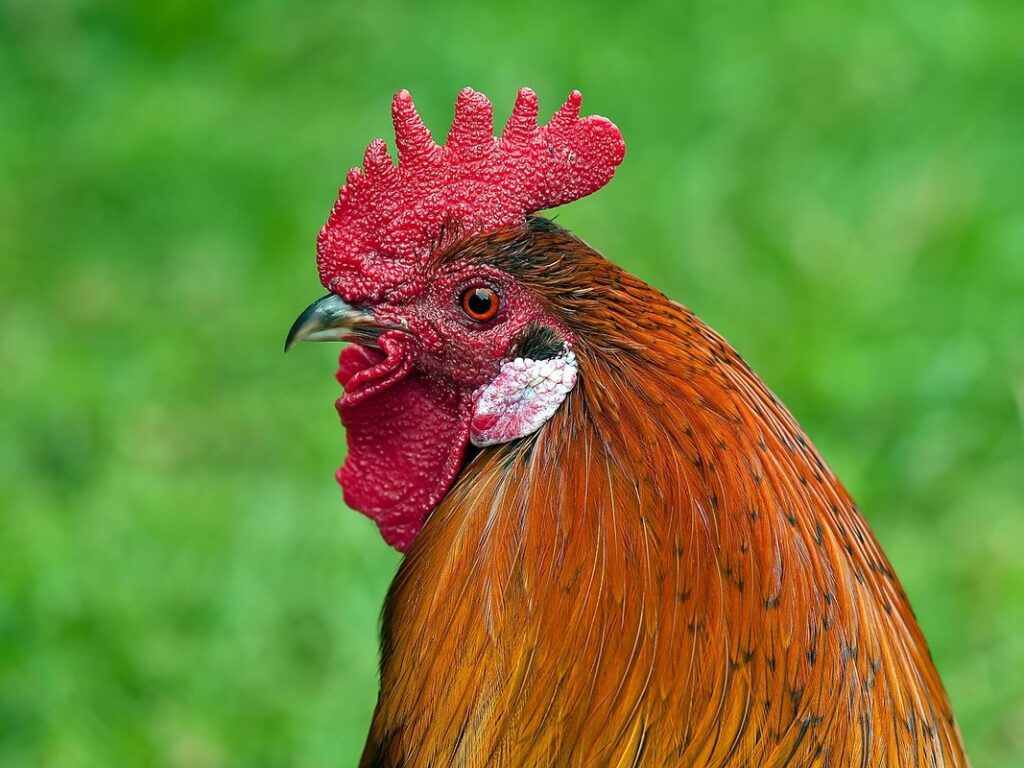
Understanding Chicken Combs and Frostbite
Understanding chicken combs is crucial when it comes to frostbite prevention. Let’s break down the anatomy of a chicken comb to grasp its vulnerability to cold temperatures.
Importance of Chicken Combs
Your chicken’s comb is more than just a colorful feature on their head. It plays a vital role in regulating their body temperature and overall health. The comb is made up of thin blood vessels that help dissipate excess heat from the bird’s body, particularly during hot summer months. This process is crucial for maintaining your chicken’s internal temperature at around 104°F (40°C), which is ideal for proper bodily functions.
However, when temperatures drop significantly, this delicate area can be severely affected. Extreme cold temperatures can cause frostbite on the comb, leading to discomfort and even long-term health issues for your chickens. As a responsible chicken owner, it’s essential to recognize the warning signs of frostbite and take proactive measures to prevent it from occurring in the first place.
To better understand how temperature fluctuations impact your flock, consider this: A single degree drop in ambient temperature can increase the risk of frostbite by 5-10%. This highlights the importance of providing a safe and warm environment for your chickens during harsh winter months.
Anatomy of a Chicken Comb
The chicken comb is a vital part of a chicken’s anatomy, serving as a circulatory organ that regulates body temperature. Located on top of the chicken’s head, it’s made up of thin skin and muscles that help pump blood through the capillaries beneath. This rich network of tiny vessels supplies the comb with an abundance of oxygenated blood, which is then released to surrounding tissues.
The comb’s structure is particularly prone to cold-related injuries due to its unique anatomy. The thin skin covering the comb lacks a natural layer of insulation, leaving it vulnerable to extreme temperatures. As a result, even slight drops in temperature can cause the blood vessels within the comb to constrict, leading to reduced blood flow and an increased risk of frostbite.
This is why chicken combs are often among the first signs of cold stress in chickens. In exposed areas with low humidity, such as open fields or unsheltered coops, it’s not uncommon for chicken owners to notice frozen or iced-over combs on their birds during prolonged periods of freezing weather.
Causes and Risk Factors for Frostbite on Chicken Combs
Let’s dive into what causes frostbite on chicken combs, as understanding these factors is crucial to preventing this condition in your flock. Weather conditions like extreme cold and wind play a significant role.
Prolonged Exposure to Cold Temperatures
Prolonged exposure to cold temperatures is one of the primary causes of frostbite on chicken combs. When chickens are repeatedly exposed to freezing conditions, their comb and wattle can suffer from prolonged cold stress, leading to tissue damage and ultimately, frostbite.
Several factors contribute to the risk of frostbite in these areas. Wind chill, for instance, can drop the perceived temperature significantly, making it feel much colder than actual temperatures would suggest. Humidity also plays a crucial role – high humidity can lead to rapid heat loss from the comb, causing the tissue to freeze more quickly.
To put this into perspective, consider that temperatures as low as 25°F (-4°C) can be sufficient to cause frostbite on exposed chicken combs, especially if they are not protected by windbreaks or draft-free enclosures. In extreme cases, chickens may even experience frostbite at temperatures above freezing, especially if the humidity is high and there is no shelter from wind.
To minimize this risk, it’s essential to provide your flock with adequate protection during cold weather. This can be achieved through simple measures such as installing a windbreak around their coop or using electric heat lamps to maintain a comfortable temperature in their enclosure.
Age, Health, and Breed-Specific Susceptibility
As we explore the various causes of frostbite on chicken combs, it’s essential to consider the unique factors that affect different age groups, health conditions, and breeds. Chickens with larger combs are more susceptible to frostbite due to their exposed anatomy, which can make them more prone to cold damage.
Young chickens, in particular, may be more vulnerable to frostbite due to their developing circulatory systems and thinner skin on their combs. As a responsible chicken owner, it’s crucial to monitor your flock closely during extreme weather conditions, especially if you have young birds.
Certain health conditions can also make chickens more susceptible to frostbite. For example, chickens with weakened immune systems or those suffering from hypothyroidism may be more prone to cold stress and subsequent frostbite. Regular check-ups with a veterinarian and maintaining a healthy flock will help identify potential issues before they become severe. If you live in an area where frostbite is common, consider taking extra precautions to ensure your flock’s health and well-being during winter months.
Symptoms of Frostbite on Chicken Combs
If you notice your hens’ combs turning pale, shrinking, or developing an unusual color, it may be a sign that they’re suffering from frostbite. Learn how to identify these warning signs in this crucial section.
Early Warning Signs
When frostbite starts to set in on your chicken’s comb, you may notice some initial warning signs. These can vary depending on the severity of the condition and the individual bird’s sensitivity. Some common early indicators of frostbite include discolored skin, which might appear white, gray, or even a bluish tint.
Edema, or swelling, is another possible sign that your chicken’s comb is experiencing cold stress. This can cause the affected area to become puffy and inflamed. In some cases, you may notice a loss of comb structure, where the usual pink coloration becomes dull and flaky. Different breeds of chickens can exhibit these symptoms in varying degrees.
For example, Leghorns are prone to frostbite due to their relatively small combs compared to other breeds. As a result, you might be more likely to notice edema or discolored skin on a Leghorn’s comb in cold weather. Orpingtons and Plymouth Rock chickens, on the other hand, often have larger combs that may take longer to develop frostbite symptoms.
Keep an eye out for these warning signs, especially during prolonged periods of cold weather. If you catch the issue early, there’s still time to provide your flock with extra care and prevent further damage.
Advanced Stages of Frostbite
Untreated frostbite can lead to severe tissue damage, which may result in partial or complete loss of function and sensation in the affected area. This is particularly concerning when it occurs on a chicken’s comb, as it can impair their ability to regulate body temperature and maintain overall health.
In advanced stages, frostbite can cause necrosis – the death of skin and underlying tissue due to prolonged lack of blood supply. This may lead to sloughing or peeling of the affected area, exposing vulnerable tissue to infection. In severe cases, necrotic tissue may need to be surgically removed to prevent further complications.
The impact of frostbite on a chicken’s overall health should not be underestimated. Severe cases can weaken an individual bird and increase its susceptibility to illness and disease. As such, it is crucial for poultry owners to monitor their flock closely during periods of extreme cold and take prompt action if signs of frostbite are observed.
Prevention Strategies for Chicken Combs
Preventing frostbite on chicken combs is crucial, so let’s dive into some effective strategies to protect your flock from cold temperatures and wind chill.
Providing Adequate Shelter and Ventilation
Providing adequate shelter and ventilation is crucial to preventing frostbite on chicken combs. When chickens are exposed to wind and cold, their body temperature drops rapidly, making them more susceptible to frostbite. To protect your flock, ensure that their coop or enclosure provides a windbreak and is well-insulated. This can be achieved by using materials like straw bales, snow fencing, or even an old shed.
Adequate ventilation is also essential in preventing moisture buildup inside the coop. When air is stale, moisture accumulates, leading to respiratory issues and a higher risk of frostbite. Ensure that your coop has proper ventilation by installing windows or vents that allow fresh air to circulate. A good rule of thumb is to provide about 1 square foot of ventilation per bird.
Remember, a dry and well-ventilated coop is essential for maintaining air quality and preventing moisture buildup. By providing shelter from wind and cold, and ensuring adequate ventilation, you can significantly reduce the risk of frostbite on your chickens’ combs.
Monitoring Temperature Extremes
Monitoring temperature extremes is crucial for preventing frostbite on chicken combs. Farmers can use thermometers, weather apps, and even smart feeders to track temperature fluctuations. For instance, you can monitor the low temperatures overnight and adjust your feeding schedule accordingly. Feeding a little more before bedtime can help provide extra energy reserves to keep your flock warm.
It’s also essential to be aware of wind chill factors, which can make temperatures feel much colder than they actually are. Windy conditions can strip away the protective layer of fat on chicken combs, making them more susceptible to frostbite. If you notice extreme temperature fluctuations or windy nights approaching, take preventive measures by providing extra bedding and ensuring your coop is well-insulated.
By anticipating and preparing for extreme weather conditions, farmers can significantly reduce the risk of frostbite on chicken combs. Regular monitoring allows you to make informed decisions about feeding, ventilation, and overall flock care. This proactive approach will help keep your birds safe and healthy throughout the winter months.
Treatment and Recovery
Now that you know how to prevent frostbite on your chicken’s comb, it’s essential to learn how to treat and nurse your bird back to health if it does occur. We’ll walk you through the recovery process step by step.
Immediate Care After Frostbite Onset
When you suspect that your chicken’s comb has been exposed to frostbite, it’s essential to act quickly and provide emergency care. Start by gently removing the bird from the cold environment to prevent further damage. Next, carefully inspect the affected area for any signs of tissue damage or discoloration.
To rewarm the frozen comb safely, you can try the following method: run warm water over a clean towel and wrap it around the affected area. Hold the towel in place for 30-40 minutes to allow the warmth to penetrate the tissues. Alternatively, you can use a hair dryer on a low setting, holding it at least six inches away from the comb. Be cautious not to scald your chicken with hot water or burn their skin with the dryer.
Monitor your bird closely during this process, as rewarming can cause temporary swelling. If you notice any signs of tissue damage, such as sloughing or peeling, seek veterinary attention immediately. It’s also crucial to take preventive measures in future, including providing adequate shelter and protecting your flock from harsh weather conditions.
Ongoing Health Monitoring and Support
Regularly monitoring the health of your flock is crucial to preventing future cases of frostbite and supporting recovery in affected birds. As temperatures fluctuate throughout the year, keep a close eye on your chickens’ combs, particularly during periods of extreme cold or sudden drops in temperature.
Check for signs of frostbite daily, especially in areas with harsh winters. Look for discoloration, swelling, or ice crystals forming on the comb. Remove any affected birds from the coop and provide them with a warm, dry environment to recover. In some cases, antibiotics may be necessary to prevent infection.
To support recovery, ensure your chickens have access to fresh water and nutritious feed. A balanced diet rich in vitamins and minerals will help promote healing and overall health. Consider supplementing their feed with omega-3 fatty acids or vitamin E, which can aid in tissue repair and regeneration.
Regularly inspecting your flock’s living conditions and making adjustments as needed is also vital. Provide adequate ventilation to prevent moisture buildup, and ensure the coop is draft-free. By combining ongoing monitoring with supportive care, you’ll be better equipped to prevent frostbite and help your birds recover quickly if they do experience an episode.
Conclusion
Now that we’ve covered the causes and symptoms of frostbite on chicken comb, let’s summarize what you can do to protect your flock from this preventable condition.
Recap of Key Points
In reviewing the key points discussed throughout this article, it’s essential to revisit the importance of understanding chicken comb anatomy. The comb is a vital part of a chicken’s respiratory system and can be severely affected by frostbite if left exposed to cold temperatures for an extended period. Recognizing the risk factors associated with frostbite, such as wet or damp conditions, strong winds, and low air temperature, is also crucial in maintaining flock health.
Implementing prevention strategies is the most effective way to prevent frostbite on chicken comb. This can include providing shelter that protects against wind and rain, ensuring adequate ventilation in coops to maintain airflow, and taking steps to manage flock moisture levels. For example, regularly cleaning the coop to reduce ammonia buildup and providing dust baths for chickens to help control their natural oils are both effective ways to prevent frostbite.
In addition to these strategies, it’s essential to understand the warning signs of frostbite on chicken comb. These include discoloration or drooping of the comb, as well as a decrease in egg production. Immediate attention and veterinary care can make all the difference in treating frostbitten combs and preventing long-term damage.
By understanding chicken comb anatomy, recognizing risk factors for frostbite, and implementing effective prevention strategies, you can help maintain your flock’s health and prevent this condition from occurring. This includes providing a safe and healthy environment that meets the needs of your chickens, regardless of the season or weather conditions.
Frequently Asked Questions
What’s the ideal temperature threshold for preventing frostbite on chicken combs?
While it’s difficult to pinpoint an exact temperature, temperatures below 32°F (0°C) can increase the risk of frostbite. However, even mild cold snaps around freezing temperatures can cause damage. Keep your flock indoors during prolonged periods of sub-freezing temperatures or provide them with adequate shelter and insulation.
Can any breed of chicken be prone to frostbite on their combs?
Some breeds are more susceptible to frostbite due to their specific anatomy. For instance, hens with larger combs are at a higher risk. However, even if you have a breed that’s generally considered less susceptible, it’s still essential to take preventative measures and monitor your flock closely during cold snaps.
How long does it typically take for frostbite symptoms to appear?
Frostbite can progress rapidly, but initial symptoms may not be apparent right away. In some cases, it might take 24-48 hours for visible signs of frostbite to emerge. Be vigilant in monitoring your birds’ behavior and watch for early warning signs like lethargy, decreased appetite, or changes in comb color.
Can I use any type of shelter or protection to prevent frostbite?
While providing adequate shelter is crucial, not all shelters are created equal. Opt for well-insulated, dry shelters with adequate ventilation to prevent moisture buildup. Avoid using plastic tarps or other materials that can trap cold air and exacerbate the risk of frostbite.
What’s the best way to monitor my flock’s temperature-related health issues?
Regularly check your birds’ combs for signs of frostbite or hypothermia, especially during extreme weather events. Monitor their behavior, appetite, and overall health closely, taking note of any changes that might indicate a problem. Keep a thermometer handy to track temperature fluctuations and adjust your care accordingly.