
As a duckling parent, you’re probably aware that providing your little ones with access to clean, safe swimming water is crucial for their growth and development. But when exactly should you introduce your ducklings to swimming water? The answer isn’t as straightforward as it seems. During the critical first weeks of life, ducklings rely on their mother’s care, but as they grow and become more independent, they need access to water for swimming, bathing, and exercise. In this article, we’ll explore essential tips and best practices for providing swimming water for your ducklings, ensuring their health, well-being, and optimal growth during these formative weeks. From determining the right age to introducing swimming water to creating a safe and suitable environment, we’ve got you covered.
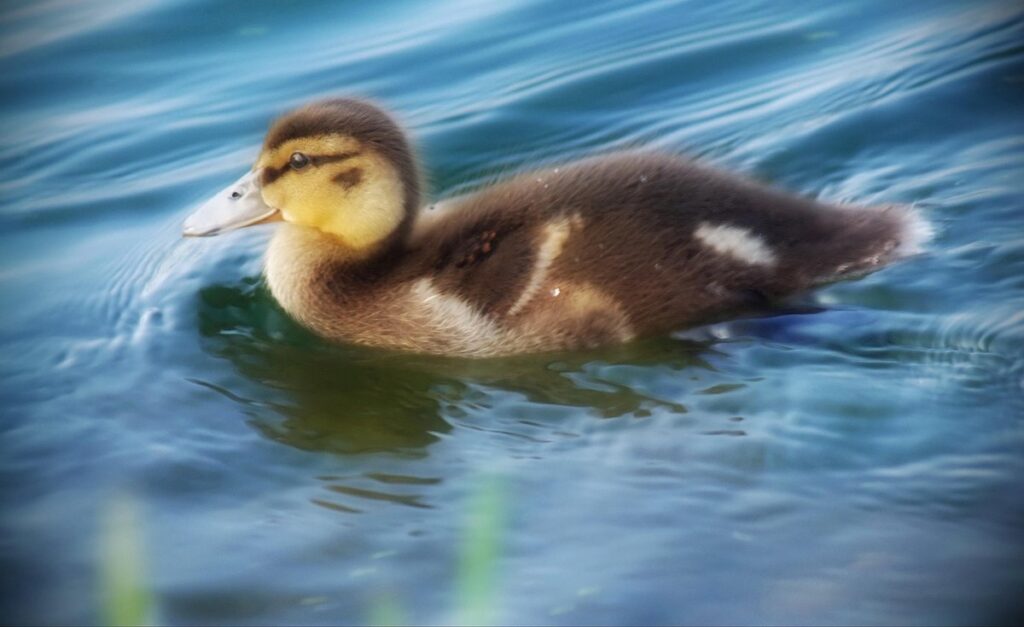
Understanding the Importance of Proper Water Provision
When it comes to providing swimming water for your ducklings, ensuring they have access to clean and safe water is crucial for their health and development. Let’s dive into why proper water provision matters.
Recognizing the Risks of Inadequate Water Supply
When it comes to raising healthy and thriving ducklings, providing them with access to clean swimming water is crucial. However, not having sufficient water can have devastating consequences for these young birds. One of the most significant risks of inadequate water supply is stunted growth. Ducklings need to drink plenty of water during their first few weeks of life to support their rapid development and growth.
If they don’t get enough hydration, they may experience slowed down metabolism, weakened immune systems, and reduced energy levels, all of which can lead to a range of health problems. In extreme cases, inadequate water supply can also increase mortality rates among ducklings. According to the American Livestock Association, over 20% of duckling deaths are directly related to dehydration.
To ensure your ducklings stay hydrated and healthy, it’s essential to provide them with plenty of clean swimming water from an early age. Aim for at least one gallon of water per duckling per day, and make sure the water is changed regularly to prevent bacterial growth.
Factors Influencing Duckling Water Needs
When caring for ducklings, it’s essential to consider the factors that influence their water needs. Climate, temperature, and humidity are among the most significant variables to keep in mind.
Extreme temperatures can drastically affect duckling water needs. In regions with scorching summers or freezing winters, providing adequate swimming water becomes a challenge. For instance, areas like Arizona or Australia experience severe heatwaves during summer, making it crucial for duck owners to ensure their water is clean, cool, and accessible at all times.
Humidity also plays a significant role in duckling water needs. In areas with high humidity levels, such as the southeastern United States or parts of Asia, ducklings may require more frequent cleaning of their swimming water to prevent bacterial growth. Conversely, regions with low humidity like California or Spain might need extra measures to maintain water quality.
When managing these factors, prioritize providing a consistent and reliable source of clean water for your ducklings. Regularly check the temperature, pH levels, and cleanliness of the swimming area to ensure it remains safe and comfortable for your feathered friends.
Best Practices for Providing Adequate Water
When it comes to raising ducklings, providing them with access to clean, shallow water from an early age is crucial for their health and well-being. This may seem obvious, but many new duck parents underestimate the importance of this simple yet vital aspect of duckling care.
To maintain a safe and healthy swimming environment for your ducklings, it’s essential to follow some basic best practices. First and foremost, ensure that the water is shallow enough for them to easily wade in and out without being swept away. A good rule of thumb is to keep the water level at about 1-2 inches deep for the first few weeks.
Regularly test the water quality by checking its pH levels and chlorine content to prevent any potential health risks. You should also change the water frequently, ideally every other day or sooner if it becomes cloudy or contaminated. Additionally, make sure the swimming area is well-ventilated and free from any hazards that could harm your ducklings.
By following these simple guidelines, you’ll be providing your ducklings with a safe and healthy environment to grow and thrive in. Remember, prevention is key when it comes to maintaining a clean and safe swimming water for your feathered friends.
Environmental Considerations for Duckling Swimming Areas
When creating a swimming area for your ducklings, it’s crucial to consider the environmental impact of your design choices to ensure their health and well-being. This includes choosing safe water sources and minimizing waste production.
Choosing a Suitable Location
When selecting a location for your duckling swimming area, it’s essential to consider the microclimate of the site. Ducklings are extremely sensitive to temperature fluctuations, and extreme heat or cold can be detrimental to their health. Ideally, choose a spot that receives partial shade, especially during peak sun hours. A south-facing slope or a spot with trees providing dappled shade is perfect.
Proximity to food sources is another crucial consideration. Ensure the location is near a reliable water source, as ducklings need access to fresh water for drinking and swimming. However, avoid areas where predators might be lurking nearby. For example, if you live in an area with raccoons or foxes, it’s best to choose a site that minimizes their accessibility.
When evaluating the location, also consider wind direction. A spot that provides some protection from prevailing winds can help maintain a stable water temperature and prevent water evaporation. By carefully selecting a suitable location, you’ll create an ideal environment for your ducklings to swim and thrive.
Creating a Safe Environment
When it comes to creating a safe environment for duckling swimming areas, one of the most crucial factors is removing potential hazards. Sharp rocks and debris can be particularly damaging to young ducks’ sensitive webbed feet and delicate skin. Take a walk around the designated area and pick up any loose twigs, sticks, or stones that could cause harm. You can also consider installing a rock-free border around the pool or using a gentle liner to cushion the surface.
Adequate drainage is another vital aspect of creating a safe environment for ducklings to swim in. Make sure the water level is not too deep and that there are no areas where water can collect, potentially leading to drowning hazards. A well-designed drainage system will help prevent water stagnation and ensure the pool remains clean and free from bacteria.
To enhance ventilation, consider planting trees or installing a misting system nearby to create a calming atmosphere for your feathered friends. Adequate airflow will also help reduce the risk of waterborne diseases.
Using Natural vs. Artificial Water Sources
When it comes to creating a safe and healthy swimming area for ducklings, one of the most critical considerations is the water source. There are two primary options: natural sources like ponds or lakes, and artificial sources like pools or kiddie pools. While both have their advantages, there are some key differences to consider.
Natural water sources can provide ducklings with a more authentic swimming experience, as they’re able to interact with surrounding aquatic plants and wildlife. However, they may also come with risks such as waterborne diseases, pollution, and predators. For example, if the pond is contaminated with bacteria like Salmonella or E. coli, it can lead to serious health issues for ducklings.
Artificial water sources, on the other hand, offer greater control over water quality and safety. You can use filters, disinfectants, and regular testing to ensure the water is free from contaminants. Plus, artificial pools are often easier to clean and maintain than natural ones. But, they might lack the stimulation and diversity that ducklings get from swimming in a natural environment.
To strike a balance between these two options, consider creating a hybrid system. For instance, you can use an artificial pool with a built-in filter and circulation system, but also add some natural elements like plants or rocks to create a more immersive experience for the ducklings. This way, you can minimize risks while still providing your feathered friends with the benefits of both worlds.
Nutrition and Hydration Management
When it comes to caring for ducklings, providing adequate nutrition and hydration is crucial, especially when they’re swimming. Here’s what you need to know about managing their diet and water intake in a pool setting.
Understanding Duckling Nutritional Requirements
As ducklings grow and develop during their first few weeks of life, their nutritional needs change rapidly. It’s essential to provide a balanced diet that meets these changing requirements to ensure they thrive. From hatching to around 4-5 weeks old, ducklings rely heavily on their yolk sac for nutrients. However, as this resource dwindles, they begin to require solid food.
A diet rich in protein and fiber is crucial during this period. Offer a mix of commercial duck starter feed or pellets specifically formulated for young waterfowl, along with high-quality grains like oats and barley. Supplement with fresh fruits and vegetables, such as leafy greens and sweet potatoes, to provide essential vitamins and minerals.
Avoid overfeeding, as this can lead to digestive issues and other problems. Aim to offer 15-20% of their body weight in food daily, divided into 4-5 meals. Remember that each duckling’s nutritional needs may vary depending on breed, climate, and individual factors. Monitor your ducklings’ growth and adjust their diet accordingly.
Managing Feeding Schedules to Support Water Intake
Managing feeding schedules is crucial to ensure ducklings receive enough water and nutrients. When providing swimming water, it’s essential to balance feeding with adequate hydration. Overfeeding can lead to digestive issues, while underfeeding may cause dehydration.
Create a schedule that aligns with the duckling’s age and growth rate. For example, 1-2 day-old ducklings require 15-20% protein feed twice a day, while 3-4 week-olds need 10-15% protein feed three times a day. Be mindful of portion sizes to prevent overfeeding.
Understand that ducklings have different appetites and may eat more or less depending on their environment and stress levels. Monitor your ducklings’ consumption closely and adjust the feeding schedule as needed. Keep in mind that ducklings need access to swimming water at all times, especially when they’re feeding. This helps maintain hydration and aids digestion.
To ensure adequate water intake, offer fresh water alongside each meal. The general rule of thumb is 1 cup of water for every 4 cups of feed. Monitor your duckling’s droppings and overall health to adjust the feeding schedule accordingly.
Health Considerations for Ducklings in Swimming Water
When introducing water into your duckling’s environment, it’s essential to consider the potential health risks they may face. This section covers key factors to keep in mind.
Monitoring Water Quality and Hygiene
Monitoring water quality and hygiene is crucial to prevent disease transmission among ducklings when they are swimming. It’s not just about providing a pool of water for them to play in; it’s also about creating an environment that promotes their health and well-being. One of the primary concerns is maintaining proper temperature. Ducklings are sensitive to extreme temperatures, so it’s essential to monitor the water temperature regularly to ensure it falls within the safe range (around 80°F to 90°F). This can be achieved by installing a thermometer near the pool.
In addition to temperature control, you should also pay attention to water quality. Regularly test the water for bacteria, such as E. coli and Salmonella, which can be present in contaminated soil or feces. You can use DIY testing kits available at pet stores or consult with a veterinarian for advice on how to maintain clean water. Furthermore, practice good hygiene by changing the water frequently, cleaning the pool regularly, and disinfecting any surfaces that come into contact with the ducklings.
Cleanliness is also vital in preventing disease transmission. Wash your hands thoroughly before handling the ducklings after interacting with the swimming water.
Recognizing Signs of Illness or Stress in Ducklings
When you have ducklings swimming in water, it’s essential to be aware of their behavior and watch for signs that might indicate they’re not thriving. One critical area is recognizing the common signs of illness or stress in ducklings linked to inadequate swimming water conditions.
Ducklings experiencing stress or illness often exhibit changes in appetite, lethargy, labored breathing, ruffled feathers, and changes in droppings. If you notice your ducklings are acting sluggish or lethargic, it’s crucial to check the water quality immediately. Some common issues include ammonia buildup, bacterial contamination, or inadequate oxygen levels.
If you suspect an issue, remove the ducklings from the swimming area at once and inspect their living quarters for any health hazards. Clean and disinfect all surfaces, including feeders, waterers, and nesting boxes, to prevent the spread of disease. You can also treat the water with a water conditioner or filter to improve its quality.
Regular monitoring of your ducklings’ behavior will help you catch potential issues early on. Check for changes in appetite, droppings, or any visible signs of illness each day.
Preventing Disease Outbreaks
When it comes to providing swimming water for ducklings, preventing disease outbreaks is crucial. One of the primary concerns with ducks and water is the risk of fungal infections such as swimmer’s itch, a parasitic infection caused by bird schistosomes that can be spread through contaminated water.
Regularly inspecting your swimming pool or area and maintaining cleanliness are key to preventing the growth of bacteria and fungi that can cause disease. Change the water frequently enough to prevent stagnation, and scrub down any surfaces with soap and warm water. Using a dechlorinator is also essential in removing chlorine from the water, which can irritate ducklings’ eyes and skin.
In addition to maintaining cleanliness, providing adequate shelter for your ducklings is also vital in preventing disease outbreaks. A clean and dry area for them to escape into when they’re not swimming will help keep them healthy by reducing stress and exposure to contaminated water.
Long-Term Strategies for Providing Swimming Water
As you’ve learned how to provide temporary swimming water, it’s time to focus on long-term solutions that will ensure your ducklings have a safe and accessible water source throughout their growing season. Let’s explore strategies for creating permanent pools and ponds.
Planning and Budgeting for Seasonal Changes
As you plan and prepare for providing swimming water for your ducklings, it’s essential to consider the seasonal changes that can impact their needs. Climate fluctuations, temperature variations, and other factors can greatly affect the water quality and quantity required by your feathered friends.
To ensure you’re adequately prepared, start by tracking local weather patterns and temperature forecasts. This will help you anticipate potential droughts or flooding events that may impact your duckling’s access to clean drinking water and a safe place for swimming. Consider investing in a reliable rainwater harvesting system to collect and store excess rainfall during wet seasons, which can be used during dry spells.
When creating your budget, factor in the costs of seasonal equipment maintenance, such as changing out pool liners or filters, and replenishing chemicals to maintain optimal water quality. By being proactive and planning ahead, you’ll be able to provide your ducklings with a safe and enjoyable swimming experience all year round.
Adapting to Local Regulations or Environmental Factors
When it comes to providing swimming water for ducklings, it’s essential to be flexible and adapt to changing local regulations, environmental conditions, and even natural disasters. Local authorities may impose restrictions on the use of water during droughts or extreme weather events, so being aware of these regulations is crucial. In such cases, consider alternative sources of water, such as nearby ponds or lakes, or explore options for installing a rainwater harvesting system.
Environmental factors like water quality and temperature also play a significant role in determining the safety and suitability of swimming water for ducklings. For instance, during heatwaves, the water temperature may rise to unsafe levels, posing a risk to the health of your ducklings. In such situations, consider providing shade or using cooling systems to maintain a safe temperature range.
To adapt to these challenges, prioritize water quality testing and monitoring to ensure that the swimming water is safe for your ducklings. Regularly inspect the area for any signs of contamination or hazards and take prompt action to address them.
Conclusion
As we conclude our discussion on providing swimming water for ducklings when they need it most, remember that every little detail matters. Make sure the water is at a safe temperature, around 80-90°F (27-32°C), and provide a shallow area for them to wade into the water gradually. Don’t underestimate the importance of introducing your ducklings to swimming water in small increments – this will help prevent stress and shock. By following these simple guidelines, you can create a safe and enjoyable experience for your young charges.
Frequently Asked Questions
What if I notice my ducklings are hesitant to enter the swimming water, even after it’s been deemed safe?
This is a common issue many duckling parents face! If your ducklings seem reluctant to enter the swimming water, try gently placing them in the shallow end or creating a gradual incline from the land to the water. You can also introduce toys or other objects into the water to make it more appealing and inviting for your ducklings.
Can I use a kiddie pool as an alternative to a larger pond or lake?
Yes! Kiddie pools can be a great temporary solution, especially during hot summer months when your ducklings need extra hydration. Just ensure the pool is cleaned regularly and has proper drainage to prevent bacterial growth. Remember to gradually introduce your ducklings to the new environment to avoid stress.
How often should I monitor water quality and hygiene in my duckling swimming area?
It’s essential to check the water quality daily, especially during peak swimming periods. Look for signs of algae growth, strong odors, or changes in water color. You can also test the pH level using a pool test kit. Regular monitoring will help you maintain a safe and healthy environment for your ducklings.
What if I have limited space for creating a dedicated duckling swimming area?
Don’t worry! Even small spaces can be adapted to accommodate your ducklings’ needs. Consider setting up a shallow pool or a designated “duck pond” within a larger enclosure, such as a chicken run or backyard area. Get creative and make the most of what you have – just ensure it’s safe and secure for your feathered friends.
Can I use filtered water from my tap versus collecting rainwater for my duckling swimming area?
Yes, but be cautious with chlorinated tap water, as it can cause skin irritation and other health issues in ducklings. Rainwater is a better option if possible, but ensure it’s free of contaminants and treated properly to prevent bacterial growth.