
If you’re an avid egg lover or a backyard chicken owner, you’ve probably wondered about the differences between pullet eggs and regular eggs. While many of us are familiar with the standard large and extra-large egg sizes, pullet eggs often fly under the radar – literally! But did you know that these smaller eggs pack just as much nutritional punch as their bigger counterparts? In this article, we’ll explore the surprising size differences between pullet eggs and regular eggs, delving into the factors that affect egg size and their overall value. We’ll also discuss which type of egg is best suited for your needs – whether you’re looking for a healthier option or simply want to try something new. Get ready to crack open some exciting facts about these smaller yet mighty eggs!
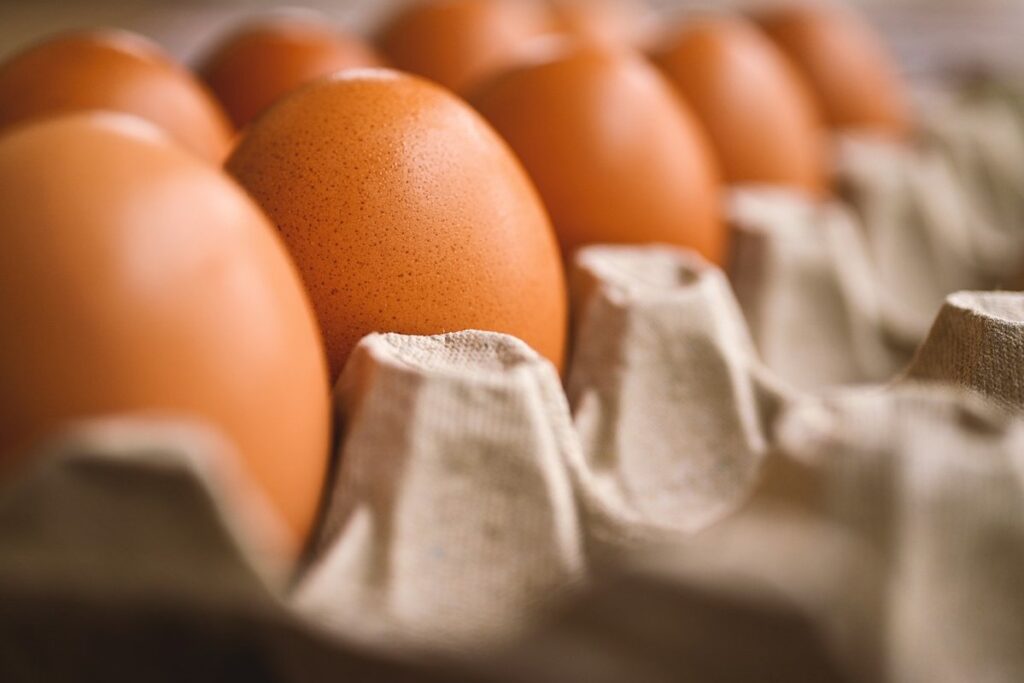
Understanding Pullet Eggs and Their Characteristics
Now that we’ve discussed why pullet eggs are smaller, let’s dive into what makes them unique and how they differ from regular eggs in terms of size and characteristics.
What Are Pullet Eggs?
When it comes to understanding pullet eggs, it’s essential to know that they are produced by hens specifically bred for their egg-laying abilities. These hens are harvested before reaching full maturity, typically between 16 and 24 weeks old. This is where the term “pullet” originates, referring to young hens.
The reason behind harvesting these hens at an early age is to optimize egg production while minimizing the environmental impact of raising layers until they reach their full potential. By collecting eggs from these young hens, farmers can take advantage of the period when pullets are most prolific in producing eggs.
Keep in mind that pullet eggs come from birds that have not yet reached their peak laying capacity. This means that these eggs will likely be smaller than those produced by more mature layers. However, they still offer a delicious and nutritious option for consumers looking to try something new. Pullet eggs are an excellent choice for those seeking a more sustainable and environmentally-friendly alternative to regular eggs.
Egg Size Variations in Pullets
When it comes to pullet eggs, you’ll notice that the size can vary significantly depending on the breed of chicken. Let’s take a look at two popular breeds: Leghorns and Orpingtons.
Leghorn pullets, for instance, tend to lay smaller eggs compared to their full-grown counterparts. Their egg yolks are often more rounded and have a deeper color due to their high yolk-to-white ratio. On the other hand, Orpington pullets will typically produce larger eggs than Leghorns but smaller than those laid by mature hens.
If you’re raising a mixed flock, it’s essential to consider these differences in egg size. For example, if you’re planning to use the eggs for baking or cooking, you may prefer the slightly larger eggs from Orpingtons. However, if you need more consistent sizes for decorating or other applications, Leghorns might be a better fit.
To gauge the egg-laying abilities of your pullet breeds, consider tracking their weight and development stages. Regular monitoring will help you predict when they’ll start producing eggs at their optimal size. This knowledge can also inform breeding decisions to optimize egg production on your farm or homestead.
Egg Size: The Key to Pullet Egg Production
When it comes to pullet egg size, knowing what to expect is crucial for backyard chicken keepers and commercial producers alike. In this next section, we’ll dive into the characteristics of pullet eggs compared to regular eggs.
Factors Affecting Egg Size
When it comes to pullet egg size, several factors come into play. Breed is one of the primary influencers of egg size. Different breeds have distinct characteristics that affect their egg-laying abilities. For example, Leghorns tend to produce smaller eggs than Marans or Barnevelders. If you’re raising pullets for egg production, it’s essential to choose a breed suitable for your needs.
Nutrition also plays a significant role in determining egg size. Pullet nutrition must be balanced and adequate to support optimal growth and egg development. A diet rich in protein, calcium, and other essential nutrients will help promote larger eggs. Feeding them the right amount of food at the correct stage is crucial; overfeeding can lead to oversized pullets that may experience health issues.
Age is another critical factor affecting egg size. Pullets typically begin laying eggs around 18-20 weeks of age. As they mature, their egg size increases, with peak production occurring between 26 and 30 weeks. Managing your pullet flock’s growth stages and adjusting feeding schedules accordingly can help you optimize egg size.
Comparison with Regular Eggs
When it comes to pullet eggs versus regular eggs from mature hens, one of the most noticeable differences is size. Pullet eggs are generally smaller than their larger counterparts, with an average weight range of 1.5-2 ounces (43-57 grams) compared to the 2-3 ounce (57-85 gram) weight of a regular egg.
In terms of shape, pullet eggs tend to be slightly more oval in shape due to their compact size and lighter yolks. This can make them more challenging to handle and crack, but it’s also what makes them so endearing to many consumers. Regular eggs, on the other hand, are typically rounder and have a larger yolk-to-white ratio.
The weight difference between pullet eggs and regular eggs is mainly due to the pullet’s smaller size and lower egg production levels. Pullet hens produce fewer eggs overall, which means each egg is more precious and often has a higher value in terms of nutritional content and culinary uses.
Benefits of Pullet Eggs
Let’s dive into one of the most exciting benefits of pullet eggs: their unique flavor and texture, which many people find irresistible. But that’s not all they offer.
Taste and Texture
One of the most significant advantages of pullet eggs is their distinct taste and texture. Many consumers who have tried pullet eggs swear by their richer flavor profile, which can be attributed to the pullets’ diet and living conditions. Pullet eggs tend to have a creamier yolk and a firmer white, making them a delight for egg enthusiasts.
For those who prefer smaller eggs, pullet eggs offer a unique advantage in terms of texture. The smaller size means that each bite is more concentrated with flavor and nutrients. This can be especially appealing to chefs and home cooks looking to elevate their dishes with high-quality ingredients.
If you’re new to pullet eggs, start by trying them poached or scrambled – the creamy yolk will shine through beautifully. As you get accustomed to their taste, experiment with different recipes that showcase the unique qualities of pullet eggs. Whether you’re a seasoned foodie or just discovering the world of small eggs, pullet eggs are sure to become a new favorite in your kitchen.
Nutritional Value
When it comes to nutritional value, pullet eggs often have a more impressive profile compared to regular eggs. One key difference is in protein content – pullet eggs typically contain around 5-6 grams of protein per large egg, whereas regular eggs may have closer to 4-5 grams. This makes pullet eggs an attractive option for those following high-protein diets.
Fat levels are also lower in pullet eggs, with around 2-3 grams per large egg compared to 4-5 grams in regular eggs. However, the type of fat present is more favorable – pullet eggs tend to contain a higher ratio of unsaturated fats, which can help lower cholesterol levels and promote overall heart health.
Pullet eggs also contain slightly more vitamins A, E, and K, as well as iron, zinc, and calcium compared to regular eggs. These differences are due in part to the pullets’ diet and living conditions – many producers opt for organic or pasture-raised methods that prioritize animal welfare and nutritional quality.
In terms of practical application, if you’re looking to boost your protein intake or reduce saturated fat consumption, incorporating pullet eggs into your meals can be a smart choice. Simply substitute pullet eggs for regular eggs in omelets, frittatas, or baked goods – the result will likely be both nutritionally superior and deliciously satisfying.
Pullet Egg Production Methods
To determine the best pullet egg production methods, let’s dive into how breeders and farmers cultivate these smaller eggs from younger hens. This involves unique techniques that differ from regular egg farming.
Backyard Flocks vs Large-Scale Operations
When it comes to producing pullet eggs, the methods used by backyard chicken keepers and large-scale egg farms differ significantly. Backyard flocks often rely on a more natural approach, where chickens are raised on pasture or in free-range environments. This method allows for a more relaxed pace, enabling hens to mature naturally and produce smaller, yet high-quality pullet eggs.
In contrast, large-scale operations typically use intensive farming practices, such as battery cages and controlled lighting, to optimize egg production. These systems can yield higher quantities of pullet eggs, but may compromise on the quality and nutritional content. The fast-paced environment also puts a strain on the hens’ health and well-being.
For backyard chicken keepers, adopting natural methods not only promotes better animal welfare but also results in eggs that are rich in nutrients and have a more complex flavor profile. On the other hand, large-scale farms often prioritize efficiency over quality, producing pullet eggs that may lack the depth of flavor and nutritional value found in smaller-scale operations. By understanding these differences, you can make informed decisions about your own backyard flock or support producers who align with your values.
Challenges and Considerations
Producing high-quality pullet eggs comes with its own set of challenges and considerations. One of the key equipment needs is specialized coops designed to accommodate smaller birds and meet their unique egg-laying requirements. These coops must provide adequate ventilation, temperature control, and space for the pullets to move around comfortably.
Staffing requirements also vary when it comes to pullet egg production. As these birds require more frequent handling and monitoring due to their smaller size, farms may need to employ additional staff or invest in automation systems to streamline operations.
Regulations regarding pullet egg production differ from those governing regular eggs. For instance, some countries have specific guidelines for labeling and marketing pullet eggs as a distinct product. Familiarity with these regulations is crucial to avoid compliance issues and maintain a competitive edge in the market.
Moreover, pullet egg producers must also consider factors like feed costs, disease management, and biosecurity measures tailored to their unique needs.
Impact on the Environment
Let’s dive into how pullet eggs and regular eggs affect the environment, from resource usage to waste management. We’ll explore the surprising differences in their ecological footprint.
Carbon Footprint Comparison
When it comes to the environmental impact of egg production, there are several factors to consider. One key area is transportation emissions. Since pullet eggs come from younger hens that grow faster and mature earlier, they can be harvested closer to where they’re raised, reducing transportation needs. Regular eggs, on the other hand, often involve longer transport distances.
To illustrate this difference, let’s look at some data points. According to a study by the USDA, 64% of egg farms are located within 200 miles of major population centers, making local distribution feasible for many producers. However, regular eggs might still travel farther due to economies of scale and logistical complexities.
Resource usage is another crucial aspect to examine. Pullet hens typically require less feed and water due to their smaller size, which can help minimize environmental strain. A study published in the Journal of Agricultural Science found that raising pullets resulted in a 25% reduction in feed consumption compared to regular layers.
However, it’s essential to note that some producers might offset these benefits with intensive farming practices or resource-intensive breeding programs for pullet hens. To choose environmentally responsible options, look for producers committed to sustainable practices and prioritize local, pasture-raised eggs whenever possible. Additionally, consider the overall carbon footprint of your egg consumption by calculating the emissions associated with transportation and production methods. By doing so, you can make more informed choices that align with your values.
Economic Benefits of Pullet Eggs
So, you’re curious about why pullet eggs are actually a more affordable option than regular eggs? Let’s dive into the economic benefits that make them an attractive choice.
Market Demand and Pricing
In recent years, the demand for pullet eggs has been on the rise, driven by consumer interest in sustainable and locally sourced food options. As more consumers seek out smaller, more environmentally friendly egg producers, farmers are adapting their operations to meet this growing demand.
One key factor influencing market demand is the egg’s size and quality. Pullet eggs, being smaller than regular eggs, appeal to customers looking for a more compact and convenient product. For instance, urban households with limited storage space might prefer pullet eggs as they take up less room in their refrigerators.
The pricing strategy of pullet eggs also plays a significant role in the market demand. Since pullet eggs are smaller, farmers can charge a premium price due to their higher egg-laying frequency and more efficient production process. On average, pullet eggs can be sold at a 10-20% higher price point compared to regular eggs.
Farmers need to weigh these potential benefits against the costs of producing pullet eggs, including specialized feed and equipment requirements. To maximize profitability, farmers must carefully balance their pricing strategy with the actual costs of production.
To capitalize on the growing demand for pullet eggs, consider the following key strategies:
* Develop a strong brand identity that emphasizes the environmental and social benefits of your products
* Leverage local marketing channels to connect directly with customers and build loyalty
* Monitor consumer feedback and adjust your pricing strategy accordingly
By understanding the market dynamics surrounding pullet eggs, farmers can make informed decisions about their production and pricing strategies. This enables them to capitalize on the growing demand for these smaller, more sustainable eggs while ensuring a profitable business model.
Tips for Consumers
Now that you know the difference between pullet eggs and regular eggs, let’s dive into some valuable tips on how to choose the right eggs for your needs.
Choosing the Right Egg Size
When choosing between pullet eggs and regular eggs, it’s essential to consider your personal taste preferences and nutritional needs. Taste is subjective, but some consumers swear by the richer flavor of smaller eggs.
To start, think about how you like your eggs cooked. If you prefer scrambled or fried eggs, a slightly sweeter flavor might be a welcome change from larger eggs’ more neutral taste. On the other hand, if you’re an omelette aficionado or love making quiches, regular eggs’ slightly firmer texture and more robust flavor may suit your needs better.
If nutritional considerations are your top priority, pullet eggs might have the edge. Research suggests that smaller eggs from young hens contain higher levels of omega-3 fatty acids and vitamins A and E than larger eggs. Pullet eggs also tend to be lower in cholesterol – a benefit for those monitoring their overall dietary intake.
Consider your cooking methods as well: if you’re baking or boiling, pullet eggs’ slightly denser yolks will hold up better to heat without breaking apart. However, if you prefer poaching or making deviled eggs, regular eggs’ larger size and more yielding texture may be a better match for these applications.
Ultimately, the choice between pullet and regular eggs comes down to personal taste and priorities. If you’re eager to mix things up in your kitchen, give pullet eggs a try – they might just become your new favorite ingredient.
Frequently Asked Questions
Can I grow my own pullets for egg production at home?
Yes, you can raise your own pullets for a sustainable and cost-effective source of eggs. To do so, ensure you have enough space, resources, and knowledge about chicken care and management. Consider the time commitment required to harvest them before they reach full maturity.
How does the nutritional value of pullet eggs compare to regular eggs?
Pullet eggs pack just as much nutritional punch as their bigger counterparts. In fact, some studies suggest that smaller eggs may have a higher concentration of nutrients like protein and vitamins due to their lower egg size. However, more research is needed to confirm this.
Can I use pullet eggs in recipes where large eggs are typically used?
While it’s possible to substitute pullet eggs for regular eggs, you’ll need to adjust the recipe accordingly due to their smaller size. A good rule of thumb is to use 1-2 pullet eggs instead of one large egg. Keep an eye on the ratio of ingredients and texture.
How can I determine the best type of egg for my needs – regular or pullet?
Consider your priorities: nutritional value, cost, environmental impact, or taste preference. If you’re looking for a healthier option with minimal environmental footprint, pullet eggs might be the better choice. If you prefer larger eggs for baking or frying, regular eggs could be more suitable.
Are pullet eggs suitable for commercial use in bakeries and restaurants?
While some establishments have successfully incorporated pullet eggs into their recipes, it ultimately depends on local demand, supply chains, and consumer preferences. Consider partnering with suppliers who can provide consistent quality and quantity to meet your needs.