
As a backyard chicken keeper, you’re likely eager to know when your pullets are ready to start laying eggs. But how do you determine if they’ve reached maturity? Recognizing physical and behavioral signs of pullet maturity is crucial for monitoring growth and preventing potential health issues in your flock. A mature pullet is not only more productive but also less prone to stress and disease. However, identifying the exact moment can be tricky. In this article, we’ll explore the key indicators of pullet maturity, including physical changes like feather development and weight gain, as well as behavioral signs such as increased egg-laying frequency and social behavior. By learning how to monitor these signs, you’ll be better equipped to care for your birds and ensure a healthy, thriving flock.
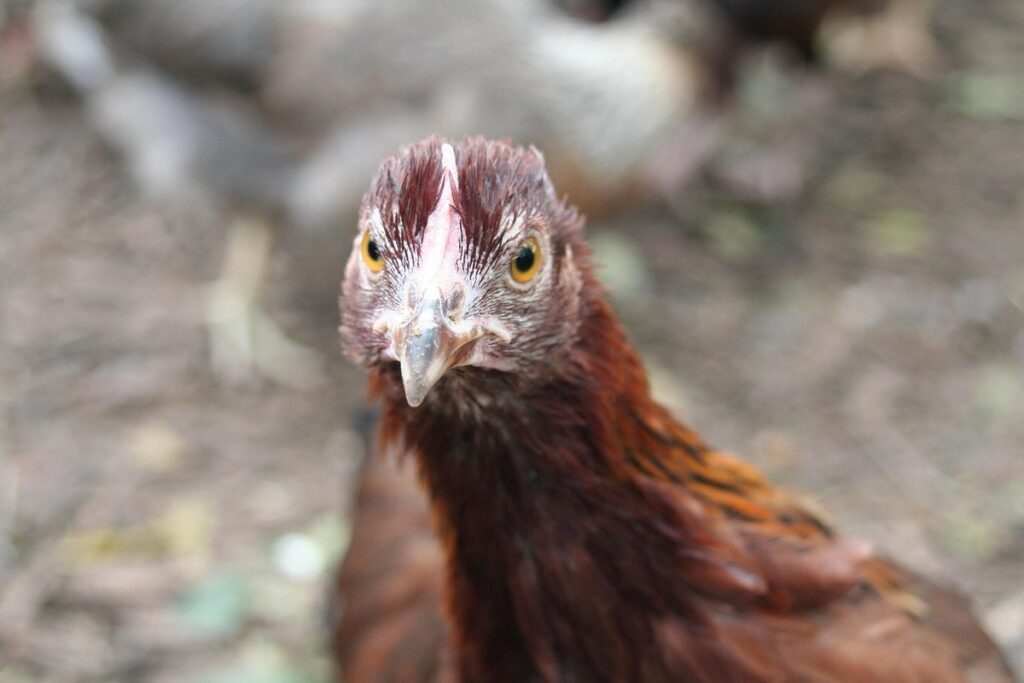
Understanding Pullet Development
As you begin to recognize signs of pullet maturity, it’s essential to understand how these birds develop physically and behaviorally. This process can be influenced by factors such as nutrition, health, and genetics.
The Importance of Monitoring Growth
Monitoring growth is essential to ensure that your pullets are developing healthily and reaching their full potential. As they grow from chicks to young hens, it’s crucial to track their progress regularly. This allows you to identify any potential issues early on, making it easier to implement corrective measures.
Growth monitoring helps you understand how well your pullets are adapting to their environment, diet, and overall care. By tracking their weight, height, and feather growth, you can determine if they’re receiving adequate nutrition and if there’s a need for adjustments. For instance, if you notice that some pullets are lagging behind in terms of weight gain, you may need to consider supplementing their feed or providing additional nutrients.
Tracking growth patterns also enables you to anticipate maturity signs more accurately. By knowing your pullets’ individual development pace, you can better determine when they’ll reach full maturity and be ready for laying eggs. Regular monitoring helps you stay ahead of potential health issues, ensuring that your birds remain productive and healthy throughout their lives.
Normal Growth Patterns in Pullets
During the development phase, pullets will exhibit several key milestones that indicate their growth and maturity. One of the primary indicators is weight gain. On average, a healthy pullet will reach around 2-3 pounds by 14 weeks, and continue to grow rapidly until reaching full maturity at about 18-20 weeks.
Another crucial aspect is size. Pullet growth can be measured using a combination of factors such as wing length, leg length, and body mass. A general rule of thumb is that pullets should have their tail feathers reach the floor by around 16-17 weeks of age. Feathering development also plays an essential role in determining maturity. At this stage, you will see feathers start to fill out on the back and wings, giving the appearance of a more mature bird.
It’s worth noting that individual breeds may vary slightly in their growth patterns, so be sure to consult specific breed guidelines for your flock’s particular needs. By monitoring weight gain, size, and feathering development, you can gauge your pullet’s progress towards maturity.
Recognizing Physical Signs of Maturity
As you observe your pullets, it’s essential to recognize the physical signs that indicate they’re reaching maturity. Look for changes in their plumage and body structure.
Visible Changes in Plumage
As pullets mature, they will begin to exhibit visible changes in their plumage. This is one of the most noticeable signs of maturity in chickens, and it can vary depending on breed. For example, some breeds like Leghorns and Cornish may retain their juvenile feathers for a longer period than others.
One of the first changes you’ll notice is the growth of new feathers, which will start to replace the soft, fluffy down of the pullet’s youth. These new feathers will be stiffer and more vibrant in color, often sporting a sheen that wasn’t present before. You may also see a change in feather texture, with mature feathers becoming more smooth and glossy.
Some breeds will develop distinct adult plumage patterns as they mature, such as the characteristic stripes or markings on the hackle (neck feathers) of certain breeds. Others may retain their juvenile plumage but exhibit changes in color intensity or overall appearance. To determine if your pullet has reached maturity based on its plumage, pay close attention to the growth and development of new feathers, and note any differences in texture, color, or pattern compared to her juvenile plumage.
Weight Gain and Body Shape
As pullets mature, their physical appearance will undergo significant changes. A healthy, mature chicken should have a plump and rounded body shape, with well-filled breasts and a prominent vent area. The weight of a mature hen can vary depending on breed, but generally falls within the 3-4 pound range.
To assess body shape, look for symmetry in the feathers around the shoulders, wings, and tail. A mature chicken will have a smooth, rounded silhouette, with no visible pinching or gauntness. Posture is also an important indicator of maturity; a healthy hen should stand tall and proud, with her head held high.
Observe your pullet’s posture from behind – a mature chicken will have a distinctive “S” shape in her tail feathers, indicating good muscle tone and flexibility. This is a critical sign to look out for, as it can indicate overall health and fitness. If you’re unsure whether your bird has reached maturity, gently lift one of her wings; if the joint feels solid and sturdy, she’s likely on her way!
Comb Development and Color Change
As pullets mature, their combs undergo significant changes that can be an excellent indicator of their growth. The comb development and color change are natural processes that occur as the bird transitions from adolescence to adulthood. In most breeds, a pullet’s comb will start developing around 16-20 weeks of age, but it may not attain its full adult size until around 6 months.
One common sign of maturity is a change in comb color from pinkish-red to deep red or even purple, especially during the molting process. This color change is due to an increase in testosterone levels as the bird reaches sexual maturity. However, some breeds, such as Silkies and Polish, may have a different comb type that doesn’t change color significantly.
To recognize if your pullet’s comb development is progressing normally, look for a comb that starts to take on a more defined shape and grows to about 1/4 inch (6-8 mm) in length. This usually happens before the bird reaches its full adult size. Keep in mind that individual variations can occur, so it’s essential to observe your flock closely and consult with an expert if you’re unsure about any changes.
Behavioral Signs of Maturity
As you monitor your pullets’ development, it’s essential to be aware of behavioral signs that indicate maturity, such as changes in activity levels and social interactions.
Changes in Feeding Habits
As pullets mature into hens, their feeding habits undergo significant changes. One of the most noticeable differences is an increased appetite. Mature hens require more nutrients to support egg production, and they’ll often eat more frequently throughout the day. You may notice that your hen is pecking at feed more aggressively or visiting the feeder multiple times within a short period.
Another change in feeding behavior is water consumption. Mature hens need more water to stay hydrated, especially during hot weather conditions. They may drink more frequently or visit the watering system more often than before. Keep an eye on your hen’s water intake, as decreased water consumption can be a sign of health issues.
Pay attention to these changes in feeding habits and adjust your flock management strategies accordingly. Ensure that you’re providing enough food and clean water for your mature hens at all times. This will not only support their egg production but also prevent potential health problems related to malnutrition or dehydration.
Vocalization Patterns
As pullets mature into laying hens, their vocalization patterns change significantly. Unlike the high-pitched chirping and cheeping of young chicks, mature chickens make a range of sounds to communicate with each other. One key difference is the frequency and volume of their calls.
Mature chickens tend to produce lower-pitched clucks and cackles, which are often more assertive than the softer chirps of pullets. These sounds serve as warnings or alerts to potential predators or competitors. For example, a mature hen may let out a loud “cackle” to signal that she’s found food or has spotted a predator.
To distinguish between pullet and mature chicken vocalizations, listen for the pitch and tone of their calls. If you’re unsure, pay attention to the context in which they’re making these sounds. Are they responding to threats or interacting with other hens? By paying attention to these subtle differences, you can gauge whether your pullets are approaching maturity.
Keep in mind that every chicken is unique, and individual vocalization patterns may vary. However, observing changes in frequency, volume, and context can provide valuable insights into a pullet’s maturity level.
Social Interactions and Dominance
As your pullets mature, you’ll notice significant changes in their social interactions with each other. A dominant hen will assert her position by pecking or fighting subordinate birds to maintain order within the flock. Look for behaviors like chasing, mounting, or even gentle nudging as signs of dominance.
Submission is equally evident, where a lower-ranking bird may cower or back down when confronted by a dominant individual. Observe how your pullets interact during feeding times, as this often reveals the pecking order within the group. For instance, if one hen consistently gets to the feeder first and chases others away, it’s likely she’s the alpha.
To assess dominance in your flock, spend time observing their behavior without interfering. Note which birds seem most assertive during meals or when competing for resources like nesting boxes or roosting bars. Understanding these social dynamics will help you create a harmonious environment where each bird has its place and can thrive under your care.
Health Implications of Premature Maturity
As your pullet matures, it’s essential to be aware of potential health implications that can arise from premature growth. This section will explore common issues associated with accelerated maturity.
Risks Associated with Early Maturity
When pullets mature too early, they can be prone to various health issues that may compromise their overall well-being. One of the primary concerns is reproductive problems. If a pullet matures before its optimal age, it may lead to difficulties with egg-laying, reduced fertility, and even increased risk of ovarian cysts. This is because the hen’s reproductive system isn’t fully developed yet, causing potential damage to her oviducts.
Early maturity can also result in heat stress, as the hen’s body is not equipped to handle the demands of egg production at such an early stage. Prolonged exposure to high temperatures can cause a range of health problems, from decreased egg-laying to more severe issues like respiratory infections and even organ damage. This highlights the importance of monitoring your pullets’ maturity closely and making informed decisions about their placement in the flock.
To mitigate these risks, it’s crucial to keep an eye on your pullets’ development, ensuring they’re at a healthy weight and showing signs of optimal growth before introducing them to breeding or egg-laying. By doing so, you can minimize the likelihood of reproductive problems and associated health issues.
Nutritional Considerations for Mature Chickens
As your pullet matures, her nutritional needs will change. It’s essential to adjust her feed composition and quantities accordingly to ensure she remains healthy and thrives. A mature chicken has different nutrient requirements compared to a growing pullet.
A mature chicken’s diet should focus on maintenance rather than growth. Feed her a layer pellet or mash that is formulated for mature hens, with around 16-18% protein content. You can also supplement their diet with grains like oats, barley, and corn in moderation.
For example, if you’re feeding your pullet a starter feed until she’s about six months old, switch to a grower feed for the next two to three months. After that, transition her to a layer feed specifically formulated for mature hens.
Consider the following tips when adjusting your chicken’s diet:
* Gradually introduce new foods and feeds to prevent digestive issues.
* Avoid overfeeding as it can lead to obesity and related health problems.
* Ensure access to fresh water at all times.
Proper nutrition is key to maintaining a healthy flock, so be sure to monitor their weight, feather quality, and overall well-being when adjusting their diet.
Disease Prevention Strategies
As pullets mature, their immune systems become more robust, but they’re still susceptible to diseases. To prevent disease outbreaks and maintain a healthy flock, it’s essential to adopt good hygiene practices.
Regularly clean feeders, waterers, and nesting boxes with a solution of 1 part white vinegar to 9 parts water to eliminate bacterial growth. Disinfectant sprays or powders can also be used on these areas. Change the litter completely every six months and replace soiled bedding daily to prevent disease-carrying bacteria from spreading.
Vaccinations may not always be necessary, but they can help protect against diseases like Marek’s and Newcastle. Consult with a veterinarian to determine the best vaccination schedule for your flock. Ensure new birds are quarantined upon arrival for at least 30 days before integrating them into your mature chickens’ living area to prevent disease transmission.
Monitor your pullets closely for signs of illness, such as labored breathing, diarrhea, or lethargy. Isolate any bird showing symptoms immediately and consult a veterinarian for advice on treatment and quarantine procedures.
Managing Maturity in Small Flocks
As you care for small flocks, it’s essential to recognize and manage maturity in individual pullets to ensure a harmonious coop environment. In this context, we’ll discuss practical tips on managing matured birds.
Breeding Programs and Selection Criteria
Breeders and chicken enthusiasts often focus on selecting chickens that exhibit desirable traits such as rapid growth, efficient feed conversion, and optimal egg production. However, when it comes to small flocks, managing maturity timing is crucial for maintaining a balanced population.
To achieve this goal, breeders use various breeding programs that emphasize the selection of chickens with desirable traits related to maturity timing. These programs involve evaluating chickens based on their genetic makeup, growth patterns, and overall health. For example, some breeders might prioritize selecting hens that mature earlier than others, as they are more likely to start laying eggs sooner.
When developing a breeding program, consider the following factors: egg-laying potential, broodiness, and temperaments. Evaluate the chickens’ ability to begin laying at an optimal age (around 18-22 weeks) and their overall egg production capacity.
Small-Scale Production Considerations
Managing small flocks requires careful consideration to optimize egg production while minimizing resources. As pullets approach maturity, it’s essential to balance their nutritional needs with the available space and feed budget.
When dealing with a small flock, prioritize individual bird health over overall numbers. Monitor each pullet’s growth rate, body condition, and egg-laying performance to identify those reaching maturity first. This allows you to allocate resources more efficiently, ensuring the mature birds are meeting their full potential while younger birds continue to grow.
To optimize resources, consider implementing a “batch” system where groups of hens are introduced at staggered intervals. This enables you to adjust feed and space allocations as needed, rather than having all hens reach maturity simultaneously. By managing your small flock strategically, you can enjoy consistent egg production while minimizing waste and excess expenses.
Integrating New Chickens into the Flock
When introducing new mature birds into an existing flock, it’s essential to minimize stress and prevent conflicts. To do this, you’ll want to take a gradual approach that allows the birds to get used to each other’s presence. Start by keeping the new birds isolated from the rest of the flock in a separate enclosure or coop for at least 24-48 hours before integrating them.
This will give both groups time to adjust to the new sights, sounds, and smells without feeling overwhelmed. During this initial period, provide plenty of food, water, and nesting boxes for each group to ensure they’re comfortable and content.
Once you’ve introduced the birds to each other’s presence, it’s time to start integrating them under close supervision. Start by opening gates or doors between the enclosures while keeping a watchful eye on both groups. Monitor their behavior closely, and if you notice any signs of aggression or stress, separate the birds immediately and restart the process.
It’s also crucial to consider the age, size, and temperament of the new birds when introducing them to your flock. Avoid mixing young pullets with mature hens, as this can lead to bullying and stress for the younger birds.
Frequently Asked Questions
What’s the ideal age range for pullets to reach maturity?
Pullets typically take around 16-24 weeks to mature, but this can vary depending on factors such as breed, nutrition, and health. It’s essential to monitor their growth and physical changes closely to determine when they’ve reached full maturity.
How often should I check for signs of maturity in my flock?
Regular monitoring is crucial to ensure your pullets are developing healthily. We recommend checking for signs of maturity every 2-4 weeks, especially during the critical period between 16-24 weeks.
Can I accelerate or slow down maturation through nutrition?
While proper nutrition can influence growth rates, attempting to accelerate or decelerate maturation is not recommended. This can lead to health issues and negatively impact overall flock productivity.
What are some common mistakes to avoid when monitoring growth in my pullets?
Failing to regularly check for signs of maturity, neglecting to provide adequate nutrition, and ignoring behavioral changes are all common pitfalls to watch out for. By being attentive and proactive, you can minimize risks and ensure a healthy, thriving flock.
How do I determine the optimal time to introduce new chickens into my existing flock?
When introducing new pullets, it’s essential to consider factors such as breed compatibility, age differences, and social dynamics. Typically, it’s best to integrate new birds when they’re around 4-6 months old and have similar growth patterns to the existing flock.