
When it comes to building a thriving flock, understanding the unique characteristics of your chickens is crucial. But did you know that not all young chickens are created equal? Pullets and cockerels may look similar at first glance, but they have distinct differences in behavior, needs, and even purpose on the farm or backyard homestead. As a chicken keeper, it’s essential to learn how to identify these two types of birds and provide the right care for each one. In this article, we’ll delve into the world of pullets and cockerels, exploring their characteristics, behaviors, and breeding needs. By the end of this post, you’ll be well-equipped to recognize, care for, and breed these essential types of chickens for a healthy, productive flock.
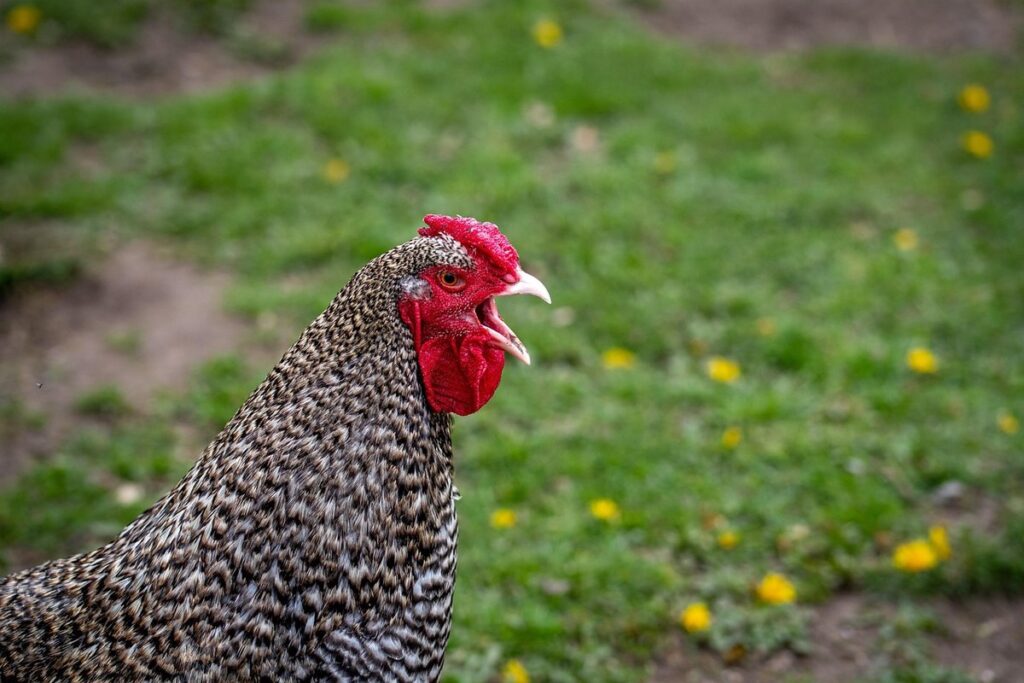
What are Pullets and Cockerels?
Let’s start by defining the basics: pullets are young female chickens, while cockerels are young male chickens, each with their own unique characteristics. We’ll break down what sets them apart in this section.
Definition of Terms
When it comes to raising chickens, understanding the difference between pullets and cockerels is essential. But before we dive into the key distinctions, let’s define what these terms mean.
Pullets are young hens that have not yet reached reproductive maturity. They are typically female chicks that are less than a year old and have not started laying eggs yet. The ideal age range for pullets is between 16 to 24 weeks, during which they develop their egg-laying abilities. At this stage, pullets need proper care, nutrition, and management to ensure they grow into healthy layers.
Cockerels, on the other hand, are young roosters that have not yet reached full maturity. They are typically male chicks that are less than a year old and are known for their energetic and loud behavior. The ideal age range for cockerels is between 16 to 20 weeks, during which they develop their vocal skills and social behavior.
Understanding these definitions will help you provide the right care and attention to your pullets and cockerels as they grow and mature into adult chickens.
Importance of Understanding the Difference
Understanding the difference between pullets and cockerels is crucial for anyone involved in raising chickens. Whether you’re a backyard chicken keeper, a breeder, or an enthusiast, knowing whether you have a pullet or a cockerel can make all the difference in their care and management.
For instance, if you’re planning to raise your birds for meat production, it’s essential to know that males (cockerels) typically mature faster than females (pullets). This means they’ll be ready for slaughter earlier, which can impact your marketing strategy and sales timeline. Conversely, if you’re breeding chickens, understanding the sex of your birds is vital to prevent unwanted broodiness in your pullets.
Moreover, recognizing the difference between pullets and cockerels helps you make informed decisions about their housing, feeding, and health care. For example, males require more space and exercise than females due to their larger size and energetic nature. By knowing whether you have a pullet or a cockerel, you can provide the best possible environment for your birds, ensuring their well-being and maximizing their potential.
Physical Characteristics: Key Differences
When it comes to identifying pullets and cockerels, some key physical characteristics come into play. Let’s explore these differences up close.
Size and Weight
When it comes to size and weight, one of the most noticeable differences between pullets and cockerels is their growth rates. Pullets tend to grow slower than their male counterparts, taking around 18-20 weeks to reach maturity compared to 16-17 weeks for cockerels. This difference in growth rate can be attributed to hormonal influences, as males typically experience a surge in testosterone levels that promotes faster growth.
In terms of mature weights, pullets usually top out at around 4-5 pounds (1.8-2.3 kg), while cockerels can reach up to 6-7 pounds (2.7-3.2 kg). However, these are general estimates and individual birds may vary depending on factors such as breed, nutrition, and overall health.
To give you a better idea of what to expect, consider the following: if you’re raising Leghorns or other lightweight breeds, pullets will likely be slightly larger than cockerels. On the other hand, heavier breeds like Orpingtons may exhibit less pronounced size differences between males and females. By understanding these growth patterns, you can better plan for the nutritional needs of your flock and anticipate when to expect peak production.
Plumage and Feathers
When it comes to plumage and feathers, pullets and cockerels exhibit distinct differences that can be observed with a keen eye. One of the most noticeable distinctions is in their coloration. Pullets tend to have more vibrant and intense colors, often displaying a richer shade of brown or black, while cockerels’ plumage may appear duller and less saturated. For instance, a pullet’s feathers might display a deep, rich red hue, whereas its male counterpart would show a more subdued, golden-brown tone.
In terms of texture, pullets’ feathers are generally softer to the touch, with a smoother sheen, while cockerels’ plumage is often coarser and more rugged. This can be attributed to the development of secondary sex characteristics in males, which includes changes in feather structure and growth patterns. Furthermore, cockerels tend to have longer, more flowing feathers, particularly around the neck and tail area, whereas pullets have shorter, more compact feathers.
Observing these differences requires attention to detail, but knowing what to look for can make a big difference when identifying your birds’ sex.
Beak and Leg Shape
When it comes to beak and leg shape, one of the most noticeable differences between pullets and cockerels lies in their physical appearance. Pullets tend to have a more compact body build with shorter legs compared to their male counterparts. This is because they require less energy for muscle development since they won’t need to engage in intense mating displays.
On the other hand, cockerels typically exhibit longer legs and a leaner physique due to their high energy demands from these displays. They also tend to have stronger leg muscles as a result of this increased activity. Beak shape can also be an indicator, with pullets generally sporting a straight or slightly curved beak, whereas cockerels often display a more pronounced curve.
To identify whether you’re dealing with a pullet or cockerel based on beak and leg shape alone, consider the following: examine the length of their legs, looking for any significant differences between them. Next, inspect the curvature of their beaks – if it’s quite pronounced, there’s a higher likelihood that the bird is male.
When breeding chickens, understanding these physical characteristics can help you make more informed decisions about individual birds and even develop targeted strategies to improve your flock overall.
Behavior and Temperament: How They Differ
When it comes to pullets and cockerels, one of the most noticeable differences lies in their behavior and temperament. Let’s explore how these distinct personalities develop over time.
Mating and Breeding Instincts
When it comes to mating and breeding instincts, pullets and cockerels exhibit distinct behaviors that are essential to understand for successful chicken keeping.
Pullets tend to be more aggressive during courtship displays compared to cockerels, displaying dominance by pecking at each other’s faces or necks. In contrast, cockerels often engage in elaborate displays of courtship, such as spreading their tails, shaking their feathers, and performing specific postures. However, these behaviors are not unique to one sex; both pullets and cockerels may exhibit aggression during mating season.
As a chicken keeper, it’s essential to recognize the signs of courtship displays to ensure a safe and healthy environment for your birds. For example, if you notice two birds engaging in intense pecking or feather-shaking, it’s likely they’re entering their reproductive prime. Be aware that introducing new birds to your flock during this time may exacerbate aggression levels.
Some practical tips for managing courtship displays include:
* Spacing pullets and cockerels separately until mating season begins
* Supervising interactions closely, especially in the early stages of courtship
* Providing a safe area for birds to exhibit their natural behaviors without causing harm to others
Aggression Levels
When it comes to aggression levels in pullets and cockerels, there are some key differences worth noting. Generally speaking, pullets tend to be less aggressive than cockerels, especially when they’re young. However, this isn’t a hard-and-fast rule – individual personalities can vary greatly.
One reason why some birds may be more aggressive is due to their upbringing and handling from an early age. If a bird has been handled roughly or kept in stressful conditions, it’s likely to become more aggressive as it matures. On the other hand, birds that have been socialized gently and given plenty of space to roam are more likely to remain calm.
It’s also worth noting that cockerels can be more aggressive due to their natural instinct to dominate and defend themselves from potential threats. This is a result of their genetic makeup as males. However, this doesn’t mean all cockerels will exhibit high aggression levels – temperament is still influenced by individual factors such as environment and upbringing.
When introducing birds to each other, or adding new birds to your flock, it’s essential to monitor their behavior closely for signs of aggression. Be aware of body language cues like raised hackles, hissing, or growling – these can be indicative of stress or aggressive intent.
Social Interactions
When it comes to social interactions, pullets and cockerels exhibit distinct behaviors that are shaped by their individual personalities, experiences, and environmental influences. As they mature, both genders form complex relationships with each other, establishing a pecking order that governs their flock dynamics.
In most flocks, cockerels tend to be more dominant due to their larger size and assertive nature. However, pullets can still hold their own if they’re confident and assertive from an early age. A balanced flock is one where both genders have a voice and are treated equally by the owner.
To establish harmony in your backyard flock, ensure you provide adequate space for all birds to roam and exercise freely. Avoid overcrowding, as this can lead to aggressive behavior among birds of both sexes. By promoting social cohesion and offering plenty of enrichment activities, you’ll create an environment where pullets and cockerels coexist peacefully.
Observe the behavior of your flock closely and step in when necessary to prevent bullying or harassment. With patience, consistency, and a deep understanding of their individual needs, you can help foster a harmonious social atmosphere that benefits both pullets and cockerels alike.
Health Considerations: Unique Needs
When it comes to raising healthy pullets and cockerels, it’s essential to consider their unique needs, particularly when it comes to nutrition and disease prevention.
Nutrition and Diet
When it comes to nutrition and diet, pullets and cockerels have distinct needs that differ from each other. Pullet diets are formulated specifically for young hens, emphasizing calcium-rich foods to support eggshell development and strong bone growth. A diet high in calcium (around 20-25 grams per kilogram of feed) is essential during this stage.
On the other hand, cockerels require more protein in their diet to promote muscle growth and strength. Cockerel diets typically contain around 15-18% protein, whereas pullet diets have a slightly lower protein content (12-14%). Moreover, cockerels need less calcium as they do not lay eggs.
Inadequate nutrition can lead to issues such as eggshell defects in pullets or stunted growth and poor muscle development in cockerels. Make sure to provide the correct feed for your birds based on their age, sex, and breed specifications. Consult with a veterinarian or experienced breeder if you’re unsure about feeding your flock.
It’s also crucial to ensure access to fresh water at all times. A clean drinking source can prevent diseases related to poor hydration.
Disease Susceptibility
When it comes to health considerations, disease susceptibility is a crucial aspect of pullet vs cockerel differences. Pullet chicks, being female, are generally more prone to certain diseases due to their reproductive system’s development. One common illness affecting pullets is Marek’s disease, which can lead to paralysis and death if left untreated. Cockerels, on the other hand, are less susceptible to this disease but may be more prone to respiratory infections.
To mitigate these risks, it’s essential to implement proper vaccination protocols and maintain a clean living environment for your birds. This includes regular cleaning of coops, providing adequate ventilation, and ensuring proper nutrition. A balanced diet rich in vitamins and minerals can help boost your flock’s immunity. For example, adding oyster shells or crushed eggshells to their feed can provide essential calcium and promote strong bone growth.
Regular health checks and monitoring for signs of illness are also vital. Keep an eye out for symptoms such as lethargy, labored breathing, or unusual droppings. Early detection and treatment can significantly reduce the risk of disease spread within your flock.
Vaccination Recommendations
When it comes to vaccination recommendations for pullets and cockerels, understanding the differences is crucial. Poultry owners should consult with a veterinarian to determine the best vaccination schedule for their flock.
Typically, a standard vaccination program for chickens includes vaccinations against Newcastle disease (ND), Infectious Bronchitis (IB), and Infectious Coryza (IC). For pullets, it’s recommended to start vaccinations at around 4-6 weeks of age. The first shot is usually administered, followed by booster shots every 2-3 weeks until the bird reaches 16-18 weeks of age.
For cockerels, the vaccination schedule may vary depending on the breed and intended use. Some breeds, like those raised for meat production, may require additional vaccinations against diseases such as Avian Encephalomyelitis (AE). It’s essential to consult with a veterinarian to determine the specific needs of your flock.
In addition to vaccinations, maintaining good biosecurity practices is crucial in preventing disease outbreaks. This includes isolating new birds, disinfecting equipment and living areas, and ensuring proper ventilation. By following these guidelines, you can help protect your flock from potential health risks.
Breeding and Selection: Factors to Consider
When selecting birds for breeding, you’ll want to consider factors such as temperament, fertility rates, and egg production potential, all of which vary between pullets and cockerels.
Selecting Breeding Stock
When it comes to selecting breeding stock for your flock, it’s essential to consider the specific traits you’re looking for. If you’re interested in egg-laying ability, look for pullets that have been raised on a high-protein diet and have access to adequate light. This will help stimulate their reproductive development. You can also select breeding stock based on their parentage, selecting sires with a proven track record of passing on desirable traits.
For meat production, consider the breed’s growth rate, feed efficiency, and muscle structure. Some popular breeds for broiler production include Cornish Cross and Ross 308. When evaluating feather quality, look for birds with well-developed feathers, good coverage, and minimal molt. Regular maintenance such as keeping coops clean and providing adequate ventilation can also promote healthy plumage.
It’s also crucial to consider the genetics of your breeding stock. Selecting birds from a diverse gene pool can help reduce inbreeding and promote overall health. When evaluating potential sires or dams, look for signs of robust health, good egg production (for females), and desirable characteristics such as rapid growth or feather quality.
Genetic Diversity
Maintaining genetic diversity is crucial for the health and productivity of your flock. When you breed chickens, you’re not just selecting for desirable traits like egg-laying ability or feather quality – you’re also shaping the long-term viability of your flock.
To promote genetic variation through selective breeding, consider implementing a rotational breeding program. This involves rotating your breeding stock on a regular basis to introduce new genetics into the fold. For example, if you typically breed pullets from one particular line, try incorporating some cockerels from a different line to inject fresh genetic material into the mix.
Another strategy is to maintain a diverse gene pool through the use of multiple sire lines and dams. This helps prevent inbreeding, which can lead to reduced fertility, slower growth rates, and increased susceptibility to disease. By keeping your breeding program diverse, you’ll be better equipped to adapt to changing environmental conditions and emerging health threats.
By prioritizing genetic diversity, you’ll not only ensure the long-term health of your flock but also maintain a competitive edge in terms of egg production, growth rates, and overall performance.
Breed-Specific Characteristics
When deciding between pullets and cockerels for specific purposes, it’s essential to consider breed-specific characteristics. Different breeds exhibit varying traits that can impact their suitability for your needs.
For example, if you’re looking for a chicken breed for egg production, some breeds like Leghorns or Rhode Island Reds are known to be prolific layers, with pullets being more inclined towards this trait. However, other breeds like Orpingtons or Plymouth Rock cockerels may excel in meat production, making them a better choice if you’re raising chickens for meat.
Similarly, certain breeds are better suited for backyard flocks due to their temperament and size. Bantam breeds, which include both pullets and cockerels, are ideal for smaller spaces as they require less room to roam and are often more docile.
When selecting a breed, research its specific characteristics, including growth rates, egg-laying abilities, and temperament, to ensure it aligns with your intended use. This will help you make informed decisions when choosing between pullets or cockerels for your flock.
Frequently Asked Questions
Can I start breeding cockerels if I don’t have a rooster already?
Yes, it’s possible to start with pullets or chicks of breeds that are known for their docile nature and manageable size, making them suitable for small flocks without a resident rooster. However, be aware that introducing new birds can lead to conflicts, so it’s essential to gradually integrate them into your existing flock.
How do I handle aggression levels in my pullets or cockerels?
Aggression is often a result of inadequate space, poor nutrition, or lack of socialization. Ensure adequate space for exercise and perching areas, provide a balanced diet, and consider introducing enrichment activities like puzzle feeders to stimulate their minds. Also, observe your birds’ behavior and separate any aggressive individuals from the rest.
Can I raise pullets or cockerels in small backyard spaces?
Pullets can thrive in smaller spaces with proper care and attention, but cockerels require more space due to their energetic nature. If you have a small yard, focus on raising pullets and consider using vertical growing methods like chicken coops or elevated feeding areas.
What are some common health issues I should be aware of when raising pullets or cockerels?
Both pullets and cockerels can be susceptible to respiratory problems due to poor ventilation. Ensure good airflow in your coop, keep your flock up-to-date on vaccinations, and maintain a balanced diet rich in vitamins and minerals.
How do I determine the optimal age for breeding my pullets or cockerels?
The ideal breeding age for chickens varies depending on breed and purpose. Generally, most breeds reach reproductive maturity between 24 to 30 weeks of age. Be sure to research specific requirements for your flock’s breed and intended use (laying hens or breeding stock) before making a decision.