
If you’re raising backyard chickens, it’s essential to understand the key differences between pullets and hens. While these terms are often used interchangeably, they actually refer to distinct stages in a chicken’s life cycle. Pullets are young female chickens that have not yet reached maturity, whereas hens are mature females capable of laying eggs. Knowing the characteristics of each can help you provide optimal care for your flock, from nutrition and health to management and breeding.
This article will explore the physical, behavioral, and reproductive differences between pullets and hens, covering everything you need to know to ensure a thriving backyard chicken coop. We’ll delve into the growth patterns, egg-laying abilities, and social dynamics of each type of female chicken, providing practical tips for raising healthy, happy birds that meet your needs for eggs or companionship.
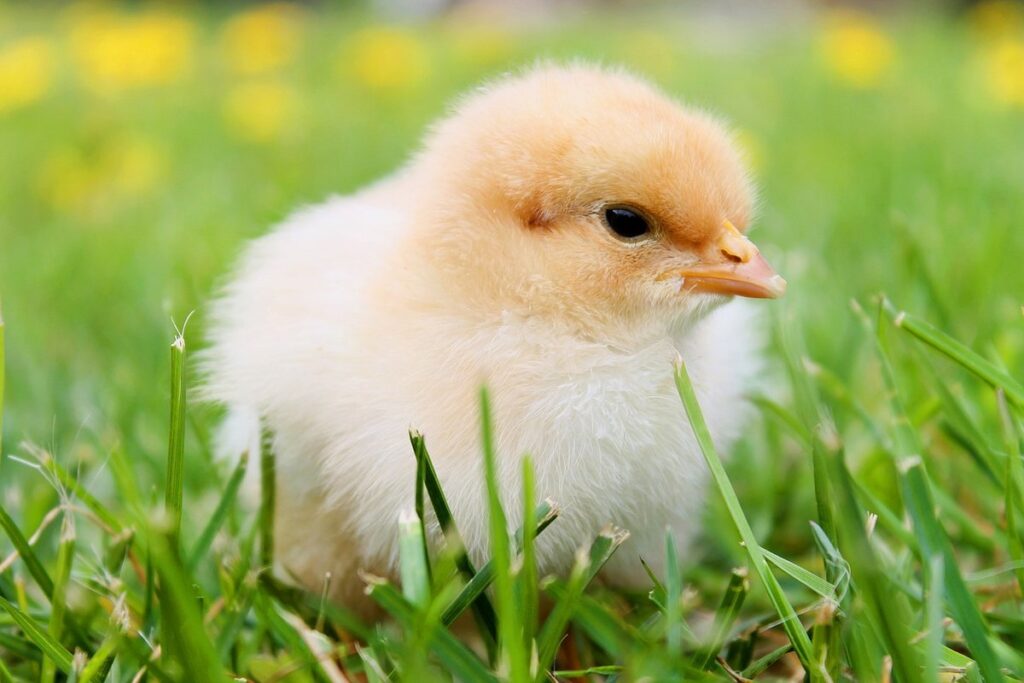
What are Pullets and Hens?
When it comes to raising female chickens, understanding the difference between pullets and hens is crucial for proper care and management. Let’s start by defining what each term means.
Definition of Terms
When it comes to discussing female chickens, two terms often come up: pullet and hen. To understand the difference between these two types of birds, let’s start with their definitions.
A pullet is a young female chicken that has not yet reached maturity. She is typically under 1 year old and is still growing. Pullets are often raised for egg production, as they begin laying eggs at around 18-24 weeks of age. They are usually smaller in size than mature hens and have a more delicate appearance.
On the other hand, a hen is a mature female chicken that has reached full growth and is able to lay eggs regularly. Hens are typically over 1 year old and have a more substantial build than pullets. They may also exhibit behaviors such as foraging, scratching, and clucking, which are characteristic of older hens.
It’s essential to note that these terms refer specifically to female chickens, and the definitions can vary slightly depending on breed or species. However, in general, understanding the age range and characteristics of both pullets and hens will help you better care for your flock and manage their egg-laying capabilities.
Importance of Knowing the Difference
Understanding the difference between pullets and hens is crucial for anyone looking to raise healthy and productive female chickens. As a backyard chicken keeper or farmer, you want to ensure that your flock is thriving, laying eggs consistently, and living long, happy lives. The distinction between these two stages of a chicken’s life has significant implications for their care, management, and overall well-being.
Knowing the difference can help you tailor your feeding strategy, as pullets require more protein-rich feed than hens, which need a balanced diet to maintain egg production. Additionally, recognizing the signs of puberty in pullets allows you to provide them with adequate space and social interaction to reduce stress and aggression. By understanding these differences, you can also identify potential health issues earlier on, such as reproductive problems or egg laying abnormalities.
Ultimately, taking the time to learn about the characteristics and needs of both pullets and hens will enable you to create a harmonious and productive flock that brings joy and benefits to your family and community.
Physical Characteristics of Pullets vs Hens
When it comes to pullets versus hens, one of the easiest ways to tell them apart is by their physical characteristics. Let’s take a closer look at some of the key differences in plumage and overall appearance.
Age-Related Changes in Pullet Development
As pullets grow into young hens, significant physical changes occur that set them apart from mature hens. One of the most notable transformations is feather growth. At around 16-20 weeks, pullets experience a rapid molt, where they shed their juvenile feathers and replace them with adult plumage. This process can be messy, but it’s essential for establishing their mature coat.
During this time, weight gain also becomes more pronounced. Pullets typically reach maturity at around 24-26 weeks, when they weigh between 4-6 pounds. At this stage, they begin to exhibit more defined breast and thigh muscles, which are crucial for egg production.
Reproductive development is another critical aspect of pullet growth. By 18-20 weeks, pullets start to produce eggs in small quantities, a process called “soft-pip.” As they mature, their reproductive system becomes fully functional, allowing them to lay large numbers of eggs at peak efficiency. Keep in mind that some breeds may take longer than others to reach maturity, so it’s essential to consult breed-specific guidelines for optimal growth and development.
Differences in Size and Build Between Pullets and Hens
As pullets mature into hens, one of the most noticeable physical changes is their size and build. Young female chickens, typically between 16 to 24 weeks old, are referred to as pullets. They are still developing their adult features and tend to be smaller and lighter in weight compared to their mature counterparts.
In contrast, fully grown female chickens, known as hens, have reached their maximum height and weight. Hens can grow up to 12-14 inches (30-35 cm) tall, while pullets typically reach around 9-11 inches (23-28 cm) in height. Additionally, hens’ wing spans are generally larger than those of pullets, allowing them to fly more efficiently and navigate complex roosts.
Another key distinction lies in tail length. Hens’ tails are often longer and more robust than those of pullets, which can be relatively shorter and less feathery. The body shape of hens also tends to become more curvaceous as they mature, with a wider chest and hips compared to the slenderer build of young pullets.
These physical changes are not only aesthetically noticeable but also reflect the bird’s increased strength, durability, and reproductive capacity. By recognizing these differences, you’ll be better equipped to care for your flock members at various stages of their development.
Behavior and Temperament of Pullets vs Hens
When comparing pullets and hens, their behavior and temperament are particularly notable differences that can impact your interactions and care for these birds. Let’s explore how their personalities evolve over time.
Early Behavior Patterns in Pullet Development
As pullets begin to develop into hens, their behavior undergoes significant changes. One of the most notable differences is in their foraging habits. Young pullets tend to be more impulsive and scatterbrained when searching for food, often resulting in wasted resources and missed opportunities. They may also exhibit a higher level of aggression while competing for feed, which can lead to social conflicts within the flock.
In contrast, mature hens are generally more efficient and methodical in their foraging behaviors. They tend to work together to explore their surroundings and locate food sources, promoting a sense of cooperation and social harmony within the group. This difference in behavior is largely due to the pullet’s lack of life experience and maturity.
To encourage healthier social dynamics among your young pullets, it’s essential to establish clear guidelines for feeding and foraging practices early on. Provide separate feeding areas for each flock member, and ensure that feeders are placed at accessible locations to reduce competition. By doing so, you can help create a more harmonious and stress-free environment for your developing hens.
Maturation and Its Impact on Hen Behavior
As pullets mature into hens, their behavior undergoes significant changes. At around 18-24 weeks of age, hens start to exhibit more confident and assertive behaviors compared to their younger counterparts. This is largely due to their increased experience and exposure to various situations within the flock.
One notable change is in their foraging behavior. Mature hens tend to be more efficient and thorough in searching for food, often remembering where they found specific resources previously. In contrast, pullets may still be learning what edible plants and insects are available in the yard or coop. As a result, experienced hen owners can observe which areas of the run or garden receive the most attention from their mature hens.
This confidence also translates to other aspects of social behavior within the flock. Mature hens often take on leadership roles, establishing dominance hierarchies and setting an example for younger birds.
Reproductive Differences Between Pullets and Hens
When it comes to reproductive capabilities, pullets and hens exhibit distinct differences that are crucial for backyard chicken keepers to understand.
As a responsible flock owner, you’ll want to know how these variations impact your birds’ health and egg-laying abilities.
Onset of Egg-Laying in Pullets
As pullets transition from adolescence to adulthood, they begin preparing their reproductive systems for egg-laying. This process is triggered by an increase in daylight hours and can be influenced by factors such as breed, nutrition, and genetics.
In most breeds, the onset of egg-laying typically occurs between 16 to 24 weeks of age. At this point, the pullet’s ovaries begin to mature, and she starts producing eggs. However, some pullets may start laying earlier or later than their peers due to individual differences in development.
A few factors can contribute to early or delayed egg production. For instance, a pullet that is fed a diet rich in protein and calcium will be more likely to begin laying eggs at a younger age. On the other hand, inadequate nutrition or stress can delay this process. Additionally, some breeds are naturally more prone to early laying than others.
It’s essential for breeders and backyard chicken owners to recognize the signs of egg production, such as the appearance of pubic feathers, vocalization changes, and increased activity levels. By doing so, they can better anticipate when their pullets will start laying eggs and make necessary adjustments to ensure a smooth transition into adulthood.
Fertility and Broodiness in Mature Hens
As hens mature, they undergo significant changes that can impact their reproductive capabilities. One notable shift is the increase in fertility rates. Mature hens tend to lay larger and more consistent eggs, which can lead to higher fertility rates compared to young pullets.
Broodiness, another characteristic of mature hens, is a natural behavior where they exhibit strong maternal instincts, often accompanied by changes in their physical appearance. They may puff out their feathers, become more sedentary, and focus on nesting. While broodiness can be beneficial for some breeds, it’s essential to note that not all chickens will display this trait.
To encourage fertility and minimize the risk of broodiness, consider providing your mature hens with adequate nutrition, exercise, and a balanced environment. Aiming for 14-16 hours of daylight can help regulate their reproductive cycle and reduce the likelihood of unwanted behaviors.
In some cases, breeders may intentionally induce broodiness in certain breeds to promote egg production or to encourage natural mating behaviors. If you’re experiencing issues with fertility or broodiness in your flock, consult with a veterinarian or experienced breeder for personalized guidance.
Health Considerations for Pullets vs Hens
When it comes to raising pullets versus hens, understanding their unique health needs is crucial. This section will explore the key differences in healthcare considerations between these two stages of a female chicken’s life cycle.
Nutritional Needs at Different Life Stages
As pullets grow into hens, their nutritional needs undergo significant changes. It’s essential to provide them with a balanced diet that meets their increasing requirements for protein, calcium, and other essential nutrients. Pullets, between 16 and 24 weeks old, need more protein than hens to support rapid growth and development. A minimum of 18% protein content is recommended in their feed during this stage.
As they mature into hens, around 30-40 weeks old, the protein requirement decreases to about 15%. However, calcium supplements become crucial for hens, especially those producing eggs regularly. A hen’s body will absorb calcium from feed, which helps strengthen eggshells and maintain bone health. The recommended calcium content is at least 1.5% in their feed.
To ensure optimal nutrition, consider adding a layer feed to your pullet’s diet around four weeks before they start laying eggs. This gradual transition will help them adjust to the new nutrient profile. Remember that every flock is unique, and individual nutritional needs may vary depending on factors like breed, climate, and production level.
Common Health Issues Affecting Pullets and Hens
As you work with your flock of female chickens, it’s essential to be aware of common health issues that can affect either pullets or mature hens. Egg binding is a significant concern for both age groups, particularly if your birds are experiencing difficulty laying eggs due to various factors such as improper nesting boxes, inadequate calcium intake, or excessive egg production.
Respiratory infections, including air sac mites and histomoniasis (blackhead disease), can also impact pullets and hens. These issues often arise from stress, poor ventilation, and unsanitary living conditions. Regular health checks, vaccinations, and a balanced diet rich in nutrients will help minimize the risk of such diseases.
Parasite infestations are another common issue affecting female chickens across both age groups. Mites, lice, and ticks can cause discomfort, weight loss, and reduced egg production. Keeping your coop clean, using diatomaceous earth or other organic pest control methods, and monitoring your flock regularly will help prevent parasite infestations.
Early recognition of these health issues is crucial for providing timely interventions and preventing further complications.
Managing Your Flock: Tips for Backyard Chicken Keepers
As a backyard chicken keeper, managing your flock’s growth and development is crucial to maintaining their health and happiness. Here are some essential tips on caring for pullets as they mature into hens.
Integrating New Birds into the Flock
When integrating new pullets or hens into an existing flock, it’s essential to consider age compatibility. Introducing young pullets (typically under 6 months old) to mature hens can be challenging, as the older birds may view them as prey. Conversely, mixing adult hens with younger pullets can create tension and lead to bullying.
To ensure a smooth transition, aim for size matching between new additions and existing flock members. For example, introducing several pullets together can help distribute stress among the group. Alternatively, adding one or two mature hens to an established flock of young birds can provide gentle mentorship.
Socialization techniques are also crucial when integrating new birds. Allow both old and new flock members to become familiar with each other’s scents by placing their cages next to each other for a few days before introducing them under supervision. Monitor the flock’s behavior closely, intervening if necessary to prevent conflicts or establish clear pecking orders.
Creating a Healthy Environment for All Flock Members
When creating a harmonious living space for both young pullets and mature hens, it’s essential to consider their unique needs. Pullets require more attention to ventilation and predator control as they are more vulnerable to predators due to their size and curiosity. A well-designed coop with adequate ventilation can help prevent respiratory issues and keep your flock healthy.
Consider incorporating windows or vents that allow for airflow while keeping out pests. Predator control measures such as fencing, netting, or guard animals can also provide peace of mind. Mature hens, on the other hand, need more space to roam and exercise, so consider adding a run or enclosed area for them to stretch their wings.
It’s crucial to strike a balance between providing enough space and resources for both age groups. A good rule of thumb is to ensure each chicken has at least 3-4 square feet of space per bird in the coop and 8-10 square feet in the run. By considering these factors, you can create a thriving environment that meets the needs of all flock members, regardless of age or size.
For example, a simple way to upgrade your coop design is by installing a roosting bar for hens to perch on at night, reducing competition for floor space and providing an easy way for pullets to learn from their elders.
Frequently Asked Questions
What’s the average lifespan of a pullet, and how does it compare to that of a mature hen?
The lifespan of a chicken varies, but most backyard chickens live between 5-7 years. Pullets typically have an average lifespan of 3-5 years, depending on breed, nutrition, and health conditions. Hens can live longer than pullets due to their maturity and ability to adapt to changing environments.
Can I keep both pullets and hens together in the same flock, or is it best to separate them?
While some chicken keepers successfully integrate pullets and hens into the same flock, it’s essential to consider the age gap and potential pecking order issues. Younger birds may be bullied by older, more dominant hens. It’s recommended to introduce new pullets at a slow pace and under close supervision to minimize conflicts.
How often should I provide vaccinations for my backyard chickens, especially if they’re young pullets?
Regular vaccinations are crucial to prevent diseases in your flock. Consult with a veterinarian or experienced chicken keeper to determine the best vaccination schedule for your specific breed and location. Typically, pullets need their first vaccinations around 14-16 weeks old, followed by booster shots every 3-4 months.
What’s the ideal ratio of females to males in my backyard chicken coop, considering both pullets and hens?
The ideal sex ratio varies depending on egg production goals and individual breed characteristics. A general rule of thumb is 2-3 females for every 1 male. This balance helps maintain social harmony while minimizing aggression and stress within the flock.
Can I start breeding my chickens for egg production, or do I need more experience with mature hens?
Breeding chickens requires careful consideration, expertise, and proper planning. It’s generally recommended to have at least 2-3 years of experience raising healthy hens before attempting to breed your flock. This allows you to understand the specific needs of each breed and develop strategies for optimal egg production and chick rearing.