
As you consider adding to your farm or homestead, you’re likely weighing the pros and cons of various types of chickens. One key decision is whether to raise pullets or hens – but what’s the difference between these two terms? Simply put, a pullet is an immature female chicken under one year old, while a hen is an adult female chicken over one year old. But there are many more differences beyond just age and maturity. In this article, we’ll delve into the characteristics, behavior, and benefits of keeping both pullets and hens on your farm or homestead. Whether you’re an experienced farmer or just starting out, understanding these differences will help you make informed decisions about which type of chicken is best for you – and how to get the most out of your flock.
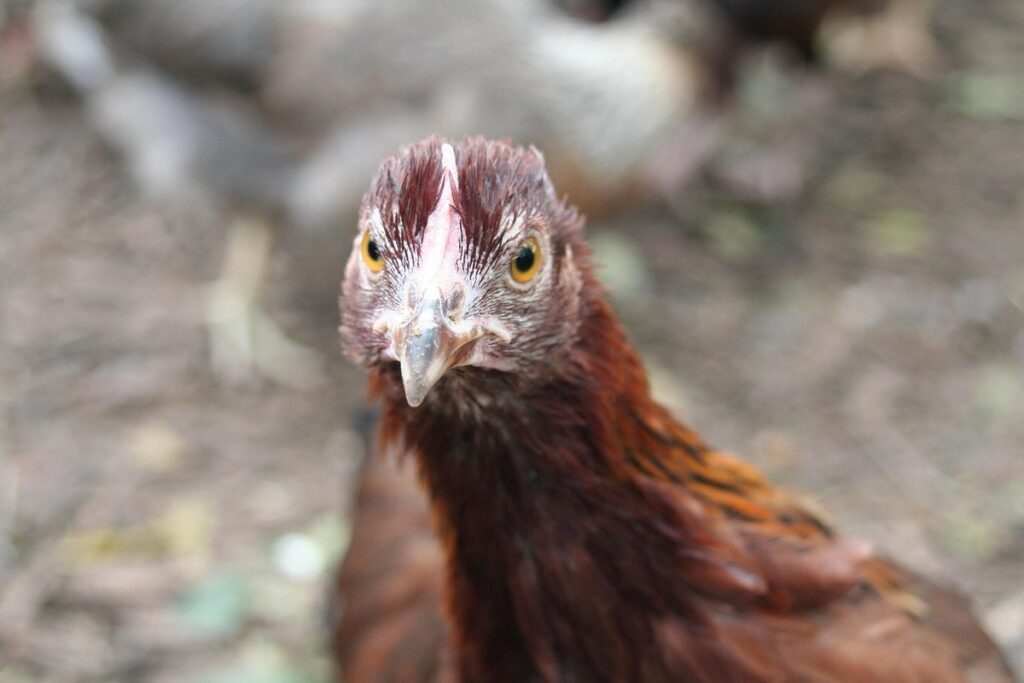
What is a Pullet?
Let’s dive into what exactly a pullet is, and how it differs from other types of chickens. We’ll explore the characteristics that set pullets apart.
Definition of a Pullet
A young female chicken is referred to as a pullet, typically up until her first birthday. This term is widely used by poultry farmers and breeders to distinguish juvenile females from mature hens. For instance, when ordering chicks online, you may notice that the sex of the birds is specified as either pullets or cockerels.
When purchasing young chickens for your backyard flock, it’s essential to know whether you’re getting a pullet or a hen. Pullet growth rates and development are faster than those of hens, which can be beneficial for breeders looking to raise multiple generations of birds quickly. In contrast, farmers may prefer to keep their female stock as pullets until they reach maturity, at which point they will begin laying eggs.
To determine whether you’re dealing with a pullet or hen, look for the age and development stage of the bird. Typically, pullets are under 12 months old, while hens have reached sexual maturity and begin producing eggs around this time.
Characteristics of Pullets
When it comes to pullets, you can expect to see some distinct physical characteristics that set them apart from mature hens. One of the most noticeable differences is size and weight. Pullets are typically younger birds, ranging in age from 16 to 24 weeks old. At this stage, they usually weigh between 2-4 pounds (0.9-1.8 kg) and stand about 12-14 inches (30-35 cm) tall.
Their plumage is also an important distinguishing feature. Pullets often have a more subdued coloration than mature hens, with some breeds displaying a duller or less vibrant feathering. For example, a pullet might display a fainter version of the golden hues seen in a mature Leghorn hen. Beak shape and size are another trait worth noting – young pullets tend to have slightly smaller beaks compared to their adult counterparts.
Keep in mind that these physical characteristics can vary depending on the breed and age of your chicken. Some breeds, like Orpingtons or Silkes, might exhibit different traits altogether. Regardless, understanding what to expect from a pullet’s appearance will help you identify them correctly and appreciate their unique development stage.
What is a Hen?
When it comes to egg-laying hens, understanding what defines a hen is crucial to recognizing the different stages of a chicken’s life. Let’s break down the basics of what makes a hen.
Definition of a Hen
A hen is an adult female chicken that has reached its full maturity, typically after one year of age. This distinction is crucial for poultry farmers and breeders who need to differentiate between young females (pullets) and mature females (hens).
To determine if a bird is a hen or not, consider the following factors: age, reproductive maturity, and plumage. Hens will have fully developed ovaries and will be able to lay eggs regularly. They also tend to develop distinct physical characteristics such as feather coloration and arrangement.
Poultry farmers often use the term ‘hen’ to describe their mature laying hens. These birds are valued for their egg-laying abilities, with some breeds capable of producing up to 300 eggs per year. Breeding programs focus on selecting hens that exhibit desirable traits like high egg production, docile temperament, and disease resistance.
For backyard chicken keepers, knowing whether you have a hen or not is essential for planning and care. Hens require a balanced diet, regular health checks, and proper housing to ensure their well-being and optimal performance.
Characteristics of Hens
When it comes to identifying a hen, several physical characteristics come into play. The size and weight of a hen can vary significantly depending on its breed and age. For instance, some breeds like the Leghorn can grow up to 18 inches tall and weigh around 4 pounds, while others like the Silkie may only reach 10 inches in height and weigh about 2 pounds.
The plumage of hens is another distinct feature that sets them apart from pullets. Hens typically have fully developed feathers, which can be smooth or fluffy depending on the breed. The color and pattern of their feathers also tend to change as they mature, with many breeds displaying vibrant hues and intricate patterns. Beak shape and size are also important characteristics of hens, with most having a curved or hooked beak that’s well-suited for scratching and pecking at grain.
In terms of identifying hens, it’s essential to note that these physical traits can change over time as they mature. As your pullets grow into hens, you may notice significant changes in their size, plumage, and overall appearance.
Differences Between Pullets and Hens
So, you’re wondering what sets pullets apart from hens? In this next part of our guide, we’ll explore the key differences in their age, behavior, and egg-laying abilities.
Age and Development
As you start raising pullets or hens, it’s essential to understand their age and developmental stages. Pullets are young females that have not yet reached egg-laying maturity, while hens are mature birds capable of producing eggs. The main difference between the two lies in their growth rate and development.
On average, a pullet will take around 16-20 weeks to reach maturity, after which she’ll begin laying eggs. During this period, you can expect her to grow at an incredible rate – some breeds can gain up to 2 pounds per week! However, overfeeding can lead to health issues like obesity, so monitor their intake carefully.
In contrast, hens have reached full maturity and will continue to produce eggs regularly throughout their lives. They may slow down a bit with age but are still incredibly productive layers. If you’re considering raising pullets, it’s crucial to keep them separate from mature hens until they reach the required age for introduction. This helps prevent fighting and stress on both birds.
By understanding these differences, you can provide your flock with optimal care and maximize their egg-laying potential.
Behavior and Temperament
When it comes to behavior and temperament, pullets and hens exhibit distinct differences. Pullets are often more energetic and curious than hens, with a natural instinct to explore their surroundings and investigate new sights and sounds. This curiosity can sometimes lead to mischief, such as pecking at shoes or exploring the coop’s nooks and crannies.
In contrast, mature hens tend to be more laid-back and focused on nesting and egg-laying activities. They may become more settled and less energetic over time, with a greater emphasis on establishing a routine. However, some hens can retain their youthful energy well into maturity, making them just as lively as pullets.
As a backyard chicken keeper, understanding these differences is crucial for creating a harmonious flock dynamic. If you’re introducing new pullets to an existing flock of hens, it’s essential to provide enough space and resources for each bird to thrive. With proper management and attention, you can help your birds develop good habits and reduce stress within the coop.
Benefits of Keeping Pullets vs Hens
While many backyard chicken keepers assume that hens offer more benefits, there are actually some advantages to keeping pullets as well. Let’s explore what they have to offer.
Advantages of Pullets
Keeping pullets on your farm or homestead can offer numerous benefits compared to raising hens. One of the most significant advantages is their potential for higher egg production. Pullets begin laying eggs at a younger age, typically around 16-20 weeks, and reach full production by 24-28 weeks. This allows you to start harvesting eggs sooner, which can be especially beneficial for small-scale farmers or homesteaders who rely on their flock for daily egg needs.
Another advantage of keeping pullets is lower feed costs. Pullets require less feed to produce the same number of eggs as hens, making them a more cost-effective option in the long run. According to research, pullets need about 15-20% less feed than mature hens to achieve similar egg production levels. This translates to significant savings on feed expenses, which can be substantial for large flocks.
When raising pullets, it’s essential to consider their growth and development needs. Provide a balanced diet rich in protein, calcium, and other essential nutrients to support optimal health and fertility.
Advantages of Hens
Keeping hens on your farm or homestead has numerous advantages that make them an excellent choice for many backyard chicken keepers. One of the most significant benefits is their ability to provide a steady supply of eggs throughout the year. Unlike pullets, which take time to mature and begin laying eggs, hens are already egg-laying machines by the time you bring them home.
In addition to providing a constant source of fresh eggs, hens can also serve as guard animals for your flock. They’re naturally protective of their territory and will sound the alarm if they sense any potential threats. This is especially useful if you have predators in your area, such as coyotes or foxes.
Some breeds, like Orpingtons and Brahma, are particularly well-suited to serving as guard animals due to their large size and confident demeanor. By incorporating a few hens into your flock, you can enjoy the benefits of both a steady egg supply and enhanced security for your birds.
Caring for Pullets vs Hens
As you transition from raising pullets to caring for full-grown hens, it’s essential to adjust your approach to meet their changing needs and ensure they remain healthy and happy. This section will cover the key differences in care and management.
Nutrition and Feed Requirements
When it comes to caring for pullets versus hens, their nutritional needs are not identical. Pullets require a diet rich in protein and calcium to support their rapid growth and development during the first year of life. A layer feed that contains around 16-18% protein is ideal for pullets between six months to one year old. As they mature into hens, their dietary requirements shift to prioritize egg production.
At around two years of age, hens’ nutritional needs change again as they begin to lay eggs regularly. They require a balanced diet that includes calcium and phosphorus to maintain strong bone health. A layer feed with 16-18% protein is still suitable, but may need to be supplemented with additional nutrients such as oyster shells or crushed eggshells to support strong eggshell production.
It’s essential to note that over-supplementation can be detrimental to your flock’s health. Be sure to follow the manufacturer’s guidelines and consult with a veterinarian if you have any questions about providing the best possible nutrition for your birds.
Health Considerations
As you care for your pullets and hens, it’s essential to be aware of common health issues that can affect these birds. Prolonged wet conditions, poor sanitation, and overcrowding can lead to parasite infestations such as mites, lice, and ticks. These external parasites not only cause discomfort but also transmit diseases like Newcastle disease and Marek’s disease.
Internal parasites, including worms and coccidiosis, are another concern for pullets and hens. A sudden drop in egg production or lethargy can be signs of internal parasite infestations. Regular deworming and maintaining a clean environment can help prevent these issues.
Injuries from predators, accidents, or fights with other birds are also common health concerns. Pullets and hens may require veterinary attention for injuries to the eyes, wings, or legs. Keep an eye out for signs of stress, such as changes in appetite or behavior, and take immediate action if you notice any unusual symptoms.
Regular vaccinations and health checks can help prevent and detect potential issues early on. Consult with a veterinarian experienced in poultry care to develop a tailored health plan for your flock.
Conclusion: Choosing Between Pullets and Hens
Now that you’ve learned about the benefits of pullets and hens, it’s time to make an informed decision for your flock. Here’s how to choose between these two options for your backyard chicken needs.
Factors to Consider
When deciding between pullets and hens for your farm or homestead, there are several key factors to consider. First and foremost, think about the space you have available. Pullets take up less space than adult hens because they are still growing, so if you’re short on room, starting with pullets can be a great option. However, if you have more space, hens may be a better choice as they’ll produce eggs consistently for several years.
Consider the breed and purpose of your chickens too. Some breeds mature earlier than others, making them ideal for backyard flock owners who want to harvest their birds within 16-18 weeks. Others take longer to mature but offer higher egg production or unique characteristics that might be desirable on your homestead.
Lastly, don’t forget about the cost of raising pullets versus hens. Pullets are often less expensive to purchase initially due to their smaller size and shorter growth period, whereas adult hens can be more costly to acquire. However, when it comes to feed and care costs over time, hens may prove to be a better value if you have the space and resources for them.
Ultimately, weighing these factors will help you decide which type of bird is right for your operation and ensure you get the most out of your flock.
Final Thoughts
When it comes to choosing between pullets and hens for your backyard flock, there are several factors to consider. Ultimately, the decision comes down to your specific needs and circumstances.
If you’re a beginner, starting with pullets can be a great option as they’re often easier to care for and require less maintenance than hens that have been laying eggs for years. On the other hand, if you’re looking for consistent egg production, hens may be the better choice, especially if you’re planning on raising them long-term.
Regardless of which path you choose, make sure to do your research and select breeds that are well-suited to your climate and lifestyle. Consider factors such as temperament, hardiness, and egg-laying capacity when making your decision.
In conclusion, choosing between pullets and hens is all about understanding your needs and preferences. Take the time to weigh the pros and cons of each option, and don’t be afraid to ask for advice from experienced chicken keepers in your area. With careful consideration and planning, you can build a thriving and productive flock that brings joy and benefits to your life.
Frequently Asked Questions
Can I raise pullets and hens together without any issues?
Yes, it’s possible to keep both pullets and hens in the same flock, but it’s essential to ensure they have adequate space, nutrition, and resources. As pullets mature into hens, their personalities and needs may change, so be prepared to adapt your management strategies accordingly.
How long does it take for a pullet to become a productive hen?
The transition from pullet to hen typically occurs between 18-24 months of age, depending on the breed and individual bird. Factors like nutrition, health, and environmental conditions can influence this process, so regular monitoring is crucial.
What are some common mistakes beginners make when raising pullets versus hens?
New chicken keepers often overlook the importance of providing adequate space for growing birds, leading to overcrowding issues. Additionally, failing to adjust feed rations as birds mature can result in nutritional deficiencies or obesity. Be mindful of these potential pitfalls and plan accordingly.
Can I use the same feeding schedule for both pullets and hens?
No, it’s not recommended to follow the same feeding schedule for pullets and hens due to their differing energy needs and growth rates. Pullets require more protein-rich feed during their growing phase, while adult hens may benefit from a balanced layer feed with reduced protein content.
How do I know if my pullet is developing normally?
Regularly inspect your flock’s overall health, noting any signs of stress, illness, or developmental delays. Monitor growth rates, plumage condition, and egg production (if applicable) to ensure your pullets are thriving and on track for a successful transition into adulthood.