
Raising quails for their delicious eggs has become an increasingly popular hobby among backyard chicken enthusiasts. Whether you’re looking to supplement your family’s diet or simply enjoy the thrill of collecting fresh eggs, keeping quails can be a fun and rewarding experience. However, many people are intimidated by the process, unsure where to start or what to expect from these tiny birds. In this comprehensive guide, we’ll take you through everything you need to know about raising quails for eggs, from their fascinating history and breed selection to coop setup, nutrition, and health considerations. By the end of this article, you’ll be well-equipped to raise happy, healthy quails that provide you with a steady supply of fresh, delicious eggs. Let’s get started on this egg-cellent journey together!
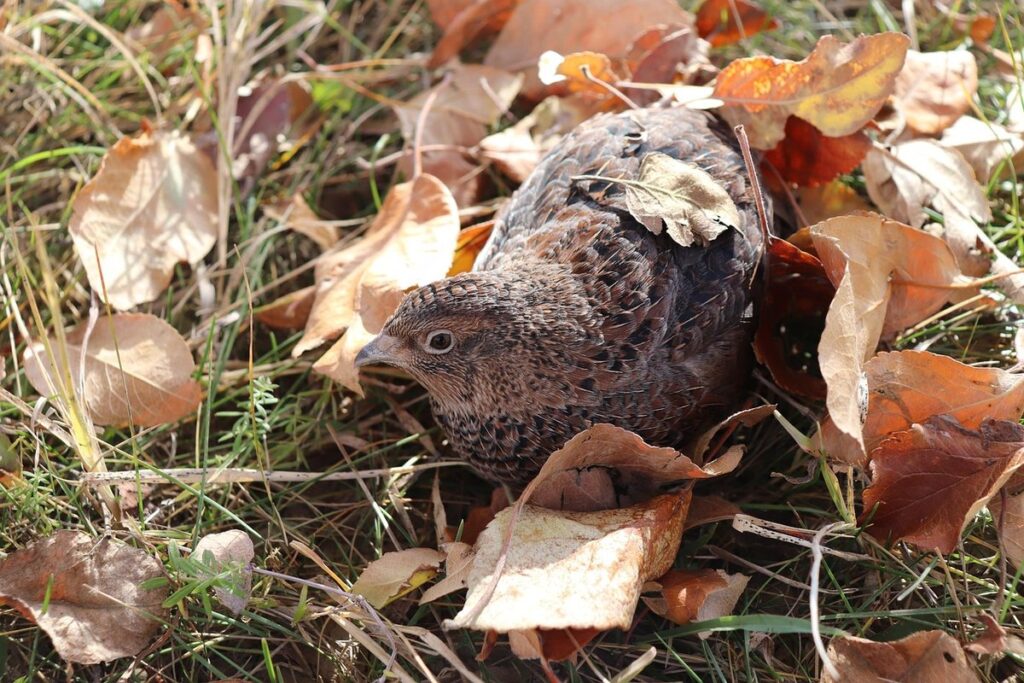
History and Origins of Quails
Let’s take a journey back in time to discover where quails originated, how they’ve evolved over centuries, and what makes these little birds so fascinating.
Introduction to Quails as a Domesticated Species
Quails have been a staple in many cultures for centuries, prized for their unique charm and versatility as both pets and producers of eggs. Originating from the Old World, specifically Asia and Europe, these small birds were first domesticated over 1,000 years ago.
The history of quail domestication is closely tied to that of other poultry species like chickens and ducks. As humans began to settle in one place and establish agriculture, they likely brought back wild quails from their travels as food sources or pets. Over time, these birds were selectively bred for desirable traits such as docility, egg-laying ability, and meat quality.
Today, quails have become increasingly popular among backyard farmers and hobbyists due to their compact size, low maintenance requirements, and impressive egg production. For those new to raising quails, it’s essential to understand that these birds have distinct needs and personalities compared to larger poultry species. By learning about the unique characteristics of quails and how to provide them with optimal living conditions, you can enjoy a rewarding experience as a quail owner or breeder.
Early Adoption of Quails for Egg Production
Quails have been a valuable source of nutrition for centuries, particularly during times of scarcity. In ancient Japan, quail eggs were considered a luxury food and were often served at special occasions such as weddings and festivals. The small size and delicate flavor of the eggs made them an attractive alternative to chicken eggs.
During World War II, quail eggs became increasingly popular in Europe as a substitute for scarce chicken eggs. The eggs were easier to produce and required less feed, making them a more sustainable option. In some areas, quails even became a source of income for farmers who sold their eggs on the black market.
Today, quail eggs are still sought after for their unique flavor and nutritional benefits. They contain twice as much iron as chicken eggs and have a higher yolk-to-white ratio, making them more nutrient-dense. If you’re considering raising quails for egg production, be sure to research local regulations and invest in a reliable coop to ensure the health and well-being of your birds.
Choosing the Right Quail Breed
When it comes to raising quails, selecting the right breed is crucial for their health and egg-laying abilities. Let’s explore the characteristics of popular breeds to make an informed decision.
Factors to Consider When Selecting a Quail Breed
When selecting a quail breed, there are several key factors to consider. One of the most important is egg-laying capacity. Some breeds, like the Coturnix and Button Quails, are prolific layers producing up to 300 eggs per year, while others may lay only around 100-150 eggs annually.
Temperament is another crucial consideration. If you’re a beginner or have young children, it’s essential to choose a breed known for being friendly and docile, such as the Japanese Quail or the Chinese Painted Quail. These breeds are generally easy-going and won’t be aggressive when handled.
Ease of care is also a vital factor in selecting a quail breed. Some breeds require more maintenance than others, with specific dietary needs and environmental requirements. For example, some breeds may need specialized lighting or temperature control to thrive. Research the specific needs of each breed before making a decision.
Popular Quail Breeds for Backyard Keeping
If you’re new to quail keeping, choosing the right breed for your backyard farm can be overwhelming. Fortunately, some popular breeds stand out from the rest due to their unique characteristics and requirements that make them ideal for small-scale farming.
For instance, the Japanese Coturnix is one of the most widely kept quail species in the world. They’re known for their high egg production, with an average of 300 eggs per year, making them perfect for those who want a steady supply of eggs. Another popular breed is the California White, which is prized for its docile nature and friendly demeanor.
Other notable breeds include the Chinese Painted Quail, with its vibrant coloration and ability to thrive in small spaces, and the Button Quail, known for its striking appearance and relatively low-maintenance care requirements. When choosing a quail breed for your backyard farm, consider factors like egg production, temperament, and space needs.
Some quail breeds also require special considerations, such as socialization with other birds or provision of specific diets. Researching the breed you’re interested in can help ensure that you meet their unique needs and provide them with a happy, healthy environment.
Setting Up Your Quail Coop
When setting up your quail coop, it’s essential to consider space, ventilation, and security to create a happy and healthy environment for your birds. Let’s get started on designing the perfect home for your feathered friends!
Design Considerations for a Quail-Friendly Coop
When designing a quail-friendly coop, it’s essential to prioritize their specific needs. Quails are social birds and thrive in flocks, so a spacious coop with adequate ventilation is crucial. Consider a minimum of 2-3 square feet per bird for adults and 1-2 square feet for juveniles.
Quails also require protection from predators, such as hawks and raccoons. Ensure the coop has secure doors and windows, and consider adding hardware cloth or chicken wire to cover any gaps. A solid roof is also necessary to shield them from harsh weather conditions.
Good ventilation is vital in a quail coop, as these birds are prone to respiratory issues. Install windows and vents that allow for airflow while keeping predators out. You can also use a fan to circulate air and keep the coop cool during hot months.
When choosing materials for your coop, opt for durable and easy-to-clean options like metal or plastic. Avoid using wood, as it can harbor mites and other parasites that target quails.
Essential Equipment for a Functional Quail Coop
When setting up your quail coop, it’s essential to provide your birds with the necessary equipment and materials for a healthy and happy life. A fully functional quail coop should have several key components.
First, you’ll need nesting boxes where your quails can lay their eggs safely and comfortably. You’ll want at least one box per 5-7 birds, so make sure to install enough boxes to accommodate your flock size. The nesting boxes should be about 6-8 inches wide, 6-8 inches deep, and 12-18 inches tall.
Next, you’ll need feeders that allow your quails to eat easily without making a mess. You can choose from a variety of feeder types, such as hanging feeders or trough feeders, depending on your coop design. Make sure the feeders are clean and easy to access for cleaning.
You’ll also want to provide perches where your quails can roost at night or during the day when they need to rest. The perches should be sturdy and spaced far enough apart to prevent fighting among the birds.
In addition, consider adding a watering system that’s easy for the quails to access without having to bathe in their drinking water. A simple hanging waterer or a deep pan with a water dispenser can work well.
Feeding and Nutrition
When it comes to raising healthy quail, providing a balanced diet is crucial for their well-being and egg production. In this section, we’ll cover the essential nutrition and feeding guidelines you need to know.
A Balanced Diet for Healthy Quails
Providing a balanced diet for your quails is crucial to maintaining their overall health and well-being. Quails are small birds with high metabolisms, so they require a constant supply of nutrients to stay healthy.
Quails need a diet rich in protein, calcium, and other essential vitamins and minerals. You can provide them with a mix of commercial quail feed, which is specifically formulated for their nutritional needs, along with supplements such as mealworms or crickets. Fresh vegetables like kale, spinach, and carrots are also great additions to their diet.
A recommended feeding schedule is to offer your quails about 15-20% of their body weight in food each day. For example, if you have a quail that weighs 1 pound, it should eat around 2-3 ounces of food daily. Divide this amount into 2-3 meals to prevent overeating and ensure they always have access to fresh water.
Remember to vary your quails’ diet seasonally by offering different types of fruits and vegetables. This will not only provide them with essential nutrients but also help keep their digestive system healthy and functioning properly.
Tips for Supplementing Your Quails’ Diet
Quails require a balanced diet to maintain optimal health, but sometimes their commercial pellets may not provide all the necessary nutrients. Supplementing their diet with fresh fruits and vegetables can be an excellent way to give them the extra boost they need.
When choosing fresh foods for your quails, consider offering leafy greens like kale, spinach, or collard greens. These are rich in vitamins A, C, and K, as well as minerals like calcium and iron. You can also provide sliced carrots, sweet potatoes, or apples to add some variety to their diet.
Some important things to keep in mind when supplementing your quails’ diet:
* Provide fresh foods daily, but in moderation – about 10-20% of their total food intake.
* Mix and match different fruits and vegetables to ensure a broad range of nutrients.
* Avoid giving them avocado, onions, or garlic as these can be toxic to birds.
* Keep the food fresh and clean by changing it frequently to prevent spoilage.
By following these guidelines and adding fresh foods to their diet, you’ll be providing your quails with a well-rounded and nutritious meal that will promote optimal health.
Egg Production and Collection
To ensure a steady supply of fresh eggs, it’s essential to understand how quail produce eggs and how to collect them efficiently. Let’s dive into the details of egg production and collection.
Factors Affecting Quail Egg Production
When it comes to quail egg production, several factors come into play. One of the most significant influences is breed, as different breeds have varying levels of egg-laying capabilities. For instance, Japanese Coturnix quails are renowned for their prolific egg production, while other breeds like the Button Quail and Chinese Painted Quail lay fewer eggs.
Nutrition also plays a crucial role in determining egg production. A well-balanced diet rich in protein, calcium, and vitamins is essential for healthy egg-laying. Feed your quails a high-quality commercial feed or a mix of grains, fruits, and vegetables to ensure they receive the necessary nutrients.
Environmental conditions such as temperature, humidity, and light exposure also impact egg production. Most quail breeds thrive in temperatures between 65°F to 75°F (18°C to 24°C) with moderate humidity levels. Adequate lighting is essential for egg-laying, so ensure your coop provides sufficient natural or artificial light.
By considering these factors, you can create an optimal environment that supports high egg production and promotes overall quail health.
Efficient Methods for Collecting Quail Eggs
Collecting quail eggs requires a delicate touch to avoid breakage and contamination risks. To start, it’s essential to understand that quails lay their eggs throughout the day, so it’s best to collect them frequently to prevent accumulation. Begin by gently removing any stray feathers or debris from the nesting box to create a clean path for egg retrieval.
When collecting eggs, wear gloves to prevent oils from your skin from transferring to the eggs and potentially affecting their quality. Gently grasp each egg with both hands, making sure not to touch the egg’s surface directly. Place collected eggs in a designated container or tray filled with soft material like paper towels or cotton balls for cushioning.
To minimize breakage risks, collect eggs from the nesting box at least twice daily, and consider using a quail egg collector with a gentle egg-rolling system that reduces friction and impact. Regular cleaning of the nesting box and surrounding areas also helps prevent contamination. Remember to wash your hands thoroughly after handling the eggs or any other equipment to maintain cleanliness and ensure safe consumption.
Health Considerations and First Aid
When raising quail, it’s essential to know how to identify potential health issues and provide proper care for your birds. This section covers common health concerns and basic first aid techniques you need to keep in mind.
Common Health Issues Affecting Quails
Quails are generally hardy birds, but like all animals, they can be susceptible to certain health issues. One of the most common problems is respiratory disease, which can be caused by bacteria, viruses, and fungi. This can lead to symptoms such as coughing, sneezing, and labored breathing. Regular cleaning and disinfection of the coop and accessories can help prevent the spread of infection.
Internal parasites like coccidiosis and histomoniasis are also common in quails. These can be transmitted through contaminated feed or water and can cause a range of symptoms including weight loss, lethargy, and diarrhea. Using medicated feed or treating with anthelmintics can help control parasite infestations.
Nutritional deficiencies are another concern for quail owners. A lack of calcium, vitamin D3, or other essential minerals can lead to weakened bones, soft eggshells, or reduced fertility. Providing a balanced and nutritious diet is crucial to maintaining the health of your quails.
Some common signs of nutritional deficiency include roughened feathers, pale skin, and an increase in sick birds. Regular monitoring of your flock’s health and adjusting their feed accordingly can help prevent these issues from arising. It’s essential to provide a balanced diet that includes fresh vegetables, fruits, and a high-quality commercial layer feed to ensure the optimal health of your quails.
Emergency First Aid Procedures for Injured or Ill Quails
When dealing with an injured or ill quail, it’s essential to provide immediate care and attention. Start by safely containing the bird in a secure, escape-proof enclosure to prevent further harm. Next, assess the situation and determine if veterinary assistance is required.
For minor injuries, clean and dress any wounds using a gentle soap solution and sterile gauze. Monitor the quail’s hydration levels closely, as dehydration can quickly set in. Provide fresh water and electrolyte-rich food, such as apple or banana slices, to help maintain hydration.
Supportive care is also crucial for ill quails. Offer a warm, humid environment by placing a heat lamp or towel-wrapped hot water bottle nearby. You can also use a humidifier to increase the air’s moisture levels. In some cases, antibiotics may be necessary to prevent infection. Always consult with a veterinarian before administering medication.
Remember, prompt attention and proper care can significantly improve an injured or ill quail’s chances of recovery.
Conclusion
Now that we’ve covered all aspects of raising quails and collecting eggs, let’s summarize the key takeaways for a successful experience. This final section wraps up everything you need to know.
Recap of Key Takeaways from the Guide
As we conclude our comprehensive guide to raising healthy quails and collecting delicious eggs, let’s take a moment to recap the key takeaways from this journey. Proper care, nutrition, and attention to health issues are crucial for ensuring the well-being of your feathered friends and the quality of their eggs.
From housing and feeding to health monitoring and pest control, we’ve covered all aspects of quail husbandry. One of the most critical points emphasized throughout this guide is the importance of providing a stress-free environment for your birds. A happy quail is more likely to produce high-quality eggs and remain healthy, so it’s essential to ensure their coop is spacious, well-ventilated, and protected from predators.
Nutrition also plays a vital role in maintaining optimal health and egg production. Quails require a balanced diet rich in protein, calcium, and other essential nutrients. We discussed various feeding options, including commercial pellets, fresh vegetables, fruits, and grains, as well as the importance of providing a clean water source at all times.
Another critical aspect we covered is health monitoring and disease prevention. Regular checks for signs of illness, such as changes in droppings, appetite, or egg production, are crucial to catching any potential issues early on. By staying vigilant and taking prompt action when needed, you can prevent minor problems from escalating into serious health concerns.
Some additional key points worth reiterating include:
* Keeping your quail’s enclosure clean by removing soiled bedding, droppings, and uneaten food regularly
* Providing a balanced calcium supplement to support strong eggshell production
* Avoiding over-crowding, which can lead to stress, disease, and reduced egg quality
* Staying up-to-date with local regulations and best practices for quail farming in your area
By incorporating these takeaways into your daily routine, you’ll be well on your way to raising happy, healthy quails and collecting delicious eggs that will become a staple of your family’s meals.
Frequently Asked Questions
How often should I collect quail eggs to ensure their quality?
Collecting eggs daily is essential to maintaining their freshness and quality. Quails typically lay eggs every day, so it’s crucial to remove them regularly to prevent breakage and maintain cleanliness.
What if my quails’ egg production slows down? Are there any health issues I should be concerned about?
A decrease in egg production can be due to various reasons such as inadequate nutrition, stress, or health issues. Monitor your quails closely for signs of illness, ensure they have access to fresh water and a balanced diet, and consult with a veterinarian if you notice any significant changes.
Can I mix quail eggs with other types of poultry eggs in my recipe? How will it affect the taste?
Quail eggs can be used interchangeably with chicken eggs in recipes, but their size and flavor profile may differ. Quails have a more delicate flavor, so you may need to adjust seasoning accordingly.
How long does it take for quails to start laying eggs after they reach maturity?
Quails typically begin laying eggs at around 6-7 months of age, depending on the breed and individual development. Monitor their growth and development closely, ensuring they receive adequate nutrition and care during this period.
What’s the best way to handle injured or ill quails? Should I take them to a veterinarian immediately?
If you notice any signs of injury or illness in your quails, such as lethargy, labored breathing, or visible injuries, seek veterinary attention promptly. Quails are sensitive birds and require prompt care for successful recovery.