
Quail breeding can be an incredibly rewarding hobby, but getting started can feel overwhelming. With so many breeds to choose from, not knowing where to begin is common. In this guide, we’ll take you by the hand and walk you through the quail breeding and hatching basics.
We’ll start with choosing the right breed for your needs, taking into account climate, space, and desired characteristics. Then, we’ll delve into setting up a suitable environment for your birds to thrive, including housing and feeding requirements. Breeding methods will be covered in-depth, so you can learn how to successfully pair your quails.
Next, we’ll cover the essential process of egg collection and incubation, where timing is crucial. Finally, we’ll discuss chick care, including what to expect during this critical phase. By following these steps, you’ll have a solid foundation for successful quail breeding and hatching.
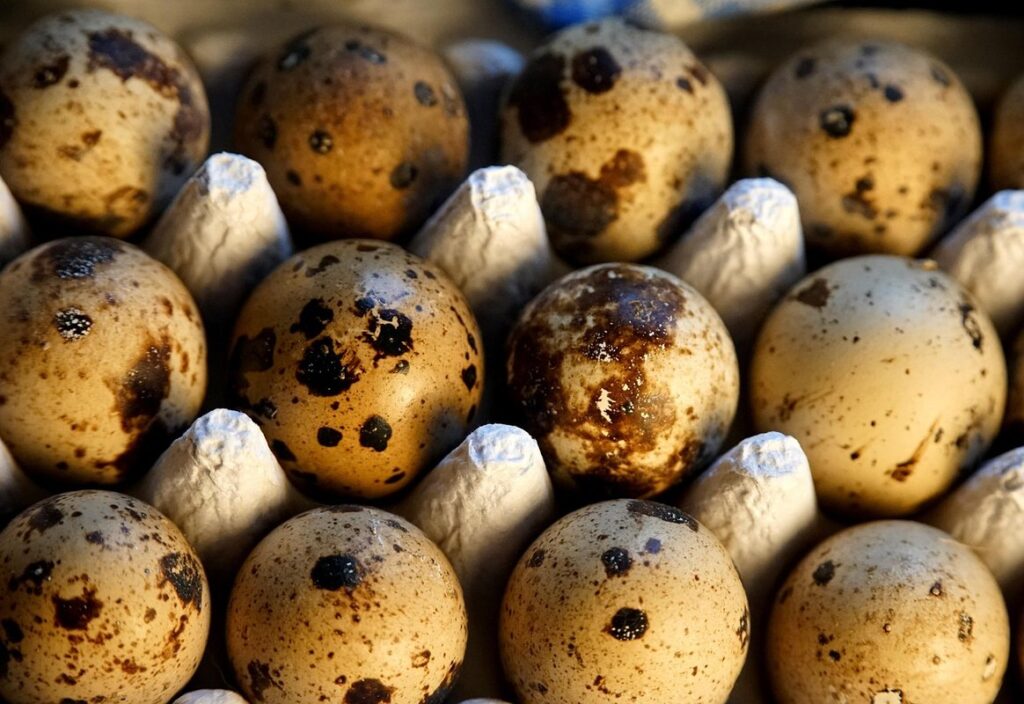
Choosing the Right Quail Breed
When it comes to quail breeding, selecting the right breed is crucial for success. In this section, we’ll guide you through the key factors to consider when choosing a breed that suits your needs and goals.
Factors to Consider When Selecting a Quail Breed
When selecting a quail breed for breeding and hatching purposes, it’s essential to consider several key factors. First and foremost, think about the egg-laying capabilities of the breed. Some breeds, such as Japanese Quails, are prolific layers, producing up to 200 eggs per year, while others like Button Quails lay around 100-150 eggs annually.
Another crucial factor is growth rate. If you’re planning to raise quails for meat production, a faster-growing breed like Coturnix Quail may be the best choice. However, if you’re interested in breeding quails as pets or show birds, a slower-growing breed with more desirable traits might be preferred.
Temperament also plays a significant role in selecting a suitable breed. Some quails are friendly and docile, while others can be quite aggressive. For example, Chinese Painted Quails are known for their gentle nature, making them an excellent choice for beginners or families with children.
Ultimately, it’s crucial to research the specific needs and characteristics of each breed before making a decision. With so many quail breeds available, choosing the right one will ensure success in your breeding program and provide a rewarding experience.
Popular Quail Breeds for Beginners
When it comes to choosing a quail breed for backyard breeding and hatching, there are several popular options that are well-suited for beginners. One of the most common breeds is the Coturnix, also known as the Japanese Quail. These birds are easy to care for, hardy, and prolific egg layers, making them an ideal choice for those new to quail breeding.
Another breed worth considering is the Buttonwood, a type of Coturnix quail that is known for its small size and gentle nature. They are relatively low-maintenance and can thrive in smaller enclosures, making them perfect for backyard breeders with limited space.
The Chinese Painted Quail is another popular choice among beginners due to its striking appearance and friendly demeanor. These birds are also known for their high fertility rates and ability to adapt well to different environments.
These breeds are all relatively easy to find and can be sourced from reputable suppliers or online breeders.
Understanding the Purpose of Different Quail Breeds
When selecting a quail breed for your breeding program, it’s essential to understand the purpose of different breeds. Each breed has been developed for specific characteristics, such as meat production, egg production, or ornamental value.
Meat-producing breeds, like the Coturnix quail, are prized for their rapid growth rate and high-quality meat. These birds can be harvested in as little as 6-8 weeks, making them an attractive choice for small-scale poultry producers. For example, the Japanese Coturnix quail is a popular breed among backyard farmers due to its compact size and impressive growth rate.
Egg-producing breeds, on the other hand, are bred for their high fertility rates and large egg sizes. The Button Quail, for instance, lays an average of 200-300 eggs per year, making them ideal for commercial egg production. Ornamental breeds like the Chinese Painted quail are valued for their vibrant plumage and unique characteristics, often kept as pets or used in breeding programs to add variety to existing stock.
By understanding the purpose of different quail breeds, you can choose the right breed for your specific needs and goals. This will help you maximize productivity, reduce waste, and increase profitability in your breeding program.
Setting Up a Quail Breeding Environment
When setting up a quail breeding environment, it’s essential to create a healthy and safe space for your birds to thrive. This section covers the key considerations for establishing an optimal breeding setup.
Creating an Optimal Breeding Habitat
When it comes to creating an optimal breeding habitat for your quails, understanding the essential components of their environment is crucial. Quails require a specific set of conditions to thrive and lay healthy eggs. First and foremost, housing plays a significant role in maintaining a clean and stress-free environment.
Quails need spacious enclosures with adequate ventilation to prevent moisture buildup and ammonia fumes from feces and urine. A good rule of thumb is to provide at least 2-3 square feet of space per bird. The enclosure should also be escape-proof, as quails are notorious for their Houdini-like abilities.
Temperature control is another critical aspect of a quailing breeding habitat. Quails prefer temperatures between 65°F and 75°F (18°C and 24°C), with a slight drop in temperature at night to simulate natural conditions. A temperature gradient is essential, as some quails may prefer warmer spots near the heat source.
Maintaining optimal humidity levels is also vital for quail health. Aim for a relative humidity of 50-60% by providing adequate ventilation and using humidifiers or dehumidifiers as needed. Lighting should be provided through high-intensity LED lights, which promote egg production and provide essential UVB rays. A photoperiod of 14 hours of light and 10 hours of darkness is recommended to mimic natural day-night cycles.
When setting up your breeding habitat, consider the following tips:
* Place perches and roosting bars at different levels to encourage exercise and movement.
* Incorporate nesting boxes or compartments for quails to lay eggs in private.
* Ensure easy access for cleaning and maintaining the enclosure.
* Consider using a temperature-controlled brooder or incubator to simulate optimal conditions.
By understanding these essential components of a quail breeding environment, you’ll be well on your way to creating an ideal habitat for successful breeding and hatching.
Providing Adequate Nutrition and Hydration
Providing adequate nutrition and hydration is crucial for the health and well-being of quails. When it comes to their dietary needs, quails are omnivores and require a balanced diet that includes a mix of proteins, carbohydrates, fats, vitamins, and minerals.
Quails need access to fresh water at all times. A good rule of thumb is to provide one quart of water per bird per day. You can also add a small amount of calcium powder or crushed oyster shells to the water to support eggshell production. When it comes to feeding schedules, quails should be fed twice a day, once in the morning and once in the evening.
A good quality commercial quail feed should make up the bulk of their diet. Supplement with fresh fruits and vegetables such as leafy greens, carrots, and apples, but avoid giving them too many treats or they may become overweight. You can also provide mealworms or crickets as a protein source, but make sure to introduce them gradually to prevent digestive issues.
It’s essential to provide a varied diet to ensure quails get all the necessary nutrients. A good starting point is to provide 20% of their diet as protein, 30% as carbohydrates, and 50% as fat.
Maintaining a Clean and Sanitary Environment
Maintaining a clean and sanitary environment is crucial when it comes to breeding quails. A dirty and unsanitary environment can lead to the spread of diseases, which can have devastating effects on your flock. When quails are stressed or exposed to disease-causing bacteria, they may become vulnerable to infections that can cause respiratory problems, diarrhea, and other health issues.
To prevent these health issues, it’s essential to maintain a clean and sanitized environment in your breeding area. This includes regular cleaning of cages, feeding areas, and watering equipment with a mild detergent and water. You should also disinfect any surfaces or objects that come into contact with the quails regularly.
In addition to regular cleaning, you can also take steps to prevent the buildup of bacteria and germs. For example, make sure to provide enough ventilation in your breeding area, as ammonia from the quail’s droppings can contribute to an unhealthy environment. By following these simple tips, you can create a healthy and safe environment for your quails to breed and thrive.
Breeding Quail: A Step-by-Step Guide
To successfully breed quail, you’ll need to understand the basics of incubation and hatching. Let’s walk through the process together, one step at a time.
Introduction to Breeding Methods
When it comes to breeding quails, there are several methods you can use to achieve successful hatches. The most common methods include natural mating, artificial insemination, and hatching eggs.
Natural mating involves letting the male and female quail mate naturally, which is a straightforward process that mimics how they would breed in the wild. This method requires minimal equipment and is often preferred by beginner breeders due to its simplicity. However, it can be unpredictable and may not always result in successful breeding.
Artificial insemination (AI) involves collecting sperm from the male quail and using it to fertilize the female’s eggs. AI provides more control over the breeding process and can increase fertility rates compared to natural mating. To perform AI, you’ll need specialized equipment such as a syringe and catheter.
Hatching eggs is another option for breeders who don’t want to deal with live quails or prefer a hands-off approach. You can purchase fertile eggs from a reputable supplier and incubate them using an egg incubator. This method allows you to produce large numbers of chicks without the need for extensive breeding facilities or expertise.
To get started, it’s essential to understand the specific needs and requirements of each breeding method. For example, quails require specific temperature and humidity conditions to breed successfully, and the optimal age for mating is between 20-30 weeks for males and 18-24 weeks for females.
Selecting Healthy Breeding Stock
When it comes to breeding quails successfully, selecting healthy and genetically diverse birds is crucial for maintaining a strong program. You see, unhealthy birds can lead to reduced fertility, lower egg production, and an increased risk of disease outbreaks within your flock. On the other hand, genetically diverse birds ensure that your offspring will have better chances at adapting to changing environments and resisting diseases.
To select healthy breeding stock, you should prioritize birds with a clean bill of health, a well-balanced diet, and adequate living conditions. Observe their behavior – are they active and alert, or lethargic and listless? Check for any visible signs of disease or injury. Also, keep an eye on egg quality – are the eggs large and symmetrical, or small and misshapen?
It’s also essential to choose birds from a variety of genetic lines to prevent inbreeding. This can be done by purchasing birds from reputable breeders or trading with other quail enthusiasts. By doing so, you’ll be introducing new traits and characteristics into your breeding program, reducing the risk of genetic disorders and ensuring that your offspring are strong and healthy.
Managing Breeding Cycles and Schedules
When it comes to managing breeding cycles and schedules for quails, timing is everything. The ideal breeding cycle typically lasts around 18-22 days from the time of mating to egg-laying. To ensure optimal reproductive success, it’s essential to breed quails during their natural breeding season, which usually falls between spring and early summer.
In a typical breeding program, you’ll want to breed quails every 2-3 weeks to maintain a steady supply of eggs. However, the frequency may vary depending on factors like climate, nutrition, and individual bird performance. For example, in regions with harsh winters or hot summers, it’s better to space out breeding cycles to avoid stress on the birds.
To determine the optimal breeding schedule for your quail flock, consider keeping a breeding calendar to track egg-laying dates and timing of new broods. This will help you plan ahead and make adjustments as needed to maintain peak reproductive performance. By paying attention to these details, you’ll be well on your way to successfully managing your quail breeding cycles and schedules.
Collecting and Incubating Eggs
Once you’ve collected eggs, it’s essential to incubate them correctly to ensure successful hatching. This process requires a sterile environment and precise temperature control.
Egg Collection and Handling
When it comes to collecting quail eggs for incubation, proper handling and storage techniques are crucial to ensure their quality and viability. First and foremost, you’ll want to collect eggs at room temperature to prevent thermal shock, which can cause damage or even breakage.
To handle the eggs safely, use clean hands or gloves to gently lift them from the nesting box. Avoid touching the egg’s air sac or oil gland area, as oils from your skin can harm the embryo. Instead, hold the egg firmly but not too tightly, with the large end facing upwards.
For cleaning and storage, rinse the eggs in a gentle stream of water to remove any debris. Dry them thoroughly with a clean towel before placing them in a carton or container filled with paper towels or soft cloth for insulation. Store them in a cool, dry place away from direct sunlight and predators. Aim for a consistent temperature between 55°F to 65°F (13°C to 18°C) during storage.
Understanding the Role of Incubation in Hatching Quail Chicks
Incubation is a crucial step in hatching quail chicks successfully. It’s where all your efforts from breeding and collecting eggs come together to give life to new quails. Without proper incubation, the chances of successful hatching are slim. To understand its importance, let’s dive into three key aspects: temperature control, humidity levels, and turning eggs.
Temperature is the most critical factor in incubation. Quail eggs require a consistent temperature between 99°F and 100°F (37°C – 38°C) for optimal development. A 1-2 degree drop or rise can affect fertility, embryo development, or even cause death. To achieve this precision, it’s essential to use an accurate digital thermometer.
Maintaining humidity levels is also vital. Quail eggs need a humid environment to prevent moisture loss and promote healthy growth. The ideal humidity level during incubation is between 50-60%. You can increase the humidity by placing a damp cloth or sponge in the incubator, but avoid over-saturation as it may lead to mold.
Lastly, turning the eggs regularly is essential for even development. Quail eggs should be turned at least two times a day until they’re about three-quarters of the way through their incubation period (around 12-14 days). Turning helps prevent embryo positioning issues and ensures that the quail chick develops properly.
Choosing the Right Egg Incubator for Your Needs
When it comes to choosing the right egg incubator for your quail breeding needs, there are several types to consider. Automatic incubators are a popular choice, offering precise temperature control and humidity monitoring. However, they can be expensive and require a significant amount of space.
On the other hand, digital incubators are more budget-friendly and compact, making them ideal for small-scale breeders or hobbyists. They often feature programmable settings and alarms, but may lack the precision of automatic models.
Incubator type aside, it’s also essential to consider factors like egg capacity, power source, and ease of cleaning. Some incubators can accommodate up to 120 eggs, while others are designed for smaller batches. Be sure to choose an incubator that fits your specific needs and ensures proper air circulation to promote healthy hatching.
It’s also worth noting that some incubators come with built-in turners or egg trays, which can help reduce manual labor and ensure even development. Ultimately, the right incubator will depend on your budget, space constraints, and personal preferences.
Hatching Quail Chicks: From Fertilization to Hatch
Now that you know how to successfully breed quails, it’s time to learn about fertilization and the incubation process. This section will walk you through hatching quail chicks from start to finish.
Understanding Fertilization and Embryonic Development
Fertilization occurs when a male quail’s sperm meets the female quail’s egg yolk during mating. The process is usually spontaneous and can happen naturally within 24 hours of laying an egg. However, some breeders may choose to artificially inseminate their females for better fertility rates.
After fertilization, the embryo begins its development within the egg. This process typically lasts around 16-17 days in quails, depending on various factors such as temperature, humidity, and breed. During this time, the embryo undergoes several stages of growth:
* Day 1-3: Cleavage stage – The zygote divides multiple times to form a solid ball of cells.
* Day 4-6: Morula stage – The cells start to compact and differentiate into distinct groups.
* Day 7-12: Blastocyst stage – The embryo’s shape changes, and the amniotic cavity forms.
Around day 16-17, the embryo is fully developed, and hatching becomes imminent. Quail eggs usually hatch within a few hours after being transferred to an incubator or a designated hatching area. A quail chick will pip through the shell membrane by pecking at it with its beak, then expand its head and shoulders to break out of the egg entirely.
Monitoring Embryo Development and Identifying Potential Issues
Monitoring embryo development is crucial to ensure successful hatching and healthy chicks. From day 5 to day 10 of incubation, you can observe the embryo’s growth through transparent eggshell windows or candling methods. This process helps identify potential issues early on.
Signs of healthy embryo development include clear outline of eyes, beak, and limbs, as well as a visible heartbeat. On the other hand, abnormalities such as twisted or curved embryos, undeveloped features, or an empty space in the eggshell can indicate problems.
Keep an eye out for these red flags: • Delayed embryonic movement (usually by day 7) • Failure to see a clear outline of major features (especially eyes and beak) • Uneven growth patterns or gaps between features • Unusual odor or changes in egg appearance
If you notice any concerning signs, stop incubation immediately. Move the affected eggs to a separate area for closer observation and record your findings. This helps maintain biosecurity and ensures you can identify the cause of failure.
Maintaining a consistent incubation temperature (around 99-100°F) is also vital. It promotes even growth and helps detect potential issues earlier on.
Assisting with Emergence and First Few Days Post-Hatch
As you eagerly await the hatching of your quail eggs, it’s essential to be prepared for the emergence and first few days post-hatch. This critical period requires close observation, gentle handling, and proper care to ensure the health and well-being of your new chicks.
Upon pip (the first crack in the shell), monitor the egg closely as the chick will start to hatch within 12-24 hours. As it emerges, gently rotate the egg every few minutes to prevent the chick from getting stuck or developing a twisted spine. Keep the incubator at a consistent temperature between 99°F and 100°F (37°C) during this time.
After hatching, your chicks will be fragile and vulnerable to shock. Handle them carefully, keeping their initial contact with light minimal to prevent visual overload. Provide a brooder environment with adequate ventilation, temperature control, and humidity to ensure a smooth transition from egg to chick. A starter feed specifically formulated for quail is essential during the first few days to provide essential nutrients for growth and development.
Maintain proper hygiene by frequently cleaning the brooder and removing waste to prevent disease and stress on your chicks. With careful attention to detail and consistent care, you’ll be well on your way to raising healthy, thriving quail.
Raising Quail Chicks: Nutrition, Health, and Management
When it comes to raising quail chicks, nutrition is crucial for healthy growth and development. Proper feeding, health checks, and management practices will ensure your young birds thrive.
Nutrition and Feeding Strategies for Young Quails
Providing optimal nutrition to young quails is crucial for their growth and development. From day one, they require a diet rich in protein, calcium, and other essential nutrients. Start by offering a starter mash that’s specifically formulated for young birds. This should be supplemented with fresh vegetables like leafy greens and carrots, as well as fruits such as berries.
As the quails grow, their nutritional needs will change. By week two to three, introduce a layer feed that contains around 16% protein. Ensure the water is clean and easily accessible at all times. Quails need about one-quarter ounce of water per bird per day, so be prepared to change the water frequently.
To create a feeding schedule for your young quails, consider the following: divide the day into two meals – morning and afternoon. At each meal, offer the right amount of feed according to age and size. Aim for around 10-15 grams of feed per bird per day in the first four weeks.
Maintaining Optimal Health and Preventing Disease Outbreaks
Maintaining optimal health among young quail chicks is crucial for their growth and development. A clean and safe environment plays a significant role in preventing disease outbreaks. Quails are susceptible to respiratory infections, coccidiosis, and other diseases that can be life-threatening if not addressed promptly.
To prevent the spread of diseases, it’s essential to maintain excellent biosecurity practices in your quail farm or backyard flock. This includes regularly cleaning and disinfecting the enclosure, feeding area, and water sources. Change the bedding material frequently to prevent ammonia buildup, which can cause respiratory issues.
Monitor your chicks’ health closely for signs of illness, such as lethargy, labored breathing, or loss of appetite. Isolate any affected quail immediately and seek veterinary advice if necessary. A healthy diet, adequate ventilation, and proper hydration also contribute significantly to maintaining optimal health in young quails. By prioritizing their environment and health, you’ll reduce the risk of disease outbreaks and ensure your quail chicks thrive.
Troubleshooting Common Issues in Quail Breeding and Hatching
As you start your quail breeding journey, it’s common to encounter issues that can be frustrating and costly if not addressed. This section will help you troubleshoot common problems in quail breeding and hatching.
Identifying and Addressing Common Problems
As you delve into quail breeding and hatching, it’s essential to be aware of common issues that may arise. Low hatch rates, fertility problems, and chick mortality are some of the most prevalent challenges breeders face.
Low hatch rates can stem from various factors, including inadequate egg storage, insufficient incubation temperature control, or poor air quality in the incubator. Fertility problems might be due to the age of the birds, improper nutrition, or genetic issues within the flock. Chick mortality is often a result of incorrect brooding temperatures, humidity levels, or a lack of proper ventilation.
To tackle these common problems, it’s crucial to maintain accurate breeding records and monitor your quail’s health closely. Regularly checking for signs of stress, disease, or parasites can help you address issues before they become major concerns. Additionally, investing in high-quality incubators and maintaining precise temperature control can significantly boost hatch rates.
Monitor the flock’s overall health by ensuring a balanced diet, providing access to clean water at all times, and ensuring proper housing conditions. By being proactive and attentive to potential problems, you can minimize the likelihood of common issues arising during the breeding and hatching process.
Strategies for Improving Breeding Success and Hatch Rates
Improving breeding success and hatch rates is crucial for quail breeders to achieve consistent results. To optimize these factors, focus on maintaining a clean and healthy environment within the breeding enclosure. Regularly remove soiled bedding, disinfect feeders and waterers, and ensure adequate ventilation.
Selecting breeds that are well-suited to your climate and management practices can also significantly impact hatch rates. Research different breeds’ temperaments, egg-laying capabilities, and tolerance for local environmental conditions. Consider factors such as heat stress, disease resistance, and fertility when making this decision.
Proper nutrition plays a critical role in both male and female quail’s reproductive health. Ensure that breeding stock has access to balanced feed rich in essential nutrients. A study found that supplementing with specific vitamins (such as vitamin D3) increased hatch rates by up to 15%. Consider adding supplements or adjusting the existing diet based on your birds’ needs.
Monitor temperature extremes and maintain a consistent, controlled environment within the incubator. Most commercial quail breeds will tolerate temperatures between 99°F and 100°F for optimal development.
Frequently Asked Questions
How Often Should I Collect Eggs from My Quail Breeding Stock?
Egg collection is crucial for maintaining a healthy breeding cycle. It’s recommended to collect eggs daily, especially during peak laying seasons. This ensures that no eggs are broken or damaged and also helps prevent the spread of disease.
Can I Use a Regular Incubator for Hatching Quail Eggs?
While regular incubators can work, they may not provide the optimal conditions required for quail hatching. Quails have specific temperature and humidity needs during incubation. Consider investing in an egg incubator specifically designed for birds to achieve high hatch rates.
What Are Some Common Issues I Should Watch Out for During Fertilization and Embryonic Development?
Common issues during fertilization and embryonic development include incorrect incubator settings, poor egg handling, or contamination. Regularly check the incubator’s temperature, humidity, and monitoring systems. Also, ensure proper sanitation and egg storage.
How Long Does It Take for Quail Chicks to Reach Full Growth After Hatching?
Quail chicks typically reach full growth within 6-8 weeks after hatching. During this time, provide a nutritious diet, adequate shelter, and optimal living conditions. Monitor their development closely and intervene if any health issues arise.
Can I Mix Different Quail Breeds for Breeding Purposes, or Is It Better to Stick with One Breed?
While it’s technically possible to mix different breeds, it’s not recommended for beginners. Mixing breeds can lead to unpredictable egg-laying capabilities and potentially lower hatch rates. Sticking with a single breed allows you to develop expertise and optimize breeding conditions tailored to that specific breed.