
Quail cage setup can be overwhelming for first-time owners. With so many types and features to consider, choosing the right one is crucial to ensure your birds stay healthy and happy. However, not all quails need or thrive in the same environment. When it comes to designing a perfect quail cage, you’ll want to think about space requirements, health considerations, and even types of cages available.
In this comprehensive guide, we’ll walk you through everything you need to know when choosing, designing, and maintaining your quail cage. From understanding different types of cages to considering essential features like ventilation and cleaning access, we’ve got you covered. By the end of this article, you’ll be equipped with the knowledge needed to create a safe and thriving environment for your feathered friends, ensuring they stay healthy and happy in their new home.
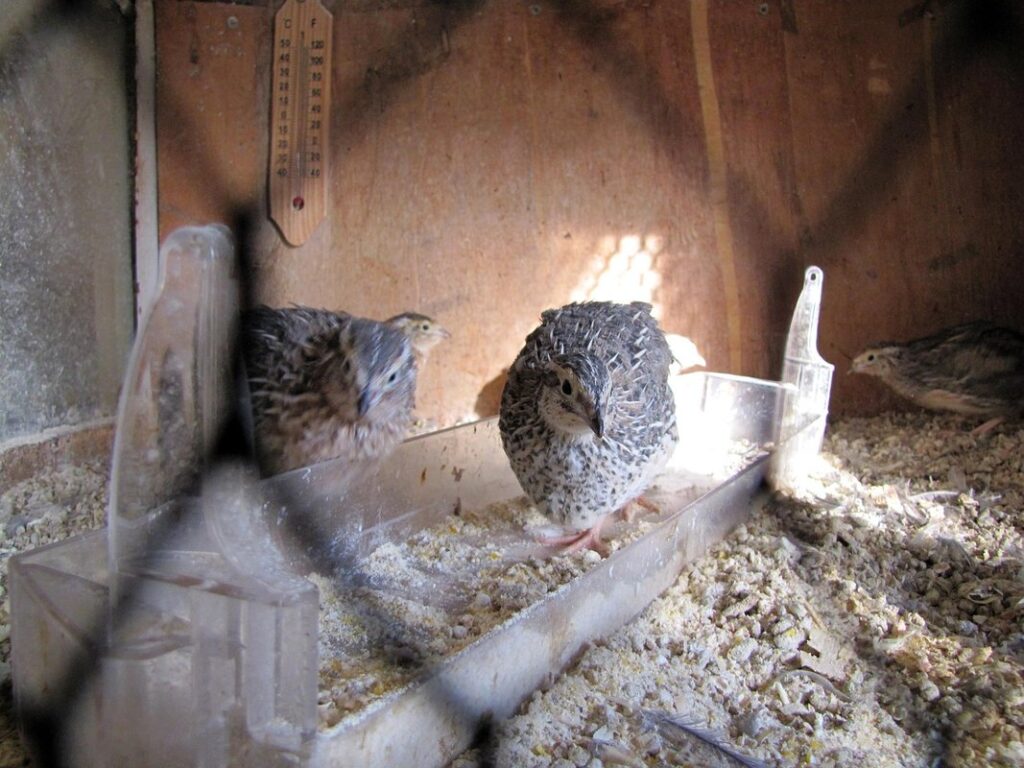
Choosing the Right Quail Cage: Considerations for Beginners
As you start building your quail flock, selecting a suitable cage is crucial for their health and happiness. Let’s explore the key considerations to keep in mind as a beginner.
Types of Quail Cages: A Beginner’s Overview
As you start to consider building a home for your quails, it’s essential to understand the different types of quail cages available. This will help you make an informed decision that suits your needs and provides the best environment for your feathered friends.
When it comes to housing your quails, you have three primary options: DIY cages, prefabricated cages, and large-scale commercial setups. Each type has its pros and cons, which we’ll delve into below.
DIY cages are a cost-effective option that allows you to get creative with the design and materials used. You can repurpose old furniture or use wooden pallets to create a unique enclosure for your quails. However, DIY cages may lack the sturdiness and durability of commercial options.
Prefabricated cages offer a more straightforward solution, with pre-assembled units that are easy to set up and maintain. They come in various sizes and can be customized to fit your specific needs. One disadvantage is that they might be pricier than DIY options, but they provide excellent ventilation and ease of cleaning.
Large-scale commercial setups are designed for large quail operations and often include automated systems for feeding and waste management. These setups are ideal for experienced breeders or those planning to raise a significant number of quails.
Key Features to Look for in a Quail Cage
When choosing a quail cage, there are several key features to consider that will ensure the health and well-being of your feathered friends. Firstly, ventilation is crucial to prevent ammonia buildup from their droppings. Look for cages with adequate airflow, such as mesh panels or wire walls, which allow for easy circulation of air. This will not only keep your quails healthy but also reduce odors.
Another essential feature is accessibility. Make sure the cage has a secure and easy-to-clean design, allowing you to access the birds without disturbing them. A removable tray or pan at the bottom of the cage can make cleaning up after your quails a breeze.
Finally, it’s also vital to provide sufficient space per bird. Aim for at least 1-2 square feet of floor space per quail, depending on breed size and age. This will give them room to move around comfortably, stretch their wings, and exercise naturally.
Space Requirements: How Big is Your Quail Cage?
When it comes to choosing the right quail cage, one of the most crucial considerations is providing sufficient space for your birds to move around comfortably. A cramped cage can lead to stress, disease, and a shorter lifespan for your quails.
To determine the ideal cage size, you’ll need to consider the number of birds you plan to keep. As a general rule, a good starting point is to provide at least 2-3 square feet of floor space per bird. For example, if you’re planning to raise a dozen quails, your minimum cage size would be around 24-36 square feet.
Keep in mind that these are just guidelines, and the actual space requirements may vary depending on the breed and age of your quails. Younger birds, for instance, will require more space than adults as they grow and develop.
To give you a better idea, here’s a rough estimate of cage sizes based on the number of quails:
* 2-4 quails: 12-24 square feet
* 5-8 quails: 20-40 square feet
* 9-12 quails: 30-60 square feet
Remember to also consider vertical space, as quails love to climb and perch. A multi-level cage or a tall cage with perches will keep your birds happy and active.
The Importance of Quail Cage Design
When it comes to creating a happy and healthy home for your quails, cage design is one of the most crucial factors. We’ll explore what makes a great quail cage and why it matters.
Understanding the Basics of Avian Architecture
When it comes to designing a quail-friendly environment, understanding the basics of avian architecture is crucial. Quails are social birds that thrive in environments with ample space for movement and perching. A well-designed cage should incorporate features that mimic their natural habitat, such as multiple perches at varying heights.
A good rule of thumb is to provide at least two types of perches: horizontal bars for scratching and climbing, and vertical rods for roosting. This will allow your quails to exercise their natural behaviors and prevent boredom and stress. Consider adding a few rocks or logs to create a “scratching post” area where quails can wear down their toenails.
Nesting boxes are also essential for providing a safe and private space for quail pairs to lay eggs. These should be placed in quiet areas of the cage, away from drafts and predators. Feeding areas should be designed with ease of access in mind, allowing quails to peck at food easily while standing on their perches. By incorporating these fundamental elements, you’ll create a comfortable and functional environment for your feathered friends.
Creating a Stress-Free Environment: Tips for Reducing Quail Stress
Quail stress can be detrimental to their overall health and well-being. A cluttered or poorly ventilated environment can contribute to increased anxiety levels. To create a more relaxed atmosphere, consider adding plants to the quail cage. Not only do they purify the air but also provide a natural hiding spot for your birds.
Maintaining a comfortable temperature range is another crucial aspect of reducing stress in quails. Ensure that the cage is placed away from direct sunlight and drafts, as this can cause discomfort. Provide adequate bedding material like wood shavings or sand to absorb droppings and retain moisture.
Ensure your quail cage has ample lighting, but avoid direct exposure to harsh sunlight during peak hours. A balanced light-dark cycle helps regulate their circadian rhythms. Provide hiding places or visual barriers to minimize competition among birds and promote social interaction.
In terms of noise reduction, consider placing the cage away from high-traffic areas or noisy appliances. This will help create a more peaceful environment for your quails to thrive in.
Common Mistakes When Building or Buying a Quail Cage
When it comes to creating a safe and comfortable home for your quails, there are several common mistakes people make when building or buying a cage. We’ll highlight these oversights in this section.
DIY Disasters: Common Mistakes to Avoid
Building your own quail cage can be an exciting project, but it’s essential to avoid common mistakes that can compromise the health and well-being of your feathered friends. One of the most critical errors is using inadequate materials. Cheap or flimsy wire mesh may not provide adequate ventilation, leading to respiratory problems in your quails.
Poor design is another major pitfall. Insufficient space, awkward layout, and lack of easy cleaning access can make caring for your quails a nightmare. Consider the size and breed of your quails when designing the cage – they need room to move around and stretch their wings. A simple rule of thumb is to provide at least 5-6 square feet of floor space per pair.
Another crucial feature often neglected is proper drainage. Quails are sensitive to wet conditions, which can lead to disease and stress. Make sure your cage has a sloping floor or a separate area for droppings collection. Don’t forget to include easy-access doors and windows for cleaning and maintenance – trust us, you’ll appreciate it when the time comes!
Pre-Built Cages: Knowing What to Look Out for
When shopping for pre-built quail cages, it’s essential to be aware of potential pitfalls that can compromise your birds’ health and well-being. One of the most significant concerns is low-quality materials used in construction. Cheaply made cages may contain toxic substances or have sharp edges that can harm your quails.
Another crucial aspect to consider is space. Ensure the cage provides sufficient room for your quails to move around comfortably. A good rule of thumb is to provide at least 2-3 square feet of floor space per bird. Anything less can lead to stress and discomfort.
Ventilation systems are also a vital consideration. Poor airflow can cause respiratory problems in quails, so look for cages with well-designed ventilation systems that allow fresh air to circulate freely. Some pre-built cages may have inadequate or poorly designed ventilation, which can lead to serious health issues.
When purchasing a pre-built cage, inspect it carefully before making a decision. Check the materials used, the space available, and the ventilation system. If you’re unsure about any aspect of the cage’s design or construction, consider looking elsewhere.
Quail Cage Maintenance: Keeping Your Birds Happy and Healthy
To keep your quails thriving, it’s essential to maintain their cage properly. This involves regular cleaning and monitoring of their environment to ensure optimal health and happiness.
Cleaning and Disinfecting: A Guide for Quail Keepers
Regular cleaning and disinfecting of your quail cage is essential to maintain a healthy environment for your birds. A dirty cage can lead to the spread of diseases, stress, and discomfort for your quail. To keep your birds happy and thriving, set aside some time each week to clean and disinfect their home.
Start by removing all the quails from the cage and placing them in a safe and secure area. This will prevent any potential escape or injury during the cleaning process. Next, take out any dirty bedding, droppings, and uneaten food. Disinfect all surfaces with a pet-safe cleaner, paying extra attention to areas around feeders, waterers, and perches.
Use a 10% bleach solution to disinfect hard surfaces, but be sure to rinse thoroughly to remove any residue. For fabric components like bedding or perches, opt for a gentle detergent specifically designed for cleaning animal enclosures. Remember to wash your hands after handling the cage and its contents to prevent cross-contamination.
By following these simple steps, you’ll keep your quail cage clean, safe, and healthy for your birds to enjoy.
Providing Fresh Air and Water: Essential Considerations
When it comes to quail cage maintenance, providing fresh air and water is essential for keeping your birds happy and healthy. Quails need a constant flow of clean oxygen to thrive, which can be compromised if their cage isn’t properly ventilated.
To maintain adequate ventilation, ensure that your quail cage has adequate airflow by placing it near an open window or using fans to circulate air. You can also add some plants like ferns or peace lilies to help purify the air naturally. A good rule of thumb is to have at least one square foot of floor space per bird.
When it comes to water, make sure your quails always have access to clean drinking water. Change their water daily and use a water bottle or container with a wide mouth for easy cleaning. You can also add some crushed eggshells or oyster shells to the water to help neutralize any acidity.
A balanced diet is equally important, so ensure you’re providing your quails with a nutritious mix of grains, fruits, and vegetables. Consider keeping a separate food dish for each type of food to prevent cross-contamination. By following these tips, you’ll be able to provide your quails with the fresh air and water they need to stay happy and healthy.
Health Considerations When Choosing a Quail Cage
When selecting a quail cage, it’s crucial to consider several health considerations that will impact your birds’ well-being and longevity. Let’s explore some key factors to keep in mind.
Quail Health Risks: Identifying Potential Issues
Quails are prone to various health issues if their cage environment is not properly managed. One of the most common problems is respiratory disease, which can be caused by poor ventilation and high humidity levels within the cage. This condition can lead to symptoms such as labored breathing, coughing, and even death.
Another significant concern is stress-related illnesses, which can arise from inadequate space or comfort in the quail cage. Stress triggers the release of corticosterone, a hormone that suppresses the immune system and makes quails more susceptible to disease. To mitigate this issue, it’s essential to ensure your quails have enough space to move around comfortably.
Parasites are also common health risks for quails if their cage is not cleaned regularly or provided with clean bedding material. External parasites like mites, lice, and ticks can cause significant discomfort and even lead to anemia. Regular cleaning of the cage and provision of fresh water and food can help prevent these problems.
To minimize the risk of these health issues, it’s crucial to regularly inspect your quail cage for any signs of poor hygiene or overcrowding.
Preventing Escape Attempts: Tips for Securing Your Quail Cage
Preventing escape attempts is crucial to maintaining the health and well-being of your quails. A securely locked cage can help prevent injuries from predators or other external threats, as well as reduce stress on your birds.
Firstly, make sure to check the lock mechanism regularly to ensure it’s in good working condition. You can use a simple latch system or a more secure deadlock, depending on your preference and the size of your quail cage. Consider investing in a safety catch that will release automatically if the bird becomes entangled.
Providing adequate cover is also vital. Place your quail cage in a spot that’s partially shaded to reduce escape attempts driven by excessive sunlight exposure. You can use cardboard or wooden screens to create additional hiding places for your birds, making them feel secure and reducing the likelihood of escape attempts.
Minimizing escape routes is another essential aspect. Ensure there are no gaps between the top bars of your cage and the lid, as well as no openings between the floor of the cage and the ground. Regularly inspect the entire enclosure to identify potential escape points and make necessary adjustments.
Setting Up a Large-Scale Quail Operation: Best Practices
When setting up a large-scale quail operation, getting the cages right is crucial to ensuring the health and well-being of your birds. In this section, we’ll cover expert advice on designing and building optimal quail cages for maximum productivity.
Designing for Efficiency: Layouts and Configurations
When designing an efficient quail operation with multiple cages, it’s essential to prioritize easy maintenance and minimal waste. A well-planned layout can make a significant difference in the overall productivity and health of your birds.
To start, consider dividing your cages into zones or sections based on specific tasks such as feeding, cleaning, and egg collection. This will allow you to quickly identify areas that need attention and reduce walking distances for your staff. For example, you could have all feeding equipment located near one entrance, while cleaning supplies are stored near another.
A popular layout configuration is the “U-shape” design, where cages are arranged in a U-shape around a central aisle. This allows for easy access to each cage and minimizes congestion points. Another consideration is cage size and spacing. Leaving enough space between cages (about 2-3 feet) will provide your birds with adequate room to move and reduce the risk of disease transmission.
By implementing these efficient layouts and configurations, you’ll be able to streamline your operation and create a more comfortable environment for both your staff and quails.
Quail Cage Management Software: Streamlining Your Operations
When managing large-scale quail operations, it can be overwhelming to keep track of every aspect of production. This is where specialized software comes into play – specifically designed to streamline your quail cage management and optimize productivity.
Using a dedicated quail cage management software can save you a significant amount of time and resources in the long run. These tools allow you to easily monitor temperature fluctuations, making sure your birds stay healthy and comfortable at all times. This is particularly crucial during hot summer months when temperatures can quickly rise to critical levels. Some popular features include automated alerts for temperature spikes, ensuring you take swift action to prevent heat stress.
Another key benefit of quail cage management software is its ability to track inventory accurately. No more manual counting or worrying about mislabeled batches – with the right tool, you’ll always know exactly how many birds you have on hand and what their nutritional needs are. This not only reduces waste but also ensures that your flock receives the best possible care. By automating tasks like monitoring temperature and tracking inventory, you can focus on higher-level decision-making to grow your business efficiently and effectively.
Frequently Asked Questions
Can I mix different types of quails together in a single cage?
No, it’s not recommended to mix different species of quails in the same cage, as they may have different dietary needs, health considerations, and social requirements. Keep each type of quail separate to ensure their specific needs are met.
How often should I clean and disinfect my quail cage?
Regular cleaning is essential for maintaining a healthy environment for your birds. Aim to clean and disinfect the cage at least once a week, removing soiled bedding, washing food and water dishes, and disinfecting any surfaces that come into contact with droppings or dust.
What’s the best type of material for building a quail cage?
When choosing materials for your quail cage, consider durability, ease of cleaning, and resistance to pests. Wooden cages can be a good option if properly treated, while wire cages offer better ventilation but may require more frequent cleaning.
Can I use a pre-made quail cage or do I need to build one from scratch?
Both options are viable depending on your needs and resources. Pre-built cages can provide a quick solution, but they might not be tailored to your specific requirements. Building a custom cage allows for precise design and features, but requires more time and expertise.
How many quails can I safely keep in a single cage, considering space requirements?
The ideal number of quails per cage varies depending on the size of the enclosure and available space. As a general rule, provide at least 2-3 square feet of floor space per bird for small breeds, adjusting according to your specific situation to ensure comfort and reduce stress.