
When it comes to raising happy and healthy quails, setting up their environment is crucial. The right cage size and design can make all the difference in your feathered friends’ overall well-being. A cramped or poorly designed enclosure can lead to stress, disease, and even death – a fate you’d want to avoid for sure! On the other hand, a spacious and thoughtfully set up quail cage can encourage natural behavior, promote healthy exercise, and boost their immune systems. In this article, we’ll dive into the world of quail cage size and setup, exploring the importance of these factors in creating a thriving environment for your birds. We’ll cover the ideal dimensions, essential features, and design tips to help you build or upgrade your quail’s home with confidence.
Understanding Quail Housing Requirements
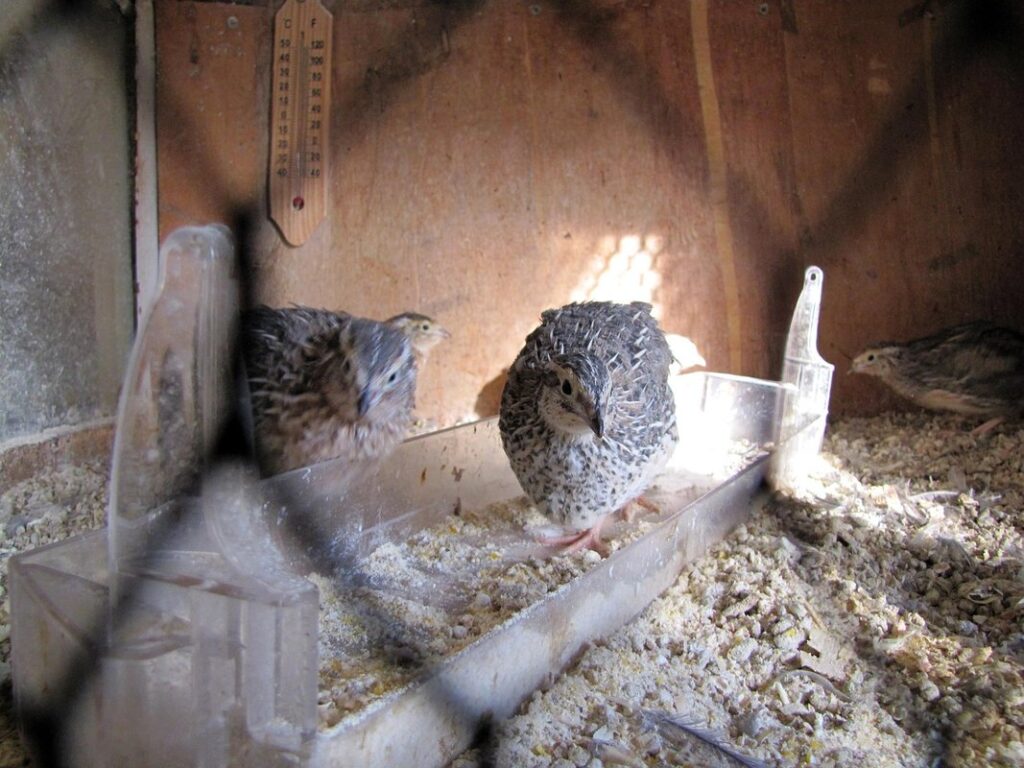
When setting up a quail cage, it’s crucial to understand the space and environmental requirements that will keep your birds happy and healthy. This includes considerations for air quality, ventilation, and adequate shelter.
Factors Influencing Cage Size
When it comes to determining the ideal cage size for your quails, several key factors come into play. One of the most significant influencers is breed type. Different breeds have varying sizes and temperaments, which affect their space requirements. For example, some popular quail breeds like Japanese Coturnix and Button Quails are relatively small in size, while others, such as California Quails or Chinese Painted Quails, can grow larger.
Age also plays a crucial role in determining cage size. Baby quails require more space per bird compared to adults due to their active nature and need for room to stretch their wings. As they mature, their space needs decrease. For instance, chicks will require at least 10-12 square inches of floor space each, whereas adult quails can thrive in cages with around 8-9 square inches of floor space per bird.
The number of birds housed together is another essential consideration. Quails are social animals and prefer to live in groups. However, overcrowding can lead to stress, disease, and other health issues. A general rule of thumb is to provide at least 1 square foot of cage space for every 3-4 quails to ensure their comfort and well-being.
Minimum Cage Space Guidelines
When it comes to setting up a quail cage, providing adequate space is crucial for maintaining healthy birds. The minimum cage space guidelines vary depending on the type of quail breed you’re keeping.
For Japanese quails, a recommended cage size is at least 24 inches wide and 18 inches deep. Button quails require slightly more space, with a minimum of 30 inches in width and 20 inches in depth. Other popular breeds like Chinese and Californian quails also have specific size requirements, ranging from 24 to 36 inches in width and 18 to 24 inches in depth.
Proper cage space is essential for quails’ physical and mental well-being. With inadequate space, birds may develop health issues such as stress-related illnesses, feather plucking, and respiratory problems due to poor air circulation. Additionally, overcrowding can lead to aggressive behavior among quail pairs or groups. To ensure your quails live comfortably, make sure their cage is spacious enough for them to move around freely, stretch their wings, and engage in natural behaviors like foraging and perching.
Cage Size Calculations: A Step-by-Step Guide
To ensure you provide a suitable cage for your quail, it’s essential to calculate the optimal size based on their breed and expected population. Let’s break down this process step by step.
Determining Quail Population Density
Determining the optimal number of quails per square foot of cage space is crucial to maintaining a healthy and stress-free flock. Over- or under-population can lead to serious health issues, including respiratory problems, cannibalism, and even death.
To calculate the ideal population density, consider the following factors: adult quail size, breed, and activity level. For example, smaller breeds like Japanese Coturnix quails require more space per bird than larger breeds like Button quails.
A general rule of thumb is to provide at least 1-2 square feet of cage space per adult quail, depending on the breed and activity level. However, this can be reduced or increased based on your specific situation. For instance, if you’re raising young quails or have a high-maintenance breed, you may want to provide more space.
To ensure optimal population density, consider the following:
* Provide at least 1-2 square feet of cage space per adult quail
* Reduce population density by 10-20% for young or high-maintenance breeds
* Monitor flock behavior and adjust population density accordingly
Space Per Bird Calculator Tool
To ensure you’re providing an optimal environment for your quail, it’s essential to calculate the ideal cage size based on the population density and available space. A simple tool to help with this is our Space Per Bird Calculator Tool. This easy-to-use calculator takes into account the number of birds, breed, and available space to provide a recommended cage size.
Let’s consider two different scenarios: a large commercial operation versus a small backyard coop. For example, if you’re setting up a 10×20 feet aviary for a large quail farm with 500 birds, the calculator would recommend a total floor area of at least 1,000 square feet. This may seem excessive, but it’s crucial to provide enough space for each bird to move around comfortably.
On the other hand, if you’re setting up a small backyard coop with just 5 quails, the recommended cage size would be significantly smaller – approximately 2×4 feet. Keep in mind that these are general guidelines and should be adjusted according to your specific situation and local regulations.
Cage Setup Essentials: Design and Layout Considerations
When setting up your quail cage, designing a functional layout is crucial to ensure your birds have enough space to move around comfortably. A well-planned design also helps prevent overcrowding and stress on your feathered friends.
Essential Features for Quail Cages
When setting up a quail cage, it’s crucial to include essential features that cater to the birds’ physical and emotional needs. A well-designed cage should have multiple perches of varying diameters to allow quails to exercise their legs and feet. This is particularly important for older or injured birds who may need extra support.
A nesting box is another vital component, as it provides a secure place for females to lay eggs. The box should be designed with easy access and a gentle slope to prevent eggs from rolling out. Consider adding a few hiding places, such as small houses or tunnels, to create a sense of security for your quails.
Feeding stations and watering systems are also essential features that contribute to overall bird health. A feeding station can help reduce competition among birds and prevent wastage. When it comes to watering systems, you’ll want to ensure that the water is easily accessible yet protected from contamination. Consider using a drip-watering system or a shallow dish with fresh water changed daily.
In addition to these features, keep in mind that quails are social creatures and may benefit from having some interaction with their environment. Adding a few toys, such as swings or ladders, can provide mental stimulation and prevent boredom.
Cage Orientation and Placement
When it comes to setting up your quail cage, one crucial aspect that’s often overlooked is its orientation and placement. Getting this right can significantly impact the health and well-being of your feathered friends.
Proper cage orientation is essential for maintaining a comfortable temperature range within the enclosure. In temperate climates, facing the cage east or south allows natural sunlight to enter during the morning hours when it’s gentle and beneficial for the quails. Conversely, avoiding direct afternoon sun helps prevent overheating. To maximize ventilation while keeping your quail safe from harsh weather conditions, consider positioning the cage near a shaded area with minimal wind turbulence.
When selecting a location for your quail cages, balance these factors: adequate light exposure without direct sunlight, sufficient air circulation to prevent ammonia buildup and promote clean air, and protection from predators. Place cages away from walls, corners, or areas where birds can easily take flight. Ensure easy access for feeding, cleaning, and monitoring the well-being of your quails. By carefully considering the placement and orientation of your cage, you’ll create a happy and healthy environment for your feathered companions to thrive in.
Quail Health and Welfare: How Cage Size Impacts Flock Well-being
When it comes to quail health and welfare, cage size plays a crucial role in ensuring your flock’s well-being. In this section, we’ll explore how different cage sizes impact quail behavior and overall happiness.
Stress Reduction Strategies
When quails are confined to small spaces with poor ventilation, it’s not surprising that stress becomes a significant issue. Inadequate cage size can lead to overcrowding, which increases the risk of aggression, disease transmission, and decreased fertility. For instance, research has shown that quails kept in cages with less than 10 square inches per bird are more likely to exhibit abnormal behaviors like pacing, feather pecking, and vocalization.
To mitigate these effects, careful planning is essential when designing a quail cage. Ensure there’s sufficient space for birds to move around comfortably, as well as adequate ventilation to maintain a healthy environment. A good rule of thumb is to provide at least 20 square inches per bird for medium-sized breeds. Additionally, incorporate enrichment activities like perches, ladders, and toys to stimulate mental and physical activity.
Some practical tips include:
• Rotate toys regularly to prevent boredom
• Provide multiple perches to allow birds to exercise their legs
• Install a dust bath or shallow water dish for relaxation
• Consider incorporating mirrors or reflective surfaces to reduce stress through visual stimulation
Common Diseases Linked to Poor Cage Conditions
Quails that are confined to small cages or overcrowded conditions are more susceptible to various health issues. Some common diseases linked to poor cage conditions include respiratory problems, such as Chronic Respiratory Disease (CRD) and Air Aspiration Pneumonia. These conditions occur when quails inhale dust, bacteria, or other airborne pathogens due to the lack of space or inadequate ventilation in their cages.
Additionally, unsanitary conditions can lead to bacterial infections like Pasteurellosis and Fowl Cholera. Inadequate cage design and overcrowding can also contribute to behavioral problems, such as stress-induced feather pecking and cannibalism. On the other hand, maintaining a well-designed and spacious quail cage can significantly reduce the risk of these health issues.
To prevent such problems, it’s essential to provide your quails with adequate space (at least 1-2 square feet per bird), proper ventilation, and regular cleaning of their cages. This will not only promote better overall health but also reduce stress levels within the flock. By prioritizing your quails’ welfare through cage design and setup, you can help prevent these common diseases and create a healthier environment for your birds to thrive in.
Setting Up Your Quail Coop: Tips for First-Time Keepers
When setting up your quail coop, it’s essential to consider the needs of your birds and plan a safe, comfortable space that meets their specific requirements. This involves choosing the right materials and designing a layout that works for you and your quails.
Initial Setup Checklist
When setting up a new quail coop for the first time, it’s essential to consider several key items to ensure the health and well-being of your birds. Start by identifying a suitable location for your coop that provides adequate ventilation and is protected from harsh weather conditions.
Begin by installing feeders and waterers specifically designed for quails. These should be placed in easy-to-reach locations, such as at the back or side of the coop, to prevent overcrowding and minimize waste. A general rule of thumb is to provide one feeder per 5-6 birds, while waterers should be situated at a height that allows for easy access.
Don’t forget to include nesting boxes in your setup, ideally positioned in a quiet area away from drafts. A good starting point is one nesting box per three to four birds. Consider using a cleaning schedule to maintain a hygienic environment, such as daily removal of droppings and weekly disinfection of food and water areas.
For further guidance on specific setup requirements, consult resources like the National Quail Association’s guidelines or online forums dedicated to quail keeping.
Maintenance and Cleaning Routine
Maintaining a clean and healthy environment is crucial for your quails’ well-being. A regular cleaning and monitoring routine will help prevent health issues and keep your birds happy. Start by removing soiled bedding, such as pine shavings or newspaper, from the coop at least once a week. Replace it with fresh material to maintain dryness and hygiene.
Monitor your quails daily for signs of illness or stress, like labored breathing, discharge around the eyes or nostrils, or loss of appetite. Early detection is key; if you notice any unusual behavior, consult a veterinarian experienced in poultry care. Keep an eye on the temperature inside the coop as well, aiming for a range between 40°F to 80°F (4°C to 27°C).
In addition to cleaning and monitoring, also check for potential issues like overcrowding, which can lead to stress and disease. Make sure you’re providing enough space for your quails to move around comfortably. By following this routine and being proactive about identifying problems early on, you’ll create a happy and healthy environment for your feathered friends.
Advanced Quail Keeping: Cage Size Considerations for Breeding Programs
When setting up a breeding program, it’s essential to consider cage size carefully to ensure optimal living conditions and promote healthy quail growth. Let’s explore what to look out for when selecting the perfect space.
Specialized Requirements for Breeding Quails
When it comes to breeding quails, specialized cage size and setup requirements become crucial to ensure the health and productivity of your birds. As a breeder, you’ll need to accommodate specific needs during different stages of growth and development.
For example, hens require separate areas for nesting and laying eggs, which can be achieved by incorporating a nesting box into the cage design. This area should be quiet, protected from drafts, and have adequate ventilation. Roosters, on the other hand, need space to strut and display their dominance, so a larger area with perches is essential. When it comes to chicks, a dedicated brooding area with heat sources, food, and water is vital for their survival.
To accommodate these needs, consider a modular cage design that allows for easy adjustment and reconfiguration as your quail population grows. This will also help prevent overcrowding and stress on the birds. By providing specific spaces for hens, roosters, and chicks, you’ll create an environment conducive to optimal breeding performance and overall bird health.
Genetic Diversity and Selection Pressure
Inadequate space or poor cage design can have far-reaching consequences for quail breeding programs. When genetic diversity is compromised within a flock, it not only affects the overall health and resilience of the birds but also impacts their reproductive capabilities. A lack of variation in traits such as egg size, feather quality, and disease resistance can lead to a loss of genetic vigor over time.
In a bid to maximize production, some breeders may prioritize cage layout and density over quail welfare. However, this short-sighted approach can ultimately undermine the long-term viability of their breeding program. As populations become increasingly homogeneous, they become more susceptible to diseases and parasites, making them less competitive in the market.
To maintain healthy genetic diversity, it’s essential to strike a balance between space allocation and production goals. Breeders should consider factors such as population size, nesting box availability, and foraging opportunities when designing their quail cages. By doing so, they can help ensure the continued health and productivity of their flock.
Frequently Asked Questions
What if I already have a quail cage, but it’s not meeting the recommended size guidelines?
You don’t need to replace your existing cage entirely. You can consider upgrading or modifying its design to improve air quality, ventilation, and shelter. Add some plants, increase perch space, and ensure adequate nesting boxes for each bird. These adjustments will make a significant difference in your quails’ well-being.
How do I calculate the optimal population density for my quail flock?
To determine ideal population density, consider factors like cage size, breed type, and available space per bird. A general rule of thumb is to provide at least 2-3 square feet (0.2-0.3 sq meters) per quail. For example, if you have a 4×8 foot (1.2×2.4 meter) cage, you can accommodate around 10-15 birds comfortably.
Can I use wire mesh for the entire enclosure, or do I need to add solid walls?
While wire mesh is essential for ventilation and visibility, it’s not suitable as the sole material for the entire enclosure. Quails are skilled escape artists, and they may chew through thin wire mesh if exposed. Add solid walls (at least 6-8 inches high) made from durable materials like wood or metal to prevent escape attempts.
How often should I clean my quail cage, and what’s a good routine for maintaining hygiene?
Quail cages require regular cleaning to prevent disease and maintain the health of your birds. Set aside time each week (at least 1-2 hours) to thoroughly clean food and water dishes, remove soiled bedding, disinfect surfaces with a quail-safe cleaner, and replenish fresh bedding material.
What are some essential features I should include in my quail cage design for optimal health?
Incorporate features that promote natural behavior, such as perches, ladders, and climbing structures. Add a solid roof or cover to protect your birds from predators and harsh weather conditions. Consider a sloping floor or raised area for easy cleaning access.