
As a quail owner, there’s nothing more concerning than seeing your feathered friends showing signs of illness. Quails are prone to a range of health issues that can be devastating if left unchecked. From respiratory infections and parasitic infestations to nutritional deficiencies, it’s essential to recognize the symptoms early on to prevent long-term damage. In this article, we’ll delve into the common quail diseases you should be aware of, including their telltale signs and potential causes. We’ll also provide expert advice on how to diagnose and treat these conditions effectively. By the end of this post, you’ll be equipped with the knowledge to keep your quails healthy and thriving. Whether you’re a seasoned breeder or just starting out, understanding quail diseases symptoms is crucial for their well-being.
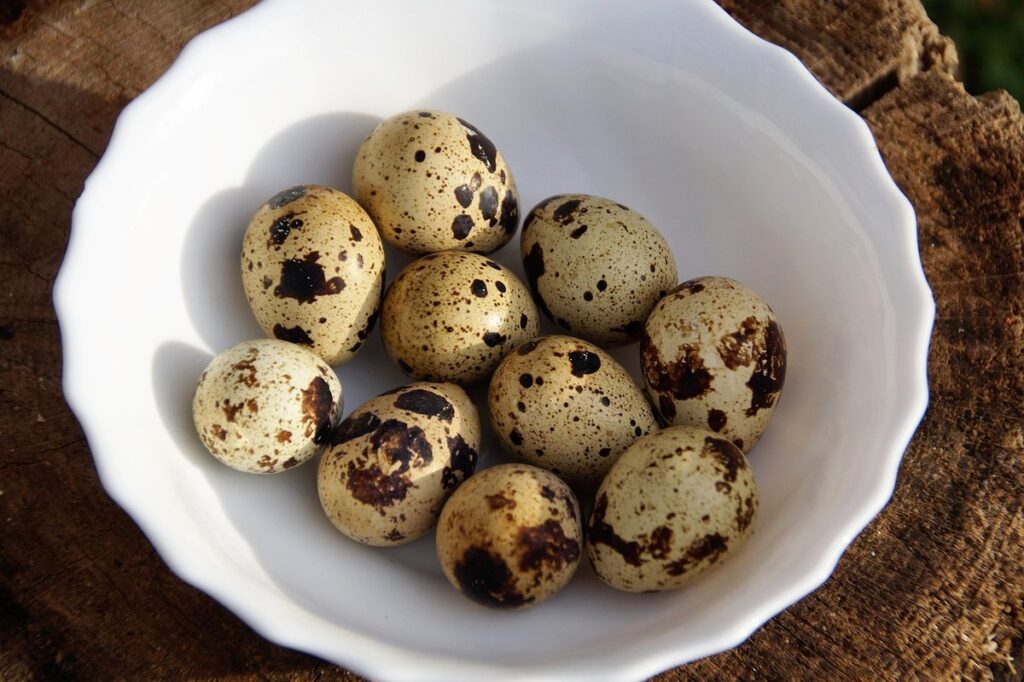
Understanding Common Quail Health Issues
Quails are prone to several common health issues that can be distressing for owners. In this section, we’ll explore some of the most prevalent conditions affecting quail health.
Identifying Symptoms of Respiratory Infections
Respiratory infections are one of the most common health issues affecting quails. As an owner, it’s essential to be able to identify the symptoms so you can provide prompt treatment and prevent further complications. The most noticeable signs of respiratory infection in quails include coughing, sneezing, and difficulty breathing.
When a quail is experiencing a respiratory infection, it may exhibit labored breathing, wheezing sounds, or even gurgling noises while inhaling or exhaling. You might also notice your quail’s nostrils flaring or its beak open wide as it tries to breathe. In severe cases, the infection can lead to respiratory failure.
To determine the severity of these symptoms, monitor your quail’s behavior and physical condition closely. Check for any changes in appetite, water intake, or droppings. If you notice any unusual signs, consult a veterinarian who specializes in poultry care. Remember that early detection is crucial in treating respiratory infections effectively.
Recognizing Signs of Parasitic Infestations
Parasitic infestations are a common health issue affecting quails worldwide. It’s essential to recognize the signs and symptoms of these infestations to provide timely treatment and prevent further complications.
Quails with parasitic infestations may exhibit a range of symptoms, including diarrhea, weight loss, lethargy, and labored breathing. Diarrhea is often characterized by loose, watery stools, while weight loss can be sudden and significant due to the parasite’s impact on nutrient absorption. Lethargy, on the other hand, can manifest as decreased activity levels or a lack of interest in food.
In addition to these symptoms, quails with parasitic infestations may also exhibit signs such as pale comb and wattles, dull eyes, or labored breathing. If you suspect your quail has a parasitic infestation, it’s crucial to act quickly by isolating the bird from other animals, improving sanitation, and providing a balanced diet.
Regular monitoring of your quails’ health is key to early detection and treatment. Look for changes in behavior, appetite, or stool quality, and consult with a veterinarian if you notice any unusual signs.
Common Quail Health Problems Caused by Nutrition
Nutritional deficiencies are one of the most common causes of health problems in quails. A diet lacking essential nutrients can lead to a range of issues, from mild to severe. For example, a deficiency in calcium can cause softening of the eggshells, making them prone to breakage and increasing the risk of embryo mortality.
Similarly, inadequate protein intake can lead to stunted growth, weakened immune systems, and reduced fertility. Quails require a balanced diet that includes a mix of grains, vegetables, fruits, and proteins. A diet consisting mainly of commercial quail feed can be problematic if it’s not supplemented with fresh foods.
Obesity is another nutritional-related issue in quails. Overfeeding or providing high-calorie foods can lead to weight gain, which increases the risk of health problems like heart disease, diabetes, and joint issues. Quails also experience malabsorption due to a diet that lacks essential fatty acids, vitamins, or minerals. A well-planned diet with regular changes can help prevent these nutritional deficiencies and promote overall quail health.
Causes of Quail Diseases: External Factors
External factors can significantly impact your quail’s health, and understanding these causes is crucial for prevention and treatment. Let’s explore some common external factors that can lead to disease in your quails.
Impact of Environment on Quail Health
The environment plays a significant role in quail health, and it’s often one of the most overlooked factors contributing to diseases. Temperature fluctuations can be particularly challenging for quails, as they are sensitive to heat stress and cold shock. When temperatures soar above 80°F (27°C), quails may experience heat exhaustion, while prolonged exposure to temperatures below 50°F (10°C) can lead to hypothermia.
Humidity levels also impact quail health, with high humidity exacerbating respiratory issues like tracheal worm infestations. Poor ventilation and inadequate dust control can create a perfect storm for disease outbreaks. Sanitation is another critical factor – dirty cages and equipment provide an ideal breeding ground for pathogens.
To mitigate the environmental impact on your quails’ health:
* Ensure adequate ventilation in their enclosure to prevent ammonia buildup.
* Monitor temperature fluctuations and maintain a stable environment between 60°F (15°C) and 80°F (27°C).
* Maintain optimal humidity levels (around 50-60%) through proper ventilation and misting systems.
* Regularly clean cages, equipment, and feeders to prevent the accumulation of pathogens.
Role of Genetics in Quail Disease Susceptibility
When it comes to quail disease susceptibility, genetics play a significant role. Research has shown that certain breeds of quails are more prone to specific diseases due to their genetic makeup. For instance, the Japanese Coturnix quail is known to be susceptible to respiratory issues, which can lead to conditions like bronchitis and pneumonia.
This means that even with proper care and management, some quails may still be more likely to develop certain health issues based on their breed. However, this doesn’t mean you’re completely powerless against disease susceptibility. You can still take steps to reduce the risk by selecting breeds that are known to be hardy and resilient.
To do this, consult with a reputable breeder or veterinarian who can advise you on which breeds are best suited for your specific climate and management conditions. Additionally, maintaining good hygiene practices, providing a balanced diet, and ensuring proper ventilation in their enclosures can all help minimize the risk of disease susceptibility.
By understanding how genetics influence quail disease susceptibility, you can take proactive steps to protect the health and well-being of your birds.
Diagnosing Quail Diseases: What to Look for
When diagnosing quail diseases, it’s essential to know what signs to look out for, so you can take swift action and get your feathered friends back on their feet. This section will help you identify common symptoms of quail diseases.
Collecting Medical History and Conducting Physical Exams
When it comes to diagnosing quail diseases, it’s essential to gather as much information as possible about the bird’s medical history and conduct a thorough physical examination. This process helps you identify potential causes of illness, assess the severity of symptoms, and inform treatment decisions.
Start by asking questions about the quail’s environment, diet, and behavior over the past few weeks or months. For example, have there been any changes to its living space or feeding schedule? Have other birds in the same enclosure shown similar symptoms? Has the quail been exposed to any new substances or contaminants?
During the physical examination, look for signs of stress, such as labored breathing, ruffled feathers, or a dull appearance. Check the quail’s eyes and ears for signs of infection or irritation, and palpate its abdomen and chest to check for masses or abnormalities.
By gathering medical history and conducting a thorough physical exam, you can gain valuable insights into the underlying causes of your quail’s illness and make more informed decisions about treatment options.
Analyzing Laboratory Test Results
When analyzing laboratory test results for quails, it’s essential to consider multiple factors to ensure accurate diagnosis. Blood work and stool samples are commonly used tests that can provide valuable insights into the bird’s overall health.
Blood work can reveal underlying issues such as anemia, liver or kidney disease, and certain infections. A complete blood count (CBC) test measures parameters like hemoglobin, hematocrit, and white blood cell count. These results help identify potential problems related to blood production and immune function.
Stool samples, on the other hand, can diagnose gastrointestinal issues such as coccidiosis or histomoniasis. By examining the sample’s consistency, color, and presence of parasites or bacteria, veterinarians can pinpoint specific infections.
When interpreting test results, it’s crucial to consider the quail’s medical history, clinical symptoms, and environmental factors. A veterinarian may need to repeat tests or perform additional diagnostic procedures to confirm a diagnosis. By combining laboratory findings with a thorough physical examination, you’ll be able to make an accurate diagnosis and develop an effective treatment plan for your quails.
Treatment Options for Quail Diseases
If your quail is suffering from a mysterious illness, understanding treatment options is crucial to giving them the best chance at recovery. Let’s explore the various treatments available for common quail diseases.
Medications and Supplements Used to Treat Quail Health Issues
When it comes to treating quail health issues, medications and supplements play a crucial role. As mentioned earlier, antibiotics are commonly used to treat bacterial infections such as respiratory diseases, sinusitis, and conjunctivitis. For example, enrofloxacin (Baytril) is often prescribed for treating respiratory infections in quails.
Antiviral medications like oseltamivir (Tamiflu) can help manage viral infections like avian influenza. However, it’s essential to consult a veterinarian before administering antiviral medication as the dosage and duration may vary depending on the specific virus and severity of the infection.
Nutritional supplements can also be beneficial in treating quail health issues. For instance, probiotics can aid in digestion and prevent bacterial overgrowth, while multivitamins can help bridge nutritional gaps and boost the immune system. It’s crucial to provide a balanced diet rich in nutrients to prevent malnutrition, which can lead to various health problems.
When using medications or supplements, always follow the recommended dosage and consult with a veterinarian to avoid any adverse effects.
Lifestyle Changes to Support Quail Recovery
When caring for quails recovering from illness, it’s essential to consider their living environment and make necessary changes to support a smooth recovery. A well-designed aviary can significantly impact a quail’s health, so let’s dive into some lifestyle modifications that can aid in the healing process.
Improving ventilation is crucial, as poor air quality can exacerbate respiratory issues common among quails. Increase airflow by adding windows or using fans to circulate air. You can also introduce plants with high oxygen-producing capabilities, such as bamboo palms or peace lilies, to enhance indoor air quality.
Reducing stress is another vital aspect of supporting a quail’s recovery. Quails are prone to anxiety and stress, which can prolong healing times. Create a calm environment by maintaining a regular routine, providing ample food and water, and minimizing disturbances during recovery periods. A quiet, peaceful atmosphere will help your feathered friend relax and focus on getting better.
By making these lifestyle adjustments, you’ll be creating an optimal environment for your quail’s recovery from illness. Remember, every little change counts in supporting the well-being of your recovering quail.
Frequently Asked Questions
What should I do if I suspect my quail has a nutritional deficiency?
If you suspect your quail has a nutritional deficiency, consult with a veterinarian who specializes in avian care to determine the best course of action. They can recommend dietary changes or supplements tailored to your quail’s specific needs.
Can environmental factors really cause quail diseases?
Yes. Environmental factors such as poor ventilation, overcrowding, and inadequate sanitation can contribute to the development of respiratory infections and other health issues in quails. Maintaining a clean and well-ventilated environment is crucial for preventing disease.
How often should I collect medical history and conduct physical exams on my quail flock?
Regular monitoring of your quail’s health is essential. It’s recommended to collect medical history, observe behavior changes, and conduct regular physical examinations at least once a week. This will help you identify potential issues early on.
What are some common lifestyle changes I can make to support my quail’s recovery from illness?
When caring for a recovering quail, ensure they receive adequate rest, nutrition, and hydration. Provide a stress-free environment by reducing flock size or separating the affected bird. Also, consider consulting with a veterinarian about implementing environmental enrichments.
Can lab test results alone confirm a diagnosis of quail disease?
No. While laboratory tests can provide valuable information, they should be used in conjunction with physical examinations and medical history to ensure an accurate diagnosis. Consulting with a veterinarian who can interpret these results is essential for making informed decisions about treatment.