
Are you an avid fan of baking or cooking who has stumbled upon quail eggs? If so, you might be wondering about their unique characteristics and how to use them in your recipes. One key aspect of working with quail eggs is understanding their color variations – but where do you start?
In this article, we’ll take a closer look at the fascinating world of quail egg colors. We’ve created a comprehensive quail egg color chart that will help you identify and distinguish between different shades. From the health benefits of these miniature eggs to exploring recipes and tips on incorporating them into your dishes, we’ll cover it all.
With our easy-to-follow guide, you’ll be well on your way to confidently using quail eggs in your culinary creations.
Understanding Quail Eggs
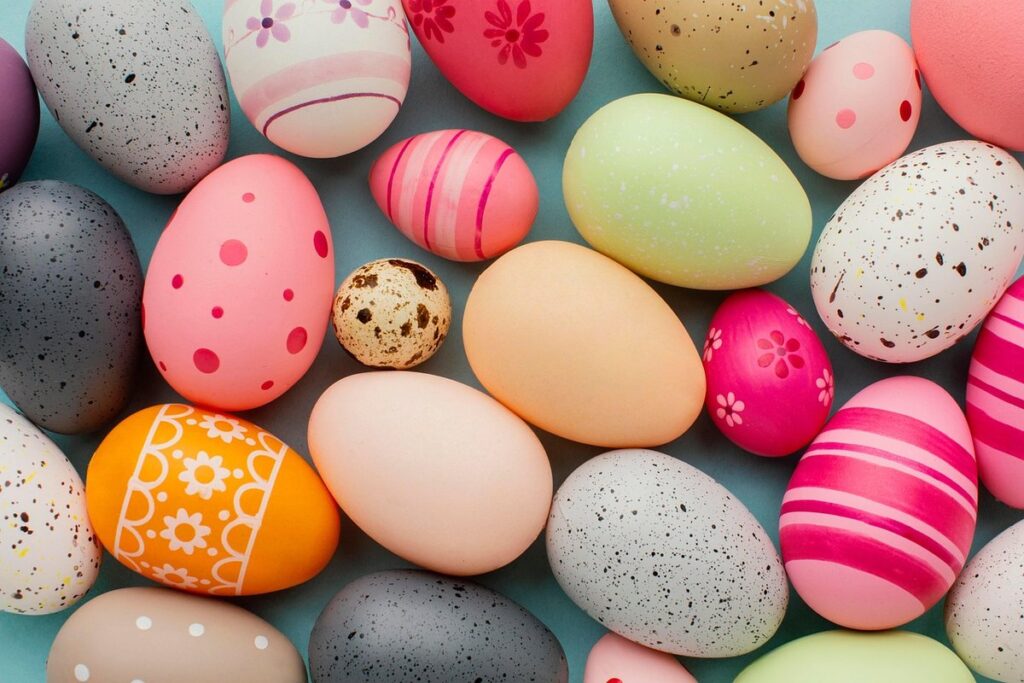
When it comes to understanding quail eggs, one of the most fascinating aspects is their incredible color diversity, which can range from pure whites and browns to intricate combinations. Let’s dive into the colors you’re likely to encounter.
What are Quail Eggs?
If you’re new to the world of quail eggs, let’s start with the basics. Quail eggs are small eggs laid by quails, a type of domesticated bird that belongs to the pheasant family. These birds are known for their unique characteristics and are often kept as pets or raised commercially for egg production.
Quail eggs are significantly smaller than chicken eggs, typically measuring around 1 inch (2.5 cm) in length and weighing about 7-10 grams. Their small size makes them an attractive option for baking, cooking, and even decorating. Quail eggs are also known for their rich, creamy texture and delicate flavor.
One of the most distinctive features of quail eggs is their shell color. Unlike chicken eggs, which come in a limited range of brown and white colors, quail eggs can have a wide variety of shell colors including pink, blue, black, white, cream, gray, and even spotted or marbled patterns. The unique shell colors are influenced by the breed of quail and their diet.
Types of Quail Eggs
When it comes to quail eggs, the color palette is just as diverse as the breeds themselves. Let’s take a look at some of the most popular types of quails known for laying vibrant eggs.
Japanese quails are one of the most recognizable and prized breeds, renowned for their compact size and prolific egg-laying abilities. They produce an array of colors, including creamy whites, soft pinks, and rich browns. Chinese quails, on the other hand, lay eggs with a more muted tone, often featuring pale yellows or light grays.
Exotic breeds like the Cotoqui and Pharaoh also make their mark on the quail egg color chart. The former lays stunning blue-green eggs, while the latter produces eggs that range from dark chocolate to rich terracotta hues. These unique colors not only add visual interest but can also enhance the nutritional profile of your eggs.
Whether you’re a seasoned quail breeder or an aspiring hobbyist, understanding the various breeds and their egg-laying capabilities will help you make informed decisions when selecting the perfect birds for your operation.
Quail Egg Color Chart
Welcome to our comprehensive guide to quail egg colors! In this next part, we’ll dive into the fascinating world of quail egg hues and explore the various colors you can expect.
Introduction to Quail Egg Colors
When it comes to quail eggs, one of the most fascinating aspects is their incredible range of colors. You’ll find white, brown, blue, green, and even pink eggs being laid by different breeds of quails. Each color is a result of genetics, with specific combinations of genes determining the final hue.
White quail eggs are perhaps the most common, but also one of the most striking due to their stark contrast against the usual brown or tan backgrounds found in many bird coops. These eggs get their whiteness from a lack of melanin, the pigment responsible for skin and hair color in birds.
Brown quail eggs owe their rich, earthy tone to higher levels of eumelanin, which gives them a deeper, more robust appearance. Blue eggs, on the other hand, result from the way light interacts with the shell’s microscopic structure – essentially an optical illusion! Green eggs are another matter altogether; they’re caused by the presence of porphyrins, chemical compounds produced by the quail as it digests food.
Pink eggs are a relatively rare occurrence and usually happen in breeds where there’s been genetic mutation or cross-breeding.
White Quail Eggs
White quail eggs are a popular variety among egg enthusiasts and chefs due to their unique characteristics. One of the most notable features of white quail eggs is their creamy texture and delicate flavor. They have a lower yolk-to-white ratio compared to other types of quail eggs, resulting in a milder taste.
Nutritionally, white quail eggs are similar to their brown counterparts but with slightly less protein content. They contain around 13-14% protein, 10-11% fat, and 75-80% water. The shell is also thinner than other types of quail eggs, making it easier to crack open.
In cooking, white quail eggs are often used in delicate dishes such as omelets, frittatas, and baked goods like croissants and muffins. They can also be pickled or made into a quail egg salad with herbs and spices. When using white quail eggs, it’s essential to cook them briefly to preserve their delicate flavor and texture.
To use white quail eggs in cooking, gently crack them into a bowl and whisk lightly before adding your desired seasonings. For baking, substitute one large chicken egg with two to three white quail eggs to achieve the same volume.
Brown Quail Eggs
Brown quail eggs have a rich, earthy tone that’s both distinctive and versatile. They’re a staple in many cuisines around the world, particularly in European and Asian cooking traditions. The unique characteristics of brown quail eggs set them apart from their white counterparts.
One key feature of brown quail eggs is their robust flavor profile. They have a slightly sweet and nutty taste that’s perfect for adding depth to dishes without overpowering other ingredients. Brown eggs are also higher in iron content compared to white eggs, making them an excellent choice for health-conscious cooks.
In terms of culinary applications, brown quail eggs pair well with a wide range of flavors. They’re often used in Mediterranean and Middle Eastern recipes, where they add a rich, earthy note to salads, pasta dishes, and grilled meats. To get the most out of your brown quail eggs, try using them as a topping for breakfast dishes or adding them to soups and stews for added nutrition and flavor.
When working with brown quail eggs, remember that their unique coloration can affect cooking times. They tend to cook slightly faster than white eggs due to their higher iron content. Monitor your heat and adjust cooking times accordingly to ensure perfectly cooked eggs every time.
How to Determine Quail Egg Color
Determining the exact shade of a quail egg can be tricky, but don’t worry, we’ll walk you through how to figure it out. Let’s dive into the process step by step!
Factors Affecting Quail Egg Color
When it comes to quail egg color, genetics and environmental factors play significant roles. The breed of your quails is one of the primary influences on their eggshell colors. Some popular breeds like Japanese Coturnix and Chinese Coturnix tend to lay eggs with different shell colors depending on their genetic makeup.
Diet also affects quail egg color. A balanced diet rich in essential nutrients, such as calcium, vitamin D3, and omega-3 fatty acids, can enhance the eggshell’s strength and coloration. Providing a varied diet with dark leafy greens like kale and spinach can contribute to more vibrant shades.
Quail eggs become darker or lighter with age due to natural desiccation processes. Generally, quails will lay lighter-shelled eggs as they mature, while younger birds tend to produce eggs with stronger, brighter colors.
In some cases, health conditions in the flock may cause eggshell changes. For instance, a diet lacking sufficient calcium can result in softer, more fragile shells. Monitoring your flock’s overall health and maintaining good hygiene practices will help minimize the impact of any potential health issues on egg coloration.
Keep in mind that individual quails may also exhibit varying patterns or shades depending on their unique genetic makeup.
Identifying Rare or Unusual Colors
When it comes to quail egg color chart, you might come across some rare or unusual colors that can be challenging to identify. These unique colors often result from specific genetics or breeding combinations, making them all the more fascinating.
Speckled eggs are one such example of a rare quail egg color. Characterized by tiny spots or specks scattered over the eggshell, these eggs are often considered one-of-a-kind. If you suspect your quail is producing speckled eggs, look closely for subtle markings that may not be immediately noticeable.
Another unusual color variation is bi-colored eggs, which feature two distinct colors on a single eggshell. This can occur due to genetic variations or even environmental factors like diet and living conditions. To determine if an egg is bi-colored, examine it carefully to distinguish between the two colors – one might dominate the other in certain areas.
Keep in mind that rare quail egg colors may require more attention from breeders who aim to preserve these unique characteristics. If you’re new to quail egg color charting or suspect your birds are producing unusual eggs, consult with experienced breeders or experts for guidance on how to proceed and what to expect.
Health Benefits of Quail Eggs
You might be surprised to learn that quail eggs aren’t just a tasty addition to your breakfast plate, but also packed with nutrients and health benefits that are worth exploring. Let’s dive into some of the amazing ways quail eggs can boost your well-being.
Nutritional Value of Quail Eggs
When it comes to nutritional value, quail eggs have several advantages over their larger chicken counterparts. One of the most significant benefits is their high protein content, which can range from 12-15 grams per egg. This makes them an excellent choice for individuals looking to boost their protein intake without consuming excessive calories.
Another notable advantage of quail eggs is their low cholesterol levels. Unlike chicken eggs, which contain around 186 milligrams of cholesterol per large egg, quail eggs have significantly lower cholesterol levels, ranging from 0.1-0.6 grams per egg. This makes them an attractive option for those monitoring their dietary cholesterol intake.
In comparison to chicken eggs, quail eggs also have a more favorable omega-3 fatty acid profile, with a higher concentration of essential fatty acids. This can provide numerous health benefits, including improved heart health and reduced inflammation.
Overall, the nutritional value of quail eggs makes them an attractive addition to any diet. Whether you’re looking to boost your protein intake or reduce your cholesterol levels, quail eggs are certainly worth considering as part of a balanced eating plan.
Potential Health Risks
When consuming quail eggs, it’s essential to be aware of potential health risks associated with their consumption. One of the primary concerns is salmonella poisoning, which can occur if the eggs are not handled and stored properly. According to the Centers for Disease Control and Prevention (CDC), approximately 1 in 20,000 eggs produced in the United States contains Salmonella.
Quail egg allergy is another potential risk, particularly in individuals who have a history of allergies or autoimmune disorders. Some people may experience mild symptoms like hives, itching, or swelling after consuming quail eggs, while others may experience more severe reactions such as anaphylaxis. To minimize these risks, it’s crucial to purchase eggs from reputable breeders or farms that follow strict cleanliness and handling protocols.
If you’re planning to start incorporating quail eggs into your diet, make sure to take necessary precautions: wash your hands thoroughly before and after handling the eggs; store them in a clean, dry container at room temperature; and cook the eggs until they reach an internal temperature of 165°F (74°C) to reduce the risk of salmonella poisoning.
Cooking and Handling Quail Eggs
When it comes to cooking with quail eggs, proper handling is crucial to bring out their unique flavor and texture. Let’s dive into some essential tips on how to handle them gently yet effectively.
Safe Handling Practices
When handling quail eggs, it’s crucial to follow safe practices to prevent contamination and foodborne illnesses. Always wash your hands thoroughly with soap and warm water before and after handling the eggs. Ensure that the storage area is clean, dry, and well-ventilated.
To store quail eggs safely:
* Keep them in a carton or container specifically designed for egg storage.
* Store them in a cool, dry place (around 40°F to 50°F) away from direct sunlight.
* Avoid storing eggs near strong-smelling foods, as odors can transfer easily.
* Quail eggs are more delicate than chicken eggs and require extra care when transporting or moving.
When transporting quail eggs:
* Use a sturdy container with padding to prevent breakage.
* Keep the eggs in an upright position to prevent cracking.
* Avoid storing eggs in areas where they may be exposed to extreme temperatures, moisture, or humidity changes.
By following these simple guidelines, you can ensure that your quail eggs are handled and stored safely, reducing the risk of contamination and keeping them fresh for longer.
Recipes Using Quail Eggs
Quail eggs are an exciting ingredient to work with due to their small size and rich, creamy flavor. Their versatility allows them to be incorporated into a wide range of dishes, from savory meals to sweet treats. Let’s take a look at some delicious recipes that showcase the possibilities of quail eggs in various cuisines.
One popular breakfast dish is Shakshuka – a North African staple made by poaching eggs in spicy tomato sauce. Quail eggs are perfectly suited for this recipe due to their small size, allowing them to cook evenly throughout. Simply crack 2-3 quail eggs into the hot sauce and cook until the whites are set.
For a sweet treat, try making Japanese-style Tamagoyaki – a rolled omelette made with quail eggs, dashi broth, and soy sauce. This recipe is a great example of how quail eggs can add depth and richness to a dish. Simply beat 2-3 quail eggs with a fork, then pour into a lightly oiled pan and roll up.
In Indian cuisine, quail eggs are often used in curries and sauces to add protein and creaminess. For instance, try making Quail Egg Curry by mixing cooked quail eggs with coconut milk, turmeric, and cumin. This is a great way to use up leftover quail eggs and add some excitement to your meals.
Quail eggs can also be pickled or boiled as a snack. Try making Pickled Quail Eggs by marinating them in vinegar, sugar, and spices for at least 30 minutes. Boiled quail eggs make a great addition to salads or pasta dishes.
These recipes demonstrate the versatility of quail eggs in various cuisines and cooking styles. Whether you’re looking to add some excitement to your breakfast routine or try something new for dinner, quail eggs are definitely worth experimenting with.
Frequently Asked Questions
How do I store quail eggs to preserve their color integrity?
When storing quail eggs, it’s essential to maintain a consistent temperature between 39°F (4°C) and 45°F (7°C). Keep them away from direct sunlight and moisture to prevent color fading or discoloration. You can store them in the refrigerator for up to two weeks before cooking.
What is the ideal way to handle quail eggs to avoid breakage?
Gently grasp the egg by its equator, rather than holding it vertically. This helps distribute the weight evenly and reduces the likelihood of breakage. When washing, use a soft-bristled brush or a clean cloth to minimize damage to the delicate shell.
Can I dye quail eggs for decorative purposes without affecting their nutritional value?
While dying quail eggs can be a fun creative project, it’s crucial to note that some dyes may contain chemicals that could potentially harm your health. Opt for food-grade or natural dyes like beets, turmeric, or coffee to minimize any risks.
Are there any specific health concerns I should be aware of when consuming quail eggs?
Quail eggs are relatively low in cholesterol compared to chicken eggs, but they still contain small amounts. Individuals with high cholesterol or heart conditions may need to consult their doctor before incorporating them into their diet.
How do I incorporate quail eggs into my recipes without compromising flavor and texture?
When substituting quail eggs for chicken eggs, use a 1:4 ratio (one quail egg equals about four times the size of a chicken egg). Adjust your seasoning and liquid content accordingly to maintain the desired consistency. Experiment with different recipe combinations to find the perfect balance of flavors.