
Quail keeping is an increasingly popular hobby, but many enthusiasts struggle to understand the intricacies of quail egg color genetics. Have you ever wondered why some quails lay blue eggs while others produce speckled or brown ones? The fascinating world of quail egg color genetics holds secrets that can help you breed the perfect birds for your flock.
As it turns out, quail egg color is determined by a combination of genetic and environmental factors. But don’t worry – we’re not going to dive into complex science jargon here! In this article, we’ll break down the basics of quail egg color genetics in simple terms, covering fundamental principles, advanced breeding techniques, and emerging technologies that are revolutionizing the field. Whether you’re a seasoned breeder or just starting out, this guide will give you the knowledge you need to unlock the full potential of your quail flock.
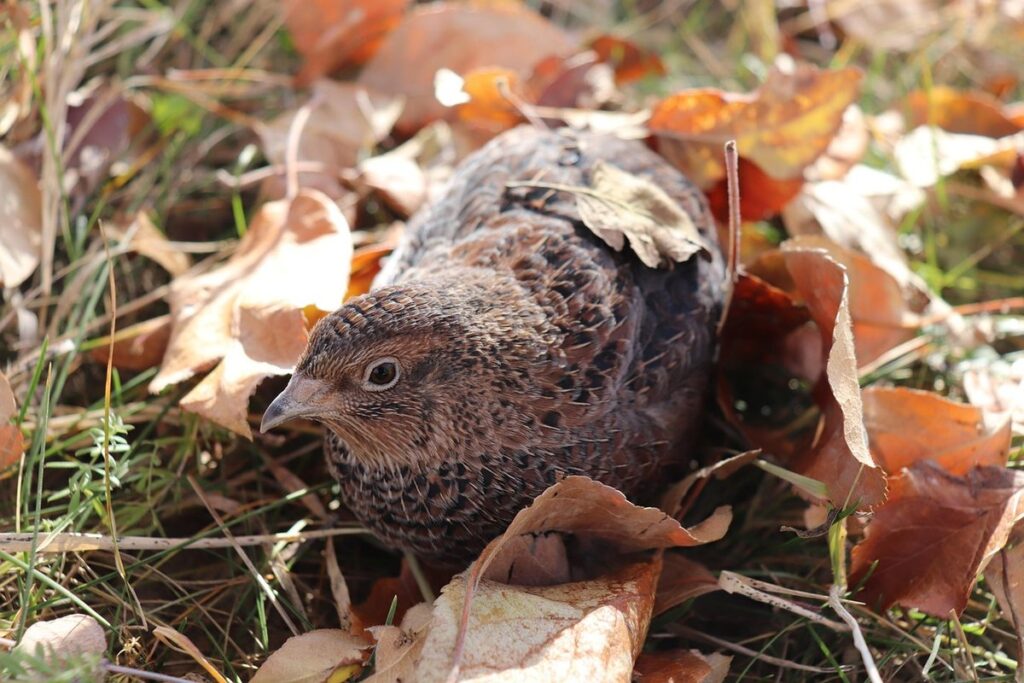
Understanding Quail Genetics
Let’s dive into the fascinating world of quail genetics, where you’ll learn how egg color is determined by specific traits and inherited characteristics. This understanding will help you predict potential egg colors in your breeding program.
The Role of Genes in Determining Quail Eggshell Colors
Genes play a crucial role in determining the color of quail eggs. Understanding this process begins with the basics of inheritance and genetic variation. In simple terms, genes are units of heredity that carry information from one generation to the next. The combination of these genes influences the eggshell color.
Quail eggshell colors are determined by multiple interacting genes working together in a process called polygenic inheritance. This means that a single gene is not responsible for a specific eggshell color, but rather it’s a result of multiple genes interacting with each other. For instance, the gene responsible for producing the pigment melanin contributes to brown or black pigmentation.
Genetic variation within quail populations leads to different eggshell colors. Breeders can exploit this variation by selecting and breeding birds that produce eggs in desirable colors. It’s essential to remember that genetic changes are gradual, so selective breeding over several generations is necessary to achieve the desired outcome.
In practical terms, understanding gene interaction and polygenic inheritance can help breeders predict potential outcomes when crossing different quail lines.
Genetic Factors Contributing to Eggshell Color Diversity
When it comes to quail egg color genetics, you’ll find that several genetic factors contribute to the remarkable diversity of shell colors. At the heart of this diversity are dominant and recessive alleles – different forms of a gene that can influence the final appearance of the eggs.
Think of an allele as a specific instruction for the production of a particular trait. In quail egg color genetics, there are two types: dominant and recessive. A dominant allele will always be expressed if an individual has one copy of it, while a recessive allele requires two copies to be seen. For example, let’s say we’re considering the gene that controls black pigment production. If an individual has one dominant “B” allele (BB or Bb), they’ll produce dark-colored eggs – but if they have two recessive “b” alleles (bb), their eggs will lack this pigment and appear pale.
Understanding these genetic principles is essential for breeders seeking to create specific eggshell colors. By selecting birds with the desired combination of dominant and recessive alleles, you can increase your chances of producing quails that lay eggs in the color you want. This knowledge also allows you to predict which eggs will hatch with certain characteristics based on their color – an important consideration for those involved in breeding programs.
The Impact of Environment on Quail Eggshell Colors
When it comes to quail eggshell colors, genetics is just one part of the equation. Environmental factors can also play a significant role in determining the final coloration of your eggs. For instance, nutrition and health are essential for producing vibrant and consistent eggshell colors.
A lack of certain nutrients like calcium or iron can lead to dull or pale-colored eggs, regardless of the bird’s genetic makeup. On the other hand, a balanced diet rich in these minerals will promote healthy eggshell production and more intense coloration. For example, research has shown that quails fed a diet high in calcium produced eggs with significantly darker brown shells compared to those fed a lower-calcium diet.
In addition to nutrition, health also affects eggshell color. Stress caused by disease or poor living conditions can lead to changes in eggshell production and coloration. For example, a bird experiencing stress may produce eggs with lighter or more irregularly colored shells. By providing optimal environmental conditions, including a balanced diet, proper healthcare, and minimal stress, you can promote the most vibrant and consistent eggshell colors possible, regardless of your quails’ genetic predispositions.
Quail Egg Color Genetics Theory
Let’s dive into the fascinating world of quail egg color genetics and explore how specific genetic combinations create unique colors and patterns in these eggs. We’ll break down the theory behind it all.
Mendelian Inheritance Patterns in Quail Eggshell Color
Mendelian inheritance patterns are crucial to understanding quail eggshell color genetics. Gregor Mendel’s laws of inheritance, formulated over a century ago, explain how traits are passed down from one generation to the next. In the context of quails, these laws dictate the likelihood of certain colors manifesting in an individual bird’s eggs.
The most common pattern is dominant/recessive inheritance. A dominant allele will always express itself, whereas a recessive allele requires two copies (one from each parent) to be expressed. For example, let’s say you have a quail that lays brown eggs due to the dominant ‘B’ gene. If it also carries the recessive ‘b’ gene, the eggshell color will be a diluted version of brown. This is why many breeders focus on selecting for specific genotypes to achieve desired colors.
Sex-linked traits, however, follow different rules. These genes reside on sex chromosomes (Z and W) and are expressed differently in males and females. In quails, sex-linked genes often influence the intensity or pattern of eggshell coloration. Breeders need to consider these patterns when selecting birds for breeding programs.
Understanding Recessive and Dominant Alleles
When it comes to understanding quail egg color genetics, two key concepts come into play: recessive and dominant alleles. At first glance, these terms might seem complex, but don’t worry – we’ll break them down for you.
Recessive alleles are the less dominant of the two. They require both parents to contribute a copy of the same allele in order to express themselves in their offspring. Think of it like a light switch: if one parent contributes the recessive allele (light switch off), and the other parent doesn’t have it, the trait won’t be expressed.
On the other hand, dominant alleles are more straightforward. If one parent has the dominant allele, it will override any combination with the recessive allele, resulting in the expression of that particular trait. Using our light switch analogy again, if one parent contributes a working light (dominant allele), even if the other parent doesn’t have it, the light will still be on.
In quail genetics, both types of alleles can contribute to eggshell color variation. For instance, the Japanese Coturnix Bantam is known for its various egg colors, ranging from white to blue and brown. Understanding how recessive and dominant alleles work together in these breeds will give you a better grasp of the genetics behind quail eggshell colors.
Complex Inheritance Patterns in Quail Eggshell Color
In addition to simple dominant and recessive patterns, quail egg color genetics can become more complex due to incomplete dominance and codominance. These phenomena result in a wider range of eggshell colors than would be expected from straightforward dominant-recessive interactions.
Incomplete dominance occurs when one allele does not completely mask the effect of another allele at the same locus. This is often observed in quail breeds where red or yellow coloration combines to produce intermediate shades like buff or lavender. For instance, a quail with one copy of the red allele (R) and one copy of the yellow allele (r) may lay eggs with an orange tint, illustrating incomplete dominance.
Codominance takes this idea further by suggesting that both alleles contribute equally to the final phenotype. A prime example is the interaction between the brown (B) and black (b) alleles in quail genetics. When both alleles are present, they combine to produce a chocolate-brown color, highlighting how codominant pairs can create rich, diverse eggshell hues.
Breeding for Desired Eggshell Colors
Breeding quails for specific eggshell colors can be a fun and rewarding process, but it requires a basic understanding of genetics. Let’s dive into the specifics of breeding for desired eggshell colors.
Selective Breeding Techniques for Quail Eggshell Color
To develop quails with specific eggshell color traits, breeders employ selective breeding techniques. This involves intentionally choosing birds with desired characteristics to breed together, increasing the likelihood of offspring inheriting those traits. For instance, to produce Coturnix quails with blue eggs, breeders might select birds that already lay blue or greenish-blue eggs and breed them with other quails known for their eggshell color.
Genetic diversity is essential in selective breeding. Quail breeds with low genetic diversity may not yield the desired results due to a limited gene pool. By incorporating quails from various backgrounds, breeders can tap into a wider range of eggshell colors. This approach requires careful selection and recording of bird characteristics over multiple generations.
To implement this technique effectively, maintain detailed records of each bird’s lineage, eggshell color, and other relevant traits. Analyze these data to determine which birds are most likely to produce offspring with the desired eggshell color. Gradually introduce new bloodlines while monitoring their impact on the breeding program to ensure continued progress towards your goal.
Managing Genetic Variation for Successful Breeding Programs
Managing genetic variation is crucial for successful breeding programs. When aiming to achieve specific eggshell colors, it’s essential to consider the genetic diversity of your quail population. A healthy and genetically diverse flock will not only increase its resilience against diseases but also provide a broader foundation for selection.
To manage genetic variation effectively, start by assessing the genetic makeup of your current stock. This can be done through DNA testing or pedigree analysis. Identify individuals that carry desirable genes associated with the desired eggshell color and incorporate them into your breeding program.
Maintaining genetic diversity is essential to avoid inbreeding depression, which can lead to reduced fertility, increased susceptibility to disease, and other issues. Implement a breeding strategy that incorporates multiple sires and dams, and consider using artificial insemination or embryo transfer to introduce new genetics without disrupting the flock’s dynamics.
Aim for a balanced gene pool by selecting quails from diverse genetic backgrounds. This will allow you to exploit the variation present in your population and make informed selections to achieve your desired eggshell colors.
The Role of DNA Testing in Quail Genetics
In recent years, DNA testing has revolutionized the field of quail genetics, allowing breeders to make informed decisions about their breeding programs. One of the key applications of DNA testing in quail genetics is identifying purebred lines. By analyzing an individual bird’s DNA, breeders can determine its genetic makeup and confirm whether it belongs to a specific breed or strain.
This information is crucial for maintaining the integrity of purebred lines and ensuring that breeders are working with high-quality stock. For example, if a breeder wants to develop a new line of silver quails, they can use DNA testing to verify that their birds carry the correct genetic markers for this coloration.
DNA testing also enables breeders to predict breeding outcomes with greater accuracy. By analyzing the genotypes of potential parents, breeders can estimate the likelihood of certain traits being passed on to offspring. This information helps breeders make more informed decisions about pairing birds and reduces the risk of unexpected results.
Breeders can access DNA testing services from various companies that specialize in avian genetics. These services typically involve collecting a small blood sample or feather clipping from the bird, which is then sent to the lab for analysis. Results are usually provided within a few weeks, giving breeders valuable insights into their birds’ genetic makeup.
Case Studies: Real-World Examples of Quail Egg Color Breeding
Let’s take a look at real-world examples of quail egg color breeding, where breeders have successfully applied genetic principles to create stunning new colors and patterns. We’ll explore their strategies in more detail.
Successful Breeding Programs for Specific Eggshell Colors
Several breeders have successfully implemented breeding programs to produce quail eggs with specific eggshell colors. For instance, a Japanese breeder achieved widespread success by focusing on breeding silver and golden egg-layers. These birds owe their striking hues to the presence of a specific gene variant that inhibits the expression of melanin, allowing the underlying pigment to dominate.
A similar program was initiated in Italy to develop quail eggs with vibrant pink and blue shells. Breeders selected for individuals exhibiting a rare genetic trait that affects the deposition of pigments, resulting in these unique colors. Through careful selection and controlled breeding, they were able to establish flocks producing consistent results.
These examples demonstrate the crucial role of genetic knowledge and selection pressure in breeding programs aimed at specific eggshell colors. By understanding the underlying genetics and carefully selecting for desirable traits, breeders can increase their chances of success. To replicate these results, it’s essential to have a deep grasp of quail egg color genetics basics, as outlined earlier in this guide.
Challenges and Limitations in Quail Egg Color Breeding
Breeders of quail eggs often face challenges when attempting to breed for specific color traits. One major hurdle is maintaining genetic diversity while selecting for desired characteristics. This can lead to a loss of genetic variation, making the population more vulnerable to disease and reducing its overall health.
To illustrate this point, consider a breeder who wants to develop a line of quails with bright blue eggs. To achieve this, they may select individuals that exhibit the desired trait and breed them together. However, this process can lead to inbreeding, which increases the risk of genetic disorders and reduces fertility.
Another challenge is the complexity of quail egg color genetics itself. With multiple genes influencing eggshell color, it’s easy for breeders to inadvertently introduce unwanted traits or lose desirable ones through selection.
To mitigate these risks, breeders should strive to maintain a diverse gene pool by incorporating new bloodlines and using proper breeding strategies. This may involve setting aside animals with unique genetic combinations as “reserve” birds to preserve genetic diversity in the long term.
Future Directions in Quail Genetics Research
As you delve deeper into quail egg color genetics, it’s exciting to consider the potential breakthroughs waiting on the horizon, from breed development to disease resistance. Let’s explore some of these emerging areas together!
Emerging Technologies and Their Potential Impact on Quail Genetics
The field of quail genetics is on the cusp of significant advancements with emerging technologies. Genomics, for instance, has enabled researchers to decipher the genetic blueprint underlying egg color traits in quails. This newfound understanding can be leveraged to develop novel methods for predicting and manipulating egg colors.
Gene editing techniques like CRISPR/Cas9 have also become increasingly prominent. By harnessing this technology, scientists can precisely modify genes responsible for egg coloration. However, the application of gene editing in quail breeding is still in its infancy. Regulatory frameworks governing the use of gene editing tools are still evolving, and caution must be exercised to ensure that these technologies are used responsibly.
In the near future, we can expect to see more research on the integration of genomics and gene editing in quail breeding programs. This synergy has the potential to accelerate the development of desirable traits while minimizing genetic diversity erosion. As the field continues to advance, it will be crucial for breeders and researchers to collaborate closely and address concerns surrounding regulatory frameworks and animal welfare.
Genomic selection, another emerging technology, holds promise for improving egg color trait accuracy in breeding programs. By integrating genomic data with traditional phenotypic assessments, breeders can make more informed decisions regarding the selection of individuals with optimal genetic profiles.
Opportunities for Further Research and Collaboration
As we delve into the fascinating world of quail egg color genetics, it’s essential to acknowledge the vast opportunities for further research and collaboration. Scientists, breeders, and enthusiasts alike can contribute to advancing our understanding of quail genetics by sharing knowledge and expertise.
One area ripe for exploration is the genetic basis of rare or unique egg colors. For instance, the development of quails with eggs in vibrant shades like lavender or peach requires a deeper understanding of the interacting genes responsible for these traits. By studying these variations, researchers can uncover new insights into gene interactions and potentially create novel breeds with extraordinary characteristics.
Collaboration between breeders, scientists, and enthusiasts is crucial to make progress in this field. Breeders can contribute their practical experience and knowledge of specific quail lines, while scientists can provide the necessary expertise in genetics and molecular biology. Enthusiasts, too, play a vital role by participating in citizen science projects or sharing their observations on online forums.
By combining our collective efforts, we can accelerate research, share best practices, and drive innovation in quail egg color genetics. This synergy will not only enhance our understanding of quail genetics but also open up new possibilities for the development of unique and valuable quail breeds.
Frequently Asked Questions
Can I breed quails for unique eggshell colors without prior knowledge of genetics?
Yes, with a basic understanding of genetic principles and the guidance provided in this article, you can start breeding quails for desired eggshell colors. However, keep in mind that breeding requires patience, careful record-keeping, and an understanding of inheritance patterns.
How do I manage genetic variation to achieve consistent results in my breeding program?
Managing genetic variation involves tracking and selecting for desirable traits while minimizing undesirable ones. This can be achieved by maintaining detailed records of your birds’ ancestry, monitoring eggshell color diversity, and implementing selective breeding techniques.
What are the limitations of relying solely on visual inspection when evaluating quail eggshell colors?
While visual inspection is a good starting point, it may not always accurately predict the genetic makeup of your birds. DNA testing can provide more accurate information about your quails’ genetic traits, helping you make informed decisions in your breeding program.
Can I use existing breeds to create new, unique eggshell color combinations?
Yes, by understanding the genetic principles behind different eggshell colors and selecting for desirable traits from existing breeds, you can create new and exciting combinations. However, be aware that introducing new genetic variation may require careful management to maintain flock health and stability.
What role does environmental influence play in determining quail eggshell colors, and how can I minimize its impact?
Environmental factors such as diet and lighting can affect eggshell color, but their influence is generally less significant than genetics. To minimize environmental impact, ensure a consistent and balanced diet, provide adequate lighting, and maintain a clean and stress-free environment for your quails.