
When it comes to birds, their eggs are often just as fascinating as they are. Among these tiny wonders is the quail egg, with its stunning color patterns that can range from classic brown and speckled to striking blue and marbled designs. But did you know that these intricate patterns aren’t just a matter of aesthetics? They’re also influenced by genetics, making each quail egg a unique little treasure.
As we delve into the world of quail egg color patterns, you’ll discover not only the science behind their creation but also the cultural significance attached to certain breeds. From rare genetic anomalies that produce breathtakingly beautiful eggs to conservation efforts aimed at preserving these remarkable creatures, our comprehensive guide will take you on a journey through the wonderful world of quail eggs.
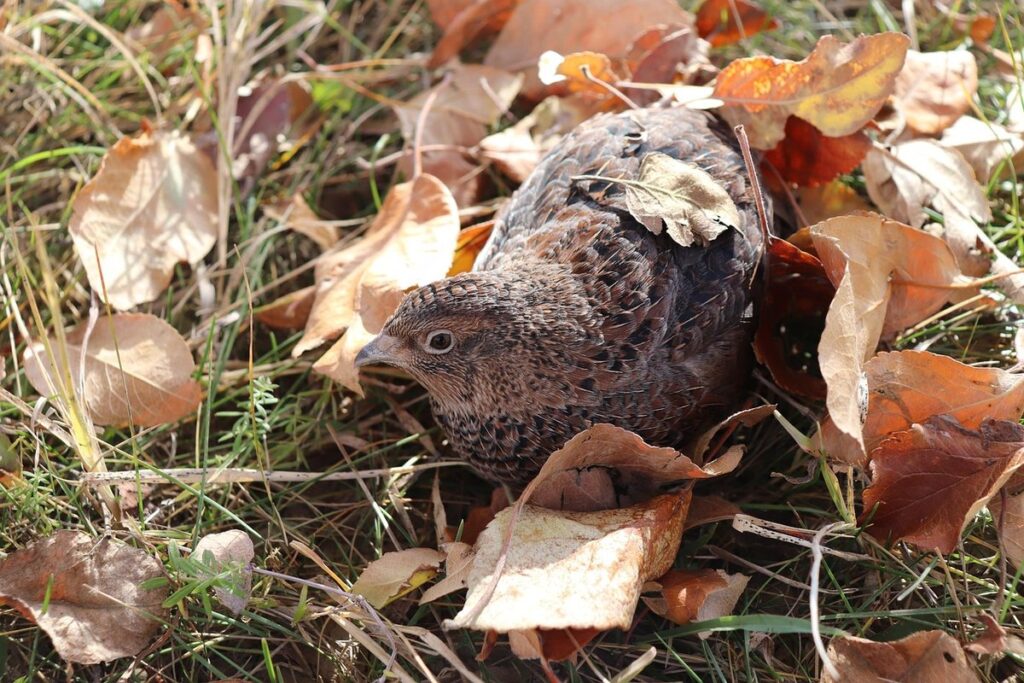
Introduction to Quail Eggs
Quail eggs come in a stunning array of colors and patterns, but have you ever stopped to consider what makes each unique? Let’s dive into the fascinating world of quail egg color patterns.
What are Quail Eggs?
Quail eggs are one of the smallest and most fascinating varieties of eggs available in the market today. These tiny eggs are laid by quails, a type of small bird that is widely kept for its meat and eggs. Quail eggs have been gaining popularity worldwide due to their unique characteristics and numerous health benefits.
What makes quail eggs special? For starters, they contain more protein and less cholesterol compared to chicken eggs. They also have a higher nutritional value, with a rich content of vitamins A, D, E, and K. The taste is often described as milder and sweeter than that of chicken eggs. These characteristics make quail eggs an attractive option for health-conscious consumers.
As the demand for quail eggs continues to rise, many farmers and producers are now cultivating them on a large scale. This increased availability has made it easier for people to incorporate quail eggs into their diet. Whether you’re looking to try something new in the kitchen or seeking out a healthier alternative, quail eggs are certainly worth exploring.
Importance of Quail Egg Color Patterns
Understanding quail egg color patterns is crucial for various stakeholders involved with these unique eggs. For breeders, recognizing patterns can help identify genetic diversity and potential characteristics of offspring, enabling informed breeding decisions. This knowledge also aids in selecting the most desirable traits for their flock, such as egg size, shape, or shell strength.
For chefs and food enthusiasts, quail egg color patterns can impact presentation and culinary appeal. Different patterns may evoke specific emotions or cultural associations, influencing consumer choices and adding value to products. For instance, the vibrant colors of Japanese-style eggs might attract customers seeking authentic flavors, while others might prefer the subtle tones of European-style eggs.
Moreover, quail egg color patterns hold significance for enthusiasts looking to raise and care for their own quails. By understanding these patterns, individuals can better evaluate their birds’ health, stress levels, and overall well-being, allowing them to provide optimal living conditions.
The Science Behind Quail Egg Coloration
Quail egg color patterns are not just visually stunning, but also a result of fascinating genetic and biochemical processes that drive their unique hues.
We’ll delve into the science behind these colors, exploring the role of pigments, proteins, and environmental factors.
Genetics and Pigmentation
When it comes to quail egg color patterns, genetics play a significant role in determining their hues. Quails, like many other birds, have dominant and recessive traits that influence the production of pigments responsible for eggshell colors.
In particular, the genes that control the synthesis of porphyrins, biliverdin, and biliverdine contribute to the development of eggshell colors. The interaction between these genes determines whether the eggs will display white, yellow, brown, blue, or even multicolored patterns. For instance, a dominant gene for yellow pigmentation can mask the effect of recessive genes, resulting in predominantly yellow-colored eggs.
To understand and predict quail egg coloration, breeders need to consider the genetic makeup of their birds. This involves identifying the specific traits that contribute to the desired eggshell colors. By manipulating these genetic factors, breeders can create new quail breeds with unique and captivating eggshell patterns.
Environmental Factors Affecting Color
Quails’ diet plays a significant role in determining egg color. The pigments responsible for eggshell coloration are produced by the quail’s body from certain nutrients found in its food. A balanced diet rich in calcium, phosphorus, and vitamin D is essential to support pigment production. For instance, quails fed with dark-colored leafy greens like spinach will lay eggs with a more intense blue or green hue.
Stress can also impact eggshell coloration in quails. Chronic stress caused by poor living conditions, disease, or lack of social interaction can lead to changes in the quail’s digestive system, affecting nutrient absorption and pigment production. As a result, stressed quails may lay eggs with lighter or less vibrant colors.
Age is another environmental factor influencing eggshell coloration. Younger quails tend to produce eggs with more intense colors as they mature. This change can be attributed to their developing reproductive systems and increasing ability to absorb nutrients from their diet.
Factors such as temperature, humidity, and light exposure may also influence eggshell coloration in certain breeds of quail.
Quail Egg Color Patterns by Breed
Each breed of quail has its own unique and fascinating egg color patterns, from delicate pastels to vibrant hues. Let’s explore some of these amazing variations together!
Japanese Coturnix Quails
Japanese Coturnix quails are known for their striking egg-laying abilities and diverse range of color patterns. These birds owe their genetic diversity to selective breeding practices over the years. As a result, Japanese Coturnix quail eggs come in a variety of colors including white, brown, blue, green, and speckled.
One of the most notable features of Japanese Coturnix quails is their ability to produce eggs with multiple color patterns. For instance, some breeders have successfully crossed these birds to produce eggs that are marbled with shades of black, red, or yellow. These unique patterns not only make for a visually appealing experience but also add an extra layer of complexity to the genetic makeup of the bird.
If you’re looking to raise Japanese Coturnix quails specifically for their egg-laying abilities, it’s essential to understand that their egg color patterns can be influenced by factors such as diet and environment. For instance, feeding your quails a diet rich in calcium can lead to an increase in the number of eggs with brown or green shells.
To capitalize on the diverse range of colors produced by Japanese Coturnix quails, it’s crucial to identify and isolate individual breeding birds based on their genetic characteristics. This is best achieved through careful observation and record-keeping, allowing you to build a robust breeding program focused on maximizing diversity while minimizing unwanted traits.
Caliornia Quails
California quails are known for their striking egg-laying abilities, producing eggs with unique and fascinating color patterns. One of the most distinctive features of California quail eggs is their brown or tan base color, which can range from a light beige to a darker chocolate tone. This rich background color provides an ideal canvas for a variety of markings.
Some common color patterns found in California quail eggs include: solid browns and tans, as well as intricate designs featuring shades of pink, gray, or blue. The intensity and distribution of these markings can vary significantly from one bird to another, making each egg truly one-of-a-kind. If you’re looking to breed California quails with specific color patterns in mind, it’s essential to research the individual characteristics of the parents. This knowledge will help you identify potential combinations that may yield eggs with the desired appearance.
When breeding for specific traits, it’s crucial to understand the genetic inheritance of these characteristics and how they interact with one another. By doing so, you’ll increase your chances of producing offspring with the exact color pattern you’re aiming for.
Rarest and Most Unusual Quail Egg Color Patterns
Let’s take a look at some of the most striking quail egg color patterns, where we find the rarest and most unusual combinations that set them apart from the ordinary. These eggs are truly one-of-a-kind wonders.
Albino and Leucistic Eggs
Among the rarest and most unusual quail egg color patterns are those caused by albinism and leucism. While often used interchangeably, these terms have distinct meanings. Albino eggs lack melanin altogether, resulting in a pure white or yellowish hue. This condition is extremely rare in quails, occurring in less than 1% of breeds.
Leucistic eggs, on the other hand, exhibit reduced pigmentation, but not complete absence. The affected areas may appear pale or washed-out, and can be seen in various shades of gray, blue, or pink. Leucism is more common than albinism, affecting around 5-10% of certain quail breeds.
It’s worth noting that true albinism is relatively rare across all bird species, including quails. Leucistic eggs, however, can be seen in various colors and intensities depending on the breed and individual quail. If you’re a breeder or enthusiast looking to incorporate unique egg patterns into your collection, understanding these conditions can help you identify potential genetic variations.
Pattern Variations and Combinations
Quails can produce eggs with an astonishing array of color patterns. One of the most captivating aspects of these patterns is their incredible diversity. While some breeds are known for producing solid-colored eggs, others exhibit striking variations and combinations that make each egg a unique gem.
Spotting is one such pattern variation where small spots or patches cover the eggshell. These can range from tiny dots to larger, irregular markings. Some breeders deliberately cultivate spotting patterns in their quails by carefully selecting breeding pairs with desirable traits. Marbling, on the other hand, gives eggs a distinctive swirly design that resembles watercolor art.
Other variations include lacework, where delicate, lacy patterns adorn the eggshell; and arrowing, which features a series of stripes or arrows radiating from the equator. Quail breeders often experiment with cross-breeding to produce new and innovative patterns, resulting in truly one-of-a-kind eggs that command high prices at specialty markets.
When attempting to create unique quail egg patterns, remember that genetics play a significant role. Researching breed characteristics and ancestry can help you predict the likelihood of specific pattern variations appearing in your flock’s offspring. With patience, careful breeding, and a dash of creativity, even novice quail enthusiasts can develop a range of remarkable colors and designs in their own backyard flocks.
Cultural Significance of Quail Eggs
Quail eggs have been a prized symbol of good fortune and prosperity in many cultures, particularly in Asian traditions where they’re often served at special occasions. Let’s explore their cultural significance further.
Symbolism and Tradition
Quail eggs have been imbued with deep cultural significance across various societies. In many Eastern cultures, they’re seen as symbols of fertility and prosperity. For instance, in Japan, quail eggs are often served at the New Year’s holiday (Oshogatsu) to wish for a bountiful harvest. Similarly, in China, they’re considered auspicious during weddings and new business ventures.
In some Latin American countries, quail eggs are associated with spirituality and mysticism. In Mexico, for example, they’re believed to possess healing properties, while in Peru, they’re used in traditional medicine to treat various ailments.
Interestingly, the intricate color patterns found on quail eggs have also been imbued with symbolic meanings. For instance, the swirling patterns of a certain breed’s eggs are said to resemble the whirlpools of life, evoking themes of creation and renewal.
When working with quail eggs in cultural contexts, it’s essential to approach these symbolisms with respect and sensitivity. By acknowledging their historical importance and traditional uses, you can tap into the rich tapestry of meanings surrounding these tiny, yet mighty, eggs.
Culinary and Decorative Uses
Quail eggs have become increasingly popular in fine dining due to their unique appearance and delicate flavor. Chefs often use them as a garnish or incorporate them into intricate dishes, such as sushi and ravioli. Their small size allows for precision in presentation, adding an artistic touch to the plate.
Beyond the culinary world, quail eggs have also become a favorite among crafty individuals. They are used in various decorative projects, including Easter egg dyeing and hand-painted ornaments. One popular method is to use natural dyes, such as beets or turmeric, to create unique patterns and colors on the quail eggs.
To incorporate quail eggs into your own culinary or craft projects, consider experimenting with different color combinations and techniques. Try using a blowtorch to create intricate designs or attempt hand-painting using fine brushes. The possibilities are endless, making quail eggs an exciting addition to any creative endeavor.
Conclusion: The Future of Quail Egg Color Patterns
As we wrap up our exploration of quail egg color patterns, let’s look ahead to the exciting developments and potential trends that may shape their future. Will we see new breeds emerging?
Breeding and Selection
As we explore the future of quail egg color patterns, it’s essential to consider the role of breeding programs and selection criteria. Breeders can influence the development of new colors by selecting birds with desirable traits and mating them strategically.
For instance, Japanese quails are often used in breeding programs due to their genetic diversity and ability to produce a wide range of colors. By focusing on specific breeds or characteristics, breeders can introduce unique color patterns into their flocks. This selective breeding approach is crucial for creating new, complex colorations that captivate egg collectors.
To successfully implement a breeding program, it’s vital to establish clear selection criteria. This might involve identifying and preserving existing color varieties, as well as introducing new genetic material to enhance diversity. Breeders should also prioritize maintaining the health and well-being of their birds throughout the selection process.
By adopting a thoughtful approach to breeding and selection, enthusiasts can unlock a wider range of quail egg colors in the future.
Conservation Efforts
As we conclude our exploration of quail egg color patterns, it’s essential to consider the conservation efforts aimed at preserving these unique and fascinating traits. Many rare and endangered breeds are facing threats to their genetic diversity due to factors like habitat loss, disease, and inbreeding.
To combat this, breeders and conservationists are working together to identify and prioritize the preservation of specific quail egg color patterns. This involves a combination of traditional breeding practices and innovative technologies such as genetic analysis and cryopreservation. For example, some organizations are using cryobanks to store sperm from rare breeds, ensuring their genetic material is preserved for future generations.
In addition, many breeders are adopting conservation-friendly breeding practices, such as outbreeding programs that help maintain genetic diversity within populations. These efforts require careful planning, record-keeping, and collaboration among breeders, scientists, and conservationists. By working together, we can ensure the long-term survival of these unique quail egg color patterns for generations to come.
Frequently Asked Questions
Can I breed quails specifically for their egg color patterns?
Breeding quails for their unique egg color patterns requires a deep understanding of genetics and pigmentation. While it’s possible to select for specific traits, the process can be complex due to the intricate interaction between genetic and environmental factors. It’s essential to research and consult with experienced breeders before attempting to breed quails specifically for their egg color patterns.
How do I care for quail eggs that have unusual or rare color patterns?
Quail eggs are delicate and require gentle handling to preserve their unique characteristics. To care for quail eggs, keep them in a cool, dry place, away from direct sunlight. Avoid washing the eggs as this can damage their natural coating. For rare or unusual egg colors, consider consulting with a veterinarian or experienced breeder for specific guidance on handling and storage.
Can I use quail eggs as a decorative item without affecting their color patterns?
Quail eggs are not only edible but also make beautiful decorative items. When using quail eggs for decoration, avoid applying any chemicals or dyes that might alter the natural pigmentation of the egg. Instead, consider using natural materials like beeswax or shellac to preserve and highlight the unique colors.
Are all quail breeds suitable for producing eggs with rare color patterns?
While some quail breeds are more prone to producing eggs with rare color patterns, it’s essential to research specific breed characteristics before selecting a breeding stock. Japanese Coturnix Quails and California Quails, for example, are known for their unique egg colors. However, individual results may vary depending on genetics and environmental factors.
How do I preserve quail eggs with unusual color patterns for long-term display?
To preserve quail eggs for long-term display, consider using a combination of natural materials like beeswax or shellac and a protective coating to seal the eggs. Avoid exposure to direct sunlight and extreme temperatures, which can cause fading or damage to the eggshell. It’s also essential to handle the eggs with care to prevent chipping or cracking of the delicate shell.