
Quail eggs are a delicacy in many cuisines around the world, prized for their rich flavor and versatility. But did you know that quail eggs come in a stunning array of colors? From traditional brown to vibrant blue, these colorful eggs not only add visual appeal but also reflect unique characteristics in terms of production requirements and nutritional profiles.
As a small-scale or commercial producer of quail eggs, understanding the various color varieties can help you stand out in the market and cater to specific consumer demands. This comprehensive guide will delve into the fascinating world of quail egg colors, exploring the differences between popular breeds like Cinnamon Queen, White Japanese, and Blue-Phoenix, as well as their production requirements and nutritional benefits.
Introduction to Quail Eggs
Let’s start by exploring the basics of quail eggs, including their unique characteristics and why they’re becoming increasingly popular in baking and cooking. We’ll dive into what makes them special from the inside out.
History and Origins of Quail Egg Breeding
The history of quail egg breeding dates back thousands of years, with ancient civilizations such as China and Japan cultivating these birds for their eggs. In the early 20th century, Japanese breeders developed the first color varieties of quail eggs by selectively breeding birds to produce eggs in various shades of brown, white, and blue.
The development of specific breeds was largely driven by regional preferences and cultural traditions. For example, the White Japanese Quail is prized for its creamy-white eggs, which are highly valued in Asian cuisine. Similarly, the Brown Coturnix Quail‘s rich, dark-brown eggs have become popular among quail enthusiasts worldwide.
Over time, breeders have continued to experiment with new color varieties, leading to a staggering array of egg colors and patterns. Today, quail egg breeders can choose from an impressive range of breeds, each with its unique characteristics and attributes. By understanding the history and origins of quail egg breeding, enthusiasts can gain valuable insights into the care and management of their own flocks.
Why Quail Eggs Are Popular Among Chefs and Home Cooks
Chefs and home cooks alike have fallen in love with quail eggs due to their unique characteristics. One of the primary reasons is their delicate flavor profile, which is often described as more subtle and nuanced compared to chicken eggs. This makes them an excellent choice for dishes where a rich, bold flavor might overpower other ingredients.
Quail eggs are also prized for their nutritional value. They contain a higher proportion of omega-3 fatty acids, vitamins, and minerals compared to larger eggs. This makes them an attractive option for health-conscious cooks who want to add extra nutrients to their meals without sacrificing taste.
In terms of versatility in recipes, quail eggs can be used as a substitute for chicken eggs or added to enhance the flavor and texture of various dishes. They are particularly well-suited for Asian-inspired cuisine, where they’re often served steamed or stir-fried with vegetables.
The Main Color Varieties of Quail Eggs
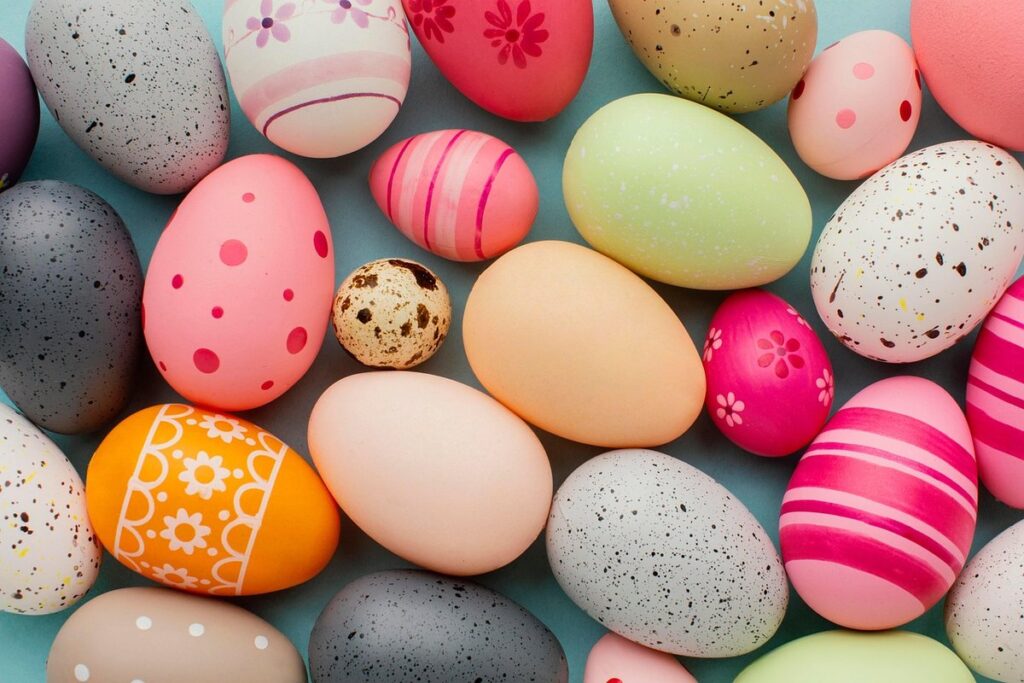
Let’s dive into the main color varieties of quail eggs, which can range from soft pastels to vibrant hues and even metallic sheens. We’ll explore these beautiful colors in detail here.
Brown-Shell Quails: Characteristics and Breeds
Brown-shell quails are known for their rich, earthy tones and robust characteristics. Among these breeds, some popular ones include the Coturnix Quail, Japanese Quail, and California Quail.
The Coturnix Quail is a top pick among backyard farmers due to its exceptional egg-laying capacity. On average, one hen will lay about 200-300 brown eggs per year. Their temperament is friendly and docile, making them an excellent choice for family-owned farms or small-scale quail breeding operations.
Another notable breed is the Japanese Quail, which lays a moderate number of brown eggs (around 150-200 per year). However, their egg size is larger compared to other breeds, weighing around 16-18 grams. Their unique feature lies in their impressive foraging ability and adaptability to various environments.
In terms of unique features, the California Quail stands out with its striking topknot feathers and rusty-brown plumage. Despite being relatively low-maintenance birds, they do require regular exercise and adequate ventilation to maintain optimal health.
When raising brown-shell quails, it’s essential to provide a balanced diet rich in protein, calcium, and vitamins. This will ensure healthy egg production and overall well-being of the flock.
White-Shell Quails: Genetics and Feeding Requirements
White-shell quails get their distinctive color from the absence of melanin production. Unlike other quail breeds that produce pigments to achieve specific colors, white-shell quails have a genetic makeup that suppresses melanin production entirely. This characteristic is what gives them their pure white eggs.
To ensure your white-shell quails produce high-quality eggs, it’s essential to provide them with the right diet. These birds require a balanced mix of proteins, vitamins, and minerals to maintain optimal health. A good quality commercial quail feed should form the base of their diet, supplemented with fresh fruits and vegetables to keep things interesting.
Fresh water and adequate calcium are also crucial for strong eggshell production. As an added tip, you can provide crushed oyster shells or dark leafy greens like kale to boost calcium levels naturally. A clean living environment and sufficient space will help your quails stay happy and healthy, which in turn should result in higher quality eggs with fewer imperfections.
Gray-Shell Quails: Rare Breeds and Their Egg Characteristics
Gray-shell quails are among the rarest and most fascinating breeds when it comes to their egg-laying abilities. These birds belong to several distinct varieties, each with its unique characteristics that set them apart from other quail breeds.
Some of the notable gray-shell quail breeds include the Japanese Coturnix Bantam, the Chinese Coturnix Quail, and the Button Quail. One of the key differences between these breeds is their egg size and coloration. For instance, the Japanese Coturnix Bantam lays relatively large eggs with a light gray to pale blue tint, while the Chinese Coturnix Quail produces smaller eggs with a more pronounced gray shell.
Breeding gray-shell quails can be quite challenging due to their sensitivity to environmental conditions. These birds require precise temperature control and humidity levels to thrive. Experienced breeders often recommend keeping them in controlled environments, such as indoor aviaries or greenhouses, where the climate is more stable.
In terms of egg characteristics, gray-shell quail eggs are prized for their unique coloration and texture. They have a thicker shell than other quail breeds, which makes them less prone to breakage during handling. The eggs also tend to be more oval in shape, with a slightly pointed end.
Uncommon Color Varieties of Quail Eggs
While many quail eggs are brown or white, some breeds produce stunningly different colors that will take your breath away and add a pop of personality to any dish. Let’s explore these unique color varieties together.
Red-Shelled Quails: Breed Development and Egg Production
Red-shelled quails have been gaining popularity among backyard farmers and commercial producers due to their unique egg coloration. However, it’s essential to understand the development of these breeds and their potential for commercial production.
The development of red-shelled quail breeds began with the introduction of Japanese Coturnix quails in the 1990s. Breeders selectively bred these birds to enhance their red shell trait, resulting in a more consistent and intense red coloration. Today, several breeds exhibit this distinctive characteristic, including the Red Shelled Coturnix and the Crimson Belle.
In terms of egg-laying capacity, red-shelled quails are known for their high productivity, with some breeds laying up to 300 eggs per year. This makes them an attractive option for commercial producers looking to capitalize on the demand for unique egg colors. When raising red-shelled quails for commercial production, it’s crucial to provide a nutrient-rich diet and optimal living conditions to ensure consistent egg production.
Some breeders have successfully incorporated red-shelled quails into their farm operations, selling these eggs at a premium due to their distinctive coloration. If you’re considering adding red-shelled quails to your flock, start by selecting a reputable breeder and prioritizing genetics that emphasize the desired trait. With proper care and management, you can capitalize on the growing demand for unique egg colors.
Blue-Shelled Quails: Genetics and Potential Challenges
Blue-shelled quails owe their unique color to a specific genetic combination that produces a pigment called porphyrin. This pigment is responsible for the blue-green hue of their eggs. To obtain this trait, breeders often use Japanese or Chinese blue-shelled quail males and combine them with females from various other breeds. However, breeding blue-shelled quails can be challenging due to their recessive nature.
This means that even if both parents appear blue-shelled, they may not pass on the desired trait to their offspring. To increase the chances of successful breeding, breeders often use inbreeding or line-breeding techniques. These methods involve mating individuals with similar genetic makeup to concentrate the desired traits.
Despite these challenges, many breeders enjoy the process of cultivating blue-shelled quails and find it rewarding to see the unique eggs they produce. With careful planning and attention to genetics, breeders can successfully raise blue-shelled quails and showcase their distinctive eggs.
Factors Affecting Quail Egg Color
Quail egg color can be influenced by several factors, including genetics, diet, and even environmental conditions. Let’s explore these variables that affect quail egg hue.
Nutrition and Diet Impact on Eggshell Color
When it comes to determining the color of your quail eggs, nutrition plays a crucial role. The type and quality of feed you provide to your quails can significantly impact the pigmentation of their eggshells. For instance, quails fed on a diet rich in beta-carotene will produce eggs with a yellow or orange tint due to the conversion of this pigment into vitamin A.
On the other hand, quails receiving supplements containing lutein and zeaxanthin will likely lay eggs with a stronger blue or green undertone. These carotenoids are responsible for enhancing pigmentation in eggshells, resulting in more vibrant colors. It’s essential to note that excessive intake of certain nutrients can also affect eggshell color.
A balanced diet consisting of a mix of commercial quail feed and fresh fruits, vegetables, and herbs can promote healthy egg production and desirable coloration. For example, adding dark leafy greens like kale or spinach to their diet can contribute to the production of eggs with rich brown tones.
By adjusting your quails’ nutrition accordingly, you can experiment with different feed types and supplements to influence the color palette of their eggs.
Environmental Factors Influencing Eggshell Color
When it comes to quail eggs, environmental factors play a significant role in determining their eggshell color. Temperature, light exposure, and humidity are the primary environmental influencers that affect the coloration of quail eggs.
Temperature fluctuations can cause variations in eggshell pigmentation. For instance, if your quails are exposed to extremely hot temperatures during the day and cold temperatures at night, it may result in a more muted or washed-out eggshell color. Conversely, consistent temperatures between 18-22°C (64-72°F) will promote healthier egg production and vibrant shell colors.
Light exposure is also crucial in determining eggshell color. Quails exposed to natural light will typically produce eggs with richer, deeper colors. On the other hand, quails kept in dark or low-light environments may lay eggs with pale or washed-out colors. Humidity levels also impact eggshell color, as high humidity can cause eggs to become stained or discolored.
To promote optimal egg production and vibrant shell colors, ensure that your quail’s environment is well-ventilated, and maintain consistent temperature and humidity levels between 40-60% relative humidity.
Choosing Quail Breeds for Your Flock
When selecting quail breeds for your flock, it’s essential to consider not only their egg-laying abilities but also the potential colors of those eggs. Some breeds are more likely to produce certain colors than others.
Considerations for Small-Scale and Commercial Producers
As a small-scale producer looking to add quail eggs to your farm or as a commercial operator wanting to expand your quail egg production, selecting the right breed is crucial. For small-scale producers, you’ll want breeds that are easy to manage, hardy, and produce consistent quantities of high-quality eggs. Consider breeds like Coturnix, Button, or Japanese Quails, which are known for their friendly nature, docile temperament, and adaptability.
For commercial operators, the focus shifts to breeds that offer higher egg production rates, such as Jungle Fowl, Pharaoh, or Italian Quails. These breeds can provide larger quantities of eggs with minimal labor input. However, you’ll need to factor in the costs associated with housing and caring for these birds, which may be higher due to their increased size and appetite.
When choosing a breed, consider your local market demand and consumer preferences. Will customers prefer unique colored eggs like blue or green? If so, breeds that naturally lay these colors may be more suitable. On the other hand, if you’re looking to supply larger quantities of standard brown eggs, different breeds may be more economical.
Tips for Maintaining Healthy Quail Flocks
Maintaining a healthy quail flock is crucial to ensure that you get the best eggs from your birds. When it comes to parasite control, it’s essential to monitor your quails regularly for signs of internal parasites such as coccidiosis and roundworms. You can use probiotics or antiparasitic medication to prevent infestations.
Vaccination is also vital in maintaining a healthy flock. Vaccinations protect against diseases such as Newcastle disease, infectious bronchitis, and infectious laryngotracheitis. Consult with your veterinarian to determine the best vaccination schedule for your quails based on their age, health status, and the region you’re located in.
Biosecurity measures are also crucial to prevent the introduction of diseases into your flock. This includes regular cleaning of coops, quarantine procedures for new birds, and isolation of sick birds. You should also monitor your quails’ behavior daily for signs of illness or stress, such as changes in appetite, lethargy, or feather loss.
By following these essential tips, you can maintain a healthy quail flock that will provide you with the beautiful egg colors we discussed earlier in this guide.
Conclusion: Exploring the Diversity of Quail Egg Color Varieties
As we’ve journeyed through the fascinating world of quail egg color varieties, let’s now explore the diverse range of colors and patterns that these eggs come in.
Recap of Key Points and Recommendations
In this comprehensive guide to quail egg color varieties, we’ve explored the fascinating world of these miniature eggs. From the delicate pastel hues of Japanese Coturnix quails to the vibrant blues and greens of Button quails, each breed boasts its unique charm. Now that you’ve delved into the various shades and patterns, let’s recap the key points and recommendations for further exploration.
Throughout this article, we’ve discussed over 15 distinct breeds, each with their own egg color characteristics. We touched on the importance of genetics in determining eggshell colors and how environmental factors can sometimes influence them. Some breeds, like the California White, are known for their pale blue-green eggs, while others, such as the Blue Danish, lay eggs with a striking iridescent sheen.
If you’re interested in raising quails or experimenting with different breeds, it’s essential to consider not only eggshell color but also temperament and egg-laying capacity. For instance, some breeds may be more suited for backyard farming due to their noise levels or hardiness.
For those looking to start their own quail-keeping venture, I recommend beginning with a few beginner-friendly breeds like the Coturnix or Button quails. These birds are relatively easy to care for and can provide a wealth of eggs while being gentle on your wallet.
To further explore this captivating world of quail egg colors, I suggest consulting reputable sources such as the American Bantam Association or local breed clubs. Not only will these organizations offer expert advice but also allow you to connect with fellow enthusiasts who share your passion for these charming birds.
Frequently Asked Questions
Can I breed my own quail eggs with a unique color variety?
Quail egg breeding is a complex process that requires significant expertise and resources. If you’re interested in breeding your own quail eggs, it’s essential to research the specific requirements for the desired breed and consult with experienced breeders. Start by selecting birds from reputable sources and follow strict genetic selection criteria to increase the chances of producing eggs with the desired color.
How do I determine the nutritional profile of my quail eggs?
The nutritional profile of quail eggs can be influenced by factors such as diet, environmental conditions, and breed characteristics. To determine the nutritional profile of your quail eggs, consider consulting a poultry nutritionist or conducting regular egg analyses to assess fat content, protein levels, and other key metrics.
Can I mix different color varieties in my flock for better egg diversity?
While mixing different color varieties can be an attractive idea, it’s crucial to consider the potential risks of genetic dilution and disease transmission. It’s recommended to start with a single breed or carefully select birds from reputable sources to minimize these risks and ensure the health and productivity of your flock.
How do environmental factors impact quail egg color?
Environmental factors such as temperature, humidity, and light exposure can influence the production of pigments in quail eggs, resulting in variations in color. Factors like diet and breed characteristics also play a crucial role in determining the final eggshell color. By controlling these environmental conditions, you can optimize your quail egg production.
Can I use quail eggs as a primary source of income?
Yes, with proper planning, marketing, and customer demand, it’s possible to generate a significant income from quail egg sales. Consider factors like breed selection, flock management, market competition, and consumer preferences when determining the viability of your quail egg business.