
If you’re raising quails for their eggs, you know how crucial it is to create an ideal environment for them to thrive. One often-overlooked aspect of quail care is maintaining the right humidity levels. Believe it or not, the moisture in your quail’s enclosure has a significant impact on egg quality and fertility.
Ideal humidity levels for quails fall between 50-60%, and getting this just right can be the difference between healthy, fertile eggs and those with reduced viability. In this article, we’ll explore the importance of maintaining these optimal humidity levels, what factors can affect them, and how to monitor and adjust your quail’s environment accordingly. By the end of it, you’ll know exactly why ideal humidity is crucial for high-quality quail eggs and be equipped with actionable tips to ensure the best possible outcomes for your birds.
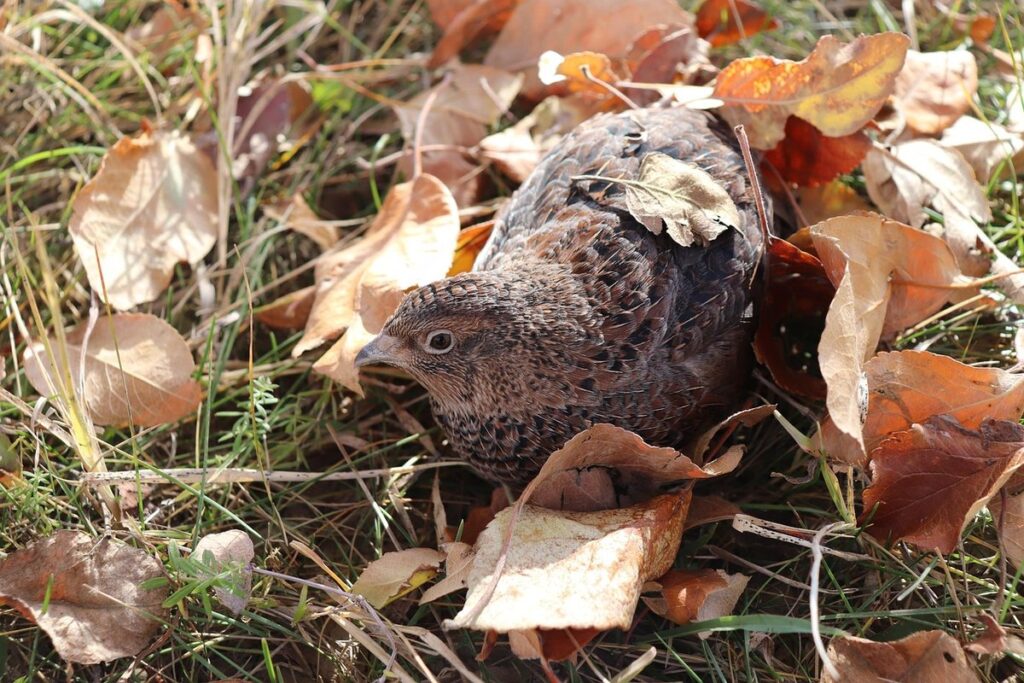
Understanding Quail Eggs and Their Requirements
To raise quail eggs successfully, you need to understand their specific requirements, including ideal temperature and humidity levels that support optimal development. This section explains what those requirements are.
Quail Egg Characteristics and Benefits
Quail eggs are a delicacy that has gained popularity worldwide due to their unique characteristics and numerous health benefits. One of the most distinctive features of quail eggs is their size – they are approximately one-third the size of chicken eggs, making them an ideal choice for baking and cooking.
The shell texture of quail eggs is also worth mentioning. It’s thinner and more delicate compared to chicken eggs, which requires gentle handling to prevent breakage. In terms of nutritional content, quail eggs are a powerhouse of protein – they contain about 6-7 grams per large egg. Additionally, they have low cholesterol levels, making them an excellent choice for health-conscious individuals.
Consuming quail eggs has been linked to several health benefits, including improved cardiovascular health and enhanced muscle growth due to their high protein content. In many Asian cultures, quail eggs are also used as a remedy for various ailments, such as allergies and skin conditions. To get the most out of quail eggs, it’s essential to store them properly in a humid environment – this is where humidity control comes into play. A consistent humidity level between 50-60% will help maintain the freshness and quality of your quail eggs.
Environmental Factors Affecting Quail Egg Quality
When it comes to quail egg quality and fertility, environmental factors play a significant role. Temperature, ventilation, and lighting are crucial aspects that can impact the overall health of quails and the quality of their eggs.
Temperature fluctuations can cause stress on quails, leading to reduced egg production and lower fertility rates. If the temperature is too high, it can also lead to a phenomenon known as “broody behavior,” where female quails stop laying eggs altogether in an attempt to incubate the ones they already have. Conversely, if the temperature is too low, it can result in decreased fertility and reduced egg quality.
Proper ventilation is equally important, as poor air circulation can lead to ammonia buildup from the birds’ droppings, causing respiratory issues that further compromise quail health. Similarly, inadequate lighting can disrupt the circadian rhythms of quails, affecting their natural behavior and reproductive cycles. By maintaining a stable and healthy environment for your quails, you’ll be more likely to produce high-quality eggs with optimal fertility rates.
Maintaining an ideal temperature range between 60°F and 75°F (15°C and 24°C) is essential, as well as ensuring good air circulation and providing adequate lighting that mimics natural daylight patterns. By doing so, you can create a harmonious environment for your quails to thrive in, ultimately resulting in better egg quality and higher fertility rates.
The Impact of Humidity on Quail Eggs
As you carefully tend to your quail eggs, it’s essential to consider how humidity affects their development, and I’m about to share the surprising ways it impacts incubation. Let’s dive into the details together!
Optimal Humidity Levels for Quail Egg Production
When it comes to quail egg production, maintaining optimal humidity levels is crucial for successful incubation and hatch rates. The ideal range for quail eggs falls between 50-60% relative humidity (RH). This narrow window allows for the perfect balance of moisture retention and evaporation, promoting healthy embryonic development.
If humidity levels dip below this range, fertility rates can decline significantly. At 40-45% RH, embryo mortality increases, while eggshell quality suffers. Conversely, if humidity is too high – above 65% RH – eggs become more susceptible to mold growth, which can lead to the demise of embryos and hatching difficulties.
In practical terms, maintaining optimal humidity levels means adjusting your incubation setup regularly. For example, you might need to increase ventilation on hot days or use a humidifier during dry spells. Monitoring temperature and humidity levels closely will help ensure that your quail eggs develop under ideal conditions. By keeping the RH within this sweet spot, you’ll be well on your way to successfully hatching healthy quail chicks.
Effects of Low Humidity on Quail Eggs
When quails experience low humidity, their eggs are particularly vulnerable to water loss. This can lead to a phenomenon known as “moisture loss,” where the eggshell becomes thinner and more prone to cracking due to its inability to retain moisture. As a result, quail eggs may show signs of shrinkage, a condition that affects the overall quality of the egg.
Low humidity also takes a toll on fertility rates. In environments with inadequate moisture levels, sperm viability decreases significantly, making it challenging for fertile eggs to be produced. For instance, studies have shown that when relative humidity is maintained below 40%, fertility rates can drop by as much as 30%. Furthermore, low humidity can cause the eggshell membrane to become brittle and susceptible to cracking. This increased fragility makes it more likely for quail eggs to crack during handling or storage.
To mitigate these effects, it’s essential to maintain optimal humidity levels in quail housing.
Managing Humidity in Quail Egg Production Systems
Maintaining optimal humidity levels is crucial for quail egg production, so let’s dive into some practical strategies to manage humidity in your quail egg systems effectively.
Types of Humidification Systems for Quails
When it comes to managing humidity levels in quail egg production systems, choosing the right humidification system is crucial. There are several common types of humidification systems used in quail egg production, each with its own set of advantages and disadvantages.
Misting systems involve spraying water droplets into the air through a series of nozzles. This method is effective for small-scale operations but can be expensive to maintain and may not provide consistent humidity levels. On the other hand, fogging systems release a fine mist of water vapor that can cover larger areas and are often more energy-efficient than misting systems. However, they require regular cleaning to prevent bacterial growth.
Ventilation systems are another option for maintaining optimal humidity levels in quail egg production. These systems work by circulating air through the coop, which helps to regulate temperature and humidity. This method is cost-effective but may not be suitable for very small operations or those with limited space.
It’s essential to consider factors like energy efficiency, maintenance costs, and humidity control accuracy when selecting a humidification system for your quail egg production operation.
Monitoring and Maintaining Optimal Humidity Levels
Monitoring and maintaining optimal humidity levels is crucial for quail egg production. You can’t just guess at the right level; you need to measure it accurately using a hygrometer or other devices specifically designed for this purpose. These tools will give you precise readings, usually in percentage form (e.g., 50% relative humidity).
To ensure accuracy, choose a device that’s calibrated regularly and suitable for your facility’s temperature range. Digital hygrometers are popular choices because they provide quick and easy-to-read results. Some models even come with alarms that alert you when the humidity level exceeds or falls below set parameters.
When it comes to maintaining optimal levels, regular maintenance is essential. This includes cleaning or replacing filters, checking for water leaks, and inspecting equipment for proper function. Adjustments can be made by increasing or decreasing ventilation rates, adding more or less moisture to the air, or changing the temperature settings.
Remember that optimal humidity levels vary between 40-60% relative humidity, depending on your quail egg production system’s specific needs. Keep an eye on these levels and make adjustments as necessary to ensure a healthy environment for your quails.
The Role of Nutrition in Quail Egg Humidity Regulation
When it comes to maintaining optimal humidity levels for quail eggs, proper nutrition is crucial. Let’s explore how a balanced diet affects the moisture balance within these delicate eggs.
Nutritional Factors Affecting Quail Egg Humidity
Nutritional factors play a significant role in regulating quail egg humidity. The quality of eggs produced by quails is directly linked to their dietary intake, particularly the balance of protein and electrolytes. A diet rich in protein can lead to increased moisture content within the egg, while an imbalanced electrolyte profile may cause excessive moisture loss.
To maintain optimal egg quality, it’s essential to provide a balanced diet that meets the nutritional needs of quails. This includes a mix of high-quality proteins, vitamins, and minerals, along with adequate water intake. A balanced electrolyte profile is crucial to prevent excessive moisture loss from eggs. Quail farmers can achieve this by incorporating supplements rich in potassium and other essential minerals into their birds’ feed.
For instance, adding electrolyte-rich ingredients like seaweed or oyster shells to quails’ diets has shown significant improvements in egg quality and humidity control. By monitoring and adjusting the nutritional intake of quails, farmers can take a proactive approach to maintaining optimal egg humidity levels. This is particularly crucial during periods of hot weather when moisture loss can be more pronounced.
Supplements and Additives for Improved Quail Egg Quality
When it comes to improving quail egg quality and fertility, many producers turn to supplements and additives. One of the most popular options is vitamin D3, which helps maintain a healthy reproductive system in quails. Research has shown that vitamin D3 supplementation can increase egg production by up to 20% and improve fertility rates.
Another key supplement used in quail egg production is probiotics. These beneficial bacteria help maintain a balanced gut microbiome, which is essential for overall health and fertility. A study found that probiotic supplementation reduced stress levels in quails, leading to improved egg quality and increased hatchability.
Some producers also use electrolyte supplements to combat stress-related issues and maintain optimal humidity levels. These supplements can help regulate the body’s water balance, reducing the risk of dehydration and related complications.
While these supplements show promise, it’s essential to note that over-supplementation can be detrimental to quail health. Always follow recommended dosages and consult with a veterinarian before introducing new supplements to your flock.
Case Studies: Successful Humidity Management in Quail Egg Production
Let’s take a closer look at how successful quail egg producers have mastered humidity management, and what you can learn from their approaches to optimize your own operations. Case studies showcase best practices that deliver impressive results in terms of egg quality and hatching rates.
Examples of Effective Humidity Control in Commercial Operations
Implementing effective humidity control is crucial for commercial quail egg production operations. Let’s take a closer look at real-world examples of successful humidity management strategies and their impact on egg quality, fertility, and overall operation efficiency.
One notable example is the Green Eggs Farm in California, which has seen significant improvements in egg quality since implementing a precise humidity control system. By maintaining an optimal relative humidity (RH) range between 50-60%, they’ve observed a noticeable increase in eggshell thickness and a decrease in breakage rates. This is largely due to the reduction in moisture-related stress on the quails, allowing them to maintain healthier reproductive systems.
Another successful example is the Indian-based farm, Pristine Poultry, which adopted an advanced climate control system that incorporates humidity sensors and automated ventilation controls. By maintaining a stable RH of around 55% during breeding periods, they’ve achieved higher fertility rates (up to 95%) compared to their previous average of 80%. Furthermore, they’ve also noticed improved quail health, reduced mortality rates, and enhanced overall egg quality.
A key takeaway from these examples is the importance of maintaining a consistent RH within a narrow range. This can be achieved through various strategies such as:
• Regular monitoring of temperature and humidity levels
• Adjusting ventilation rates to prevent moisture buildup
• Using desiccants or dehumidifiers when necessary
• Incorporating automated controls for precision adjustments
By adopting similar strategies, commercial quail egg producers can enjoy benefits including improved egg quality, increased fertility, and enhanced operational efficiency. Regular monitoring of temperature and humidity levels is essential for making data-driven decisions to optimize your facility’s environment and maximize production output.
Conclusion: The Crucial Role of Humidity Control in Quail Egg Production
In conclusion, humidity control plays a vital role in quail egg production. By maintaining optimal levels of moisture, you can significantly impact the quality and quantity of your eggs. A stable environment with precise temperature and humidity settings will not only ensure healthy hens but also contribute to better eggshell development, reducing breakages and defects.
In practice, this means regularly monitoring and adjusting the humidity levels in your quail house or coop. You can do this by using hygrometers or moisture meters, which provide accurate readings of the current humidity level. Aim for a range between 50-60% relative humidity to promote optimal egg production and prevent issues such as respiratory problems or excessive moisture leading to mold growth.
By prioritizing humidity control in your quail egg production setup, you’ll be able to create a more efficient, healthy, and productive environment for your birds. This, in turn, will lead to higher-quality eggs that meet your market’s demands and expectations.
Frequently Asked Questions
How do I monitor humidity levels in my quail’s enclosure?
To ensure you’re maintaining the optimal humidity range, invest in a hygrometer specifically designed for poultry enclosures. This tool will provide accurate readings of temperature and humidity levels, allowing you to make adjustments as needed.
What happens if I notice sudden drops in humidity levels?
Yes, sudden changes in humidity can have a significant impact on quail egg quality. If you notice a drop in humidity, inspect your enclosure for any signs of leaks or water evaporation. Make necessary repairs and consider increasing the water availability to maintain optimal moisture levels.
Can high humidity lead to mold growth in my quail’s environment?
Yes, high humidity can indeed lead to mold growth if not properly managed. To prevent this, ensure good air circulation within your enclosure by placing it on a slight incline or using fans to circulate air. Regularly clean and disinfect the area to maintain a healthy environment.
How often should I check and adjust my quail’s humidity levels?
It’s essential to monitor and adjust humidity levels regularly, ideally every 2-3 days, especially during temperature fluctuations or changes in weather outside. This will help prevent sudden drops or spikes that can negatively impact egg quality.
Can I use a humidifier specifically designed for humans in my quail’s enclosure?
No, it’s not recommended to use human-grade humidifiers for your quails due to potential bacterial contamination and health risks. Opt for a poultry-specific humidification system or consult with an expert to determine the best solution for maintaining optimal humidity levels in your quail’s environment.