
When it comes to choosing between quail and chicken eggs, many of us are unsure about which one is better. But did you know that these two types of eggs have some significant differences when it comes to nutrition, cost, farming practices, taste, and health benefits? Quail eggs, in particular, have gained popularity in recent years due to their unique characteristics and versatility in cooking. In this article, we’ll delve into the world of quail and chicken eggs, exploring what sets them apart and how you can incorporate quail eggs into your recipes. We’ll also discuss the pros and cons of each type, from nutritional content to cost, so that you can make informed choices about which egg is right for you and your family.
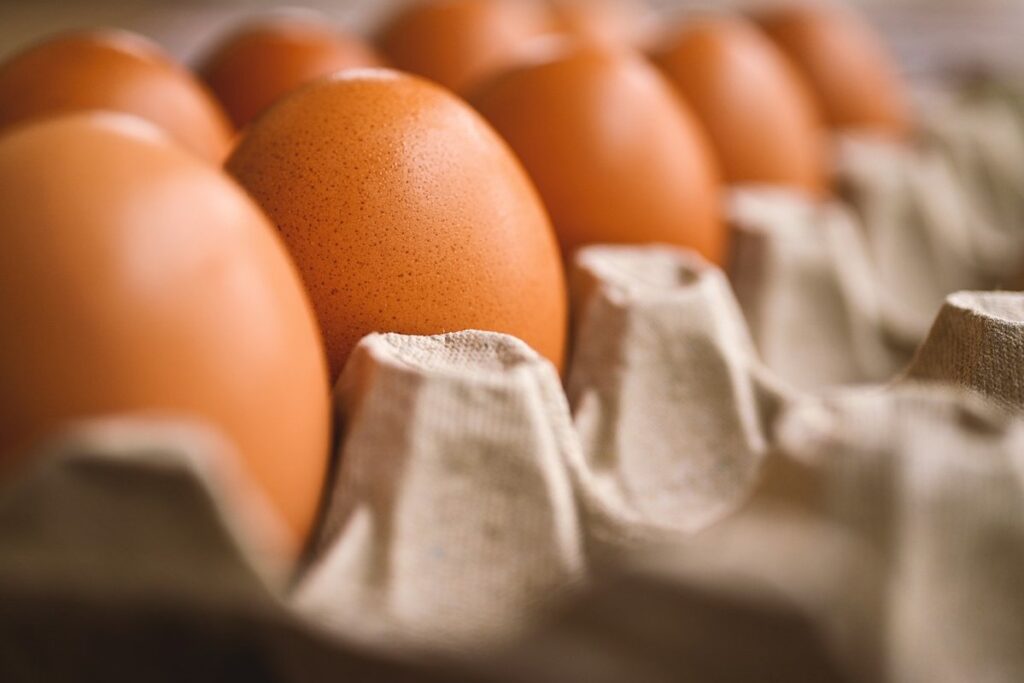
The Rise of Exotic Egg Options
Quail eggs, along with other exotic options, are increasingly popular among health-conscious consumers and adventurous chefs looking to elevate their dishes. This section explores the growing demand for alternative egg varieties.
What Are Quail Eggs?
Quail eggs have gained significant attention among foodies and chefs in recent years. These tiny eggs originate from the Japanese quail, a small bird species native to Asia. Quails are known for their prolific breeding habits, which has led to a high demand for their eggs.
One of the key reasons behind the popularity of quail eggs is their unique size and texture. Measuring approximately 1-2 inches in length, these delicate eggs have a creamy white color with speckled brown tips. The shell is extremely thin and fragile, requiring gentle handling to avoid breakage.
Quail eggs are prized for their rich flavor profile, which is often described as more complex and subtle compared to chicken eggs. Chefs appreciate the versatility of quail eggs in both sweet and savory dishes. They can be poached, boiled, or made into an omelet, making them a favorite among food enthusiasts who value experimentation and creativity in cooking. Whether you’re a professional chef or a home cook, incorporating quail eggs into your recipes can add a fascinating element to your culinary creations.
Nutritional Differences Between Quail and Chicken Eggs
When it comes to nutritional differences between quail and chicken eggs, several key aspects set them apart. The protein content is one of the most significant distinctions, with quail eggs containing roughly 6-7 grams of protein per large egg compared to around 6-7 ounces (170g) of chicken eggs. Although this difference may seem negligible at first glance, it can be substantial for individuals requiring high-protein diets.
Another notable difference lies in fat levels and cholesterol counts. Quail eggs typically contain less fat than their larger counterparts, with an average of 5 grams compared to around 10-15 grams in a large chicken egg. Additionally, quail eggs have lower cholesterol levels, boasting approximately 200 milligrams per large egg versus the 180 milligrams found in a single large chicken egg.
While the differences might not be drastic for some, they can make all the difference for individuals following specific diets or requirements. For instance, athletes and bodybuilders may benefit from the higher protein content of quail eggs as part of their post-workout meal plans.
Quail Egg Availability and Cost
When it comes to quail eggs versus chicken eggs, one of the primary concerns for consumers is availability and cost. In various regions around the world, you may find that quail eggs are more readily available than chicken eggs or vice versa.
In some parts of Asia, such as Japan and Korea, quail eggs have become increasingly popular in recent years due to their unique flavor and texture profile. As a result, they’re now widely available in most supermarkets and specialty stores. In contrast, regions like North America often struggle to find quail eggs on store shelves.
The cost of quail eggs can also vary greatly depending on your location. On average, a dozen quail eggs typically costs between $3 to $5, while chicken eggs usually range from $1 to $2 per dozen. However, prices can fluctuate based on demand and availability in specific areas.
If you’re having trouble finding quail eggs or feel they’re too expensive, consider visiting local farmers’ markets or specialty stores that may carry them in bulk. Additionally, many online retailers now offer quail egg delivery services to cater to customers who want a convenient way to access these exotic eggs.
Egg Production and Farming Practices
Let’s take a closer look at how quail eggs are produced, from breeding to harvesting, as well as the unique farming practices involved.
The Impact of Quail Egg Production on Small-Scale Farmers
For small-scale farmers, quail egg production can be a game-changer. One of the most significant benefits is the reduced cost of production. Quails are relatively low-maintenance birds that require less space and feed compared to chickens. They also produce eggs at an incredible rate, with some breeds laying up to 300 eggs per year. This means farmers can increase their egg production without breaking the bank.
Moreover, quail eggs command a higher price in many markets due to their unique characteristics and nutritional benefits. In some countries, a dozen quail eggs can fetch up to three times more than a dozen chicken eggs. With proper marketing and sales strategies, small-scale farmers can capitalize on this premium demand and increase their profits significantly.
To get started with quail egg production, farmers need to invest in a few basic infrastructure components such as coops, feeders, and water containers. They should also choose a suitable breed that thrives in their local climate and is disease-resistant. By following these simple steps and leveraging the advantages of quail eggs, small-scale farmers can boost their income and improve their livelihoods.
Welfare Concerns Surrounding Large-Scale Chicken Egg Farms
Large-scale chicken egg farms have been criticized for their treatment of hens, sparking concerns about animal welfare. These farms often prioritize high production volumes over the well-being of the birds, leading to cramped living conditions, inadequate ventilation, and limited access to natural light. For instance, some chicken egg farms confine hens to tiny cages with no room to move or engage in natural behaviors.
This stark contrast highlights the differences between quail egg farming practices. Quails are typically raised on a small scale, allowing for more humane treatment and living conditions. In fact, many quail farmers prioritize providing their birds with spacious enclosures, fresh air, and access to sunlight, which can improve the overall health and happiness of the quails.
When comparing these two types of egg production, it’s essential to consider the welfare implications. If you’re concerned about animal welfare, choosing quail eggs may be a more appealing option. However, if you’re focused on affordability and large-scale production, chicken eggs might still be your best choice – albeit with some compromises on welfare.
Quail Egg Farming: An Environmentally Friendly Option?
When it comes to egg production, many people assume that chicken eggs are the only sustainable option. However, quail egg farming offers several environmental benefits that make it an attractive alternative. One of the most significant advantages is water consumption – quails require approximately 1/4 cup of water per day compared to 2-3 gallons for chickens.
This lower water demand not only conserves a precious resource but also reduces waste management needs. Quail droppings, being smaller and lighter, are easier to handle and dispose of, minimizing the risk of environmental contamination. In contrast, chicken manure can pose significant challenges in terms of storage and disposal.
To give you an idea of just how water-efficient quail farming is, consider this: a single farm with 1,000 chickens would consume around 6,000 gallons of water per day, whereas a similar-sized quail farm would use only about 500 gallons. By choosing quail eggs over chicken eggs, consumers can play a part in reducing their ecological footprint and supporting more sustainable agricultural practices.
Cooking and Preparation Methods
When it comes to cooking and preparing quail eggs versus chicken eggs, you’ll find some key differences that make all the difference in your dishes. Let’s dive into how to handle each type of egg.
How to Prepare Quail Eggs for Different Dishes
Preparing quail eggs for different dishes can be a bit delicate due to their smaller size and thinner shells. To make them easier to cook with, it’s essential to understand the right techniques.
First, you’ll want to start by cleaning and storing quail eggs properly. Rinse the eggs gently under cold water, then pat them dry with a paper towel before refrigerating them at 40°F (4°C) or below. When cooking with quail eggs, use a medium-low heat to prevent overcooking.
For omelets, beat the quail eggs lightly and season as desired. Cook in a small pan coated with butter or oil until the edges start to set, then fold the omelet in half. Quail egg omelets make for an excellent breakfast option, packed with protein and flavor.
In salads, use cooked and sliced quail eggs for added texture and richness. For dinner entrees, consider using poached or boiled quail eggs as a topping for pasta dishes or steaks. When boiling, cook the quail eggs for 6-8 minutes to achieve a soft-boiled texture. With practice, you’ll get the hang of working with these tiny eggs, unlocking a world of new recipe possibilities.
The Perfect Poached Quail Egg: A Guide
When it comes to cooking quail eggs, poaching is an excellent method that highlights their delicate texture and flavor. Unlike chicken eggs, which can withstand more aggressive cooking techniques, quail eggs require a gentle touch. To poach a quail egg, start by bringing a pot of water to a simmer. Crack the egg into a small bowl or ramekin first, as this will make it easier to slide it into the water without breaking.
Next, add a splash of vinegar to the water – this will help to set the white of the egg more quickly. Reduce the heat to a low setting and create a whirlpool in the water by stirring it in one direction with a spoon. Gently place the quail egg into the center of the whirlpool and cook for 2-3 minutes, or until the whites are set and the yolks are still runny.
The key to poaching quail eggs successfully is to use a gentle hand and a steady heat. Avoid overcrowding the pot, as this can cause the eggs to stick together. Instead, cook them one at a time for the best results.
Storing and Handling Quail Eggs
Storing and handling quail eggs requires special care to maintain their freshness and quality. Unlike chicken eggs, quail eggs have a thinner shell, making them more susceptible to moisture and temperature fluctuations. To ensure the longevity of quail eggs, it’s essential to store them properly.
When storing quail eggs, keep them in a single layer in a covered container, such as a carton or a plastic box with ventilation holes. Avoid stacking them on top of each other, as this can cause breakage and contamination. Store the eggs in the refrigerator at a consistent temperature below 40°F (4°C).
It’s also crucial to handle quail eggs gently to prevent damage. When collecting eggs from your coop, make sure to wash your hands thoroughly before handling the eggs. Quail eggs are typically washed before sale, but it’s still important to follow proper hygiene practices when storing them.
When buying quail eggs from a store or supplier, check for any signs of damage or contamination before storing them in your refrigerator. Proper storage and handling can significantly extend the shelf life of quail eggs, allowing you to enjoy their unique flavor and texture for up to 7-10 days.
Taste, Texture, and Flavour Profiles
When it comes to taste, texture, and flavour profiles, quail eggs and chicken eggs have distinct differences that set them apart from each other. Let’s dive into these nuances and explore what makes each one unique.
The Unique Flavor Profile of Quail Eggs
When it comes to the flavor profile of quail eggs, they are often described as rich and buttery. This is due to their unique nutritional composition, which includes a higher fat content compared to chicken eggs. The yolk of a quail egg contains approximately 50% more fat than that of a chicken egg, making them taste richer and creamier.
The texture of quail eggs also plays a significant role in their distinct flavor profile. They have a firmer, more gelatinous white compared to chicken eggs, which can make them seem more luxurious on the palate. The yolk itself is also smaller and more rounded than that of a chicken egg, making it easier to cook evenly.
The distinct flavor profile of quail eggs makes them ideal for dishes where delicate flavors are required. They pair particularly well with ingredients like truffles, caviar, and high-quality cheese. When using quail eggs in cooking, it’s essential to keep their unique characteristics in mind. For example, they can be poached or boiled more quickly than chicken eggs due to their smaller size, which helps preserve their delicate flavor.
Pairing Quail Eggs with Other Ingredients
When it comes to pairing quail eggs with other ingredients, their delicate flavor and compact size allow for endless possibilities. One of the most popular ways to enjoy quail eggs is on top of a bed of fresh herbs, such as parsley or chives, which complement their rich, buttery taste. For added depth, try sprinkling some grated Parmesan cheese over the eggs, creating a savory combination that’s sure to impress.
Spices can also be used to enhance the flavor of quail eggs. A pinch of smoked paprika adds a smoky kick, while a sprinkle of cayenne pepper provides a touch of heat. You can also pair quail eggs with other ingredients like truffle oil or infused salt for added complexity. When it comes to pairing quail eggs, don’t be afraid to experiment – their delicate flavor won’t overpower, so feel free to get creative and try new combinations.
Some popular quail egg dishes that showcase these pairings include a classic quail egg omelette with smoked salmon and cream cheese or a quail egg salad with mixed greens and balsamic vinaigrette. By experimenting with different ingredients and flavors, you can elevate the humble quail egg to new heights.
Health Considerations and Allergies
If you’re considering quail eggs as a nutritious addition to your diet, be aware of potential health concerns and common allergies associated with these small but mighty eggs. Some individuals may be sensitive to their unique composition.
Quail Egg Allergy: What You Need to Know
If you’re considering incorporating quail eggs into your diet, it’s essential to be aware of the potential for an allergy. While rare, some people may experience an allergic reaction to quail eggs due to their unique protein composition. Symptoms can range from mild discomfort to life-threatening reactions, and it’s crucial to identify them early on.
Common symptoms of a quail egg allergy include hives, itching, swelling, stomach cramps, diarrhea, and difficulty breathing. In severe cases, anaphylaxis may occur, requiring immediate medical attention. If you suspect a quail egg allergy, consult a healthcare professional for proper diagnosis and treatment.
Treatment options typically involve avoiding further exposure to quail eggs and managing symptoms with antihistamines or corticosteroids. In some cases, immunotherapy may be recommended to desensitize the individual to quail egg proteins. If you’re introducing quail eggs into your diet, start by consuming small amounts to monitor for any adverse reactions.
Health Benefits of Eating Quail Eggs
Eating quail eggs has been associated with several health benefits that set them apart from chicken eggs. For one, they are rich in lutein and zeaxanthin, which are essential for maintaining eye health. Consuming quail eggs regularly can help protect against age-related macular degeneration and cataracts. Moreover, the antioxidants present in quail eggs have been shown to enhance cognitive function, potentially reducing the risk of dementia and Alzheimer’s disease.
Quail eggs also contain higher levels of omega-3 fatty acids compared to chicken eggs. These healthy fats support brain development, heart health, and can even help alleviate symptoms of depression and anxiety. Additionally, the protein structure in quail eggs is smaller than that found in chicken eggs, making them easier for some people to digest.
If you’re interested in incorporating quail eggs into your diet for their potential health benefits, try adding them to omelets or frittatas for a nutrient-dense breakfast option. You can also use them as an egg substitute in baked goods or pasta dishes.
Frequently Asked Questions
Can I substitute quail eggs for chicken eggs in all recipes?
Yes, but keep in mind that the flavor profile and texture of quail eggs are more delicate than those of chicken eggs. Quail eggs have a higher yolk-to-white ratio, which can affect the overall taste and presentation of dishes. Start by substituting one-for-one in simple recipes and adjust the seasoning and cooking time as needed.
How do I store quail eggs safely?
Quail eggs are more sensitive to temperature and humidity than chicken eggs. Store them in a cool, dry place (around 40°F/4°C) away from direct sunlight. You can also refrigerate them at 32°F (0°C) or below for up to two weeks.
Can I raise quails on my own property?
Yes, but check local regulations and zoning laws before starting a backyard quail farm. Quails require specific care and housing conditions to thrive. Make sure you have enough space, feed, and water sources to support a small flock.
How do I know if I’m allergic to quail eggs?
Quail egg allergy symptoms are similar to those of chicken egg allergies. If you experience hives, itching, swelling, or digestive issues after consuming quail eggs, consult a healthcare professional for proper diagnosis and treatment.
What’s the best way to cook quail eggs for beginners?
Poaching is an excellent method for cooking quail eggs, as it helps preserve their delicate flavor and texture. Start by cracking the egg into simmering water, then cook for 3-4 minutes or until the whites are set and the yolks are cooked to your desired doneness.