
If you’re a quail enthusiast or breeder, chances are you’ve encountered issues related to your birds’ diet at some point. Choosing the right feed for your quails can be overwhelming with so many options available in the market. Quail nutrition is not just about providing food; it’s essential for their overall health and well-being. A balanced diet plays a crucial role in preventing malnutrition, which can lead to weakened immune systems and lower egg production.
In this article, we’ll explore commercial quail feed options as well as some homemade recipes that you might find helpful. We’ll also share tips on identifying the best quail feed for your birds based on their age, size, and breed. By following these guidelines, you can ensure your feathered friends receive the nutrients they need to thrive. Whether you’re a seasoned breeder or just starting out, this article aims to provide valuable insights into quail nutrition that you won’t want to miss.
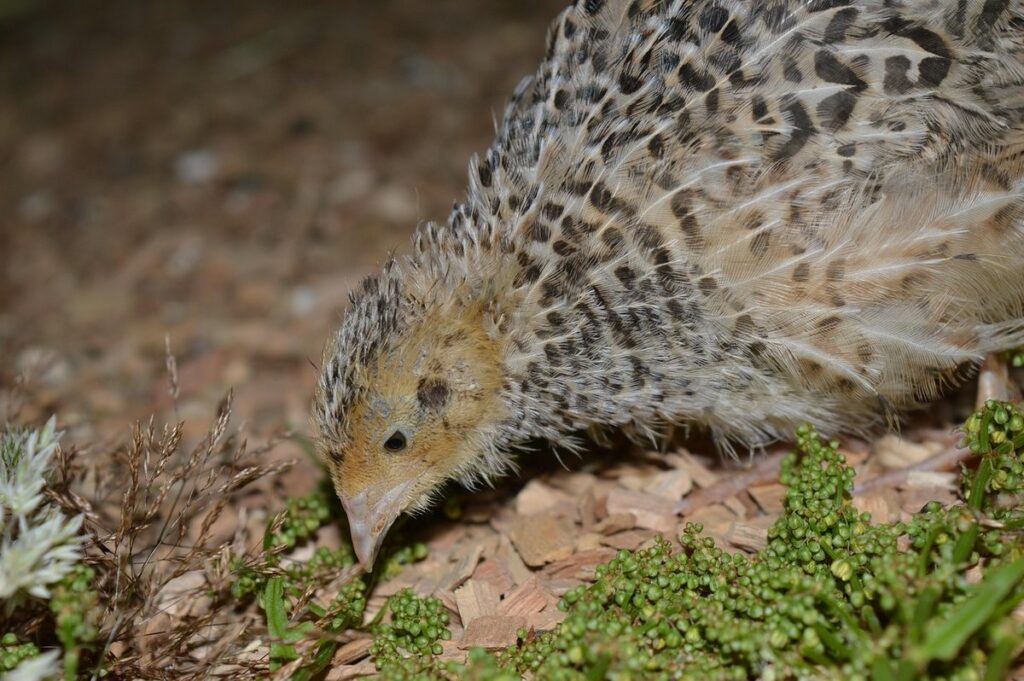
Understanding Quail Nutritional Needs
To ensure you’re feeding your quails a balanced diet, it’s essential to understand their unique nutritional needs and how they differ from other birds. This section will break down those requirements in detail.
The Importance of Protein in Quail Diets
Protein is an essential nutrient for quails, making up approximately 15-20% of their daily diet. As they grow and develop, quails require a significant amount of protein to support muscle growth and maintenance. The recommended daily intake of protein for quails varies depending on age, sex, and production level.
For example, broiler quails require around 18-20% protein in their feed during the starter phase (0-4 weeks), while layer quails need around 16-18% protein during the grower phase (4-12 weeks). It’s essential to provide quails with a balanced diet that includes a mix of plant-based and animal-based protein sources.
Some excellent sources of protein for quails include mealworms, crickets, and commercial quail pellets. Mealworms, in particular, are an excellent source of protein (around 55-60%) and can be fed to quails as a treat or supplement their main diet. When selecting a commercial quail feed, ensure it contains the recommended level of protein for your birds’ specific needs.
The Role of Energy in Quail Feeding
Energy plays a vital role in quail diets, and it’s essential to understand its significance. Quails require energy to perform various bodily functions such as movement, digestion, growth, and maintenance of body temperature. Carbohydrates and fats are the primary sources of energy for quails.
Carbohydrates are the most abundant energy source in a quail’s diet, accounting for approximately 50-60% of their total energy intake. Quails require a balanced mix of simple and complex carbohydrates from grains such as oats, barley, and corn. A suitable carbohydrate-rich feed can provide essential nutrients like phosphorus and calcium.
Fats are another crucial energy source for quails, making up about 15-20% of their diet. Fatty acids play a vital role in maintaining the health of quail skin, muscles, and liver. Quails also require certain vitamins like vitamin A and E that help to regulate fat metabolism and maintain overall health.
When selecting feed for your quails, ensure it contains an optimal balance of carbohydrates and fats to meet their energy needs. You can achieve this by mixing grains with oil-rich supplements or using specialized quail feeds formulated to provide the necessary energy sources.
Commercial Quail Feed Options
When it comes to commercial quail feed options, you’ll find a wide range of products on the market, each with its own unique benefits and drawbacks. Let’s take a closer look at some popular choices.
Types of Commercial Quail Feed
Commercial quail feeds are available in various types to cater to different stages of a quail’s life cycle. One of the most critical aspects is selecting the right feed for optimal growth and health.
Starter feeds, usually formulated for chicks from day-old to 4-6 weeks old, provide essential nutrients required during this crucial development phase. These feeds are typically higher in protein content (18-20%) to support rapid growth and energy needs. For example, starter feeds often contain added vitamins like Vitamin A and E to enhance immune function.
Grower feeds are designed for quails from 4-6 weeks old to maturity. These feeds have a moderate protein level (15-18%), which allows for continued growth while reducing feed costs. Grower feeds may also contain additional nutrients such as calcium for bone development.
Layer feeds, intended for breeding females or egg-laying hens, offer an optimal balance of energy and protein levels. Protein content is typically 12-14%, with higher levels of fiber and calcium to support reproductive health and egg production.
Key Ingredients to Look for in Quail Feed
When selecting commercial quail feed for your flock, it’s essential to look for specific ingredients that cater to their unique nutritional needs. Key vitamins and minerals such as vitamin A, D3, E, K, and B complex play a crucial role in maintaining the overall health of your quails.
Ensure the feed contains sufficient calcium and phosphorus levels to support strong bone growth and development. Probiotics are also vital for promoting digestive health and boosting immune function. Look for feeds containing live cultures or beneficial bacteria such as Bacillus subtilis, Lactobacillus acidophilus, and Bifidobacterium bifidum.
Protein content is another critical aspect to consider. Quails require a balanced diet rich in protein from animal-based sources like fish meal, soybean meal, or insect meal. Avoid feeds with excessive fillers or low-quality ingredients that may compromise your quails’ health. Opt for commercial feeds made from high-quality, whole food ingredients whenever possible.
A well-formulated quail feed should also contain essential amino acids like methionine and lysine to support optimal growth and egg production.
Homemade Quail Feed Recipes
Quail owners, it’s time to take control of your birds’ nutrition! In this section, we’ll share three simple and healthy homemade quail feed recipes you can easily make at home.
Benefits of Homemade Quail Feed
Making homemade quail feed is not only cost-effective but also offers numerous benefits for your feathered friends. By preparing their meals from scratch, you can tailor the ingredients to meet their specific nutritional needs, ensuring they receive a balanced diet that promotes optimal health and well-being.
One of the most significant advantages of homemade quail feed is its affordability. Commercial quail feeds can be expensive, especially if you’re raising a large flock. By making your own feed, you can significantly reduce your costs, allocate resources to other areas of your quail-keeping operation, or even generate some income from selling your excess produce.
Customization is another major benefit of homemade quail feed. You can choose the specific nutrients and ingredients that best suit your quails’ needs, taking into account factors such as age, breed, and health conditions. For example, if you’re raising baby quails, you may want to include more protein-rich foods like mealworms or crickets in their diet.
In addition to cost-effectiveness and customization, homemade quail feed also offers the peace of mind that comes with knowing exactly what your birds are eating. By avoiding commercial additives and preservatives often found in store-bought feeds, you can ensure a healthier, more natural diet for your quails. With a little creativity and research, you can create delicious, nutrient-rich meals that keep your quails thriving and happy.
Sample Quail Feed Recipes
Here are several sample recipes for homemade quail feed that you can try:
One of the simplest recipes is a mix of oats, wheat flour, and millet. To make it, combine 2 cups of rolled oats, 1 cup of wheat flour, and 1/2 cup of millet in a large bowl. Add in 1/4 cup of dried mealworms or crickets for added protein. You can also include 1 tablespoon of crushed eggshells to provide calcium.
Another recipe involves using vegetables to add variety to your quail’s diet. Try mixing together 1 cup of chopped carrots, 1 cup of chopped kale, and 1/2 cup of chopped apples. Add in some oats or wheat flour to help bind the ingredients together.
For a more balanced feed, you can combine equal parts of cornmeal, wheat flour, and oats with added protein sources like mealworms or hard-boiled eggs. Remember to include fresh water at all times for your quail’s hydration needs.
Nutritional Requirements for Different Life Stages
As you plan and provide nutrition for your quail flock, it’s essential to understand their specific needs at different life stages to ensure they grow strong and healthy. This section breaks down those requirements for you.
Starter Quails (0-4 weeks)
Young quails require an optimal mix of nutrients to fuel their rapid growth and development during the first four weeks. At this stage, they need a diet rich in protein to support muscle growth and repair. A good rule of thumb is to provide 18-20% protein content in their starter feed. This can be achieved by incorporating high-quality protein sources such as soybean meal, sunflower meal, or fishmeal.
In addition to protein, young quails also require a significant amount of energy to sustain their high metabolic rate. A balanced starter feed should contain around 2800-3000 kcal/kg metabolizable energy (ME). To ensure they are getting enough energy, you can supplement their diet with oats, barley, or wheat.
Monitor the weight gain and overall health of your quails closely during this period, as nutritional deficiencies can lead to stunted growth, poor feather quality, or even mortality. Provide fresh water and a balanced starter feed at all times to support optimal development.
Grower Quails (4-12 weeks)
During the grower stage (4-12 weeks), quails undergo rapid growth and development, requiring an increased intake of essential nutrients. At this stage, their protein requirements jump to around 18-20% of their total daily energy intake, significantly higher than the starter phase. This surge in protein demand is crucial for muscle development and growth.
To meet these increased needs, growers can offer quails a high-quality commercial grower feed that contains at least 18% crude protein and 2.5-3% calcium. It’s also essential to provide a balanced mix of vitamins and minerals, such as vitamin A, D3, E, K, and B vitamins. Quails will also require more energy-rich foods during this period, including carbohydrates like grains, fruits, and vegetables.
When selecting grower feed for your quail flock, ensure it meets the protein and energy requirements mentioned above. You can also supplement their diet with healthy treats like mealworms or oats to provide variety and extra nutrients. However, be cautious not to overdo it, as excessive supplementation can lead to nutritional imbalances.
Common Nutritional Deficiencies in Quail Feed
When it comes to quail feed, there are several common nutritional deficiencies that can have a significant impact on your birds’ health and well-being. Let’s take a closer look at these often-overlooked issues.
Signs of Malnutrition in Quails
Malnutrition in quails can be a silent killer if left unchecked. As a responsible quail breeder, it’s essential to recognize the signs of malnutrition in these birds to ensure their overall health and well-being. One of the most common signs of malnutrition is lethargy – quails that are not getting enough nutrients may appear sluggish, disinterested in activities, or even reluctant to move around.
Weight loss is another telling sign of malnutrition in quails. If you notice a significant drop in weight over a short period, it’s likely due to nutritional deficiencies. Make sure to monitor your quail’s weight regularly and adjust their feed accordingly. Feather problems are also indicative of malnutrition – dull, brittle, or falling feathers can be a sign that the bird is not receiving essential vitamins and minerals.
If you suspect your quails are suffering from malnutrition, act quickly by adjusting their diet to include nutrient-rich foods like calcium supplements, vitamin E, and omega-3 fatty acids. Keep in mind that prevention is key – providing a balanced and varied diet can go a long way in preventing malnutrition altogether. Regularly inspect your quail’s droppings for signs of nutritional deficiencies, such as soft or watery stools.
Preventing Nutritional Deficiencies
To prevent nutritional deficiencies in quail feed, it’s essential to establish a regular feeding schedule. Quails have specific dietary needs that can vary depending on their age, sex, and health status. A reliable feeding schedule ensures they receive the necessary nutrients at the right time.
Monitor your quails’ feed intake closely, taking note of any changes or irregularities in consumption patterns. This will help you identify potential issues before they become severe nutritional deficiencies. For instance, if you notice a quail consistently avoiding its favorite food item, investigate the cause and address it promptly.
Maintain accurate records of feeding schedules, including the quantity and type of feed provided each day. This information can be crucial in diagnosing nutritional deficiencies and making informed adjustments to your quails’ diet. Regularly reviewing these records will enable you to identify areas for improvement and make data-driven decisions about their nutrition.
Conclusion: Optimizing Quail Feed and Nutrition
In conclusion, optimizing quail feed and nutrition is crucial for their overall health and productivity. By understanding their dietary needs and preferences, you can create a well-balanced diet that meets their requirements. A key take away from this guide is to provide a varied diet that includes a mix of grains, proteins, fruits, and vegetables. This will help ensure they get all the necessary nutrients, vitamins, and minerals.
When creating your quail feed recipe, consider using locally sourced ingredients and adjusting the proportions based on seasonal availability. Also, keep an eye out for any signs of nutrient deficiencies or imbalances, and make adjustments accordingly. By following these tips and tailoring their diet to their specific needs, you can help your quails thrive and reach their full potential. Remember, a healthy and happy quail is one that’s well-fed and well-cared for!
Frequently Asked Questions
How do I ensure my quails are getting enough protein in their diet?
Protein is essential for muscle growth and maintenance, making up approximately 15-20% of a quail’s daily diet. To confirm your quails are receiving adequate protein, consider consulting with a veterinarian or experienced breeder to discuss specific nutritional requirements based on age, size, and breed.
What should I do if I notice signs of malnutrition in my quails?
Identifying common signs of malnutrition such as lethargy, decreased egg production, or dull feathers is crucial. If you suspect your quails are suffering from malnutrition, consult with a veterinarian immediately to diagnose the issue and receive guidance on corrective measures.
Can I mix commercial quail feed with homemade recipes for optimal nutrition?
Yes. You can supplement your quails’ diet with homemade recipes, but ensure that they complement the nutritional profile of their commercial feed rather than substituting it entirely. Consider consulting with a veterinarian or experienced breeder to determine the best combination for your birds.
How often should I rotate my quails’ food and water to prevent health issues?
Regular rotation of food and water sources can help prevent health issues related to stale or contaminated feed. Aim to change food daily, and clean water sources at least twice a day to maintain optimal hygiene standards for your quails.
What are the key differences between starter and grower quail feeds?
Starter feeds are formulated specifically for young quails (0-4 weeks), providing high levels of protein and energy to support rapid growth. Grower feeds, on the other hand, cater to quails aged 4-12 weeks, offering a balanced mix of nutrients as they transition from juvenile to adult development stages.