
If you’re an avid bird enthusiast or considering bringing home some feathered friends, you’re probably wondering: how long do quail live? The lifespan of these small yet charming birds is a common concern for many, and it’s essential to understand the factors that affect their life expectancy. Quails can thrive in captivity with proper care, nutrition, and environment, but there are also health issues to watch out for. In this article, we’ll delve into the world of quail lifespan, exploring the average life span, the impact of nutrition and environment on their longevity, common health problems, and tips on how to extend their lifespan with expert advice on management and care. Whether you’re a seasoned breeder or just starting out, understanding quail lifespan is crucial for providing them with the best possible life.
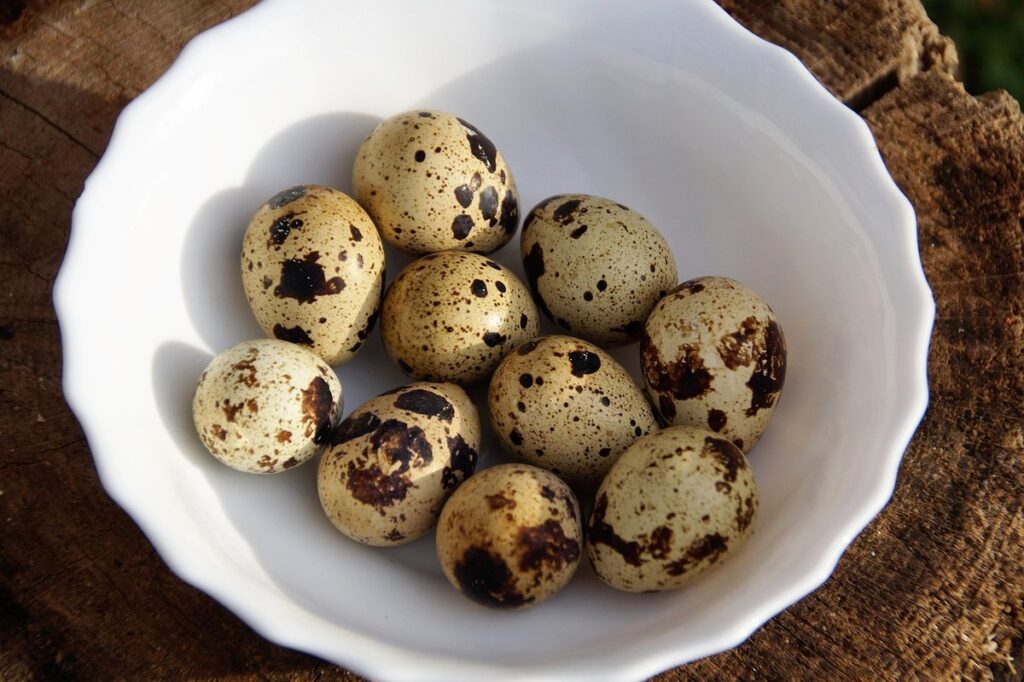
Quail Life Expectancy Factors
When considering a quail’s lifespan, several factors come into play that can affect their overall life expectancy, from genetics to environmental conditions. These influences are crucial in determining how long your feathered friend will live.
Genetics and Breeding
Genetics and breeding play significant roles in determining quail lifespan. Different breeds exhibit varying lifespans, with some living up to 5 years while others may only reach 2-3 years of age. Heritability studies suggest that genetics account for approximately 50% of the variation in quail longevity.
When selecting a breed, consider factors such as size, temperament, and adaptability. For example, Japanese Coturnix quails are known for their high fertility rate and can live up to 4 years with proper care. Conversely, Button quails have a relatively shorter lifespan of around 2-3 years due to their smaller size.
Factors like diet, environment, and health conditions also significantly impact quail longevity. A balanced diet rich in protein and essential nutrients is crucial for maintaining overall health. Provide adequate space, shelter, and protection from disease-carrying pests to promote a long and healthy life. Regular vaccinations and monitoring for signs of illness can help prevent premature death.
Quail breeders must prioritize breeding programs that emphasize healthy stock, robust genetics, and manageable traits. By understanding the interplay between genetics and environmental factors, you can make informed decisions about your quail’s lifespan and take steps to promote longevity.
Nutrition and Diet
A well-balanced diet is essential for quails to live a long and healthy life. As with many birds, quails require a mix of protein, carbohydrates, and fat from their diet to maintain optimal health. Provide high-quality commercial pellets as the main staple, supplemented with fresh fruits and vegetables daily. Leafy greens like kale and spinach are excellent choices, while berries and citrus fruits provide essential vitamins.
Essential nutrients like calcium and phosphorus support strong bone growth and development, particularly for young quails. Vitamin A is also crucial for maintaining healthy vision, immune function, and skin health. Consider adding crushed eggshells or dark leafy greens to the quail’s diet as a natural source of calcium.
Some common dietary mistakes can shorten a quail’s lifespan. Overfeeding, for instance, leads to obesity and related health issues like diabetes and heart disease. Underfeeding, on the other hand, may result in weakened immune systems and increased susceptibility to illness. Be sure to provide fresh water at all times and maintain clean feeding areas to prevent bacterial growth and contamination.
Life Expectancy by Quail Species
Let’s dive into the fascinating world of quail lifespans, and take a look at how different species measure up. From Japanese quails to Pharaoh quails, every type has its own unique lifespan.
Button Quails
Button quails are known for their striking appearance and gentle nature, making them a popular choice among backyard bird enthusiasts. When it comes to their lifespan, button quails have an average life expectancy of around 5-7 years in captivity. However, with proper care and attention to certain factors, some individuals have been known to live up to 10 years or more.
One key factor affecting the longevity of button quails is their living conditions. In the wild, they face various threats such as predators, harsh weather, and limited food resources, which can significantly reduce their lifespan. In contrast, well-cared-for button quails in captivity can enjoy a longer and healthier life. Factors like diet, housing, and social interaction play a crucial role in determining their overall health and lifespan.
It’s also worth noting that different breeds of button quails have varying life expectancies. For instance, the Japanese Button Quail is known to live up to 8-10 years, while the Chinese Button Quail has an average lifespan of around 6-8 years. By understanding these differences and taking steps to provide optimal care, bird owners can help their beloved button quails live a long and happy life.
Japanese Quails
Japanese quails are known for their exceptional hardiness and ability to thrive under various conditions. In breeding programs, Japanese quails have been selectively bred for desirable traits such as egg-laying capacity and feather quality. This selective breeding has resulted in an average lifespan of around 3-5 years for males and 4-6 years for females.
However, when raised as pets, Japanese quails can live longer due to better living conditions and care. With proper nutrition, shelter, and health checks, pet owners have reported their Japanese quails living up to 7-10 years or more in some cases.
Genetic selection has played a significant role in increasing the lifespan of Japanese quails. Breeders have identified genetic markers that contribute to longevity and incorporated them into breeding programs. This selective breeding has not only improved the lifespan but also enhanced other desirable traits such as egg-laying capacity and feather quality.
It’s worth noting that proper care, nutrition, and health checks are crucial for maximizing the lifespan of Japanese quails. Providing a balanced diet, regular exercise, and a safe living environment can help ensure your pet Japanese quail lives a long and healthy life.
Factors Affecting Quail Lifespan
When it comes to your quails’ lifespan, several factors come into play that can either lengthen or shorten their life. Genetics, nutrition, and living conditions all impact how long they live.
Health Issues
Quail health issues can significantly impact their lifespan. Respiratory infections are a common problem, often caused by poor ventilation and hygiene in enclosures. These infections can be fatal if left untreated, so it’s essential to maintain clean living conditions and provide adequate air circulation.
Parasites such as mites, lice, and worms can also compromise quail health, causing stress, weight loss, and even organ damage. Regular checks for signs of infestation and implementing a parasite control program can help prevent these issues.
Preventative measures include maintaining clean water and food sources, providing a balanced diet, and ensuring regular veterinary check-ups. Monitoring quail behavior and watching for signs of illness or distress is also crucial in identifying potential health problems early on.
Treating health issues promptly and effectively is vital to quail survival. Consult with a veterinarian if you suspect any underlying conditions, as they can provide guidance on the best course of action and recommend suitable treatments.
Environmental Factors
When it comes to quail lifespan, environmental factors play a crucial role. The temperature, humidity, and lighting conditions can significantly impact their health and longevity. For instance, quails are sensitive to extreme temperatures, with optimal living conditions ranging between 65°F to 75°F (18°C to 24°C). Temperatures above or below this range can lead to stress, reducing their lifespan.
Humidity levels also matter; a relative humidity of 50-60% is ideal for quails. Breeding birds thrive in more humid environments, while younger birds do better with slightly lower humidity levels. Lighting conditions are equally important, as quails need adequate light for digestion and overall health. Providing natural light or using specialized lighting can help create an optimal environment.
To design a healthy environment for quails, consider the following:
* Ensure proper ventilation to prevent ammonia buildup.
* Provide shelter from extreme temperatures and weather conditions.
* Keep cages clean and well-maintained to promote hygiene.
* Offer adequate hiding places and visual barriers to reduce stress.
Caring for Quails to Extend Lifespan
To ensure your quail lives a long and healthy life, proper care is crucial. Providing optimal nutrition, housing, and hygiene will significantly extend their lifespan.
Providing Adequate Space and Exercise
Providing adequate space and exercise is crucial for maintaining the overall health of quails. A spacious enclosure allows them to move freely, which helps prevent stress-related diseases that can shorten their lifespan. The ideal enclosure size for a single quail is around 2×4 feet, but more space is always better.
To create an engaging environment that promotes physical activity in quails, you can add perches, ladders, and toys that encourage exploration and climbing. For example, hanging a rope ladder or adding a wooden bridge can provide hours of entertainment for your quail. You can also rotate the enclosure layout periodically to keep things fresh and interesting.
Exercise is equally important as space when it comes to maintaining quail health. You should aim to let your quails out of their enclosures at least 2-3 times a week for around 30 minutes each time. This allows them to stretch their wings, run around, and engage in natural behaviors that help keep them active and healthy.
It’s essential to supervise your quails during exercise sessions to ensure they’re not getting into any trouble or injuring themselves. By providing ample space and regular exercise, you can significantly contribute to extending the lifespan of your quail.
Managing Stress and Promoting Socialization
Managing stress and promoting socialization are crucial for extending the lifespan of quails. Stress can weaken their immune system, making them more susceptible to diseases. One effective way to minimize stress is through social interaction. Quails are social animals that thrive on company, so it’s essential to provide them with companions. You can keep multiple quails in a large aviary or enclosure, ensuring each bird has enough space and visual barriers to prevent fighting.
Socialization also plays a significant role in maintaining their overall well-being. Quails that are isolated for extended periods tend to exhibit abnormal behaviors like pacing, feather plucking, and screaming. To promote socialization, engage your quail with enrichment activities such as offering puzzles or toys filled with treats, creating a foraging experience that simulates natural hunting.
Providing a stimulating environment through rotation of perches, ladders, and climbing structures also helps to keep them active and engaged. Additionally, spend quality time interacting with your quails daily by talking to them, handling them gently, and observing their behavior. By doing so, you’ll not only reduce stress but also strengthen the bond between you and your feathered friends.
Understanding Quail Mortality Rates
To accurately determine a quail’s lifespan, it’s crucial to understand how mortality rates are calculated and what factors influence them. We’ll break down the process in this section.
Natural Causes of Death
Quail mortality rates are influenced by various natural causes that can be challenging to control. Some of the most common causes of death in quails include disease, old age, and accidents. Disease is a significant concern in quail populations, with various health issues such as respiratory infections, parasites, and viral diseases being prevalent. For instance, Newcastle disease is a highly infectious viral disease that affects many domesticated bird species, including quails.
Factors contributing to high mortality rates in commercial quail operations include poor ventilation systems, inadequate sanitation, and overcrowding. For example, a study on commercial quail farms found that mortality rates exceeded 20% within the first six months of operation due to inadequate ventilation and over-stocking.
To mitigate these risks, it’s essential to maintain clean living conditions, provide proper ventilation, and implement biosecurity measures to prevent disease outbreaks. Regular health checks and vaccination programs can also help reduce mortality rates.
Human Error and Neglect
Quail mortality rates can be significantly impacted by human error and neglect. One of the most common causes of premature death is preventable health issues arising from poor living conditions, inadequate nutrition, and lack of proper veterinary care.
For instance, if a quail’s enclosure is not regularly cleaned, it may lead to respiratory problems due to ammonia buildup from urine and feces. Similarly, an unbalanced diet can cause nutritional deficiencies, which in turn can weaken the quail’s immune system, making them more susceptible to diseases.
To ensure responsible quail ownership and management, it is essential to prioritize regular maintenance of their environment and provide a balanced diet that meets their nutritional needs. Some best practices include:
* Cleaning the enclosure at least once a week
* Providing fresh vegetables and fruits daily
* Ensuring access to clean water at all times
* Monitoring health regularly and seeking veterinary care promptly if issues arise
By adopting these habits, quail owners can significantly reduce mortality rates and promote healthier, longer-lived birds. Regular check-ups with a veterinarian can also help identify potential issues early on, allowing for prompt intervention and preventing preventable deaths.
Frequently Asked Questions
Can I still raise quails to their full lifespan if I’m a beginner?
Yes, it’s absolutely possible to raise quails to their full potential even as a beginner. Start by understanding the basic care requirements and gradually move on to more advanced topics like nutrition and environment management. Make sure to provide a suitable habitat and socialize your quails properly.
How do I determine if my quail is experiencing stress due to its environment?
Stress in quails can manifest through behaviors such as feather plucking or excessive pecking. Check for signs of overcrowding, poor ventilation, and inadequate space for exercise and movement. You can also try providing enrichment activities like adding toys and rotating their habitat regularly.
What are some common health issues I should watch out for in my quails?
Be on the lookout for respiratory problems, mites, lice, and coccidiosis. Ensure your quails have access to clean food and water at all times, maintain a balanced environment with proper ventilation, and provide regular check-ups from a veterinarian experienced in caring for quails.
How do I balance providing adequate space and exercise for my quails without compromising their lifespan?
Quails require about 2-4 square feet of floor space per bird. Balance space and exercise by rotating your quails through different areas of the habitat, providing climbing structures, and incorporating toys to stimulate activity. You can also consider free-range or outdoor enclosures.
Can I still raise quails if I live in an area with extreme temperatures?
Quails are adapted to a wide range of temperatures but may be affected by extremes like sub-freezing conditions or intense heatwaves. Monitor your local climate and adjust their habitat accordingly, providing proper insulation during cold weather and shaded areas during hot months.