
If you’re raising quails, you know how crucial it is to provide them with top-notch nutrition. After all, these tiny birds have big appetites! A well-balanced diet is essential for maintaining their overall health, energy levels, and productivity. But what does that mean exactly? For starters, a good quail diet should include a mix of protein-rich foods like mealworms and crickets, complex carbohydrates from grains and fruits, and essential minerals and vitamins to keep them thriving. It’s also vital to ensure your quails have access to clean, fresh water at all times. In this comprehensive guide, we’ll delve into the specifics of quail nutrition, covering protein, carbohydrates, minerals, vitamins, hydration, and special dietary considerations to give you a solid understanding of what your feathered friends need to stay happy and healthy.
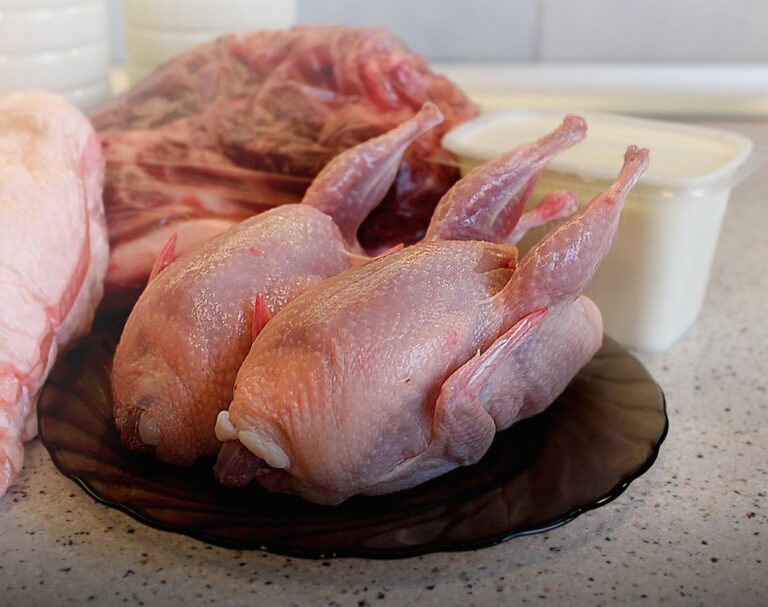
Understanding Quail Nutritional Needs
To ensure your quails stay healthy and thrive, it’s essential to understand their unique nutritional needs. This guide will walk you through what they require daily.
Importance of Proper Nutrition in Quails
Proper nutrition is vital for quails to lead healthy and productive lives. A well-balanced diet ensures they grow at an optimal rate, maintain their strength, and remain resistant to diseases. On the other hand, inadequate or imbalanced diets can have severe consequences.
Quails that don’t receive essential nutrients may experience stunted growth, leading to reduced egg production and poor quality eggs. Malnutrition also makes them more susceptible to health issues like respiratory problems, vitamin deficiencies, and parasitic infections. Moreover, an unbalanced diet can affect the overall profitability of your quail farming operation as it impacts egg yield and quality.
To avoid these issues, ensure that your quails are fed a nutrient-rich commercial feed specifically formulated for their needs. You can also supplement their diet with fruits, vegetables, and protein sources like mealworms or crickets. Keep in mind that overfeeding is just as detrimental as underfeeding. Monitor their food intake carefully to maintain optimal weight and body condition.
Quail Life Stages and Nutritional Requirements
As quails grow and mature, their nutritional needs change significantly. Let’s break down the various life stages of quails and their corresponding dietary requirements.
Quail chicks, from hatch to 4 weeks old, require a diet rich in protein (20-25%) and energy to support rapid growth. A commercial starter feed or a high-protein, all-mash diet can meet these needs. During this stage, quail chicks also need essential micronutrients like calcium for strong bone development.
From 4 to 12 weeks old, growing quails require slightly less protein (18-22%) but still demand adequate energy and vitamins. A grower feed or a mix of grains, proteins, and vegetables can provide these requirements. It’s crucial to ensure the quail chicks are introduced to solid food gradually to prevent digestive issues.
As quails mature (beyond 12 weeks), their nutritional needs shift towards more balanced levels of protein (15-18%), energy, and micronutrients. A layer feed or a mix of grains, proteins, and vegetables can meet these requirements. Quail keepers should also provide fresh fruits, vegetables, and calcium supplements to support egg production and overall health.
By understanding the changing nutritional needs of quails across different life stages, breeders and owners can ensure they provide optimal nutrition for their birds’ growth and well-being.
Protein Sources and Requirements
When it comes to quail nutrition, understanding their protein sources and requirements is crucial for optimal health and growth. This section will break down the essential nutrients your feathered friends need to thrive.
Types of Protein for Quails (e.g., Plant-based vs. Animal-based)
When it comes to providing protein for quails, there are various options available, including plant-based and animal-based sources. Plant-based proteins such as mealworms, crickets, and sunflower seeds are a nutritious option, high in essential amino acids and rich in micronutrients like calcium and iron. However, they may lack the complete amino acid profile found in animal-based sources.
Animal-based proteins, on the other hand, include commercial quail feed, eggs, and small insects like waxworms or superworms. These are rich in protein and provide all the essential amino acids for optimal growth and health. However, some of these options may be high in fat and calories, so moderation is key.
To balance your quail’s diet, consider combining both plant-based and animal-based proteins. For example, offer a mix of mealworms and small insects like waxworms or superworms to provide the necessary amino acids while limiting excessive fat consumption. Be sure to research the specific nutritional needs of your quail species and adjust their diet accordingly. By providing a balanced and varied protein source, you can ensure optimal nutrition for your feathered friends.
Meeting the Daily Protein Needs of Quails
When it comes to meeting the daily protein needs of quails, it’s essential to provide a balanced and nutrient-rich diet. Quails require a minimum of 16% protein in their diet, but 20-25% is recommended for optimal health.
Include a variety of high-protein foods in your quail’s diet, such as mealworms, crickets, and waxworms. You can also supplement with commercial quail feed or a balanced pellet specifically formulated to meet the nutritional needs of quails.
To ensure your quail gets enough protein, consider the following feeding strategies:
* Provide a varied diet that includes a mix of protein-rich foods at each meal.
* Offer treats such as sunflower seeds and pumpkin seeds in moderation.
* Make sure fresh water is always available for drinking.
* Consider adding a protein supplement to their feed, especially during breeding season when protein demands are higher.
Remember, quails have different nutritional requirements at various stages of life, so adjust their diet accordingly. For example, young chicks require more protein than adult birds.
Carbohydrates and Energy in Quail Diets
Carbohydrates are a crucial energy source for quails, making up a significant portion of their diet. Let’s dive into how to provide your feathered friends with the right carb balance.
Types of Carbs and Their Role in Quail Nutrition
When it comes to carbohydrates in quail diets, it’s essential to understand the different types and their functions. Quails require complex carbohydrates as a primary energy source, which are broken down into glucose for energy production.
Complex carbohydrates are found in foods high in fiber, such as fruits, vegetables, and whole grains. Examples of carb-rich foods for quails include dark leafy greens like kale and spinach, broccoli, carrots, and oats. These foods provide sustained energy release and support digestive health.
On the other hand, simple carbohydrates are rapidly digested but offer limited nutritional value. Foods high in simple carbs include sugary treats, grains, and starchy vegetables. While they might be a convenient energy boost, quails don’t require large amounts of simple carbs for optimal nutrition.
To ensure your quail’s diet is well-balanced, focus on incorporating complex carbohydrates as the main source of energy. Offer a mix of fruits, vegetables, and whole grains to provide the necessary fiber and nutrients for optimal health.
Managing Carbohydrate Intake for Optimal Energy Levels
When it comes to managing carbohydrate intake for optimal energy levels in quails, finding that delicate balance is crucial. Quails have high metabolisms and require a diet rich in nutrients to maintain their energetic lifestyles. Carbohydrates are an essential component of their diet, serving as the primary source of energy.
Aim to provide 10-15% of your quail’s total daily calories from carbohydrates. This can be achieved through grains like oats, wheat, or barley, which also offer fiber and other essential nutrients. However, it’s equally important not to overdo it – excessive carb intake can lead to fatty liver syndrome and other metabolic issues.
To avoid this, consider these practical tips:
* Monitor your quail’s age and activity level to adjust their daily carb intake accordingly
* Include a mix of high-fiber grains in their diet to slow down energy release
* Keep an eye on body condition scores (BCS) to ensure they’re not over- or under-fed
* Gradually introduce new foods or adjustments to prevent digestive upset
Essential Minerals and Vitamins for Quails
When it comes to keeping your quails healthy, providing them with essential minerals and vitamins is crucial for their growth and well-being. Let’s explore these vital nutrients in more detail.
Calcium and Phosphorus: Crucial for Bone Health
When it comes to maintaining strong bones, beaks, and promoting healthy eggshell production in quails, two essential minerals take center stage: calcium and phosphorus. These two elements work together in perfect harmony to build and maintain the skeletal structure of your quails.
Calcium is often referred to as the “bone builder” due to its crucial role in forming strong bones and beaks. In fact, calcium deficiency can lead to softening of the beak and legs, making it difficult for your birds to walk or eat properly. A diet rich in calcium helps support healthy bone growth and development.
Phosphorus, on the other hand, is essential for maintaining strong bones by working alongside calcium to form a hard, rigid structure. Phosphorus also plays a vital role in energy production and can help promote healthy eggshell formation.
To ensure your quails are receiving adequate amounts of both calcium and phosphorus, consider adding foods rich in these minerals to their diet, such as dark leafy greens like kale and spinach, or crushed oyster shells. A balanced feed specifically formulated for quail nutrition will also provide the necessary levels of these essential minerals.
Vitamin D and Other Key Vitamins in Quail Diets
In addition to calcium and phosphorus, quails require a range of essential vitamins for optimal health and egg production. One key vitamin is vitamin A, which supports the development of strong immune systems and reproductive organs. Quail feed can be supplemented with sources such as alfalfa meal, dried fish meal, or brewer’s yeast, all of which are rich in vitamin A.
Vitamin E also plays a crucial role in maintaining overall health. This antioxidant helps to protect cells from damage caused by free radicals, promoting healthy skin and feathers, as well as supporting the immune system. Sunflower seeds, corn germ oil, and wheat germ oil are all good sources of vitamin E for quails.
Other vital vitamins include thiamine (B1), riboflavin (B2), pantothenic acid (B5), niacin (B3), pyridoxine (B6), biotin, folic acid, and vitamin K. These can be found in various grains, such as oats, wheat, barley, and corn, as well as in animal by-products like dried fish meal or brewer’s yeast.
When formulating a quail feed, it is essential to provide the necessary levels of these vitamins. A general recommendation for layer diets is 1-2% calcium and 0.5-1% phosphorus, with vitamin A and E levels set at around 20-50 IU/g and 3-6 mg/kg respectively. It’s also important to note that quail feed should be formulated according to the specific needs of your birds, taking into account factors such as age, sex, and production status.
Hydration and Water Quality in Quails
Quail owners often overlook the importance of proper hydration and water quality, which can lead to serious health issues if neglected. Let’s dive into what you need to know about keeping your quails well-hydrated.
Adequate Drinking Water and Its Impact on Quail Health
Providing adequate drinking water is crucial for quails’ overall health and well-being. Quails need access to clean, fresh water at all times to support their digestion, egg-laying, and immune system function. Dehydration can lead to a range of problems, including reduced egg production, impaired fertility, and increased susceptibility to disease.
Quails will often drink more water than they need if it is available, so make sure to change the water frequently to keep it fresh and clean. Aim to provide at least one gallon of water per 10 quails per day. A general rule of thumb is to supply 1-2 ounces of water per bird per day.
Water quality is also vital for quail health. Change the water frequently, ideally every 12 hours or as needed. Avoid using tap water that may contain high levels of chlorine or other chemicals that can be detrimental to quails’ health. Instead, opt for a good quality water filter or use bottled water specifically designed for poultry use.
Factors Affecting Water Quality and How to Maintain It
Maintaining optimal water quality is crucial for quails’ health and well-being. Temperature fluctuations can significantly impact water quality, with temperatures above 75°F (24°C) potentially leading to bacterial growth and contamination. Regularly checking the temperature of the water and keeping it within a stable range can help minimize these risks.
Bacterial contamination is another common issue affecting water quality in quails. This can occur due to dirty equipment, inadequate sanitation, or contaminated feed. To prevent this, ensure that all water containers are regularly cleaned and disinfected with a mild detergent. It’s also essential to provide clean drinking water at all times by changing the water frequently.
In addition to temperature and bacterial contamination, quails’ dietary habits can influence water quality. A high-protein diet can increase the likelihood of ammonia buildup in the water, which can be toxic to quails. Regularly monitoring the pH level of the water is also crucial, as sudden changes can be detrimental to their health. By being aware of these factors and taking proactive steps, you can maintain optimal water conditions for your quails.
Monitoring the quail’s behavior and appetite is a good indicator of whether the water quality is satisfactory. A decrease in appetite or lethargy could suggest that the water is contaminated. In such cases, it’s essential to immediately change the water and clean all equipment thoroughly.
Special Dietary Considerations
If you’re raising quail, it’s likely that some of your birds will have specific dietary needs due to age, health, or breed. This section addresses common special dietary considerations for quails.
Nutritional Challenges in Hatchlings and Pullets
Young quails, particularly hatchlings and pullets, face unique nutritional challenges that can impact their growth and development. During these critical phases, they require specific nutrients to support their rapid growth rates.
Protein is a vital nutrient for young quails, making up about 20-25% of their daily intake. They need high-quality protein sources like insects, mealworms, or commercial quail starter feed that contains essential amino acids. A deficiency in protein can lead to stunted growth, weakened immunity, and increased mortality rates.
Vitamins and minerals are also crucial during this period. Calcium, for example, is necessary for bone development, while vitamin D3 aids in calcium absorption. Young quails need access to fresh water with a calcium supplement or a commercial feed that contains sufficient amounts of these essential nutrients.
To ensure optimal nutrition, it’s recommended to provide young quails with a balanced starter feed specifically formulated for their life stage and needs. Supplementing with treats like mealworms or sunflower seeds can also provide additional nutrients. Monitor your birds’ health and adjust their diet accordingly to prevent nutritional deficiencies.
Managing Disease Prevention Through Nutrition
Managing disease prevention through nutrition is crucial for quails, especially when it comes to immunity-boosting ingredients and preventative measures. A balanced diet rich in essential nutrients can help support a quail’s immune system, reducing the risk of diseases such as respiratory infections, bacterial conjunctivitis, and coccidiosis.
Incorporating supplements like probiotics, prebiotics, and vitamin C into your quail’s diet can have a significant impact on disease prevention. Probiotics help maintain a healthy gut microbiome, while prebiotics promote the growth of beneficial bacteria. Vitamin C is essential for immune function and can be found in fruits like citrus and berries.
To boost your quail’s immunity through nutrition, you can try adding a small amount of apple cider vinegar to their water or feeding them a mix of chopped carrots, apples, and leafy greens. These ingredients not only provide essential nutrients but also have antimicrobial properties that can help prevent disease.
Remember, it’s all about providing a well-rounded diet that meets your quail’s nutritional needs while incorporating immunity-boosting ingredients and preventative measures. Consult with a veterinarian to determine the best approach for your flock and ensure they receive optimal nutrition to stay healthy and thrive.
Monitoring and Adjusting Quail Diets
As you work to create a balanced diet for your quails, understanding how to monitor and adjust their nutrient intake is crucial to maintaining their overall health and well-being. This section provides guidance on making these critical adjustments.
Regular Health Checks and Nutritional Assessments
Monitoring quail health closely is crucial to ensure they receive optimal nutrition at all times. A regular check-up can help identify potential health issues early on, preventing more severe problems from arising later. This is especially important for young quails, as their growth rate and development are critical periods that require precise nutrient intake.
During health checks, look out for signs of malnutrition or other health issues such as droopy wings, lethargy, or changes in stool quality. These can be indicative of a diet that’s lacking essential nutrients. Conducting nutritional assessments will help identify any imbalances and inform adjustments to their diet. For example, if your quails are showing signs of calcium deficiency, you may need to supplement their feed with crushed eggshells.
Nutritional assessments typically involve measuring the quail’s weight, body condition score, and checking for visible health issues. Blood tests can also be conducted to assess nutrient levels such as calcium, phosphorus, or vitamin D3. Based on these results, adjust your quails’ diet accordingly by adding more of a particular nutrient or switching feed types entirely. Regular health checks and nutritional assessments should become an integral part of your quail-keeping routine, ensuring the overall well-being of your birds at all times.
Creating a Quail Nutrition Plan for Optimal Results
Creating a quail nutrition plan that caters to their specific needs is crucial for optimal results. As quails grow and mature, their dietary requirements change significantly. For instance, young quails have different nutritional needs compared to adult birds. To create an effective plan, consider the age of your quails as one of the primary factors.
For growers (0-8 weeks), provide a diet rich in energy-dense foods like starter crumble or pellets, which offer around 20% protein content. For layers and breeders (9+ weeks), you can transition them to layer feed or pellets with around 18% protein. It’s also essential to monitor the climate where your quails are housed as it affects their nutritional requirements. In hot climates, provide more calcium-rich foods to help maintain strong eggshell production.
To further tailor your plan, consider the breed of your quails. Some breeds, like Japanese quails, may require a different protein-to-energy ratio compared to others. Always consult a veterinarian or experienced breeder for specific guidance on feeding quails based on their unique needs and requirements.
Frequently Asked Questions
Can I use the same feeding schedule for all quail ages, or do they require different nutrient ratios as they grow?
Yes, quails of different ages have varying nutritional needs. As quails mature from hatchlings to pullets and breeders, their requirements for protein, carbohydrates, and essential minerals change. It’s crucial to adjust their diets accordingly to ensure optimal growth and health. For instance, young quails require more protein-rich foods like mealworms and crickets, while older birds benefit from a balance of complex carbohydrates and vitamins.
What are some common mistakes people make when introducing new foods to their quail diets?
Some common mistakes include introducing too many new foods at once, which can lead to digestive issues. It’s also essential to ensure that the new foods complement the existing diet rather than replacing essential nutrients. For example, adding fruits like berries or citrus should not replace grains and vegetables in their diet.
How often should I monitor and adjust my quail’s hydration levels?
Yes, it’s crucial to regularly check the quality and quantity of water provided to your quails. Aim for fresh water changes at least twice a week, and ensure each bird has access to an adequate supply of clean drinking water daily. Monitor their behavior, droppings, and plumage health to identify potential issues related to inadequate hydration.
Can I use tap water directly from the faucet for my quail’s hydration needs?
No, using tap water without proper filtration can lead to mineral imbalances and other health problems in your quails. Consider installing a water filter or using reverse osmosis (RO) water to ensure optimal hydration quality.
What if some of my quails don’t seem to be eating their mealworms or crickets? Are there any tips for encouraging them to eat?
Yes, it’s not uncommon for quails to be picky about certain food sources. Try offering a variety of protein-rich foods and placing them in different locations to see which the birds prefer. Also, ensure that the foods are fresh and free from contamination to encourage consumption.